
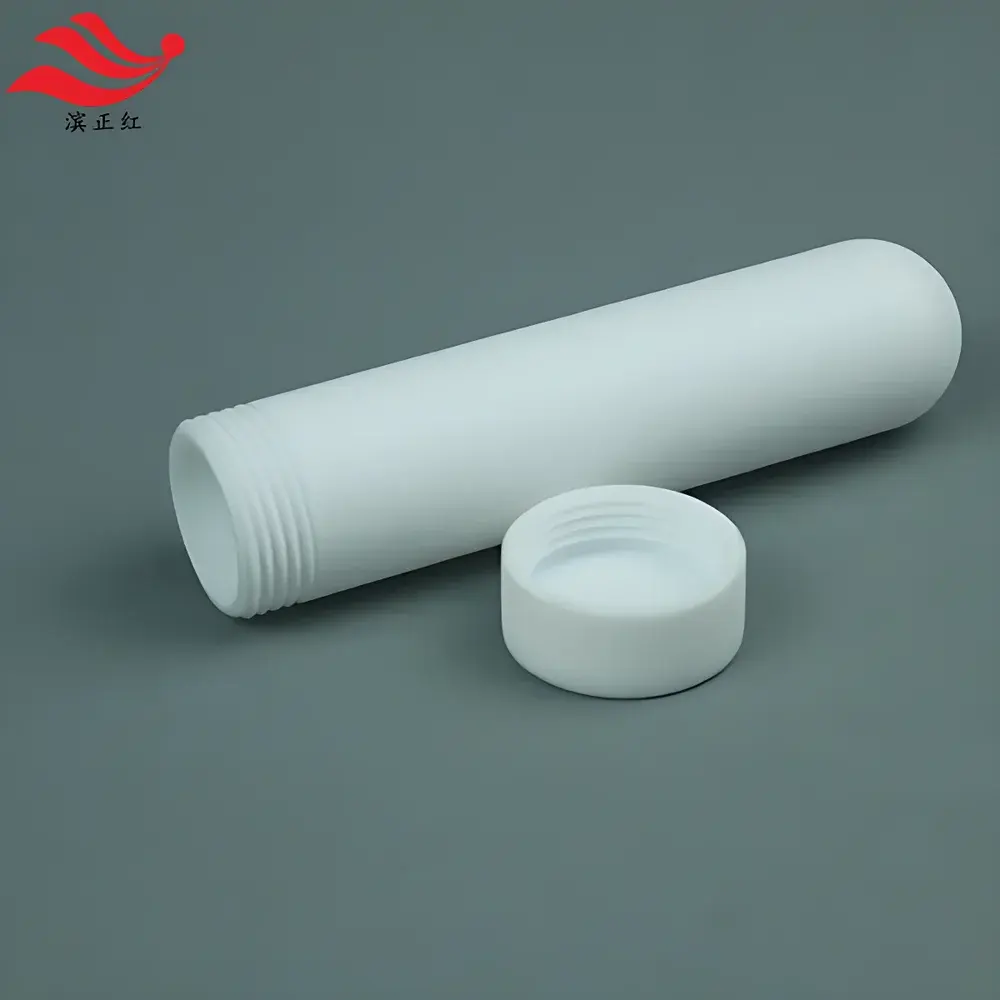
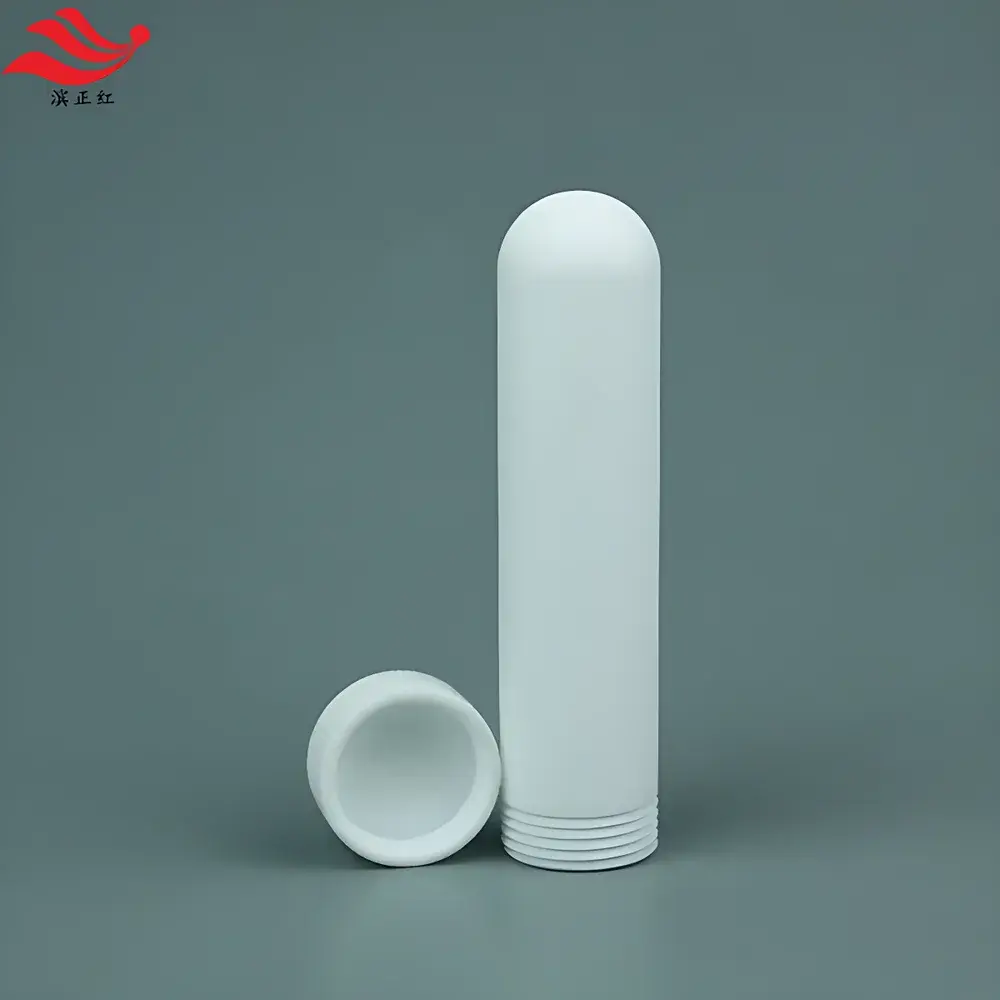
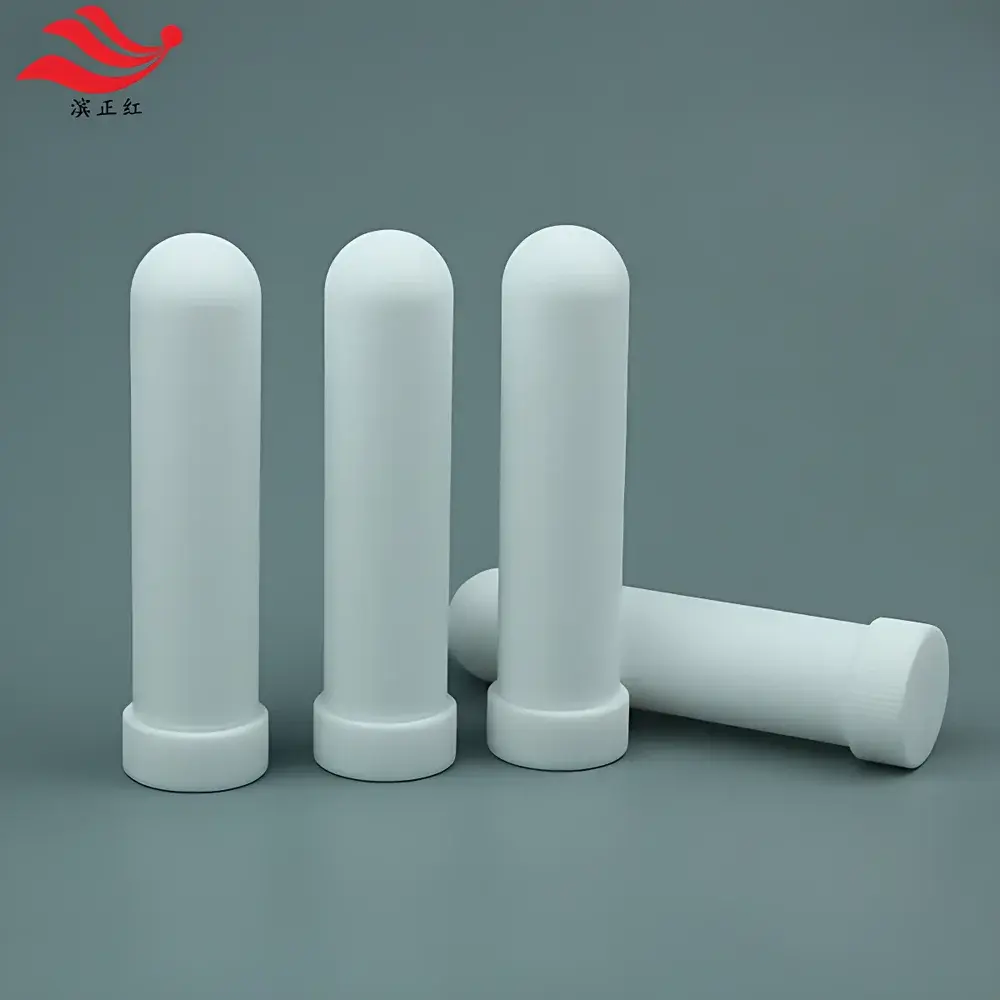
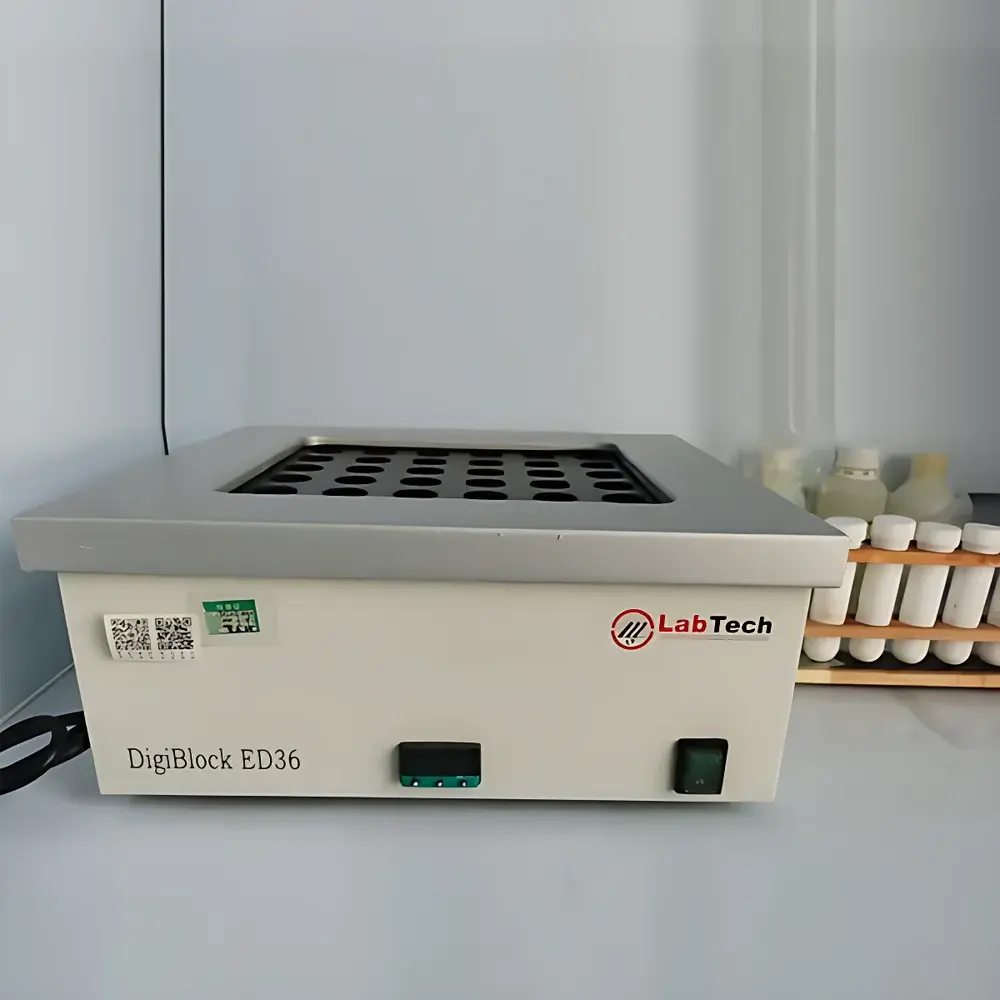
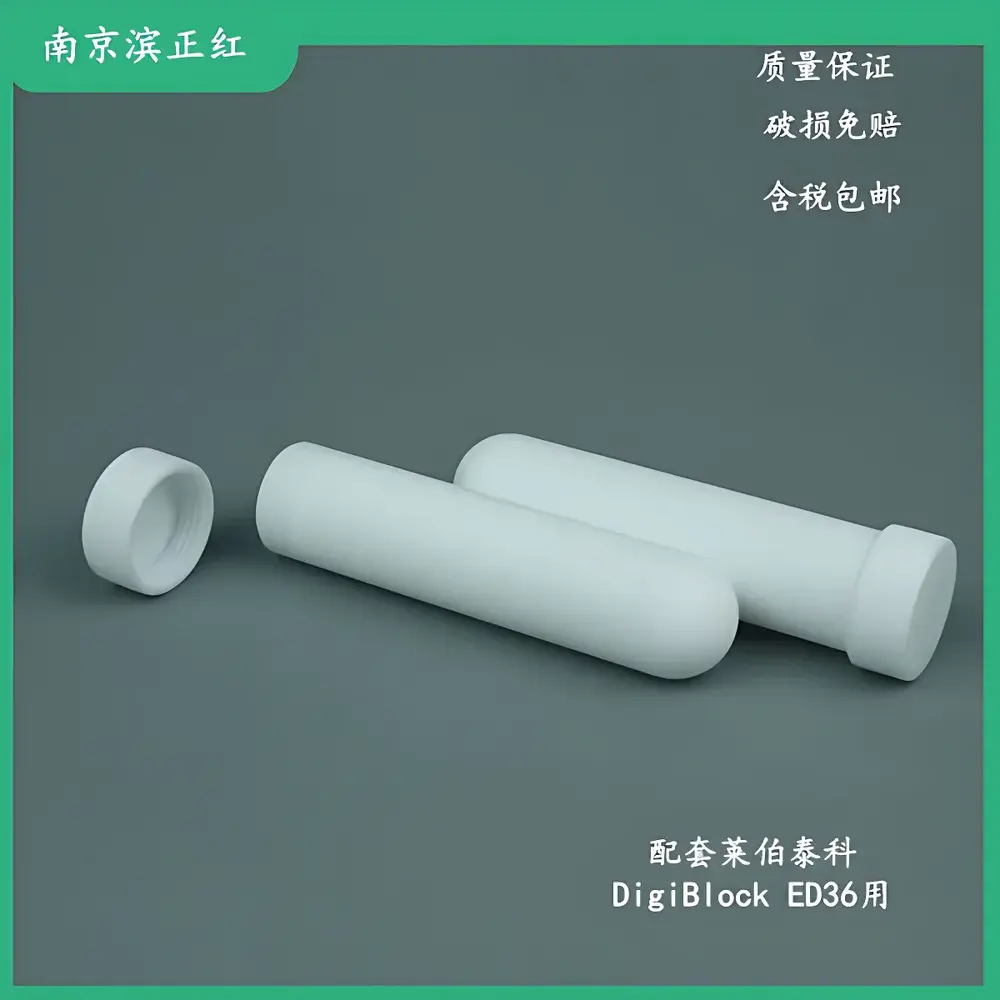
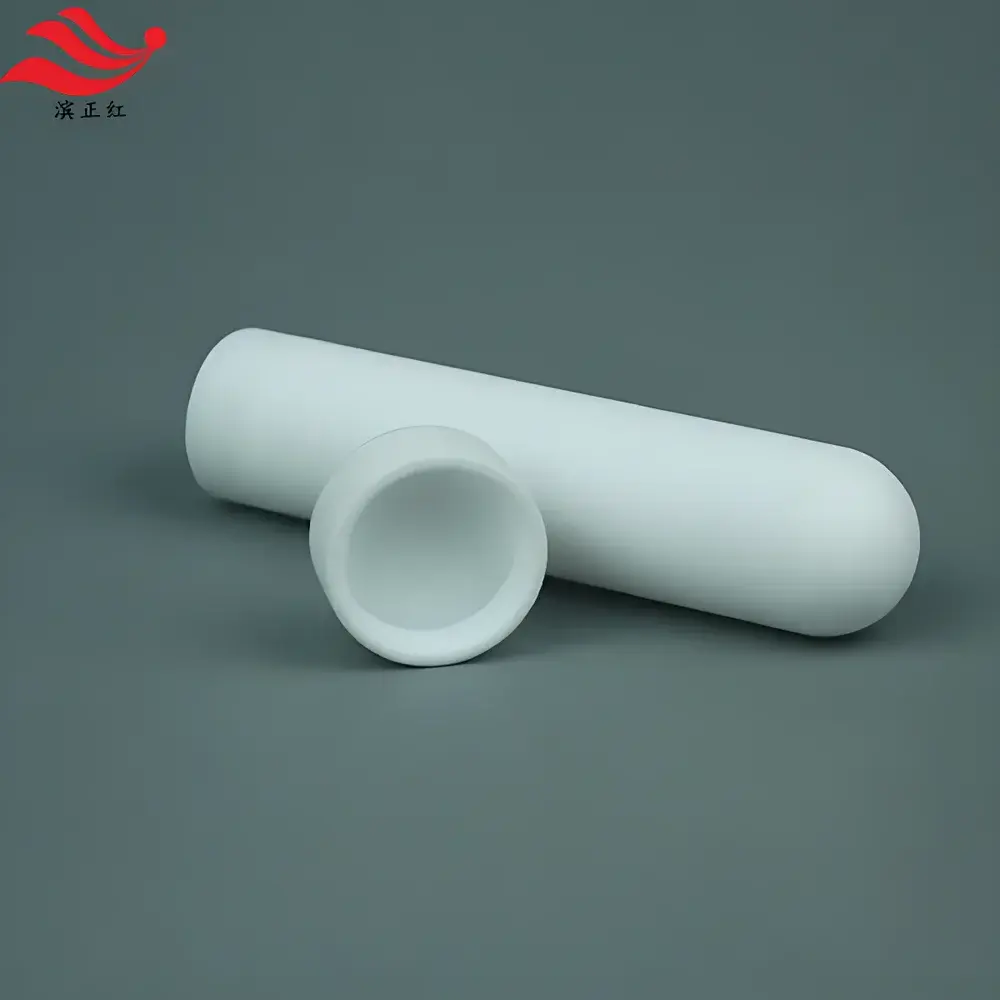
Binzhenghong PTFE Digestion Tubes for LabTech EHD and DigiBlock Digestion Systems
| Brand | Binzhenghong |
|---|---|
| Origin | Jiangsu, China |
| Manufacturer Type | Manufacturer |
| Product Origin | Domestic (China) |
| Volume Options | 50 mL, 60 mL (customizable) |
| Material Options | PTFE (polytetrafluoroethylene), PFA (perfluoroalkoxy alkane) |
| Outer Diameter | 28–29 mm |
| Total Height | 135 mm |
| Max Operating Temperature (open-vessel) | 250 °C (PTFE), 260 °C (PFA) |
| Cap Types | Screw cap, reflux cap, handle cap, dual-integrated cap, flared mouth cap, flat mouth cap |
| Laser-etched numbering | Yes (permanent, traceable) |
Overview
Binzhenghong PTFE and PFA digestion tubes are precision-engineered consumables designed for compatibility with high-throughput block digesters—including LabTech EHD and ED series, DigiBlock TF-36/16 platforms, Gerdona DS-360, Deena, Thomas Cain, Pretach ST-60, Ruike, Tianjin Tuozhiming, Haineng, Dingtai, and Aopule systems. These tubes operate on the principle of open-vessel hot-block digestion, where samples undergo controlled thermal decomposition in acidic media under atmospheric pressure. Constructed from ultra-pure fluoropolymer resins, they eliminate metal ion contamination, minimize analyte adsorption, and ensure chemical inertness across aggressive reagent matrices (e.g., HNO₃, HF, HCl, H₂O₂, and aqua regia). Their dimensional consistency—28–29 mm outer diameter and 135 mm total height—guarantees secure fitment and thermal uniformity within standardized heating blocks.
Key Features
- Two material grades: High-purity PTFE (white, opaque) for general acid digestion; premium imported PFA (transparent) for enhanced optical visibility, precise volume reading, and lower extractables—ideal for trace-level elemental analysis (ICP-MS, ICP-OES).
- Chemically inert construction ensures negligible leaching of Fe, Cr, Ni, Al, or other transition metals—even after repeated exposure to boiling hydrofluoric acid.
- Multiple cap configurations available: screw-thread caps for secure sealing during extended ramping; reflux caps to minimize reagent loss; handle caps for ergonomic handling; dual-integrated caps combining sealing and venting functions; flared-mouth and flat-mouth designs for pipetting compatibility.
- Laser-etched alphanumeric identifiers on both tube body and cap provide permanent, non-fading sample tracking—critical for GLP-compliant workflows and multi-batch digestion runs.
- Dimensionally optimized for thermal stability: wall thickness and geometry engineered to resist warping at sustained temperatures up to 250 °C (PTFE) or 260 °C (PFA) under open-vessel conditions.
Sample Compatibility & Compliance
These digestion tubes support a broad range of solid and semi-solid matrices, including soils, sediments, biological tissues, foodstuffs, polymers, and geological samples. They comply with ISO 17294-2:2016 (water quality — determination of elements by ICP-MS), ASTM D5681 (standard test method for determination of trace elements in petroleum products), and USP heavy metals testing protocols. When used in conjunction with validated digestion methods (e.g., EPA Method 3050B, 3051A, or 3052), the tubes contribute to method reproducibility and meet FDA 21 CFR Part 11 requirements for electronic record integrity when paired with compliant LIMS or instrument software. All batches undergo rigorous QC screening for visual defects (black specks, yellowing, microcracks) and dimensional tolerances per ISO 9001-certified manufacturing processes.
Software & Data Management
While the tubes themselves are passive consumables, their laser-etched identifiers integrate seamlessly into laboratory data management ecosystems. When scanned via barcode readers or imaged using digital logbooks, they enable automated sample mapping in ELN platforms (e.g., LabArchives, Benchling) and chromatography/data systems (e.g., Thermo Fisher Chromeleon, Agilent OpenLab CDS). Traceability is reinforced through audit trails linking tube ID to digestion run parameters (temperature profile, hold time, reagent lot), supporting full chain-of-custody documentation required under ISO/IEC 17025 accreditation. No proprietary software is required—compatibility is hardware-agnostic and vendor-neutral.
Applications
- Preparation of certified reference materials (CRMs) for environmental monitoring (e.g., NIST SRM 2709a, 2710a).
- Routine QA/QC in clinical labs performing whole-blood or urine metal analysis.
- Method development for microwave-assisted digestion validation, where open-vessel tubes serve as control benchmarks.
- High-volume regulatory testing in food safety labs (e.g., EU Commission Regulation (EC) No 1881/2006 for Cd, Pb, As in rice).
- Research-scale digestion of nanomaterials and novel catalysts requiring ultra-low background interference.
FAQ
Are these tubes suitable for use with hydrofluoric acid (HF)?
Yes—both PTFE and PFA grades exhibit exceptional resistance to HF at concentrations up to 40% and temperatures ≤250 °C. PFA is preferred for long-term HF exposure due to its superior stress-crack resistance.
Can I perform final volume adjustment (e.g., dilution to mark) directly in the digestion tube?
Absolutely. The transparent PFA variant allows direct meniscus reading, and optional calibrated刻度 lines (available upon request) enable accurate single-tube digestion-to-dilution workflows—reducing transfer errors and contamination risk.
What cleaning protocol do you recommend between uses?
Rinse immediately post-digestion with deionized water, followed by soaking in 5% v/v nitric acid for ≥1 hour. Gently scrub interior with PTFE-coated brushes only. Air-dry or bake at 120 °C for 30 min prior to reuse. Avoid ultrasonic cleaning unless validated for your specific matrix.
Do you offer custom dimensions for non-standard digestion blocks?
Yes. Custom outer diameters (25–35 mm), heights (100–160 mm), and volume calibrations (10–100 mL) are available with lead times of 4–6 weeks. Engineering drawings and tolerance specifications must be provided at order stage.
Is there a documented certificate of conformance or analytical test report available?
Each production lot includes a Certificate of Analysis (CoA) listing batch-specific ICP-MS blank test results (Fe, Cr, Ni, Al, Zn, Cu, Pb, Cd, As, Hg, U, Th), dimensional verification reports, and thermal stability validation data.



