
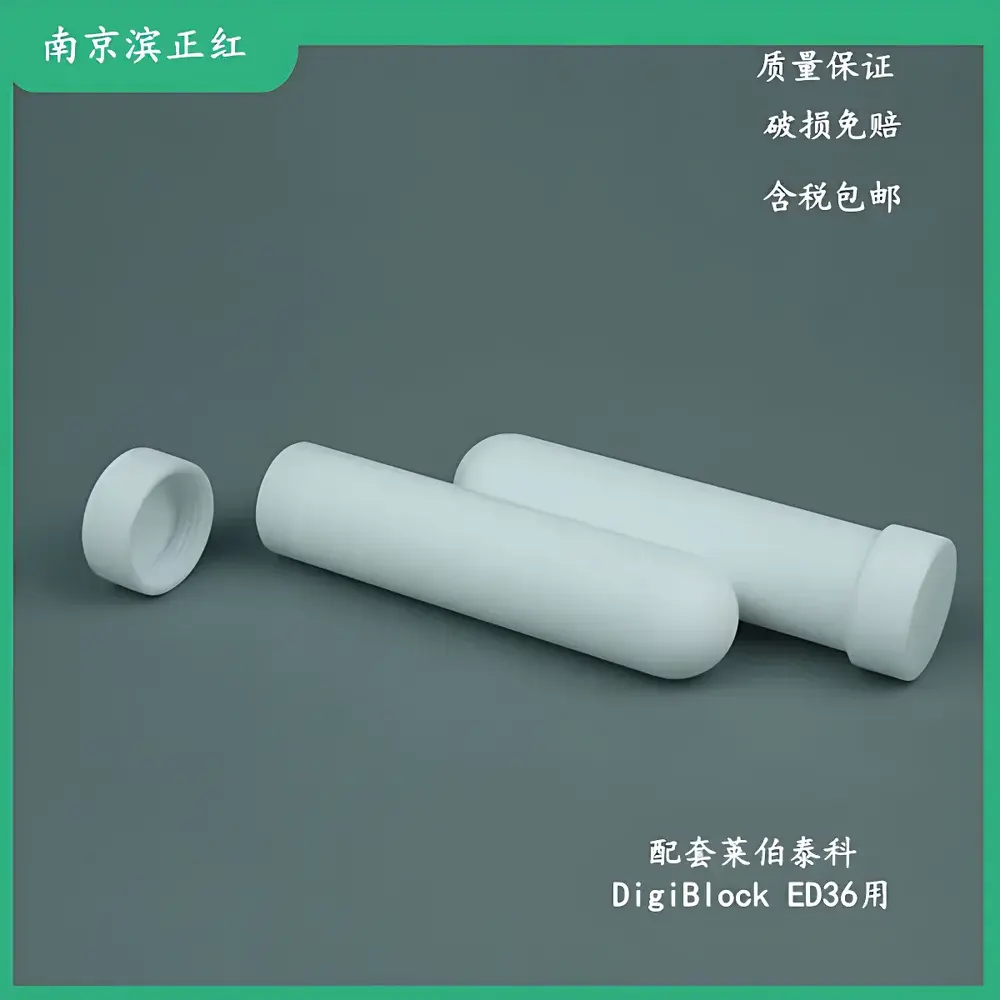
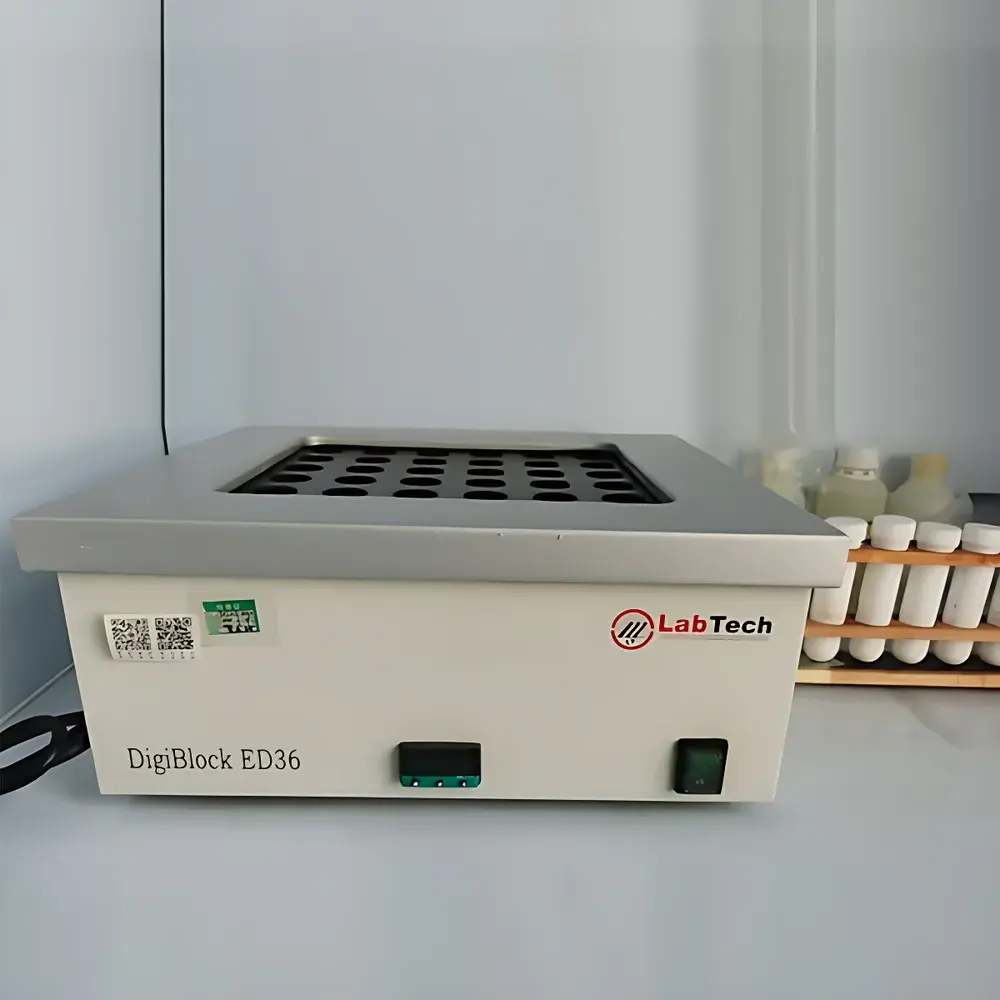
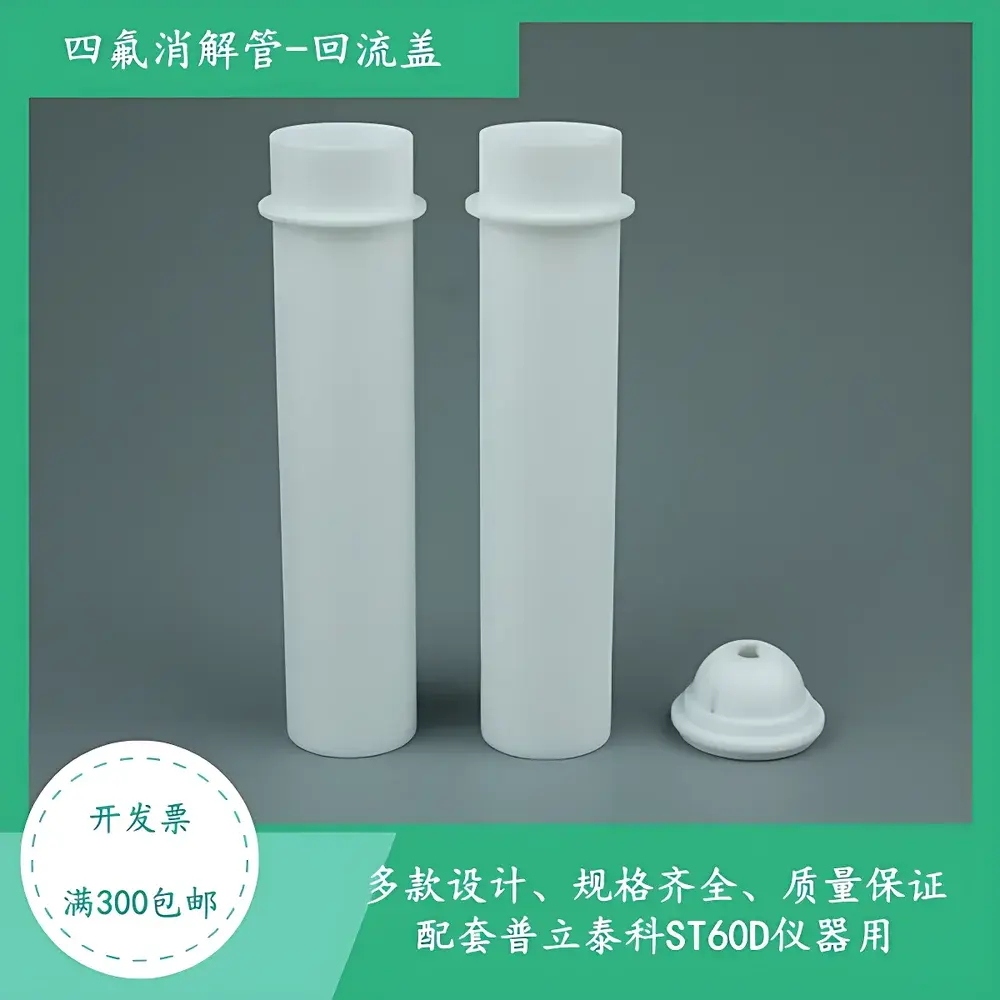
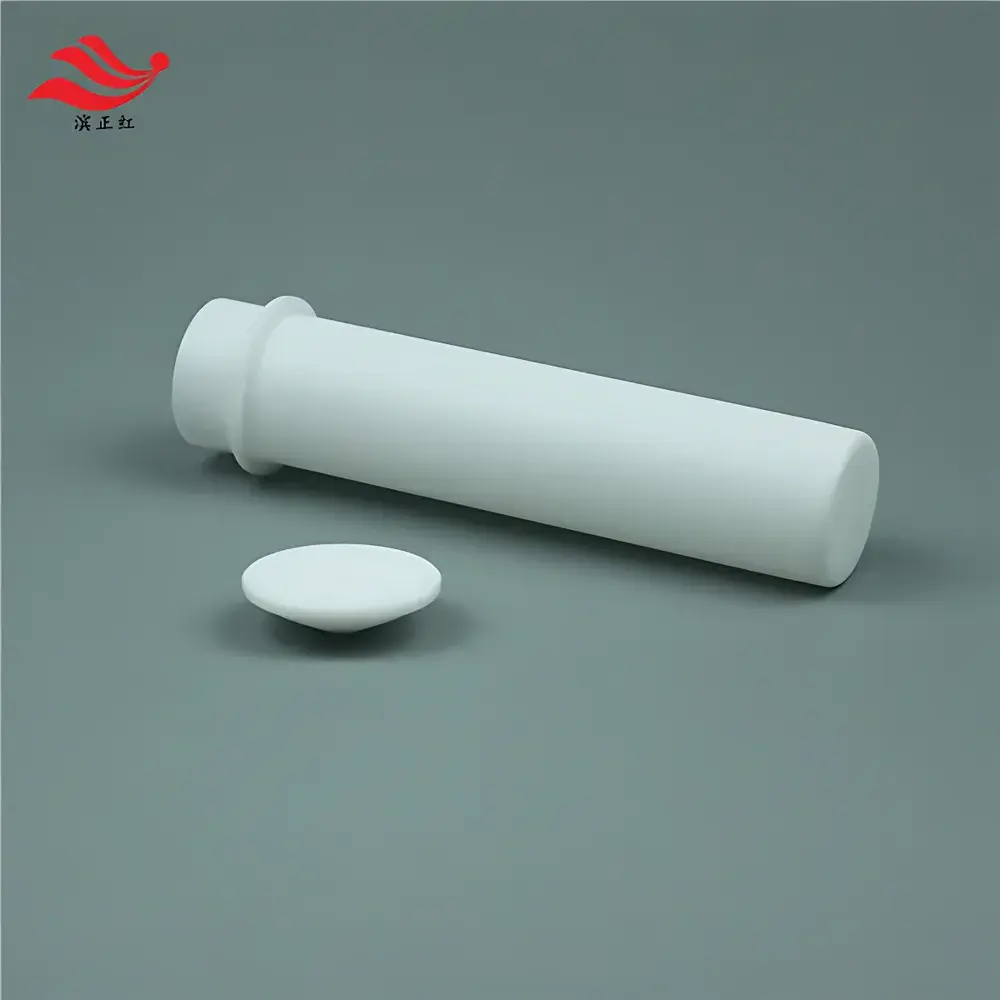
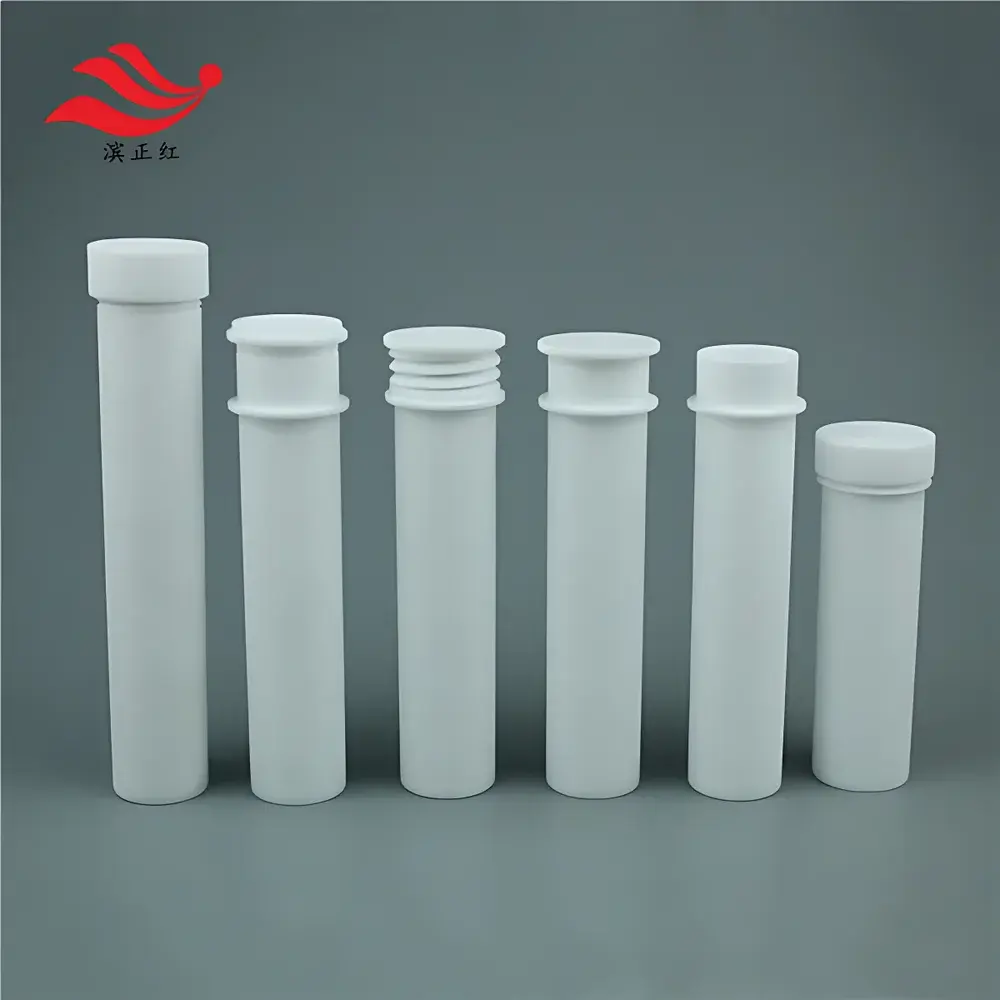
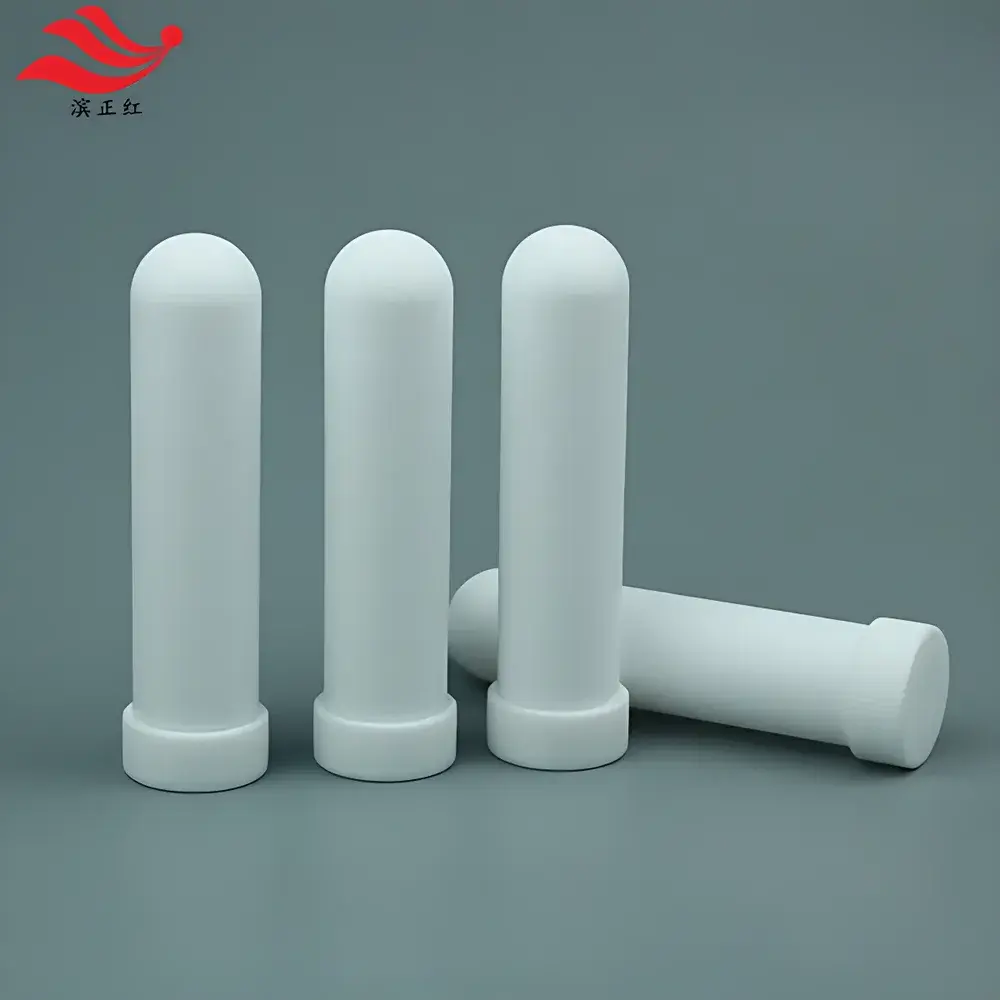
LabTech DigiBlock ED36-Compatible PFA Digestion Vessels (NJ-50mL)
| Brand | Binzhenghong |
|---|---|
| Origin | Jiangsu, China |
| Manufacturer Type | OEM Producer |
| Origin Category | Domestic (China) |
| Model | NJ-50mL |
| Pricing | Upon Request |
Overview
The LabTech DigiBlock ED36-Compatible PFA Digestion Vessels (Model NJ-50mL) are precision-engineered sample containment systems designed exclusively for use with the LabTech DigiBlock ED36 block digestion system. These vessels operate within the fundamental framework of open-vessel, atmospheric-pressure acid digestion—a widely accepted sample preparation technique for elemental analysis by ICP-OES, ICP-MS, AAS, and other trace metal quantification methods. Unlike sealed high-pressure microwave digestion systems, the ED36 platform relies on controlled, uniform conductive heating across a graphite block to achieve reproducible thermal ramping and sustained temperature hold (typically 90–180 °C), enabling complete mineralization of organic matrices in aqueous acid media (e.g., HNO₃, HCl, HF, or mixed aqua regia). The NJ-50mL vessel’s geometry, wall thickness, and material composition are optimized to ensure thermal stability, minimal analyte adsorption, and resistance to thermal shock during repeated heating/cooling cycles.
Key Features
- Material: High-purity perfluoroalkoxy alkane (PFA), conforming to ASTM D4894 and ISO 10993-5 standards for inertness and biocompatibility—providing superior chemical resistance over standard PTFE and FEP, especially against hot concentrated hydrofluoric acid and aggressive oxidizing mixtures.
- Capacity & Geometry: Nominal 50 mL working volume with tapered conical base and standardized outer diameter (16.5 mm) and height (110 mm) to ensure precise fit and vertical alignment within the ED36’s 36-position graphite well array.
- Mechanical Robustness: Engineered wall thickness (≥1.2 mm) delivers enhanced impact resistance and reduced risk of fracture during handling, vortexing, or centrifugation—critical for high-throughput QC/QA laboratories processing hundreds of samples weekly.
- Thermal Performance: Continuous service temperature range from –200 °C to +260 °C; coefficient of thermal expansion (CTE) matched closely to graphite to minimize interfacial stress during rapid heating ramps up to 10 °C/min.
- Trace Metal Cleanliness: Pre-cleaned and certified to ≤1 pg/mL blank levels for Al, Cr, Cu, Fe, Ni, Pb, and Zn (tested per USP / and EPA Method 200.8 protocols), supplied in Class 100 cleanroom-packaged polyethylene bags.
Sample Compatibility & Compliance
NJ-50mL PFA digestion vessels accommodate a broad spectrum of sample types—including environmental soils and sediments, biological tissues (plant, animal, clinical), foodstuffs, polymers, and geological digests—without measurable leaching or memory effects. Their compatibility extends to all common digestion acids and oxidizers used in EPA Methods 3015A, 3050B, and 3051A, as well as ISO 11466 and ASTM D5762. Each production lot undergoes rigorous batch certification per ISO/IEC 17025-accredited testing for elemental background, dimensional tolerance (±0.15 mm OD/ID), and seal integrity under static acid exposure (72 h at 150 °C). Vessels comply with GLP documentation requirements and support full audit trails when integrated into validated workflows aligned with FDA 21 CFR Part 11-compliant LIMS environments.
Software & Data Management
While the NJ-50mL vessels themselves are passive consumables, their use is fully traceable within LabTech’s DigiBlock ED36 control software (v3.2+). The system logs vessel position, digestion protocol ID, temperature profile, duration, and operator credentials—enabling direct linkage between raw instrument data and physical sample containers. When paired with optional barcode-scanned vessel labeling (using ISO/IEC 15416-compliant 2D DataMatrix codes), full chain-of-custody tracking is achievable from digestion through ICP analysis. All metadata export seamlessly to CSV, XML, or direct SQL database ingestion for integration with ELN platforms such as LabArchives or Benchling.
Applications
- Routine heavy metal screening in drinking water and wastewater per EPA 200.8 and ISO 17294-2.
- Multi-element profiling of agricultural soils and fertilizers under ISO 11466 and EN 13657.
- Pharmaceutical excipient purity testing per ICH Q2(R2) and USP .
- Forensic toxicology sample prep involving hair, nail, and blood matrix digestion.
- Geochemical reference material certification (e.g., NIST SRM 2711a, GBW 07401) requiring ultra-low procedural blanks.
FAQ
Can these vessels be reused? Why or why not?
Yes—provided strict cleaning validation is performed between uses. Recommended protocol: sequential rinses in 10% v/v HNO₃ (70 °C, 30 min), ultrapure water (18.2 MΩ·cm), and air-drying in laminar flow hoods. Reuse must be documented per SOP and limited to ≤5 cycles for trace-level work.
Are NJ-50mL vessels compatible with other DigiBlock models (e.g., ED54 or SCD12)?
No—they are dimensionally specific to the ED36’s 36-well configuration (well diameter: 16.8 mm ±0.1 mm). Use with ED54 or SCD12 requires NJ-35mL or NJ-15mL variants, respectively.
Do these vessels meet USP or ISO 8536-4 for pharmaceutical container suitability?
No—while chemically inert and low-blank, they are not sterilized, certified for parenteral use, or tested for extractables per USP . They are intended solely for analytical sample preparation, not drug product contact.



