
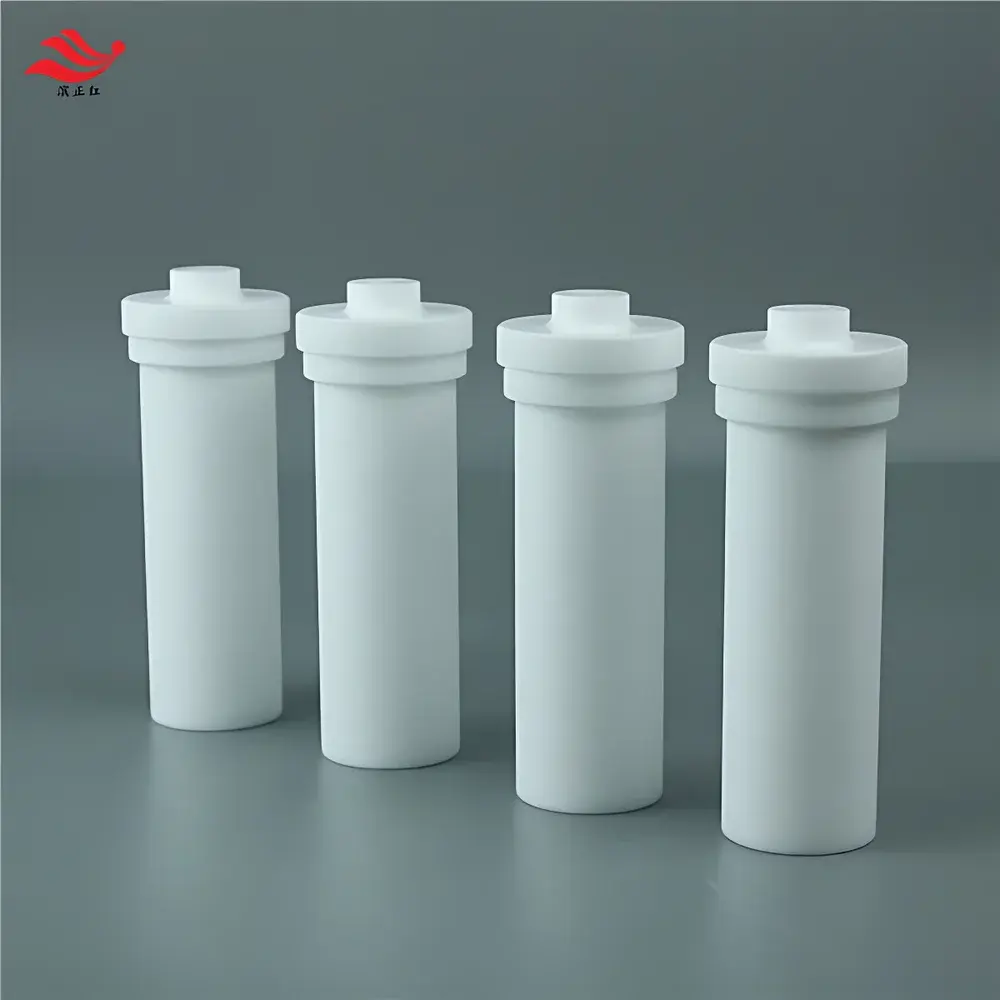
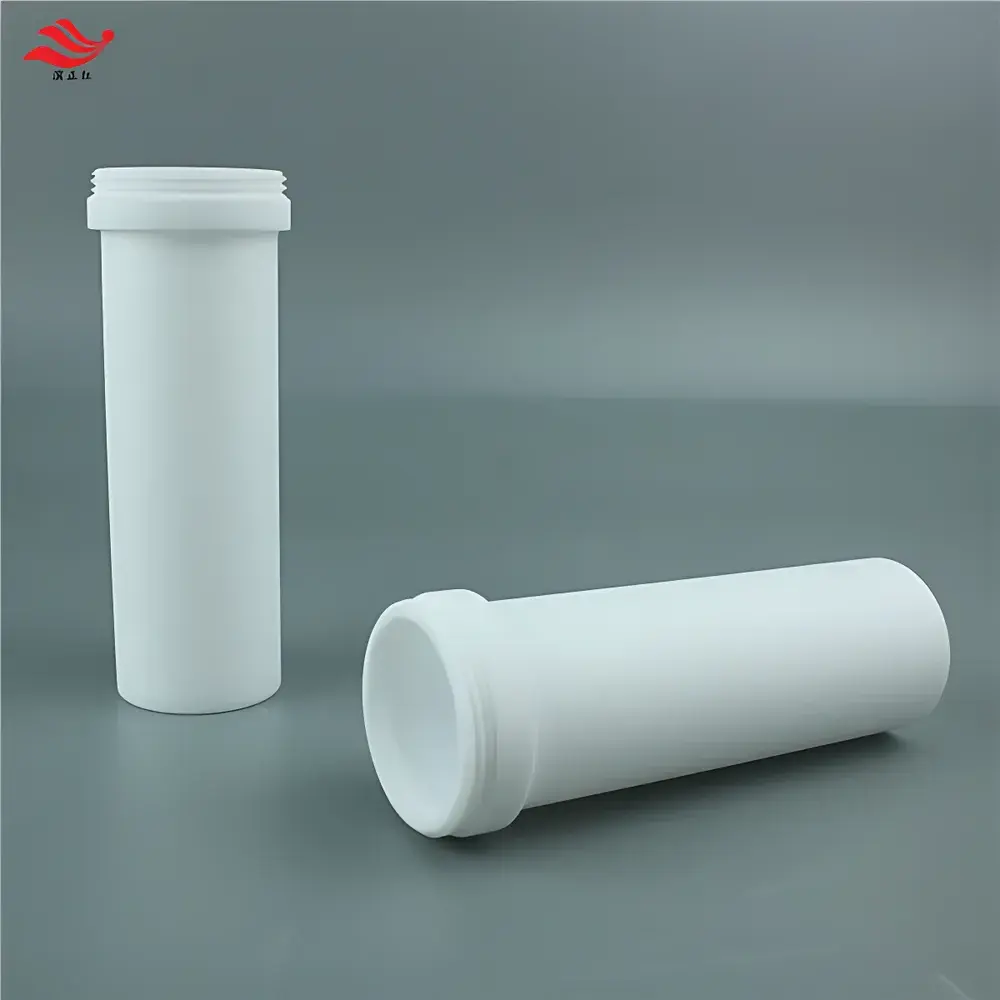
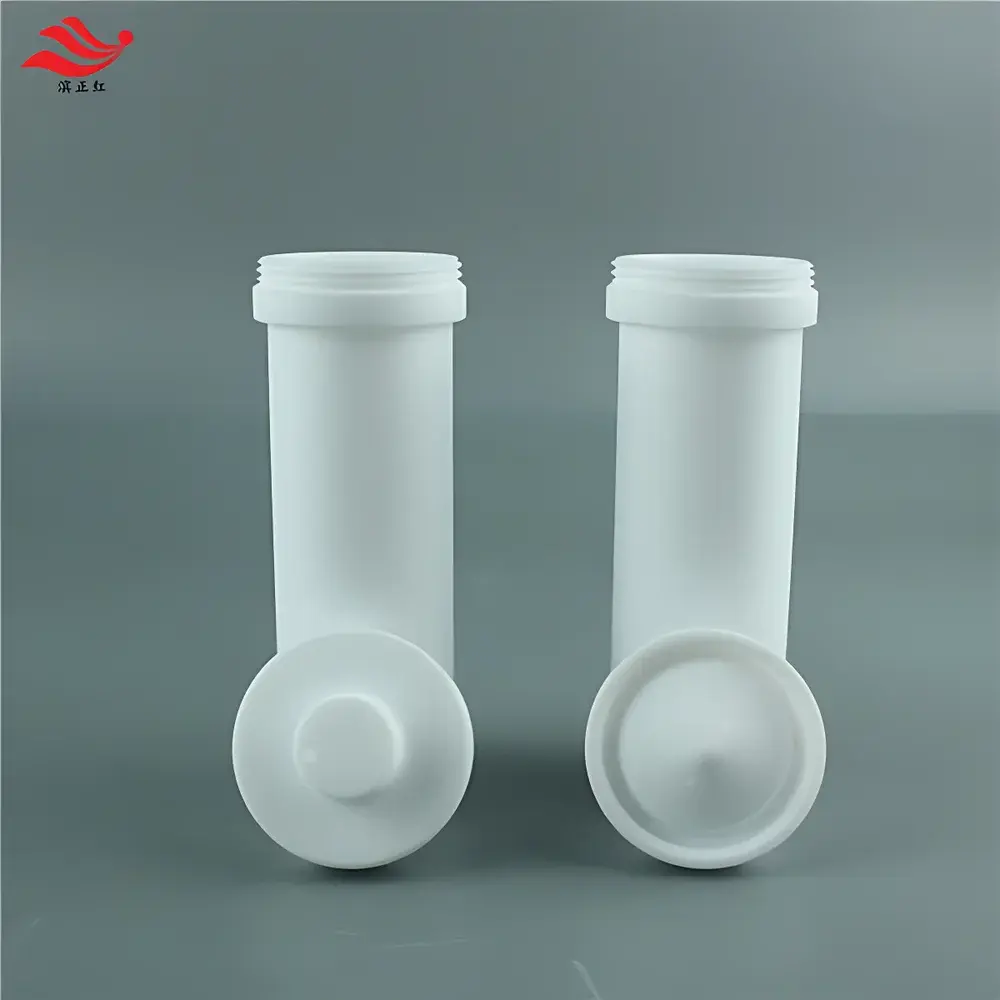
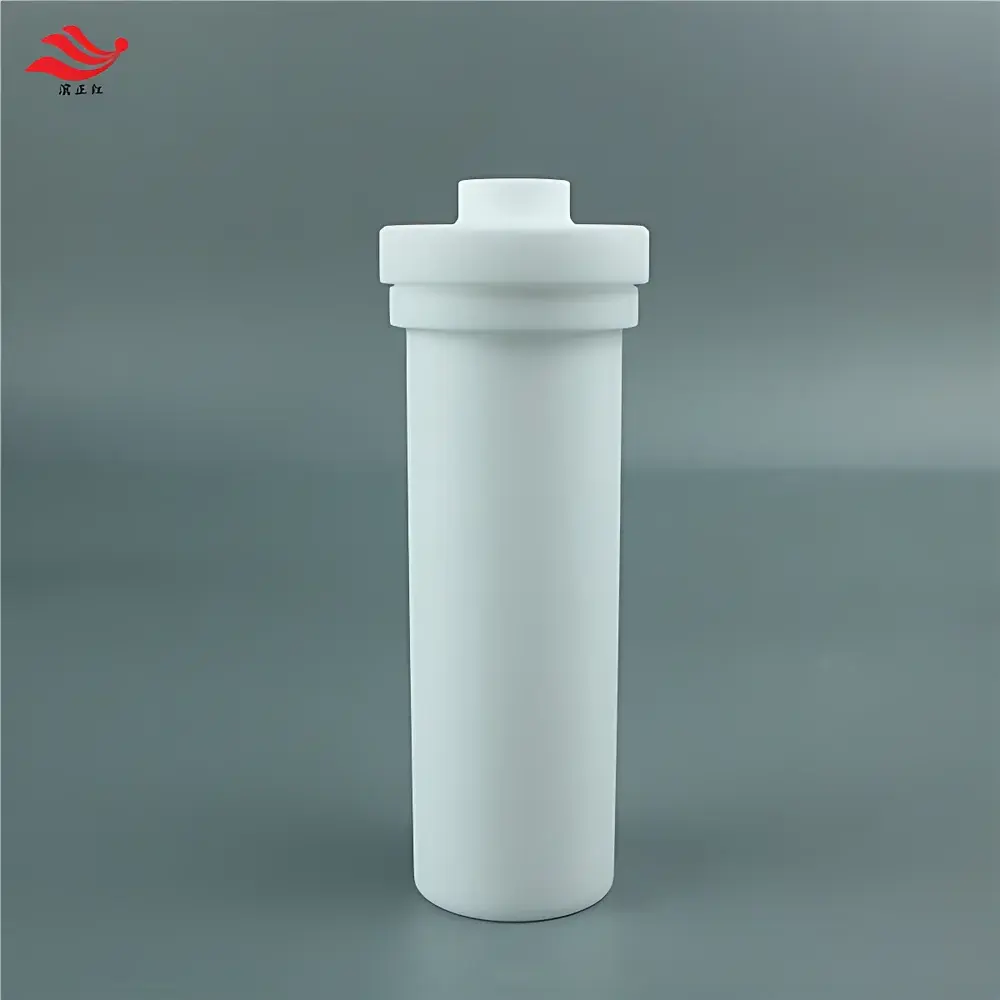
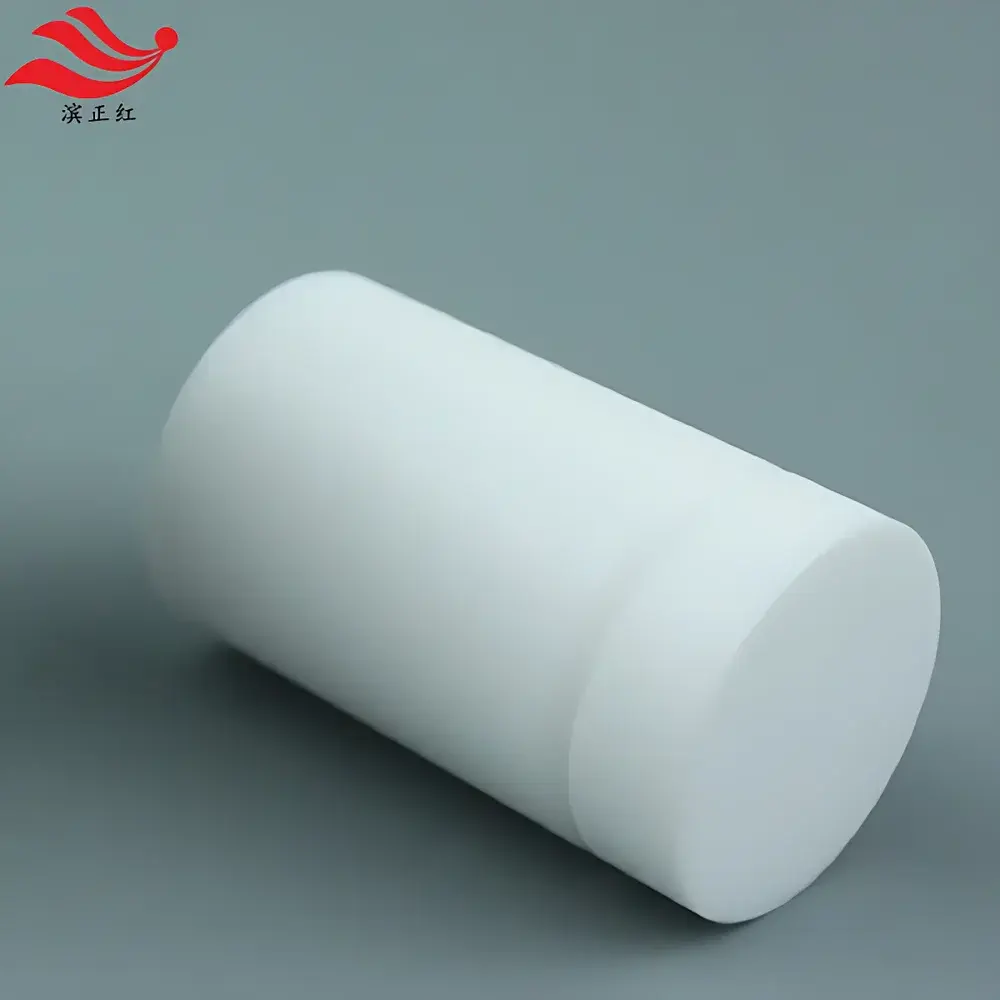
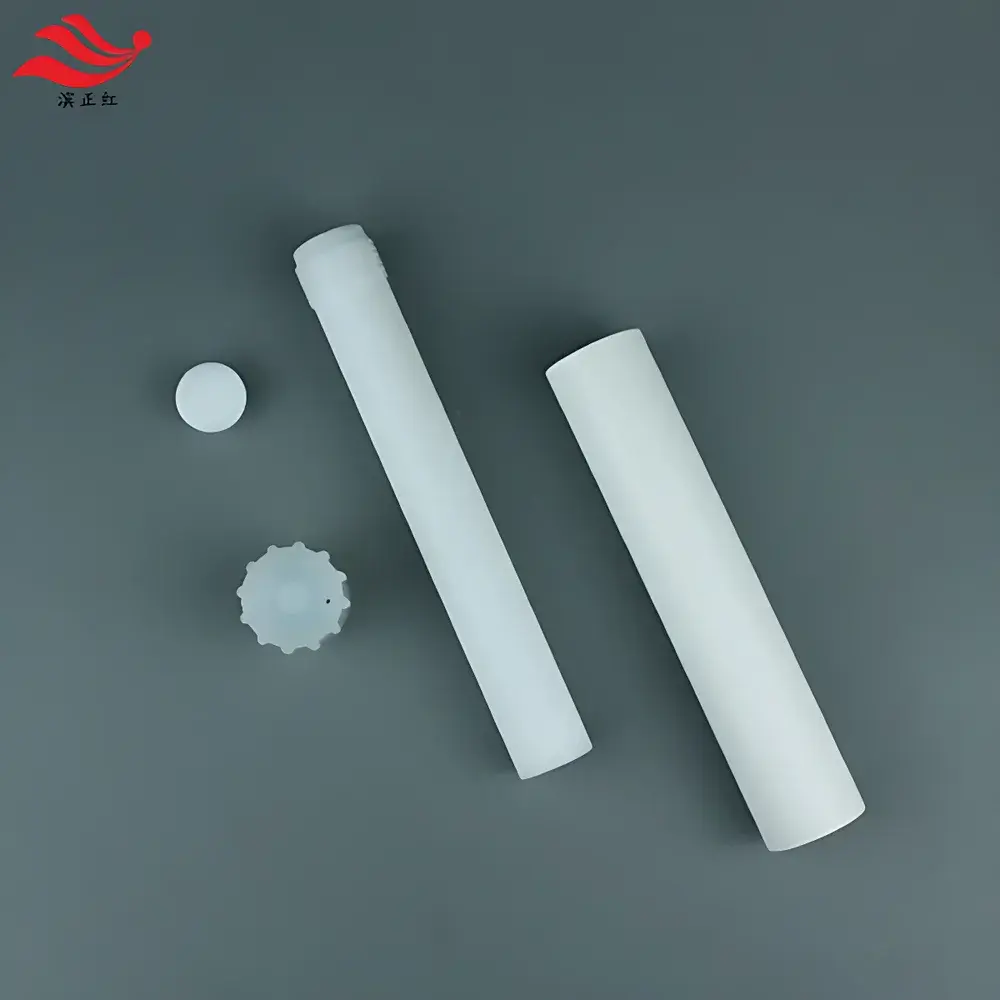
GD-40 APL PTFE Microwave Digestion Vessels (for Optimum GT-40 Systems)
| Brand | Binzhenghong |
|---|---|
| Origin | Jiangsu, China |
| Manufacturer Type | OEM/ODM Producer |
| Country of Origin | China |
| Model | GD-40 |
| Pricing | Available Upon Request |
Overview
The GD-40 APL PTFE Microwave Digestion Vessels are precision-engineered consumables designed exclusively for use with the Optimum GT-40 microwave digestion system. These vessels operate on the principle of closed-vessel high-pressure acid digestion under controlled microwave irradiation, enabling complete sample mineralization of organic and inorganic matrices—including soils, biological tissues, foodstuffs, polymers, and environmental samples—prior to elemental analysis by ICP-OES, ICP-MS, or AAS. Constructed entirely from high-purity, low-extractable polytetrafluoroethylene (PTFE), the GD-40 vessels ensure exceptional chemical inertness against concentrated HNO₃, HCl, HF (with appropriate safety protocols), and aqua regia at temperatures up to 260 °C and pressures exceeding 80 bar. Their geometry and wall thickness are optimized to support uniform microwave energy coupling and thermal stability during rapid ramping cycles, minimizing risk of vessel deformation or seal failure.
Key Features
- Material: Virgin-grade PTFE (ASTM D4895-compliant), free of fillers, catalysts, or recycled content—certified for ultra-trace metal analysis (sub-ppt detection limits)
- Design: Seamless, one-piece molded construction with integrated conical base and precision-machined sealing interface for leak-tight performance under dynamic pressure cycling
- Compatibility: Dimensionally and mechanically matched to GT-40 rotor cavities; includes proprietary torque-seal cap system with dual O-ring compression and pressure-relief venting mechanism
- Thermal Stability: Rated for continuous operation at 260 °C; validated for >500 digestion cycles without measurable mass loss or surface degradation (per ISO 17025 internal validation protocol)
- Trace Metal Purity: Batch-certified with ICP-MS blank testing; typical background levels: Al < 5 pg/mL, Fe < 3 pg/mL, Cr < 1 pg/mL in 2% HNO₃ extract
Sample Compatibility & Compliance
The GD-40 vessels accommodate sample masses up to 1.0 g (solid) or 5.0 mL (liquid), supporting digestion protocols aligned with EPA Method 3051A, ISO 11466, and GB/T 22105.2–2008. Each production lot undergoes rigorous QC screening—including FTIR verification of polymer integrity, helium leak testing at 100 bar, and acid leaching validation per USP elemental impurities guidance. The vessels are compatible with GLP/GMP workflows requiring full traceability: lot numbers, manufacturing date, and QC certificate of analysis (CoA) are laser-etched on each vessel base. They meet the material requirements for ISO/IEC 17025-accredited laboratories performing regulatory submissions to FDA, EMA, or CNAS.
Software & Data Management
While the GD-40 vessels themselves are passive consumables, their use is fully integrated into the Optimum GT-40’s instrument control software (v4.2+). The system logs vessel-specific parameters—including batch ID, cycle count, maximum pressure/temperature achieved, and digest duration—for audit-ready electronic records. All data comply with FDA 21 CFR Part 11 requirements via role-based access control, electronic signatures, and immutable audit trails. Raw digestion metadata can be exported in CSV or XML formats for LIMS integration (e.g., Thermo Fisher SampleManager, LabVantage) and automated report generation in accordance with ISO 17025 clause 7.8.
Applications
- Environmental monitoring: Heavy metal determination (Pb, Cd, As, Hg) in sediments, sludge, and airborne particulates
- Food safety testing: Quantification of essential and toxic elements (Zn, Cu, Ni, Sb) in infant formula, seafood, and fortified cereals
- Pharmaceutical QA/QC: Residual catalyst screening (Pd, Pt, Rh) in active pharmaceutical ingredients (APIs)
- Geochemical research: Rare earth element (REE) profiling in rock and mineral standards using ICP-MS
- Materials science: Leachable metal assessment in battery cathode materials (LiNiMnCoO₂) and semiconductor packaging substrates
FAQ
Are GD-40 vessels compatible with other microwave systems besides the Optimum GT-40?
No—GD-40 vessels are dimensionally and pressure-rated specifically for the GT-40 rotor assembly and safety interlock architecture. Cross-platform use may compromise seal integrity or violate pressure containment certification.
What is the recommended cleaning protocol between uses?
Rinse thoroughly with ultrapure water (≥18.2 MΩ·cm), followed by soaking in 10% v/v HNO₃ for 1 hour, then triple-rinsing with Milli-Q water. Air-dry in a Class 100 laminar flow hood; avoid oven drying above 80 °C.
Do you provide certified reference material (CRM) digestion validation data?
Yes—each GD-40 lot is validated using NIST SRM 1573a (Tomato Leaves) and GBW(E) 080383 (Soil), with recovery rates documented between 95–105% for all target elements (As, Cd, Cr, Cu, Ni, Pb, Zn). Full validation reports available upon request.
Is HF digestion supported?
HF use is permitted only when paired with GT-40’s optional external HF exhaust manifold and PFA-coated rotor components. Standard GD-40 vessels tolerate ≤2% HF in HNO₃ matrix; extended exposure requires prior consultation with technical support.



