
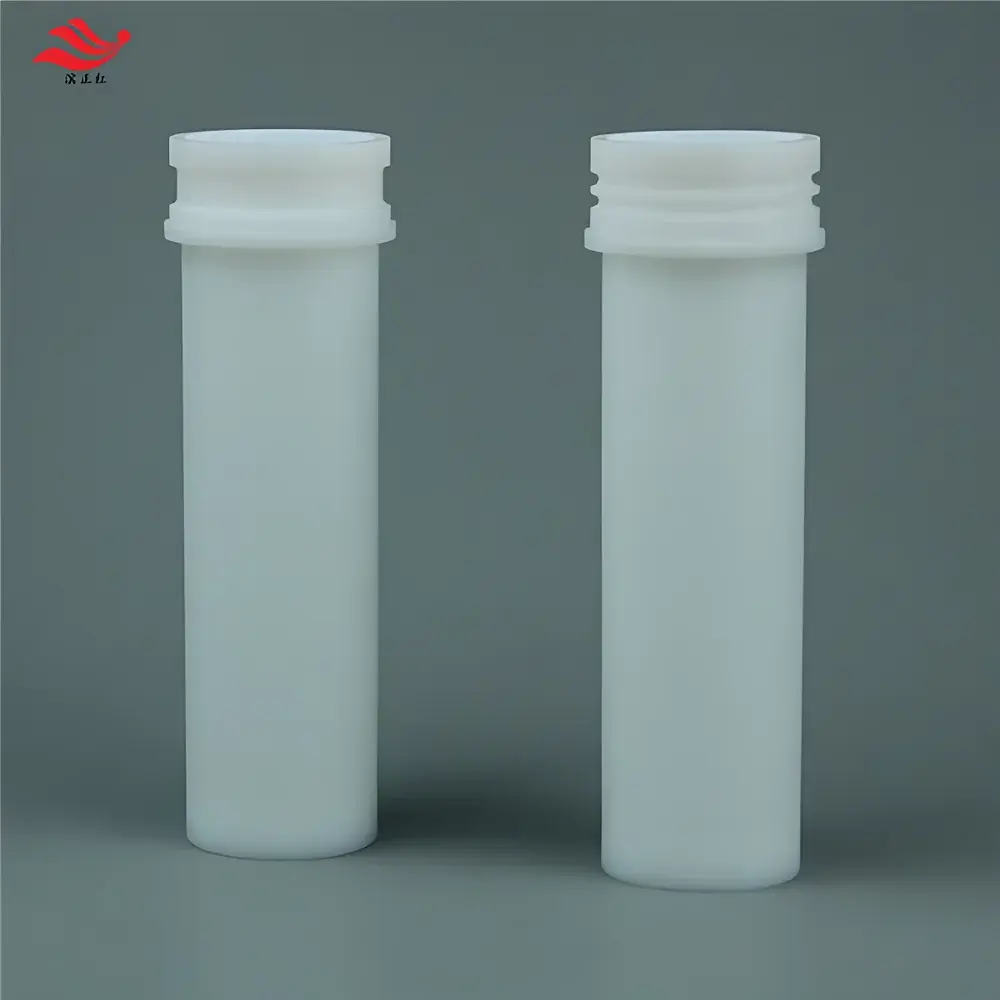
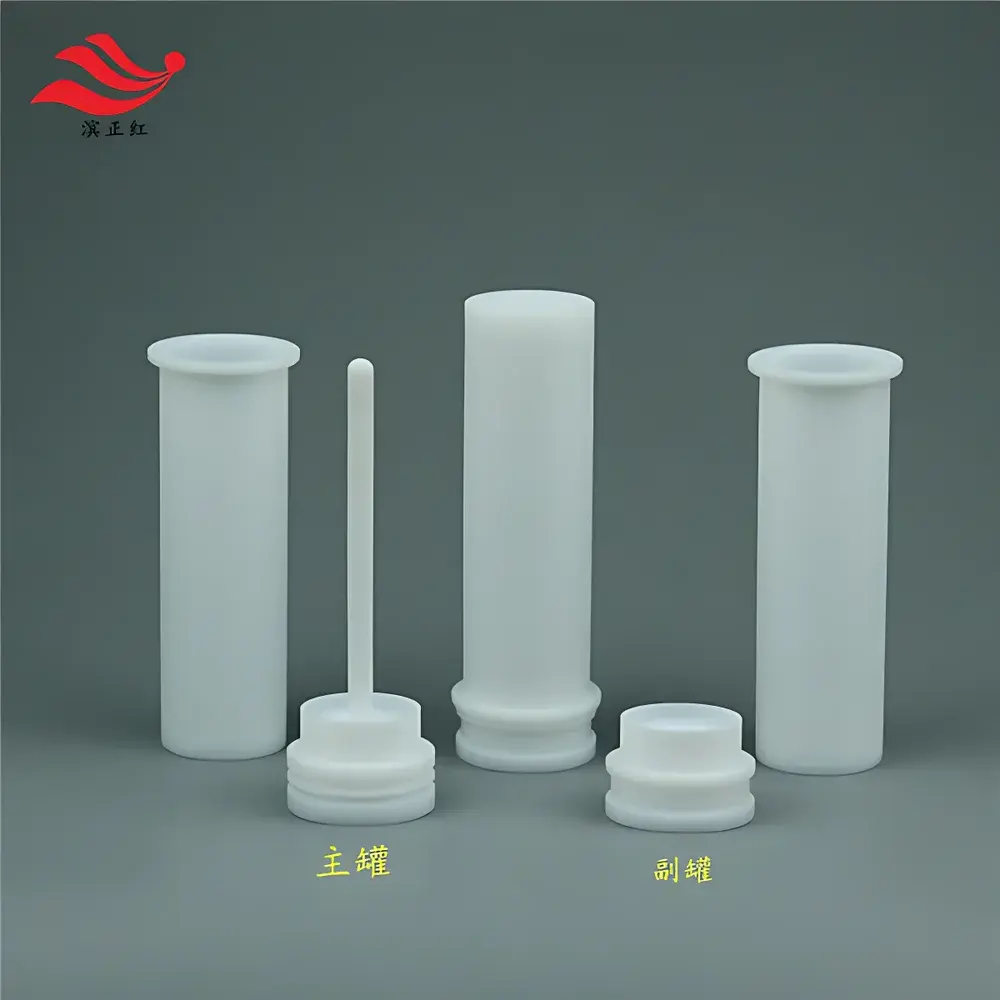
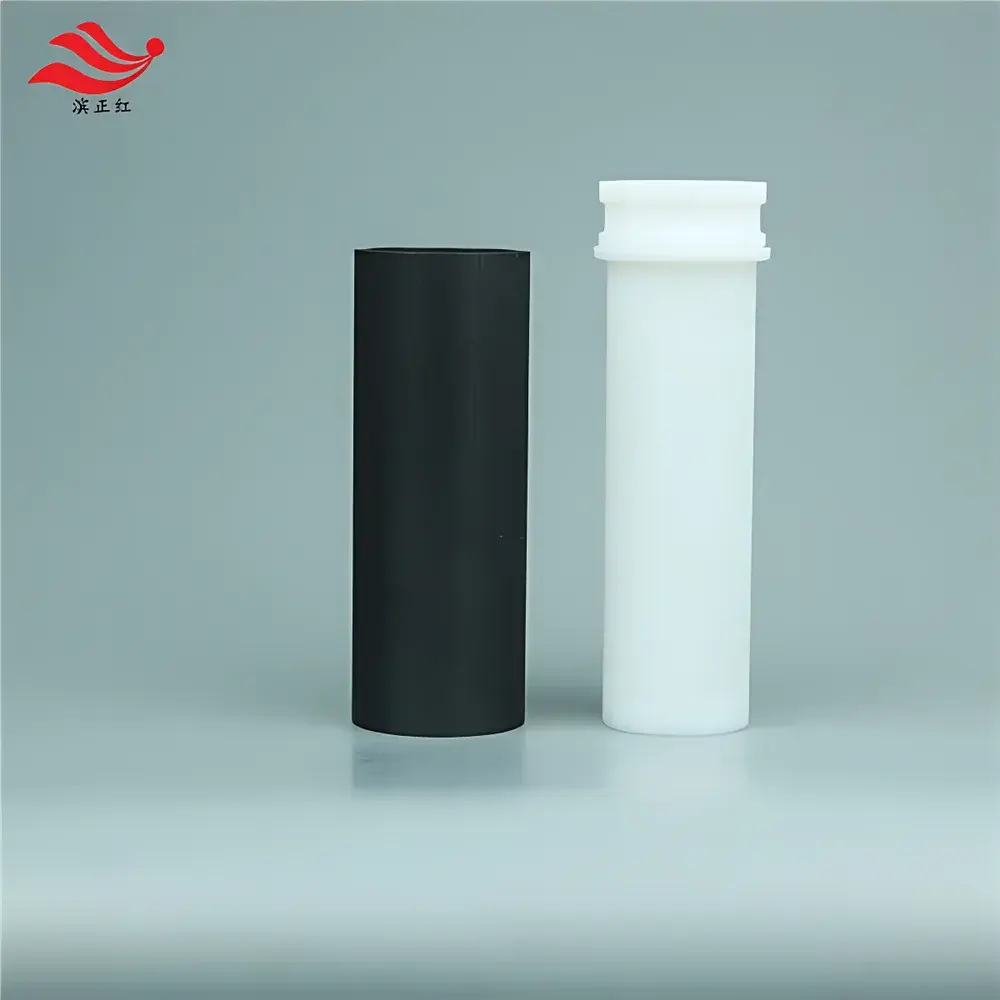
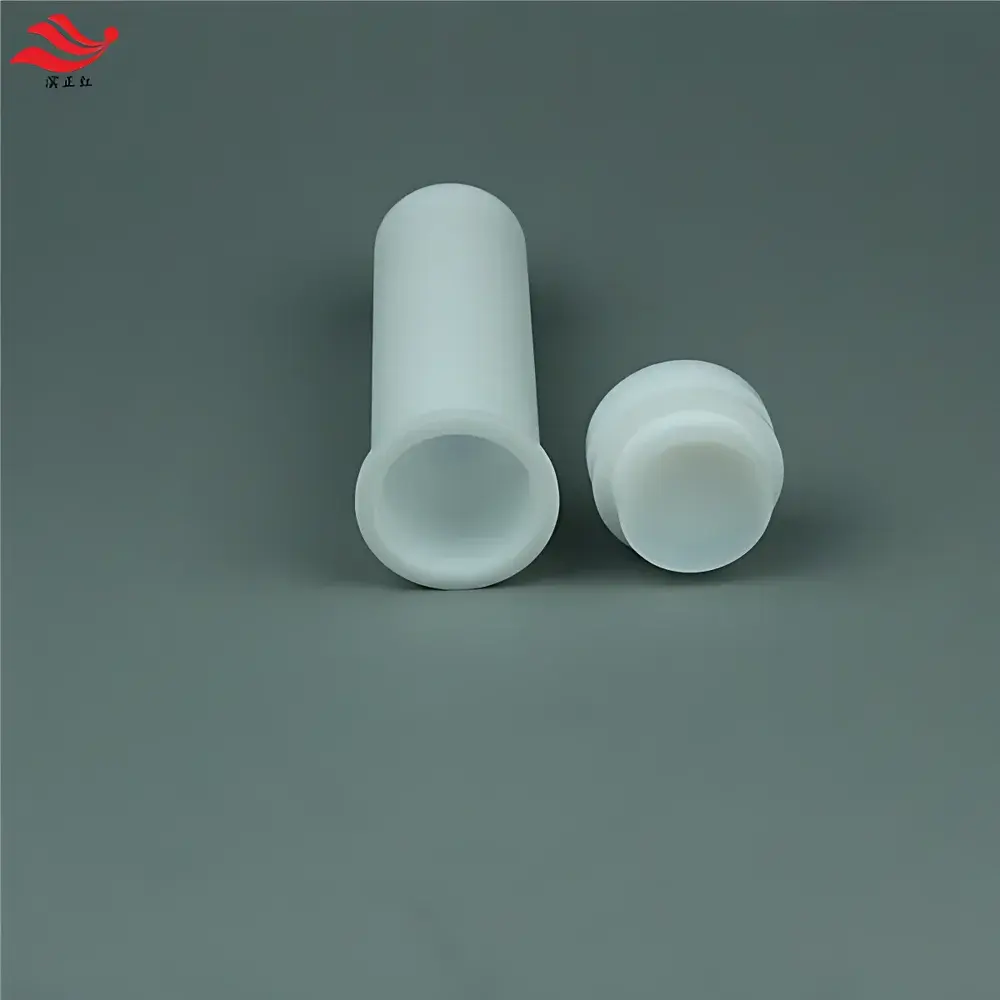
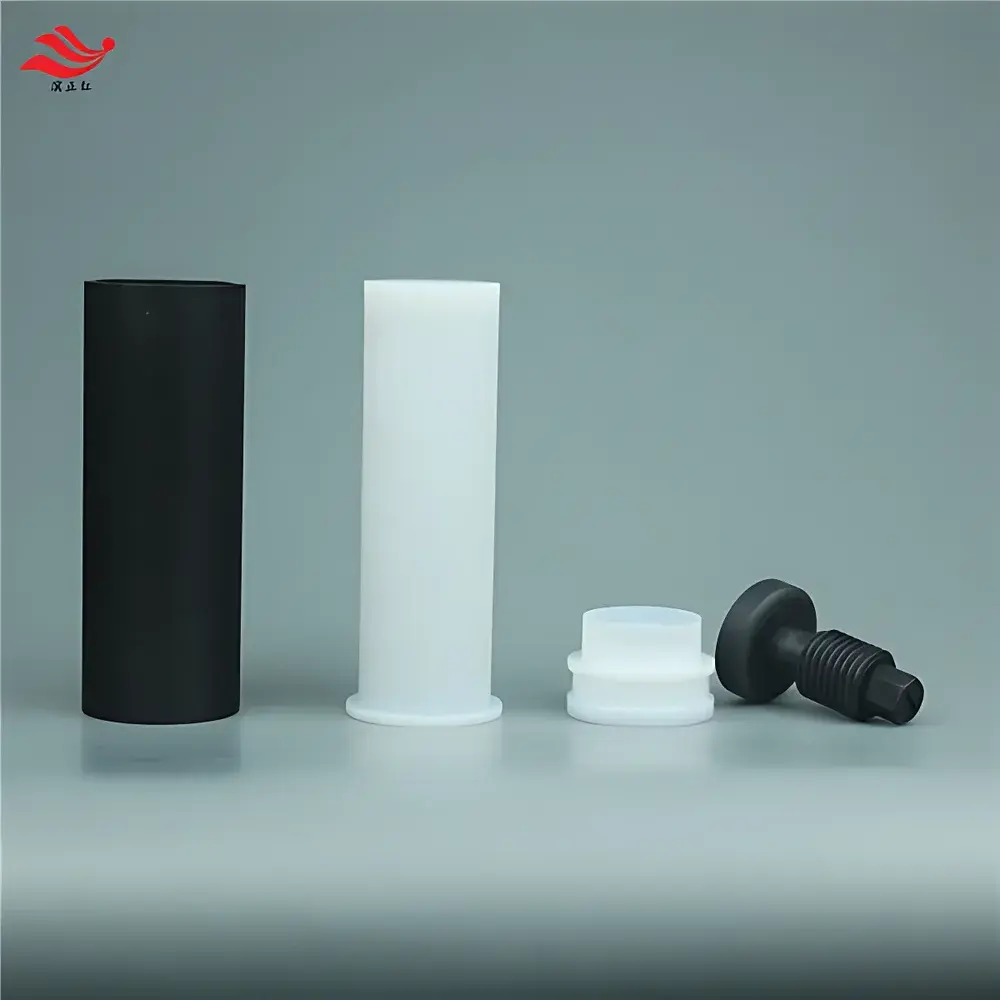
Binzhenghong JUPITER (A/B) Series 100 mL TFM-Lined Microwave Digestion Vessels
| Brand | Binzhenghong |
|---|---|
| Origin | Jiangsu, China |
| Manufacturer Type | OEM Producer |
| Model | JUPITER (A/B) |
| Design Pressure | 15 MPa (2200 psi) |
| Design Temperature | 300 °C |
| Inner Vessel Capacity | 100 mL |
| Inner Vessel Material | TFM-modified Polytetrafluoroethylene |
| Outer Vessel Material | High-Strength Aerospace-Grade Composite Fiber |
| Rotor Compatibility | 10-position or 12-position JP-100 rotors |
| System Compatibility | JUPITER BF and JUPITER BC microwave digestion systems |
Overview
The Binzhenghong JUPITER (A/B) Series 100 mL Microwave Digestion Vessels are engineered for high-pressure, high-temperature closed-vessel sample preparation in trace metal analysis, environmental testing, food safety, and geochemical laboratories. Designed around Couette-flow–optimized rotor dynamics and pressure-controlled microwave energy coupling, these vessels operate within a rigorously validated thermal–mechanical envelope—up to 15 MPa and 300 °C—to ensure complete acid dissolution of refractory matrices including silicates, alloys, polymers, and biological tissues. The TFM (tetrafluoroethylene–perfluoroalkyl vinyl ether copolymer) inner liner provides superior chemical inertness over standard PTFE, resisting aggressive mixtures such as HNO₃/HF, aqua regia, and HClO₄ under microwave irradiation. Each vessel integrates into the JUPITER BF and BC platform’s real-time pressure/temperature monitoring architecture, enabling full compliance with ISO/IEC 17025 method validation requirements for digestion efficiency and blank integrity.
Key Features
- TFM-lined inner vessels offering enhanced resistance to HF, hot concentrated acids, and oxidative reagents—critical for ICP-MS and ICP-OES sample introduction
- Autoclave-rated outer containment shells fabricated from aerospace-grade composite fiber, delivering structural integrity at sustained 15 MPa operating pressure
- Modular rotor compatibility: supports both 10-position JP-100 alloy rotors (JUPITER BC) and 12-position JP-100 high-strength rotors (JUPITER BF)
- Interchangeable A/B configuration: “A” variant optimized for rapid ramp protocols; “B” variant engineered for extended hold-time applications requiring thermal homogeneity across all 12 positions
- Zero-metal leaching design validated per ASTM D5683 and USP / elemental impurity guidelines
Sample Compatibility & Compliance
These digestion vessels accommodate solid, semi-solid, and viscous samples—including soils, sediments, plant tissues, pharmaceutical excipients, and metallurgical slags—within defined mass-to-volume constraints (e.g., ≤0.5 g sample in 100 mL TFM cavity). All components comply with GLP documentation standards for traceability: each vessel batch is supplied with CoA certifying residual metal content (<0.1 ng/g Cr, Ni, Cu, Zn, Pb), dimensional tolerance (±0.05 mm inner diameter), and burst-test verification at 2.5× design pressure (37.5 MPa). The system meets ISO 21647:2021 requirements for microwave-assisted digestion apparatus and supports audit-ready workflows aligned with FDA 21 CFR Part 11 electronic record controls when paired with JUPITER’s native software.
Software & Data Management
When operated on JUPITER BF or BC platforms, the vessels interface with proprietary firmware that logs per-vessel pressure/temperature profiles, microwave power modulation history, and cooling phase kinetics. Raw data export supports CSV and .dx format for integration into LIMS environments. Audit trails include operator ID, timestamped parameter changes, and automated pass/fail flags for digestion completeness (based on post-run optical clarity assessment per EPA Method 3052 criteria). Software-defined method templates enforce SOP adherence—e.g., mandatory 5-min pre-digestion equilibration and ≥10-min post-reaction stabilization prior to venting.
Applications
- Regulatory compliance testing: EPA 3051A, 3052, and EN 13656 for heavy metals in consumer products and waste streams
- Pharmaceutical quality control: Residual catalyst quantification (Pd, Pt, Rh) in active pharmaceutical ingredients per ICH Q2(R2)
- Geochemical reference material digestion: Certified reference materials (CRMs) such as NIST SRM 2711a and GBW 07405
- Food and feed analysis: Total As, Cd, Hg, and Pb determination per AOAC 999.10 and ISO 17294-2
- Materials science: Leachate analysis of nanomaterials and battery cathode precursors under simulated aging conditions
FAQ
What is the maximum recommended sample mass for 100 mL TFM vessels?
For optimal digestion efficiency and pressure control, ≤0.5 g dry mass or ≤1.0 g wet tissue is advised—exceeding this may compromise reproducibility and increase risk of incomplete oxidation.
Can these vessels be used with hydrofluoric acid (HF)?
Yes—TFM exhibits significantly higher HF resistance than standard PTFE; however, HF use requires dedicated handling protocols, including calcium gluconate gel availability and post-digestion neutralization per OSHA 1910.1200.
Is rotor-specific calibration required when switching between 10- and 12-position configurations?
Yes—the JUPITER BF and BC systems require rotor-specific calibration files to maintain accurate power distribution modeling; calibration must be performed after any rotor replacement or maintenance event.
How should vessels be cleaned to prevent cross-contamination?
Rinse sequentially with deionized water (≥18.2 MΩ·cm), followed by three rinses with ultrapure water (ASTM Type I); air-dry in Class 100 laminar flow hoods—never use brushes or abrasive cloths.
Are spare parts traceable to manufacturing lot numbers?
Yes—each TFM liner, outer fiber sleeve, and sealing gasket carries a laser-etched serial number linked to raw material certificates and mechanical test reports archived for ≥10 years.





