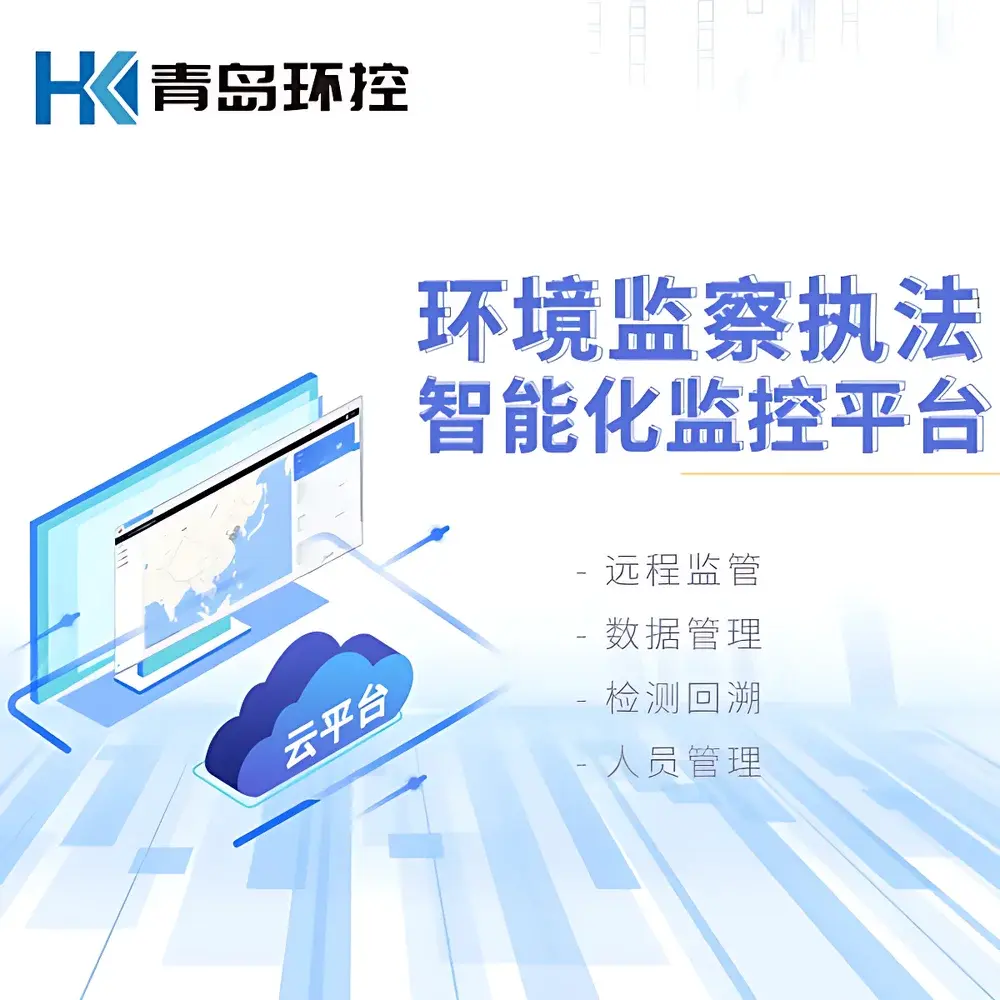
Environmental Monitoring and Law Enforcement Intelligent Surveillance Platform
| Brand | HUANKONG |
|---|---|
| Origin | Shandong, China |
| Manufacturer Type | Direct Manufacturer |
| Regional Classification | Domestic (China) |
| Model | HUANKONG |
| Pricing | Upon Request |
Overview
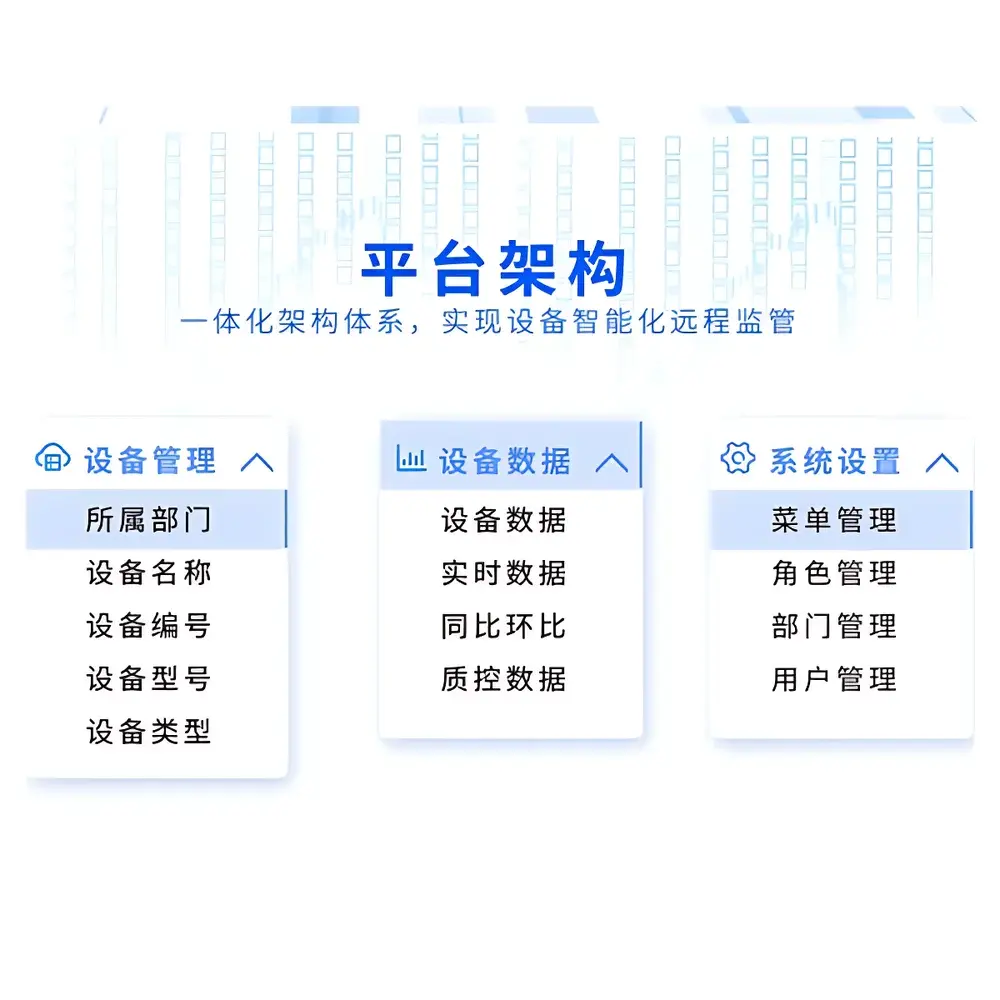
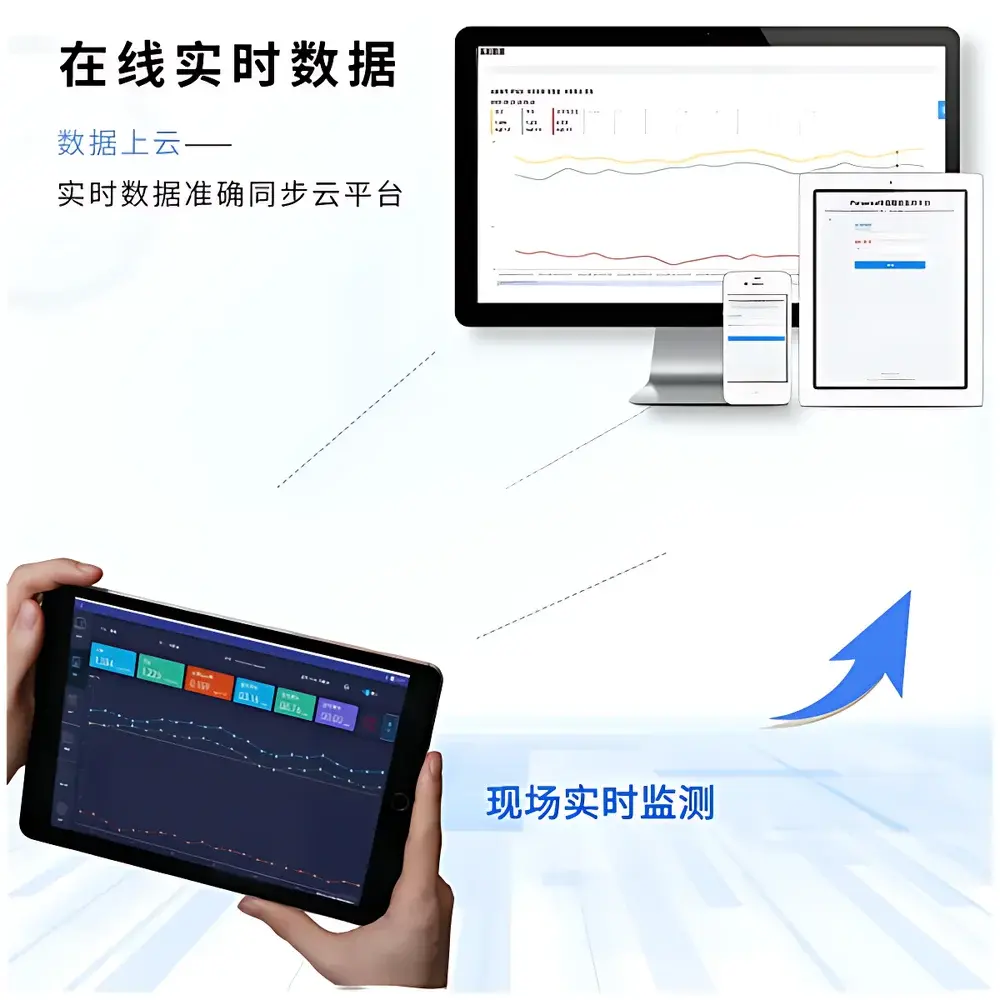
The Environmental Monitoring and Law Enforcement Intelligent Surveillance Platform is a purpose-built Laboratory Information Management System (LIMS) integrated with Instrument IoT architecture, designed to unify environmental data acquisition, regulatory compliance tracking, real-time device telemetry, and enforcement workflow orchestration. Unlike generic LIMS solutions, this platform employs a modular microservices-based architecture to ingest heterogeneous data streams from air quality analyzers, water quality sensors, noise meters, particulate monitors (PM2.5/PM10), VOC detectors, and meteorological stations—regardless of manufacturer or communication protocol (Modbus RTU/TCP, MQTT, OPC UA, HTTP REST APIs). It operates on a centralized relational database (PostgreSQL with time-series extensions) backed by role-based access control (RBAC), audit logging, and configurable enforcement rule engines compliant with China’s *Environmental Protection Law*, *Measures for the Administration of Environmental Monitoring Data Quality*, and supporting alignment with ISO/IEC 17025:2017 clause 7.5 (data control) and ISO 14001:2015 Annex A.8.2 (monitoring and measurement).
Key Features
- Multi-vendor instrument integration via standardized drivers and protocol adapters—enabling simultaneous monitoring of >50 device types across distributed field sites and fixed-station laboratories.
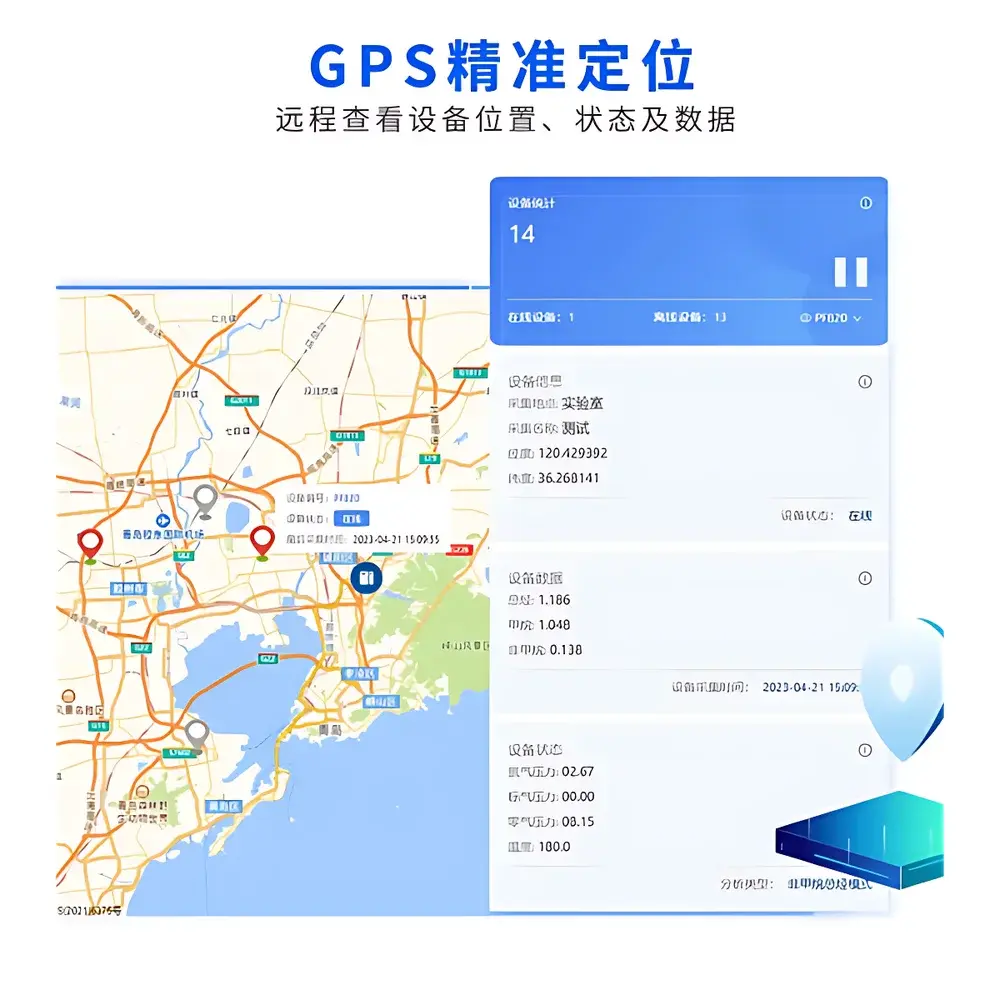
- Real-time geospatial visualization dashboard with GIS layer overlay (supporting WGS84 and CGCS2000 coordinate systems), enabling dynamic hotspot mapping, plume dispersion modeling inputs, and spatial correlation of exceedance events.
- Automated violation detection engine: Configurable threshold rules (e.g., hourly NO₂ > 200 µg/m³, 24-hr PM10 > 150 µg/m³) trigger tiered alerts (email/SMS/webhook) and auto-generate preliminary enforcement reports compliant with MEP Document No. 69 (2017).
- Chain-of-custody digital log: Timestamped, tamper-evident records for sample collection, instrument calibration, maintenance logs, and analyst sign-offs—fully traceable for GLP-aligned audits.
- Workflow automation modules for routine tasks: permit renewal scheduling, inspection checklist deployment, nonconformance reporting (NCR), and corrective action tracking (CAPA) with SLA timers and escalation paths.
- Secure API gateway supporting FHIR-compatible data exchange with provincial ecological environment departments’ unified supervision platforms and national EIA (Environmental Impact Assessment) databases.
Sample Compatibility & Compliance
The platform does not process physical samples; instead, it manages metadata, analytical results, and contextual environmental measurements originating from certified field instruments and accredited laboratory analyzers. All ingested data undergoes validation against pre-defined uncertainty thresholds and QC flagging logic (e.g., drift correction alerts, duplicate reading rejection, outlier detection via IQR method). It supports full traceability to CNAS-CL01:2018 (equivalent to ISO/IEC 17025) requirements for data integrity, including electronic signature implementation per GB/T 25069–2010 (Information Security Technology – Terminology). Export formats include PDF/A-2b (for archival), CSV (with UTF-8 encoding and BOM), and XML conforming to China’s *Environmental Monitoring Data Transmission Standard* (HJ 212–2017).
Software & Data Management
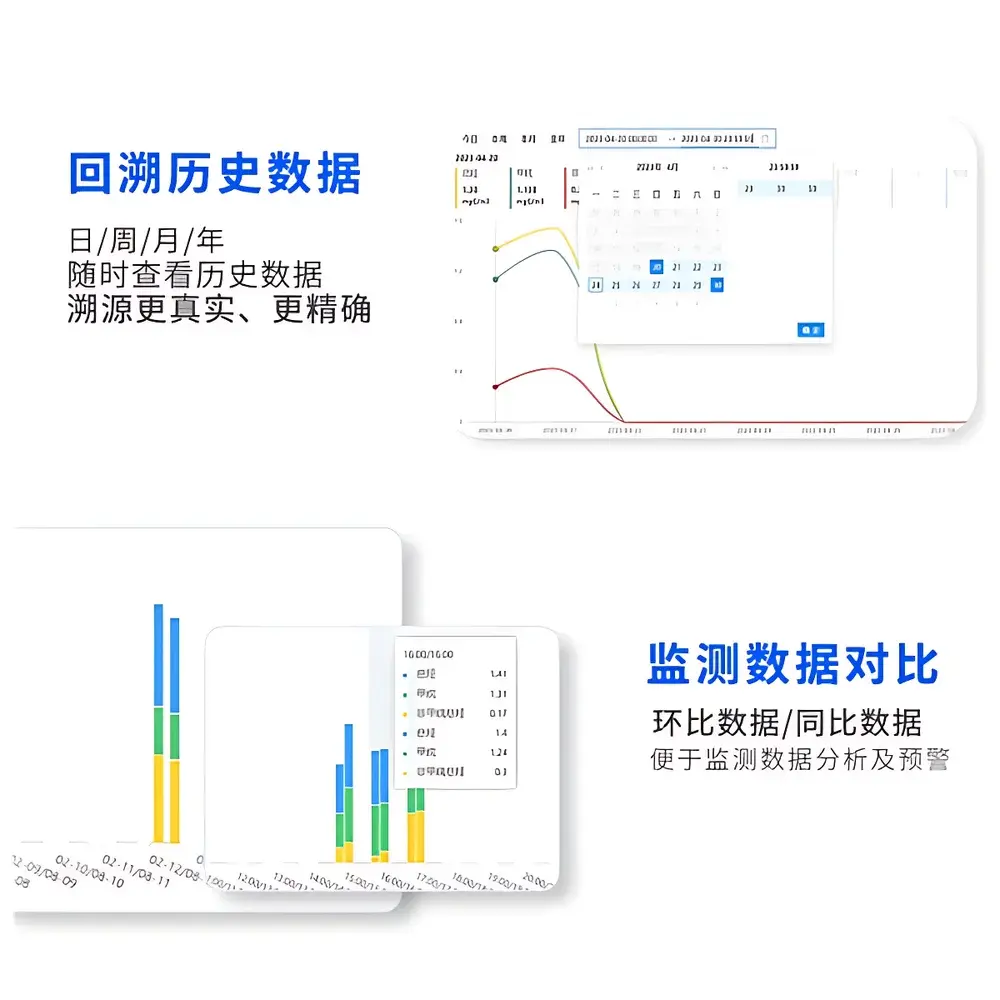
Deployed as a containerized application (Docker + Kubernetes orchestration), the platform supports on-premise, private cloud, and hybrid infrastructure models. Data retention policies are configurable per regulatory jurisdiction—supporting automatic archiving to object storage (S3-compatible) after 5 years, with cryptographic hashing (SHA-256) applied to all stored records. Audit trails capture user identity, timestamp, IP address, and action type (e.g., “User ID 721 modified calibration record for Site A–NOx Analyzer on 2024-03-18T14:22:05Z”) with immutable storage in write-once-read-many (WORM) mode. The system includes built-in backup verification and disaster recovery testing scripts aligned with GB/T 20988–2007 (Information Security Technology – Guidelines for Disaster Recovery of Information Systems).
Applications
- Provincial and municipal ecological environment bureaus conducting routine supervisory monitoring and rapid response to pollution incidents.
- Third-party environmental testing institutions managing multi-client project workflows while maintaining separation of duties and data sovereignty.
- Industrial park environmental management offices performing continuous emissions monitoring (CEMS) integration, fugitive emission tracking, and compliance dashboarding for internal EHS governance.
- Research institutes engaged in ambient air/water quality trend analysis, model validation, and policy impact assessment using longitudinal datasets exported with metadata provenance.
- Environmental law enforcement teams deploying mobile inspection apps synchronized with backend platform—capturing photos, GPS coordinates, and annotated observations directly into case files.
FAQ
Does the platform support integration with legacy environmental monitoring hardware?
Yes—through configurable protocol translators and custom driver development services, the platform interfaces with legacy devices using RS-485/232 serial outputs, analog 4–20 mA signals, and older Modbus implementations.
Is the system validated for use in regulated environments requiring 21 CFR Part 11 compliance?
While primarily aligned with Chinese regulatory frameworks (MEP, CNAS, SAMR), the platform’s electronic signature, audit trail, and data integrity controls can be extended to meet FDA 21 CFR Part 11 requirements via supplementary configuration and validation documentation.
Can users define custom reporting templates for enforcement actions?
Yes—report templates are built using a WYSIWYG editor with conditional logic, dynamic field population, and export to PDF/Word with embedded digital signatures.
What level of cybersecurity certification has the platform undergone?
The platform conforms to China’s Multi-Level Protection Scheme (MLPS) Level 3 requirements and has passed penetration testing per GB/T 28448–2019, with annual third-party security assessments conducted by certified evaluation agencies.
Is source code access available for government clients?
Source code escrow and on-site source review are available under signed agreements for provincial-level ecological environment departments meeting specific procurement criteria.