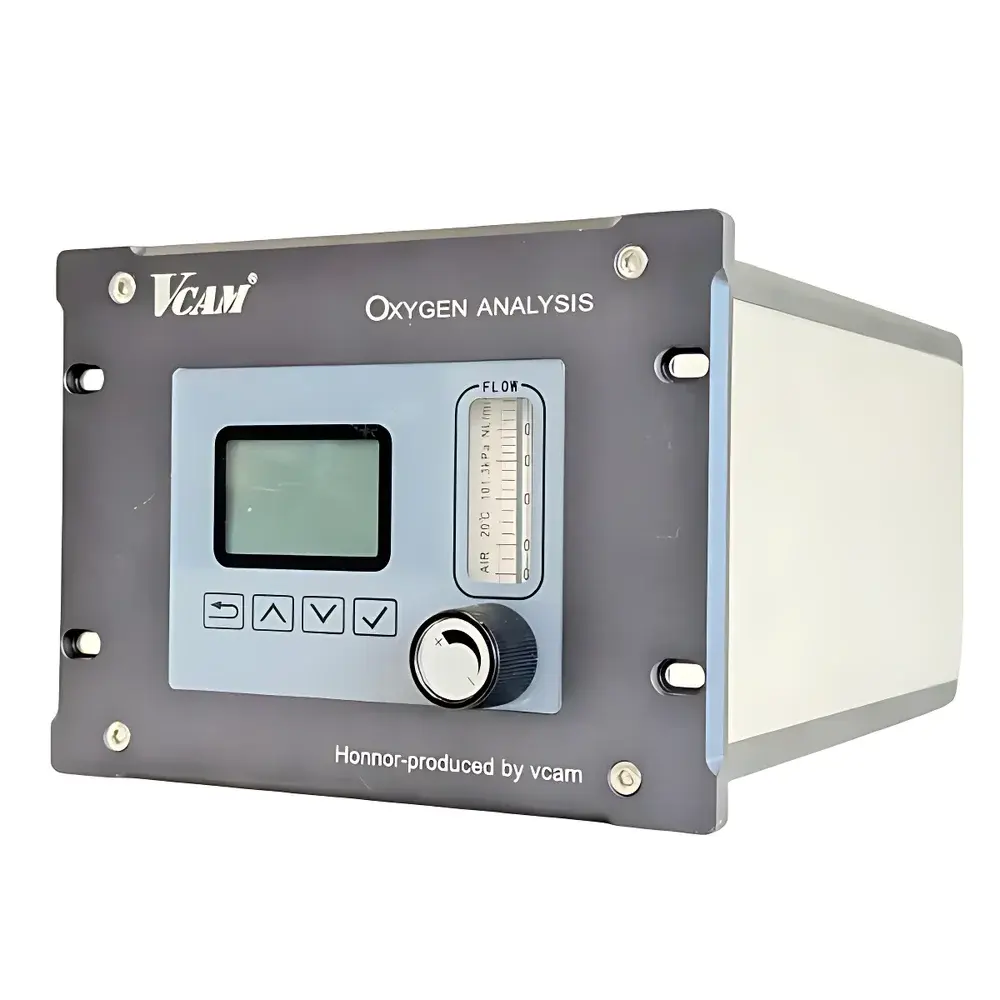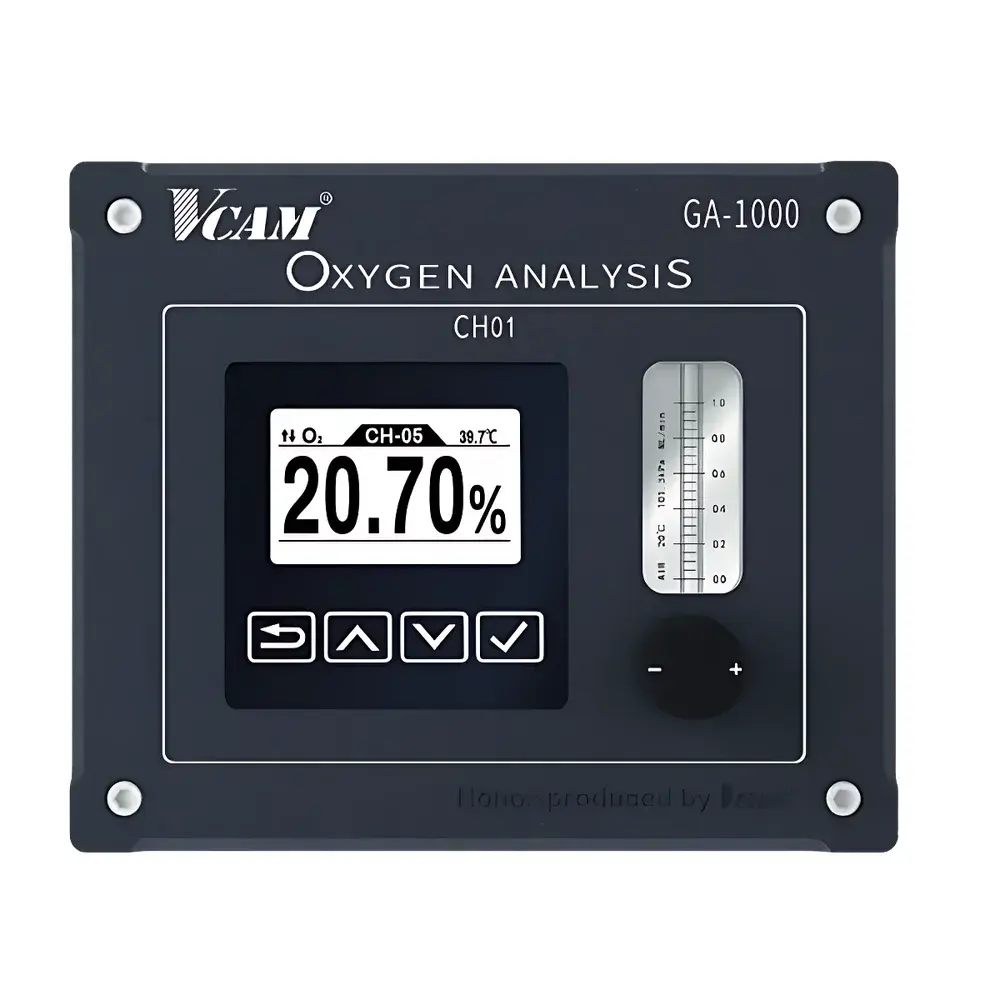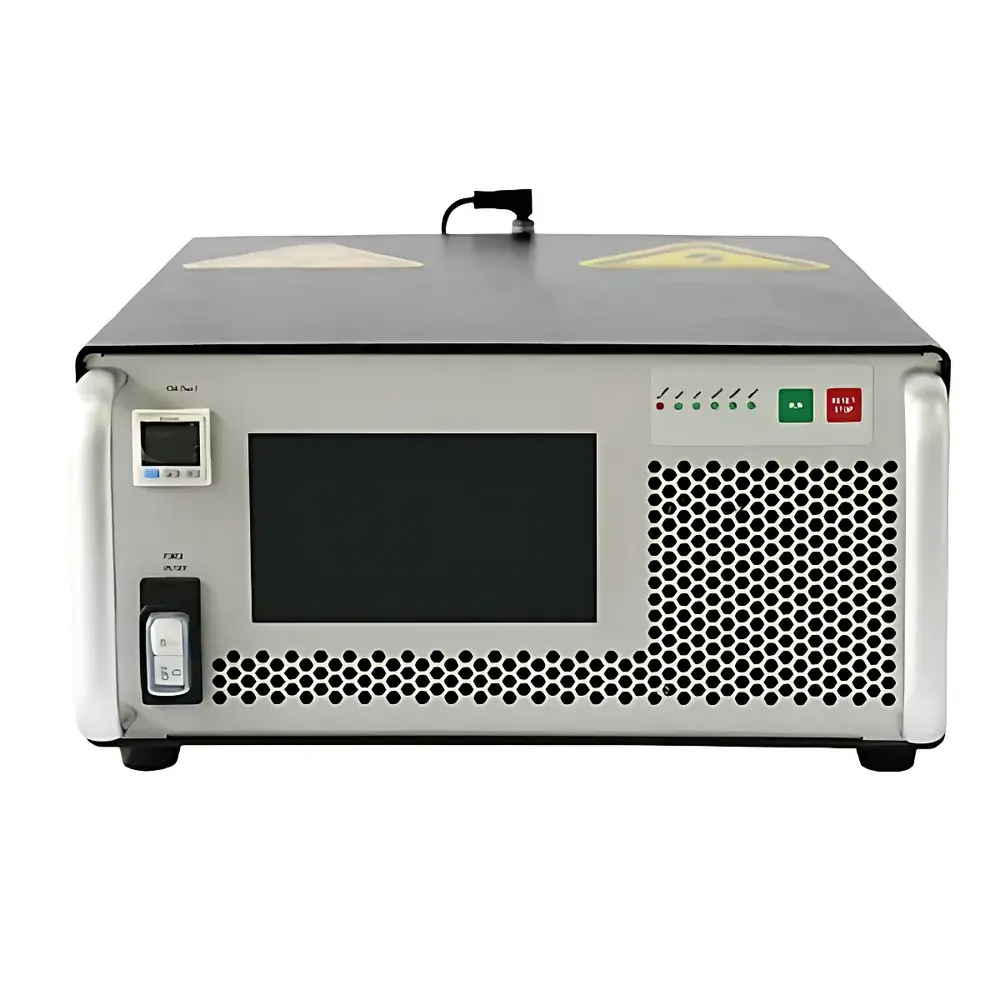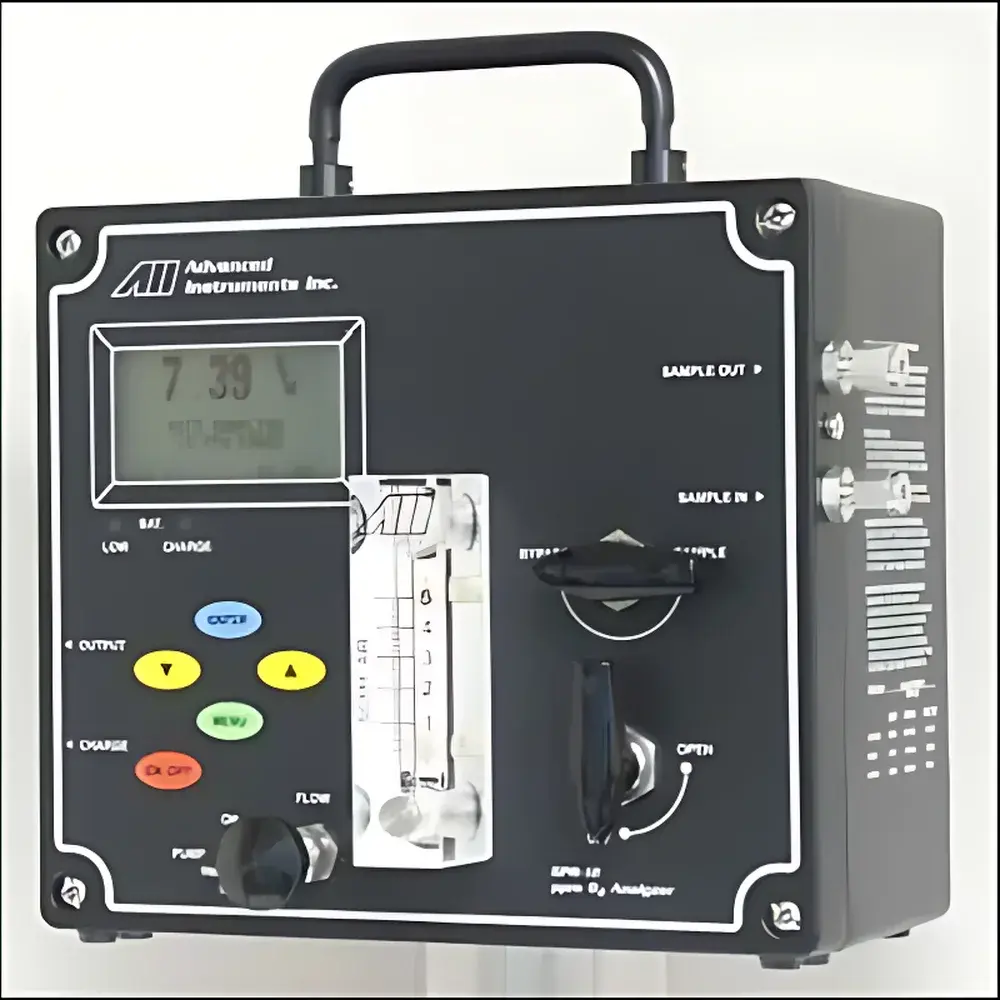
AII GPR-1200 Electrochemical Oxygen Analyzer
| Brand | AII |
|---|---|
| Origin | USA |
| Model | GPR-1200 |
| Measurement Range | 0–10 ppm, 0–100 ppm, 0–1,000 ppm, 0–1% O₂, 0–25% O₂ |
| Accuracy | <±1% of reading under stable conditions |
| Resolution | 0.01 ppm |
| Response Time (T₉₀) | 10 seconds |
| Operating Temperature | 5–45 °C |
| Sample Flow Rate | 0.5–5 SCFH (recommended: 2 SCFH) |
| Inlet Pressure | 5–30 psig (max 100 psig) |
| Outlet Pressure | ambient |
| Barometric & Temperature Compensation | yes |
| Power Source | rechargeable battery (60-day runtime per charge) |
| Output Signals | 4–20 mA, 0–1 V analog |
| Sample Compatibility | H₂, He, CO₂, hydrocarbons, inert gases, and mixed process gases |
| Enclosure Rating | Class I, Division 1, Groups A, B, C, D (UL/cUL listed) |
| Dimensions | 9.6" × 9" × 3" (L×W×H) |
| Weight | 12 lbs (≈5.4 kg) |
| Connection | 1/8" Swagelok compression fitting |
| Data Interface | analog only (no digital bus) |
Overview
The AII GPR-1200 Electrochemical Oxygen Analyzer is a field-deployable, intrinsically safe instrument engineered for continuous, high-sensitivity oxygen monitoring in demanding industrial process environments. It employs a galvanic electrochemical sensor cell—operating on the principle of oxygen diffusion through a selective membrane to drive a current proportional to partial pressure—enabling stable, drift-free measurement across five decades of concentration (0–10 ppm to 0–25% O₂). Unlike paramagnetic or zirconia-based analyzers, the GPR-1200 delivers sub-ppm resolution without requiring heated sample lines, purge gas, or complex calibration routines. Its design targets applications where trace-level O₂ detection is critical to process safety, product purity, or reaction control—including inerting systems, glove boxes, semiconductor fabrication purge loops, and hydrogen-rich fuel gas streams.
Key Features
- Five selectable measurement ranges with automatic range switching and seamless zero/span verification capability
- True 0.01 ppm resolution at low-range settings, supported by temperature- and barometric-pressure compensation algorithms embedded in firmware
- Class I, Division 1, Groups A, B, C, D hazardous area certification—certified for direct installation in explosive atmospheres without external barriers
- Rechargeable lithium-ion battery pack providing up to 60 days of continuous operation on a single charge—ideal for remote or mobile deployment
- Robust mechanical architecture featuring stainless steel wetted parts, 1/8″ Swagelok-compatible inlet/outlet fittings, and IP65-rated enclosure
- Analog output interface supporting industry-standard 4–20 mA (HART-enabled optional) and 0–1 V signals for integration into DCS, PLC, or SCADA systems
- Optimized gas dynamics: fixed-flow design with internal laminar flow restrictor ensures consistent residence time and minimizes pressure drop sensitivity
Sample Compatibility & Compliance
The GPR-1200 is validated for use with non-corrosive, non-condensing process gases including hydrogen, helium, carbon dioxide, nitrogen, argon, methane, ethane, and their binary or multi-component mixtures. It is not rated for use with halogenated compounds, strong oxidizers (e.g., Cl₂, NOₓ), or vapors containing condensable hydrocarbons above dew point. All sensor modules comply with ASTM D6349–22 (Standard Practice for Determination of Oxygen in Gaseous Samples by Electrochemical Sensors) and are calibrated per ISO/IEC 17025-accredited procedures. The analyzer meets UL 913 (4th Ed.) and CSA C22.2 No. 157 requirements for intrinsic safety. Documentation includes full traceability to NIST-traceable standards, and factory calibration certificates are supplied with each unit.
Software & Data Management
The GPR-1200 operates as a stand-alone, microprocessor-controlled analyzer with no embedded operating system or user-accessible software stack. Configuration and diagnostics are performed via front-panel push-button interface with LED status indicators. Analog outputs provide real-time, unfiltered process values suitable for regulatory data logging systems compliant with FDA 21 CFR Part 11 when paired with validated third-party historian platforms. While the device itself does not store historical data or support digital communication protocols (e.g., Modbus, Ethernet/IP), its 4–20 mA output is compatible with most industrial data acquisition systems configured for analog input validation, linearization, and audit-trail generation per GLP/GMP requirements.
Applications
- Inert gas blanketing control in petrochemical storage tanks and reactors
- Oxygen leak detection in hydrogen-cooled turbine generators and fuel cell test benches
- Monitoring residual O₂ in modified atmosphere packaging (MAP) gas mixtures prior to sealing
- Quality assurance of cryogenic liquid nitrogen deliveries via vapor-phase headspace analysis
- Verification of deoxygenation efficiency in boiler feedwater treatment and closed-loop cooling systems
FAQ
Does the GPR-1200 require periodic recalibration?
Yes—electrochemical sensors exhibit gradual signal decay; AII recommends quarterly span calibration using certified zero air and span gas (e.g., 100 ppm O₂ in N₂) per manufacturer guidelines.
Can the analyzer operate continuously at 45 °C ambient temperature?
Yes—the electronics and sensor housing are thermally rated for continuous operation from 5 to 45 °C; however, extended exposure above 40 °C may reduce sensor service life and should be mitigated with shading or ventilation.
Is the 4–20 mA output isolated?
Yes—the analog output is fully galvanically isolated from power and ground, supporting loop-powered configurations and eliminating ground-loop interference in distributed control systems.
What maintenance is required beyond calibration?
Routine inspection of the inlet filter (if installed), verification of flow rate via integrated rotameter (when equipped), and annual sensor replacement—typical sensor lifetime is 18–24 months depending on cumulative O₂ exposure and operating temperature.
Can the GPR-1200 measure oxygen in wet gas streams?
No—condensable moisture will damage the electrochemical cell; sample gas must be dried to a dew point ≤ –20 °C prior to entry, typically via Peltier cooler or desiccant dryer upstream of the analyzer.
Related Products