
CEL-SPS1000 Surface Photovoltage Spectrometer (SPV/SPC/SPS)
| Brand | CEAJIN |
|---|---|
| Origin | Beijing, China |
| Manufacturer Type | Direct Manufacturer |
| Regional Category | Domestic (China-made) |
| Model | CEL-SPS1000 |
| Price | USD 49,800 (FOB Beijing) |
Overview
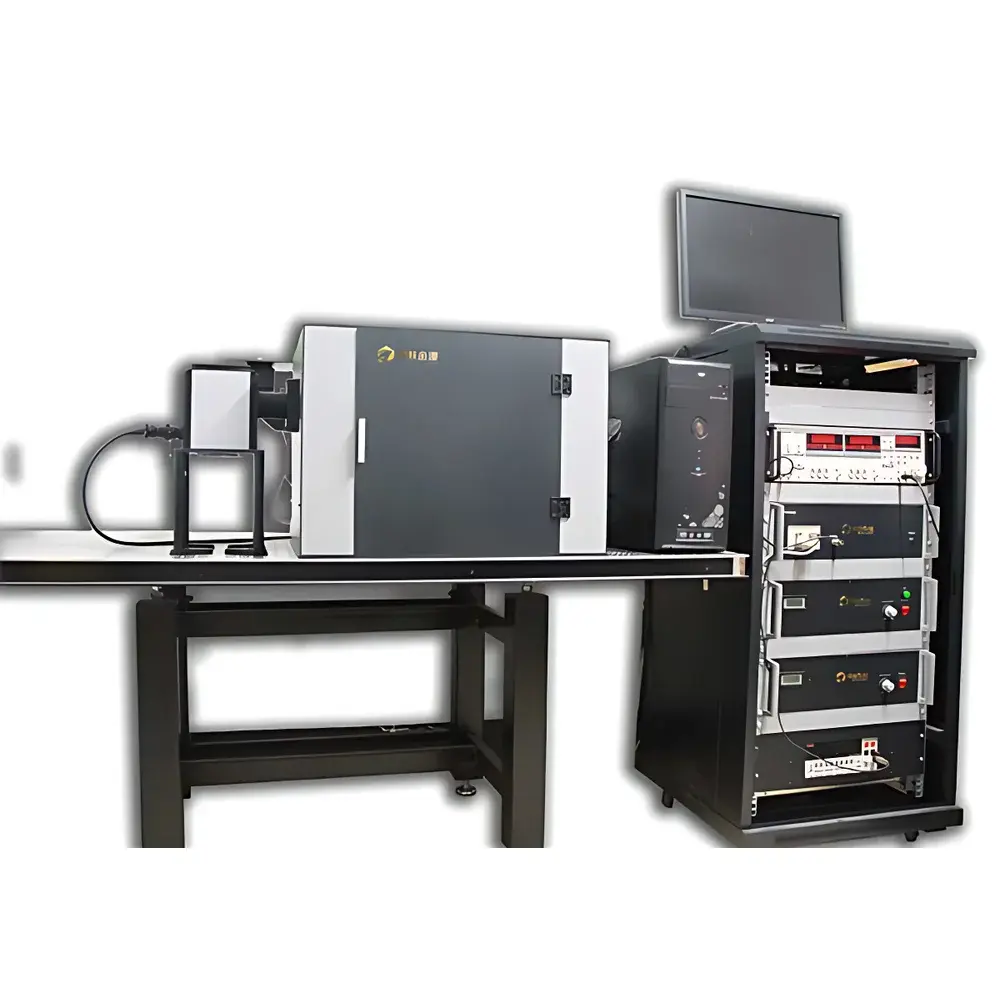
The CEL-SPS1000 Surface Photovoltage Spectrometer is a high-sensitivity, modular optical platform engineered for quantitative characterization of surface photovoltage (SPV), surface photocurrent (SPC), and photovoltage phase spectroscopy (SPS) across the full ultraviolet–near-infrared spectral range (200–1600 nm). Based on the principle of field-induced surface photovoltage detection—where incident monochromatic light generates non-equilibrium charge carriers at or near the surface of semiconducting or photoactive materials—the instrument measures minute changes in surface potential (≥10 nV) or photocurrent (≥10 pA) induced by modulated illumination. This technique provides direct, non-contact, non-destructive insight into surface electronic structure, interfacial charge separation dynamics, carrier diffusion directionality, and defect-state energetics within the top ~10–50 nm of a sample. Unlike bulk-sensitive methods such as conventional UV-Vis absorption or photoluminescence, SPV spectroscopy isolates surface/interface phenomena with exceptional selectivity, making it indispensable for studying heterojunctions, quantum dot assemblies, organic-inorganic hybrids, and catalytic interfaces under ambient or controlled-atmosphere conditions.
Key Features
- Triple-mode acquisition: Simultaneous or sequential measurement of surface photovoltage (SPV), surface photocurrent (SPC), and phase-resolved photovoltage spectra (−180° to +180°)
- Ultra-broad spectral coverage: 200–1600 nm via integrated xenon (200–1100 nm), halogen (400–1600 nm), and deuterium (190–400 nm) light sources with automated source selection
- High-resolution monochromator: 300 mm focal length, asymmetric horizontal Czerny-Turner design, 55 × 55 mm ruled grating, spectral resolution ≤0.1 nm, wavelength accuracy ±0.1 nm, minimum step size 0.0023 nm
- Low-noise signal detection: Stanford Research Systems lock-in amplifier (SR830 or equivalent) with 1 mHz–102.4 kHz frequency range, >100 dB dynamic reserve, 0.01° phase resolution, and time constants from 10 µs to 30 ks
- Optimized optical architecture: Fully enclosed, light-tight optical path; motorized 6-position filter wheel with standard 185–1600 nm bandpass filters to suppress stray light, especially above 600 nm
- Programmable excitation control: 500 W xenon lamp with software-controlled power adjustment (250–500 W), variable spot size (2–6 mm), and USB/GPIB interfacing for synchronized modulation
- Modulation and synchronization: High-stability chopper (20 Hz–10 kHz, 10-slot rotor, TTL/CMOS I/O, USB remote control) coupled with phase-locked reference signal input to the lock-in amplifier
Sample Compatibility & Compliance
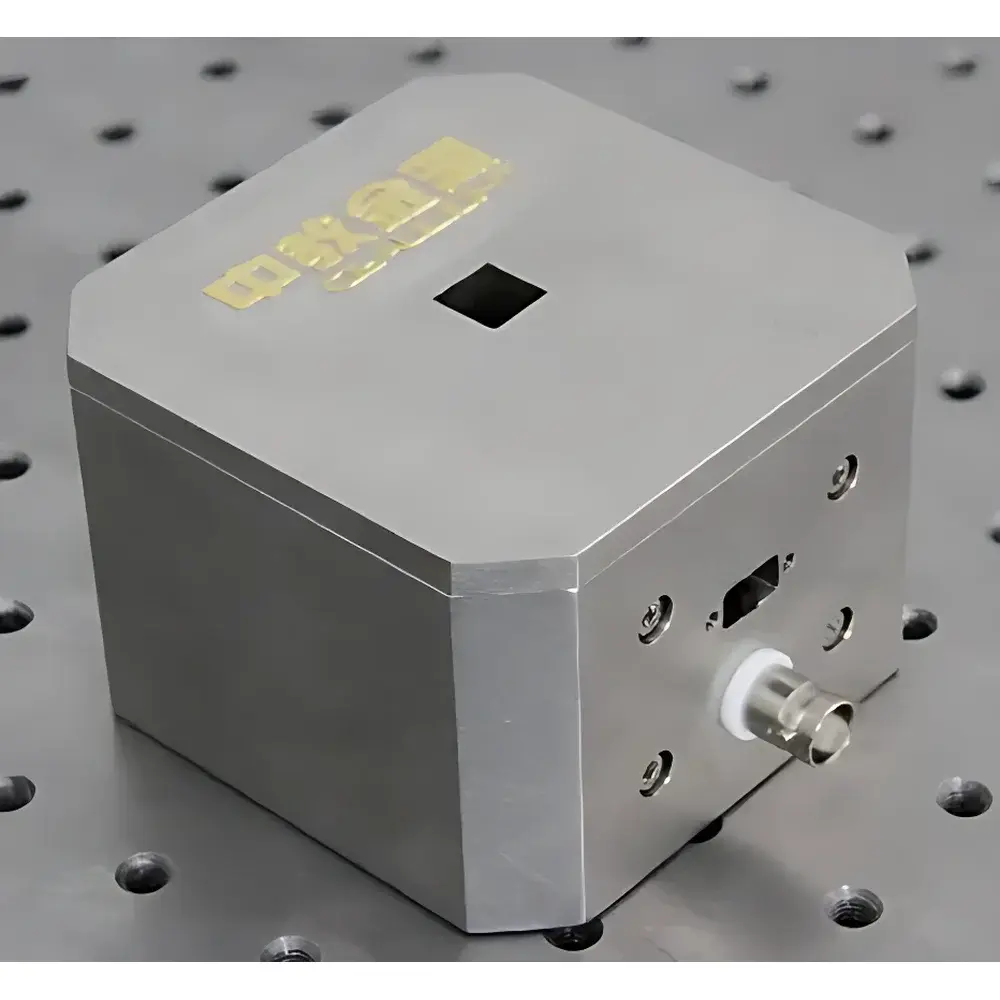
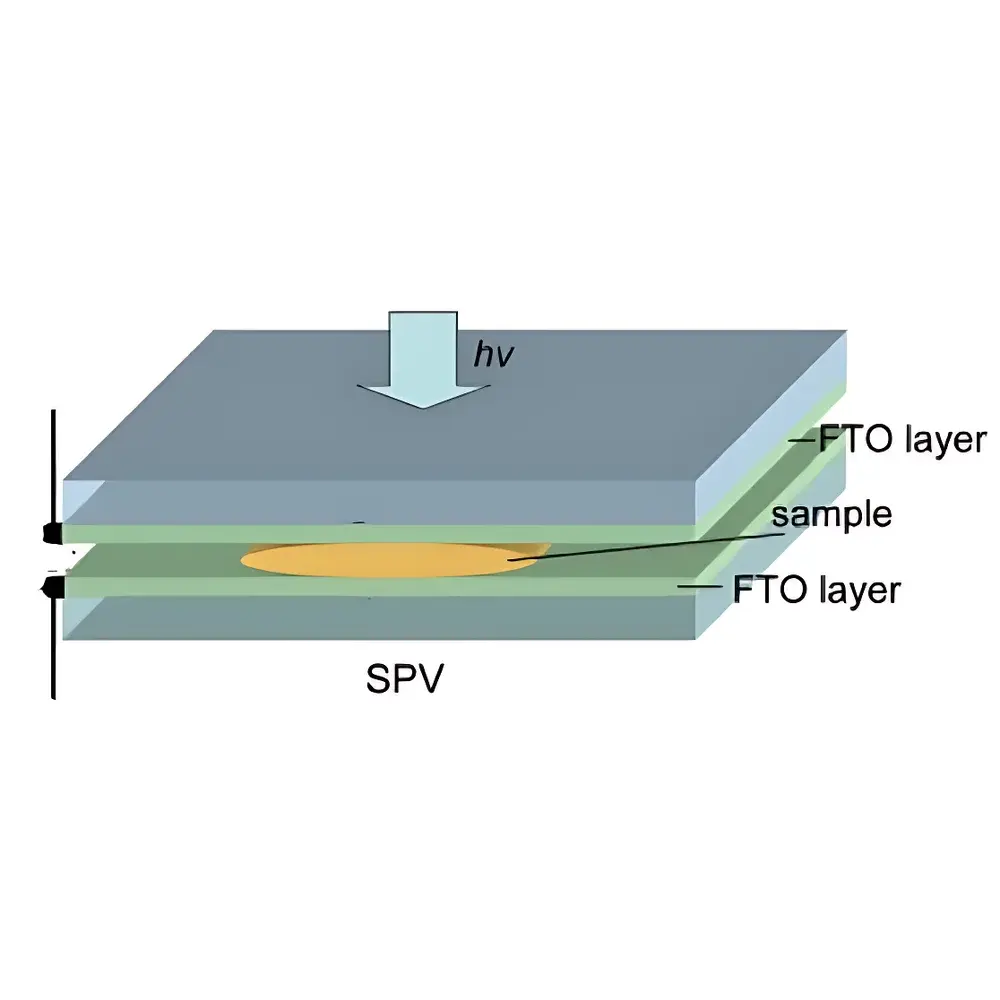
The CEL-SPS1000 supports planar, thin-film, powder-coated, and multilayered samples—including metal oxides (TiO₂, ZnO), chalcogenides (CdS, CdSe, CdTe, GaAs), perovskites, organic semiconductors, and colloidal nanocrystal films—mounted in standardized electrochemical or capacitor-type cells with transparent conducting electrodes (e.g., FTO/ITO). The system accommodates optional external bias application for field-dependent SPV analysis and integrates current-to-voltage conversion for SPC quantification. All optical and electronic subsystems comply with CE electromagnetic compatibility (EMC) directives. Data acquisition protocols support audit-trail generation and metadata tagging, enabling alignment with GLP-compliant laboratory practices. While not pre-certified for FDA 21 CFR Part 11, the software architecture permits configuration of user access controls, electronic signatures, and immutable raw-data export—prerequisites for regulated R&D environments engaged in photovoltaic or photocatalytic material qualification.
Software & Data Management
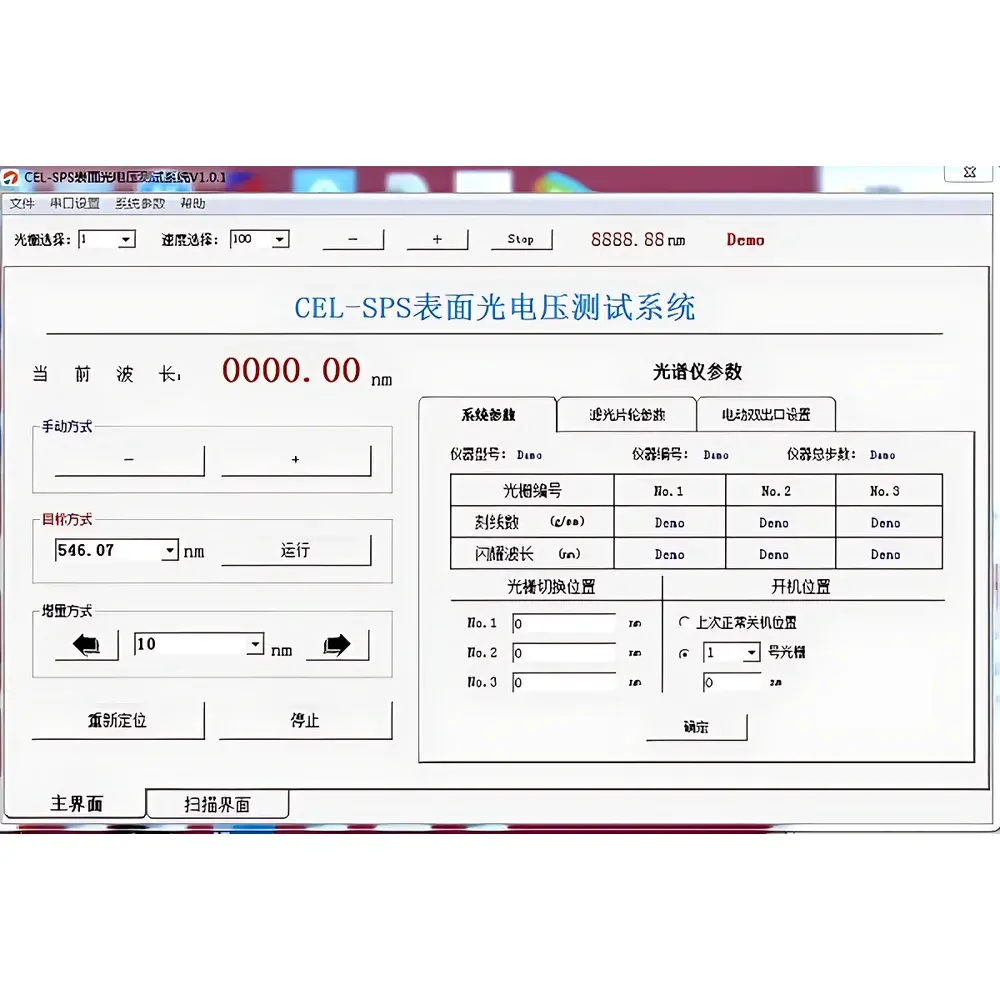
The proprietary control suite provides unified hardware orchestration via USB, GPIB, and RS-232 interfaces. It enables real-time coordination of monochromator wavelength scanning, chopper frequency/phase, light source intensity, and lock-in amplifier parameters—including time constant, sensitivity, and harmonic detection order. Spectral datasets are stored in vendor-neutral ASCII formats (.txt, .csv) with embedded calibration metadata (wavelength, voltage/current units, phase angle, integration time). Batch processing tools allow normalization, baseline correction, derivative calculation, and overlay comparison across multiple samples or experimental conditions. Custom scripting (Python/LabVIEW API support available upon request) facilitates integration into automated material screening workflows. Raw time-domain signals and Fourier-transformed amplitude/phase outputs are preserved for post-acquisition reprocessing using third-party analysis platforms (e.g., OriginPro, MATLAB).
Applications
- Determination of semiconductor doping type (n/p) and surface band bending via field-modulated SPV onset analysis
- Quantitative mapping of surface state energy distribution in nanostructured photoanodes for water splitting
- Interfacial charge transfer kinetics at type-II heterojunctions (e.g., CdTe/CdSe nanocrystal bilayers)
- Correlation of photocarrier lifetime and diffusion length with SPV phase lag under variable chopping frequency
- Mechanistic studies of photocatalytic degradation pathways through wavelength-dependent SPV/SPC action spectra
- Stability assessment of perovskite thin films under operational illumination and bias stress
- Development of optoelectronic standards for emerging photodetector architectures
FAQ
What is the minimum detectable surface photovoltage signal?
The system achieves a noise floor of ≤10 nV under optimized lock-in conditions (1 s time constant, 12 dB/octave roll-off, 1 kHz reference frequency).
Can the CEL-SPS1000 measure both SPV and SPC on the same sample without hardware reconfiguration?
Yes—switching between voltage and current detection modes is software-selectable and requires only electrical reconnection of the sample cell to the appropriate transimpedance or high-impedance input channel.
Is vacuum or inert-gas purging supported during measurement?
The standard dark chamber includes sealed optical ports and gas inlet/outlet fittings compatible with N₂ or Ar purge lines; optional vacuum-compatible sample holders are available.
Does the system support external bias application for Mott–Schottky or field-effect SPV analysis?
Yes—the external electric field module provides programmable DC bias (±100 V, 1 mA max) with galvanic isolation and real-time voltage/current monitoring.
Are calibration certificates provided for the monochromator wavelength scale and photodetector responsivity?
Wavelength calibration is traceable to NIST-standard Hg/Ne emission lines; absolute irradiance calibration (W/m²/nm) is available as an optional add-on service using a NIST-traceable silicon photodiode.



