
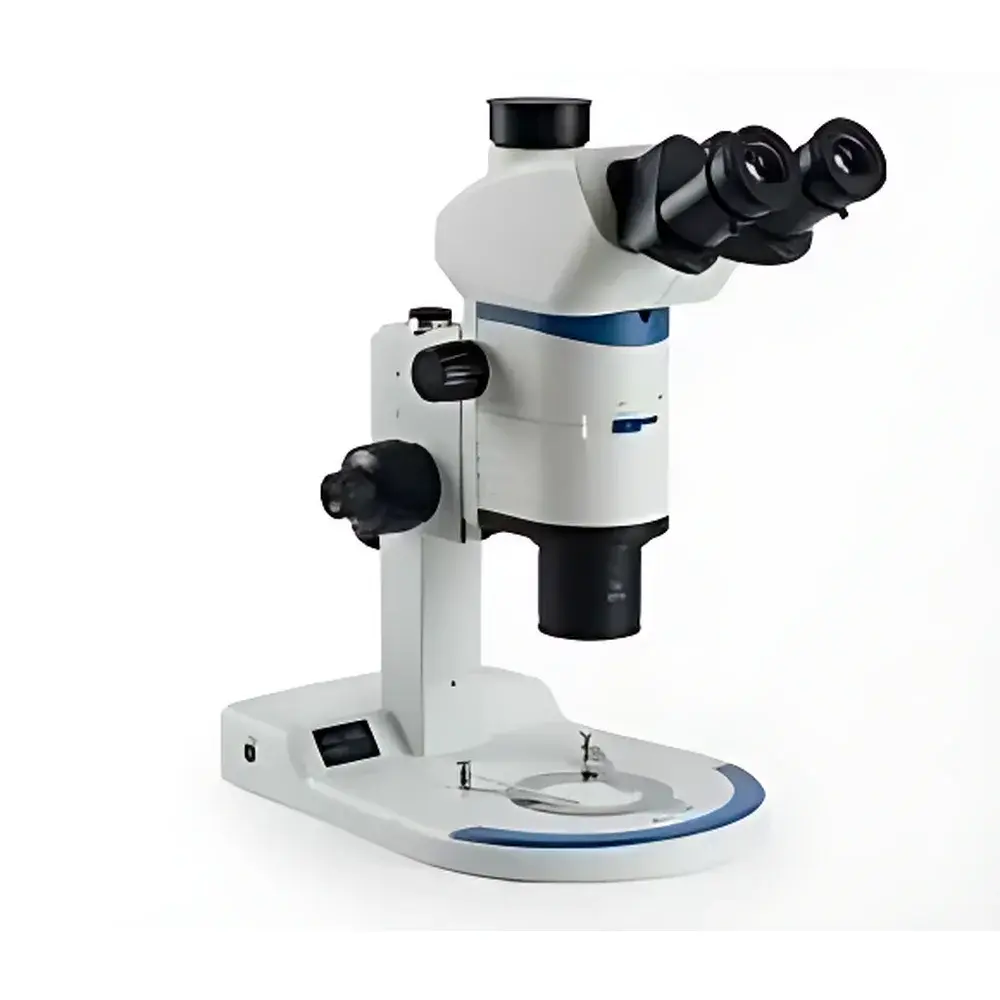
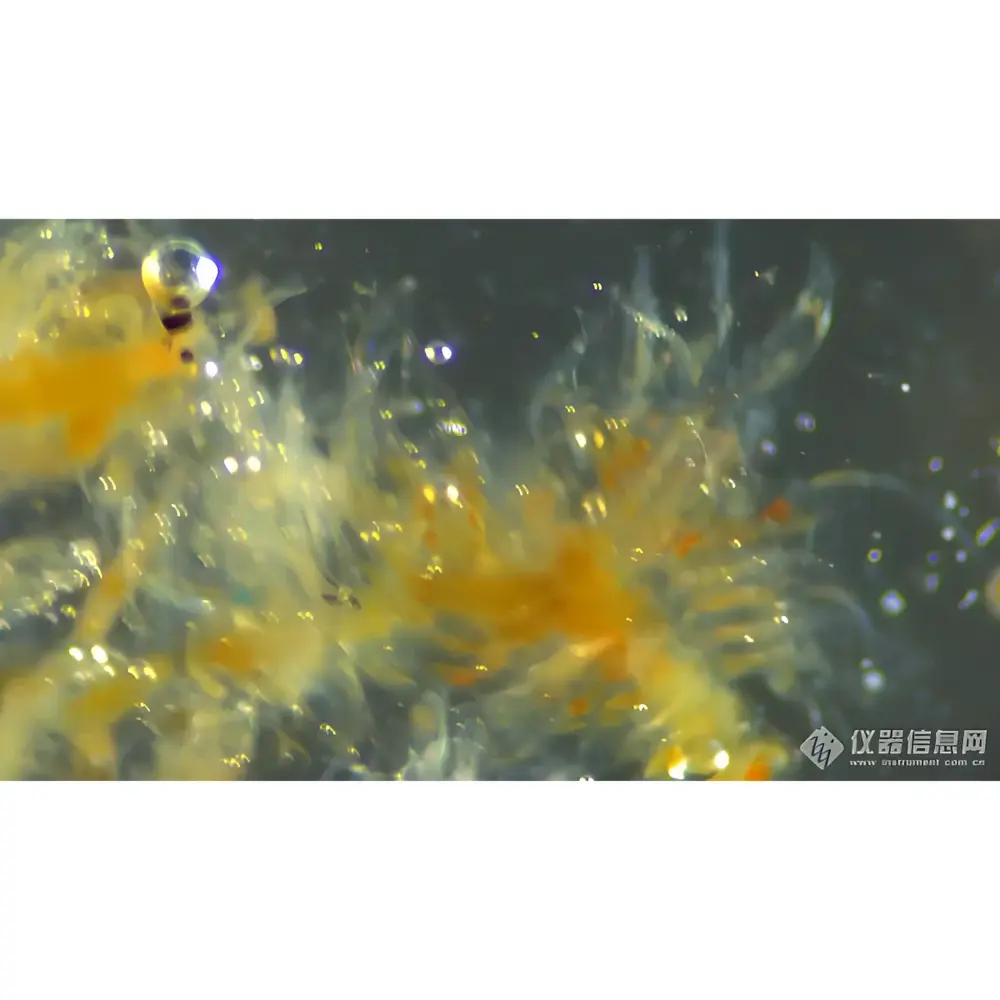
Lei-Tech LK-TSBM In Vivo Fluorescence Stereo Microscope
| Brand | Lei-Tech |
|---|---|
| Origin | Tianjin, China |
| Manufacturer Type | Direct Manufacturer |
| Product Category | Domestic |
| Model | LK-TSBM |
| Instrument Type | Optical Imaging System |
| Optical System | Galilean |
| Total Magnification Range | 6.3×–80× |
| Eyepiece Field of View | 22 mm |
| Objective Working Distance | 80 mm |
| Zoom Ratio | 12.5:1 (0.63×–8×) |
| Illumination | Adjustable Color Temperature LED Ring Light (3000–5600 K), Brightness-Controlled Lower LED Array (144 LEDs), Optional Oblique Illumination |
| Focus Mechanism | Coaxial Coarse/Fine Focus with 50 mm Travel, 2 µm Fine Adjustment Resolution |
| Eyepiece Configuration | Widefield High-Eyepoint WF10×/22 mm, Interpupillary Distance 50–76 mm, Tiltable Trinocular Head (5°–45°), Dual Light Path Selection (100% Binocular or 100% Trinocular) |
| Aperture Diaphragm | Integrated Manual Control |
| Objective Lens | Achromatic Apo-Corrected 1× Main Objective |
| Stage Compatibility | Compatible with LK-TSHWT-60 Heated Stage (Temp. Range: RT–60 °C, Accuracy: ±0.2 °C, Output: 36 V / 50 W) |
| Compliance | Designed for GLP-aligned laboratory workflows |
Overview
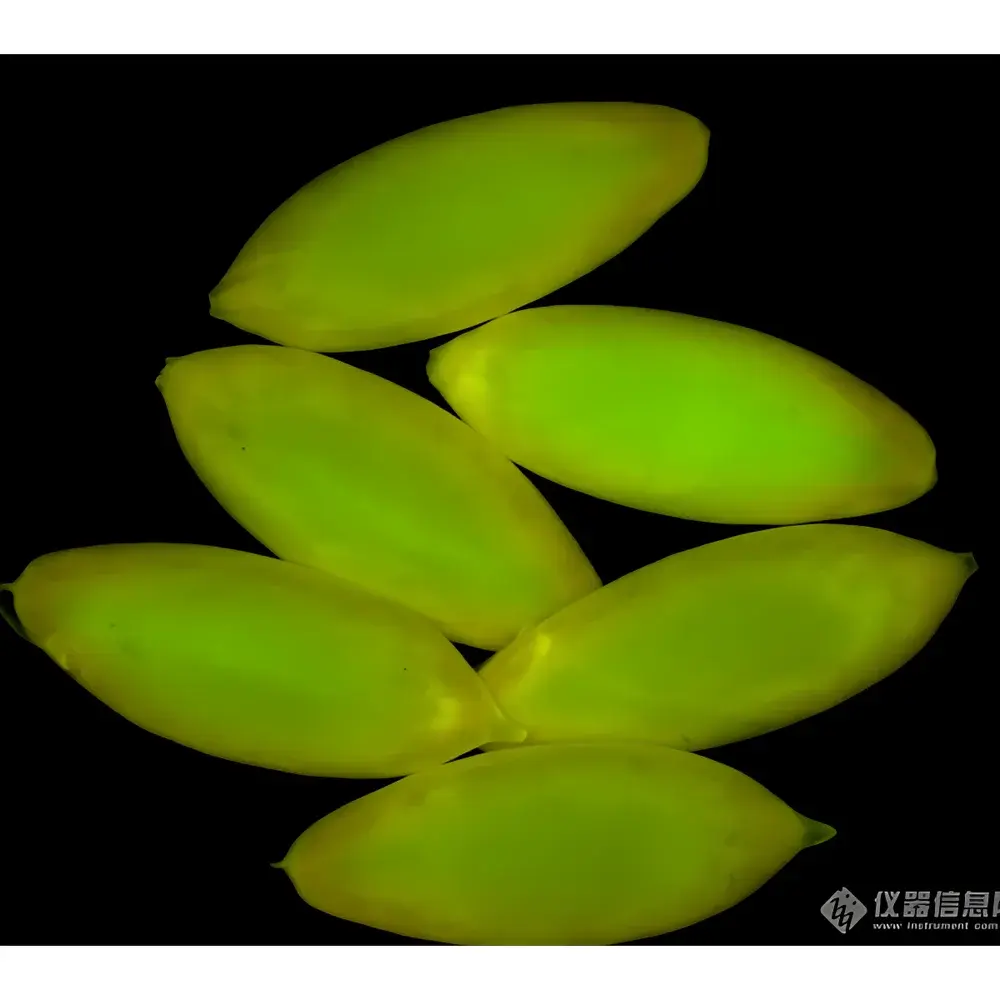
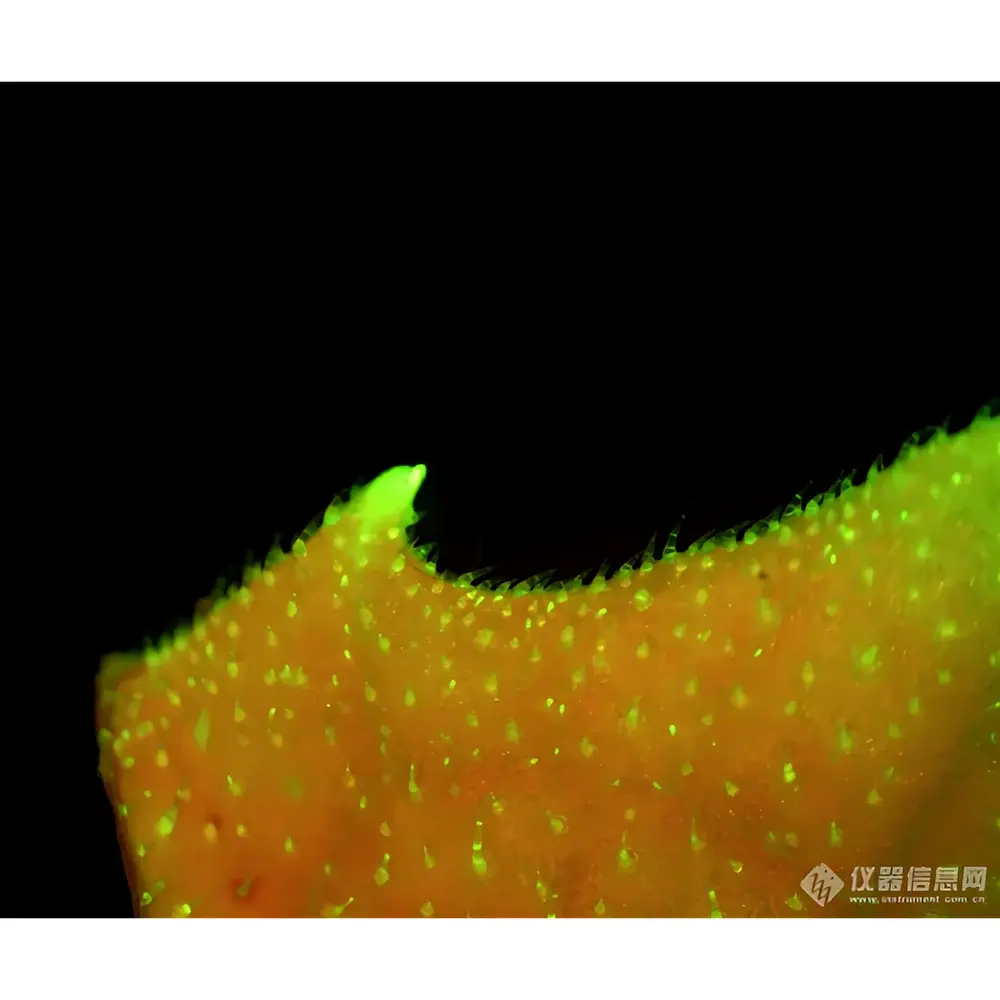
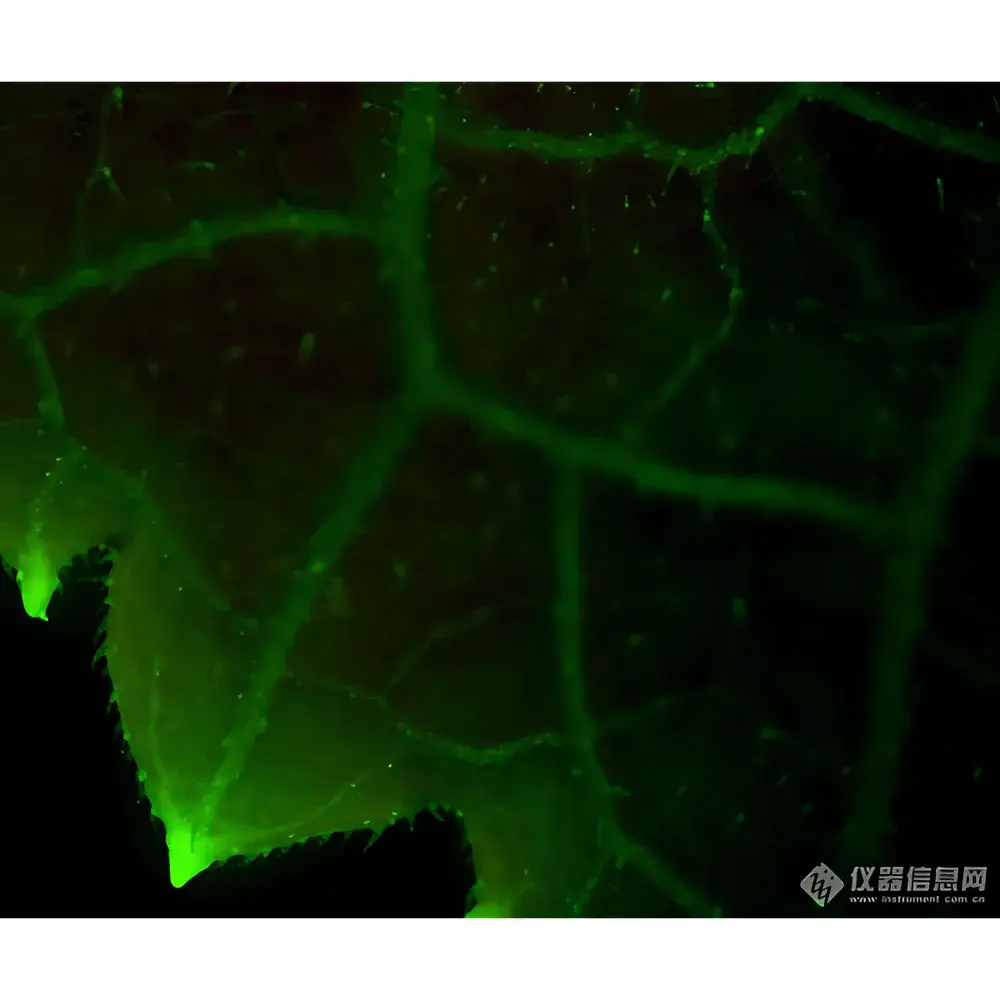
The Lei-Tech LK-TSBM In Vivo Fluorescence Stereo Microscope is an engineered optical platform designed for non-invasive, real-time observation of live biological specimens—including cultured cells, zebrafish embryos, C. elegans, rodent tissues, and small-animal surgical preparations—under physiological conditions. Built around a high-fidelity Galilean optical architecture, the system delivers parallel light paths with minimal optical distortion, enabling true stereoscopic depth perception and flat-field imaging across the entire zoom range. Unlike conventional Greenough-style stereo microscopes, the LK-TSBM’s shared main objective design eliminates lateral chromatic shift and ensures consistent magnification fidelity at all zoom settings. Its modular fluorescence capability integrates excitation/emission filter sets directly into the illumination pathway, supporting standard fluorophores such as DAPI, FITC, TRITC, and Cy5 without cross-channel bleed-through. The microscope is not intended for histological sectioning or fixed-tissue analysis but rather optimized for dynamic, long-duration live-cell imaging where thermal stability, ergonomic accessibility, and spectral fidelity are critical.
Key Features
- Galilean Parallel-Optics Architecture: Shared 1× apochromatically corrected main objective with dual-path beam splitting ensures zero parallax, uniform resolution across the field, and >92% light transmission efficiency in both brightfield and fluorescence modes.
- 12.5:1 Continuous Zoom System: Precision-ground zoom optics (0.63×–8×) with detented primary magnifications (0.63×, 0.8×, 1×, …, 8×) allow reproducible scaling between macro-contextual overview and subcellular detail—ideal for navigating heterogeneous tissue regions or tracking migrating cells.
- Adjustable Color-Temperature Illumination: Integrated LED ring light (3000–5600 K) and 144-LED transmitted base illumination support white-light contrast optimization across specimen types—from translucent embryos to pigmented organ explants—without external filter wheels or lamp replacements.
- Ergonomic Trinocular Observation Head: Tilt-adjustable (5°–45°), lockable trinocular tube enables simultaneous binocular viewing and camera coupling, with dual light-path selection (100% visual or 100% imaging) to eliminate signal loss during acquisition.
- Thermal Stability Integration: Fully compatible with the LK-TSHWT-60 precision heated stage (RT–60 °C, ±0.2 °C accuracy), which employs solid-state PTC heating elements, fuzzy-logic PID temperature control, and low-voltage (36 V) operation for safe, vibration-free cell culture maintenance during extended time-lapse sessions.
- Mechanical Robustness: Monolithic column base with integrated brightness and color-temperature dials, coaxial coarse/fine focus (50 mm travel, 2 µm resolution), and aperture diaphragm lever provide tactile repeatability essential for multi-user core facilities and regulated environments.
Sample Compatibility & Compliance
The LK-TSBM accommodates live samples in standard Petri dishes (φ35–100 mm), glass-bottom culture wells, chambered coverslips, and custom-mounted explants. Its 80 mm working distance permits unobstructed access for micromanipulators, perfusion tubing, and electrode positioning—critical for electrophysiology-integrated imaging or microinjection workflows. The system complies with ISO 10934-1 (Microscopes — Nomenclature of Components) and meets mechanical safety requirements per IEC 61010-1 for laboratory equipment. While not certified under FDA 21 CFR Part 11, its digital imaging interface supports third-party software (e.g., NIS-Elements, ZEN, or open-source Micro-Manager) configured with audit-trail logging and user-access controls required for GLP/GMP-aligned data capture. All optical components are sealed against dust ingress (IP20 rating), and the LED light sources exceed IEC 62471 photobiological safety thresholds for Class 1 exposure.
Software & Data Management
The LK-TSBM operates as a hardware-agnostic imaging platform: no proprietary firmware or vendor-locked acquisition software is embedded. Instead, it interfaces via standard C-mount (1×) or F-mount (optional) ports with USB 3.0/USB-C CMOS cameras (e.g., FLIR Blackfly S, Basler ace) and supports GenICam-compliant drivers. Time-lapse metadata—including timestamp, magnification, illumination intensity, and color temperature—is logged externally via camera SDKs or LabVIEW-based acquisition scripts. For regulatory traceability, users may configure image-saving protocols that embed EXIF tags with operator ID, instrument serial number (LK-TSBM-XXXXX), and calibration verification timestamps. Optional integration with LIS/HIS systems is achievable through HL7 or DICOM-SR wrappers when paired with compliant frame grabbers.
Applications
- Developmental Biology: Real-time monitoring of gastrulation, neural crest migration, and angiogenesis in zebrafish and Xenopus embryos maintained on heated stages.
- Neuroscience: Stereotactic visualization of cortical surface vasculature, cranial window preparations, and intraoperative guidance during rodent stereotaxic surgery.
- Reproductive Medicine: Sperm motility assessment, oocyte maturation staging, and blastocyst quality evaluation under controlled thermal and illumination conditions.
- Cell Therapy QC: Morphological validation of mesenchymal stem cell monolayers pre-transplantation, including confluence estimation and spontaneous differentiation detection.
- Preclinical Pharmacology: Topical drug penetration assays using fluorescently labeled compounds on ex vivo skin or corneal models.
- Industrial Life Science: Non-destructive inspection of biohybrid devices, microfluidic organ-on-chip platforms, and 3D-bioprinted constructs.
FAQ
Is the LK-TSBM suitable for quantitative fluorescence intensity measurements?
Yes—when used with calibrated scientific CMOS cameras and standardized exposure/gain settings, the system supports semi-quantitative ratiometric analysis (e.g., GFP/RFP co-expression). Absolute quantification requires post-acquisition flat-field correction and reference standard slides.
Can the microscope be integrated into an existing cleanroom or BSL-2 facility?
Yes—the unit operates on standard 220 V AC power, generates no ozone or UV radiation, and contains no mercury or halogen lamps. Its sealed optics and low-vibration thermal stage meet ISO Class 5 particulate requirements when housed in laminar flow enclosures.
Does Lei-Tech provide application-specific fluorescence filter sets?
Yes—custom excitation/emission/dichroic combinations are available for common fluorophores (e.g., mCherry, tdTomato, Hoechst 33342) and multiplexed panels, validated for <5% crosstalk in adjacent channels.
What is the warranty coverage and service response protocol?
Lei-Tech offers a 24-month limited warranty covering parts and labor. Technical support is available 24/7 via encrypted remote diagnostics; on-site service is dispatched within 72 hours in Tier-1 metropolitan areas across Asia, Europe, and North America.
Is training provided for multi-user facility deployment?
Yes—on-site installation includes 8 hours of hands-on operator training covering optical alignment, illumination optimization, stage calibration, and basic troubleshooting, documented in bilingual (English/Chinese) SOP templates compliant with ISO/IEC 17025 Annex A.2 guidelines.





