
LEI-TECH LK-TSQJD Automated Cleanliness Inspection System with Polarized Light Imaging
| Key | Brand: LEI-TECH |
|---|---|
| Origin | Jiangsu, China |
| Manufacturer Type | OEM Manufacturer |
| Country of Origin | China |
| Model | LK-TSQJD |
| Price | USD 8,400 (approx. based on ¥60,000 at 1 USD = ¥7.15) |
Overview
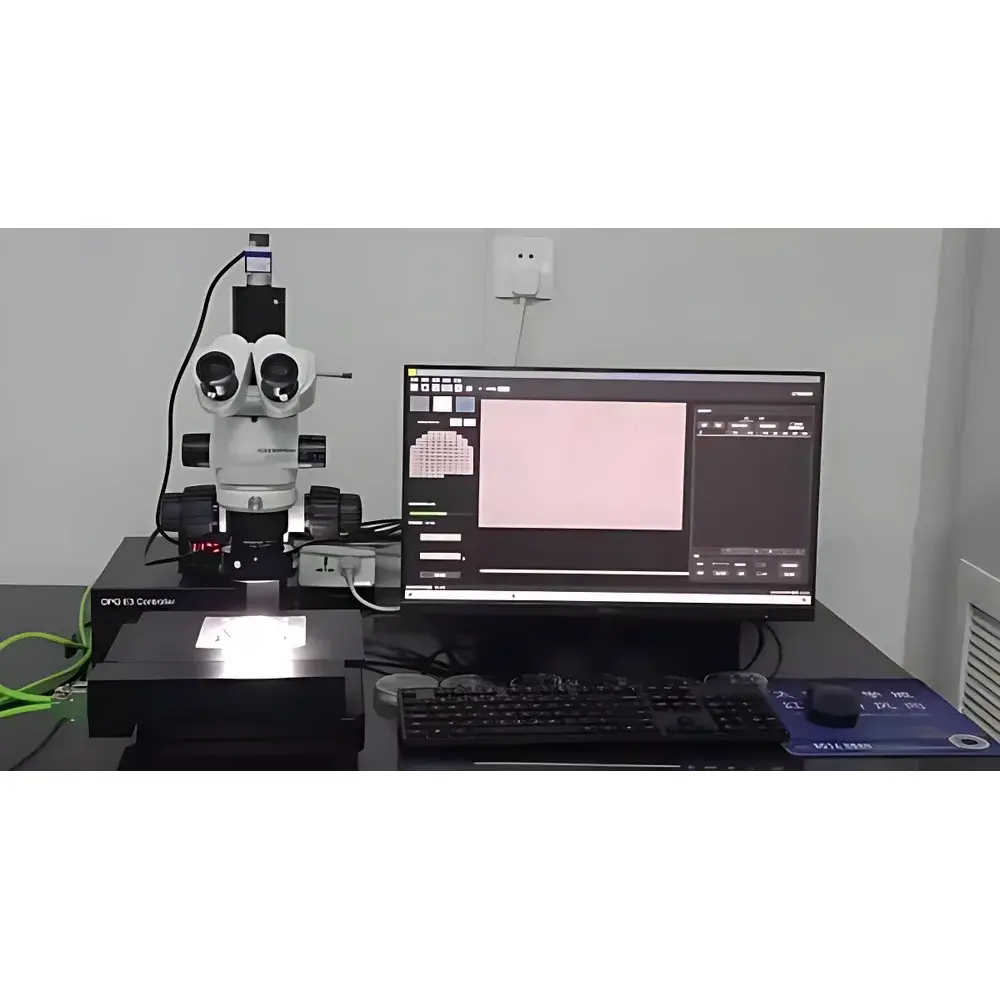
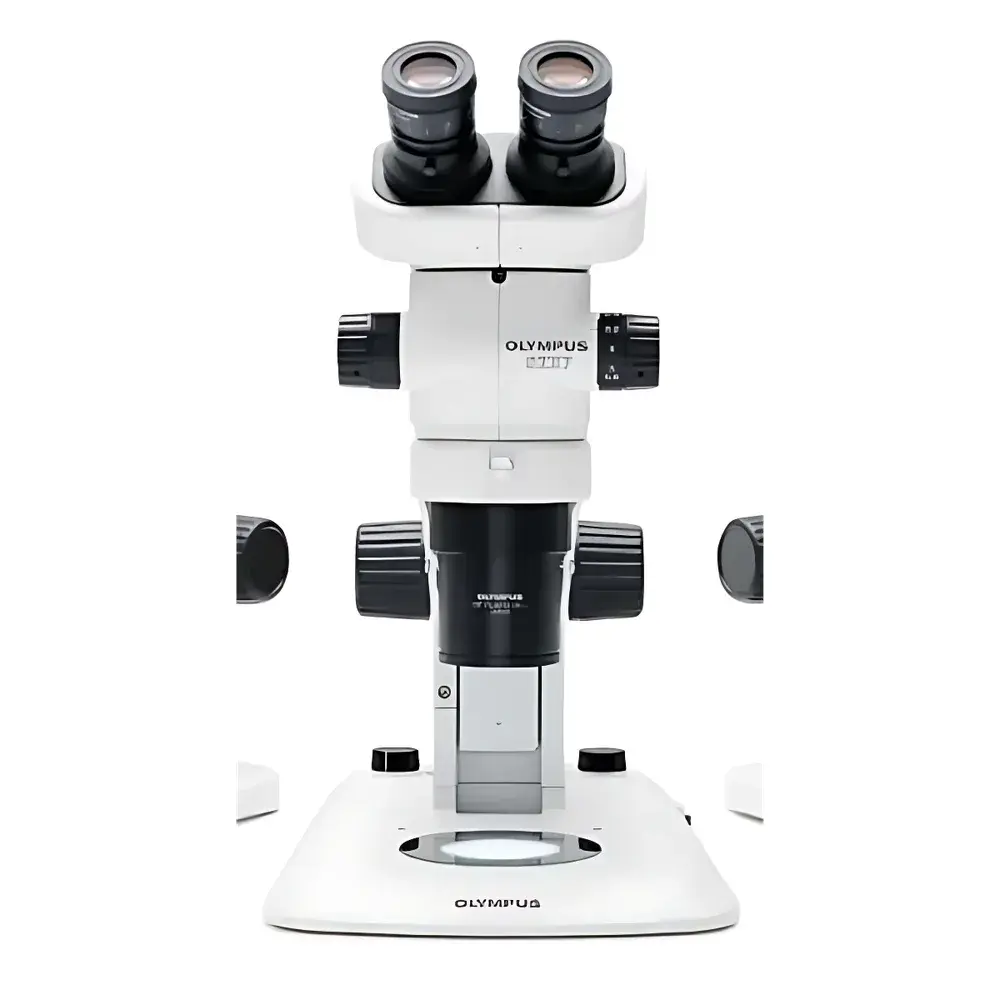
The LEI-TECH LK-TSQJD Automated Cleanliness Inspection System is a precision-engineered solution for quantitative particulate contamination analysis on filtration membranes, designed for compliance-driven industrial and research environments. Built upon the principles of automated optical microscopy combined with polarized light imaging and multi-modal particle segmentation, the system enables objective, repeatable, and traceable cleanliness assessment in accordance with internationally recognized standards including ISO 16232:2018, VDA 19-2015, ISO 4406, ISO 4407, NAS 1638, GB/T 14039, and GB/T 20082. The core measurement methodology integrates continuous-zoom stereomicroscopy, motorized XY scanning, dynamic focus control, and dual-illumination (polarized/non-polarized) acquisition to differentiate metallic, non-metallic, and fibrous contaminants—each classified based on morphological parameters (e.g., major/minor axis, aspect ratio, convex area, solidity) derived from binary segmentation and contour analysis.
Key Features
- Automated polarized/unpolarized dual-mode imaging: Eliminates manual illumination adjustment; enables high-fidelity detection of both reflective (metallic) and non-reflective (polymeric, ceramic, dust) particles.
- Intelligent image stitching engine: Supports both calibration-based positional stitching and algorithmic overlap-based stitching (configurable overlap ratio), minimizing dependency on mechanical calibration accuracy.
- Adaptive auto-focus and auto-exposure: Dynamically optimizes focal plane and exposure time per field-of-view during scan, ensuring consistent contrast and depth-of-field across heterogeneous sample surfaces.
- Multi-standard compliance engine: Pre-loaded templates for ISO 16232, VDA 19, ISO 4406/4407, NAS 1638, GB/T 14039, and GB/T 20082—each with configurable threshold logic for particle size binning and category assignment.
- Particle classification logic: Discriminates metallic (high reflectance under polarized light), non-metallic (visible under unpolarized illumination), and fibrous (aspect ratio > user-defined threshold + low solidity) contaminants using pixel-level morphometric criteria.
- Image equalization module: Compensates for vignetting and uneven illumination across stitched mosaics by applying background illumination maps captured from particle-free fields.
Sample Compatibility & Compliance
The LK-TSQJD system is validated for use with standard cleanliness test filters (e.g., polycarbonate, mixed cellulose ester, or nylon membranes, 47 mm or 25 mm diameter) mounted on rigid holders. It supports customizable scan regions—including rectangular, circular, and freehand polygons—and accommodates variable filter flatness within ±15 µm tolerance. All analytical outputs—including particle count per size class, cumulative distribution curves, and maximum particle images—are structured to satisfy audit requirements under GLP and GMP frameworks. Full traceability is ensured via embedded metadata (timestamp, operator ID, instrument serial, calibration status, versioned analysis parameters), aligning with FDA 21 CFR Part 11 expectations for electronic records when deployed with appropriate IT validation protocols.
Software & Data Management
The proprietary CleanScan™ analysis software provides a modular, workflow-driven interface with role-based access control (administrator/operator modes). Image acquisition, calibration, particle detection, classification, and reporting are segmented into discrete, logged steps. All processing parameters—including brightness thresholds, minimum/maximum particle area, fiber aspect ratio cutoff, and morphological filters—are stored with versioned configuration files. Reports export natively to PDF, Microsoft Word (.docx), and Excel (.xlsx) formats, embedding raw image thumbnails, statistical summaries, and full-size “largest particle” captures per category. Audit trails record all parameter changes, report generations, and user logins with timestamps and IP addresses (when network-enabled). Software updates are delivered via signed firmware packages with SHA-256 checksum verification.
Applications
This system serves critical quality assurance functions across regulated and high-precision sectors: automotive component manufacturers verifying gear, fuel injector, and brake system cleanliness per VDA 19; battery cell producers monitoring cathode/anode slurry filtrates for metallic debris; medical device OEMs validating implant-grade fluid pathways; pharmaceutical companies assessing parenteral filter integrity per USP ; and optics manufacturers screening coating chamber exhaust filters for sub-10 µm abrasive residues. Its ability to resolve particles down to ~3 µm (dependent on optical magnification and camera resolution) and classify them without chemical digestion makes it suitable for both R&D method development and routine QC release testing.
FAQ
Does the system support ASTM F3212 or other emerging cleanliness standards?
Yes—while pre-configured templates cover ISO, VDA, NAS, and GB standards, the Custom Standard Editor allows users to define new size bins, particle categories, weighting factors, and pass/fail logic in accordance with ASTM F3212, SAE AS4059, or internal specifications.
Can the software integrate with LIMS or MES platforms?
The system supports bidirectional data exchange via TCP/IP socket API and configurable CSV/XML export hooks. Integration with major LIMS vendors (e.g., LabVantage, Thermo Fisher SampleManager) has been implemented by end users using documented REST-like endpoints and metadata schemas.
What maintenance is required for long-term measurement stability?
Annual optical recalibration (performed by LEI-TECH-certified service engineers) and quarterly verification using NIST-traceable particle size standards (e.g., Duke Scientific microspheres) are recommended. No consumables beyond standard microscope bulbs and filter holders are required.
Is remote diagnostics and software update support available?
Yes—LEI-TECH provides secure remote access (with customer consent and TLS-encrypted tunneling) for troubleshooting, parameter optimization, and over-the-air software updates. Support SLA includes 24/7 ticketing and same-business-day remote response for critical issues.





