
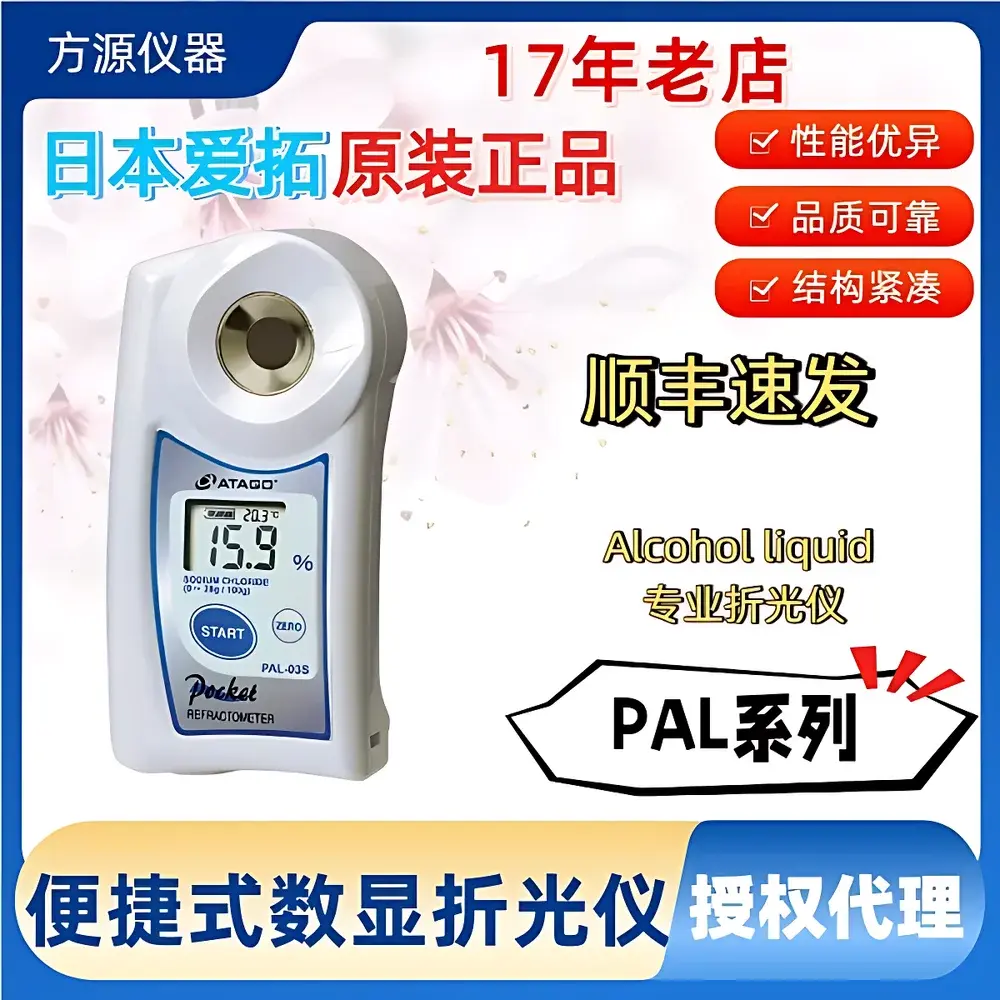
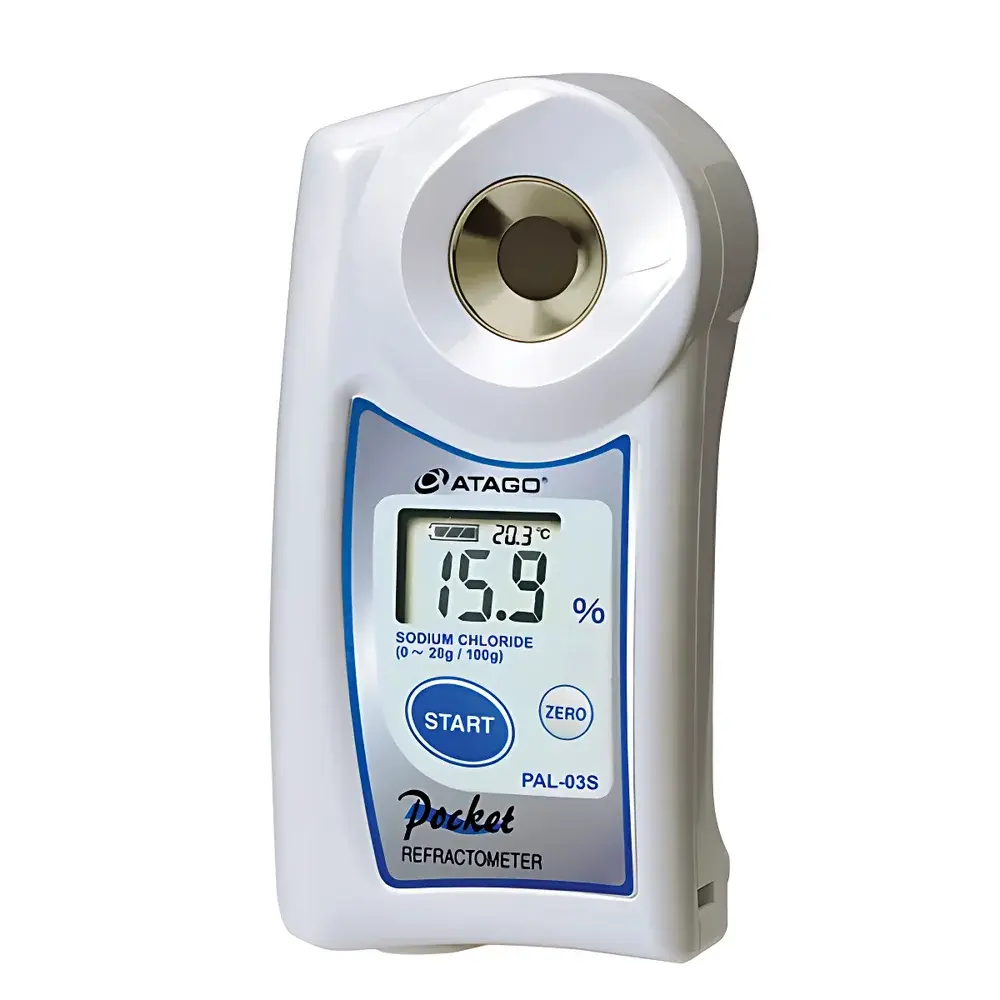
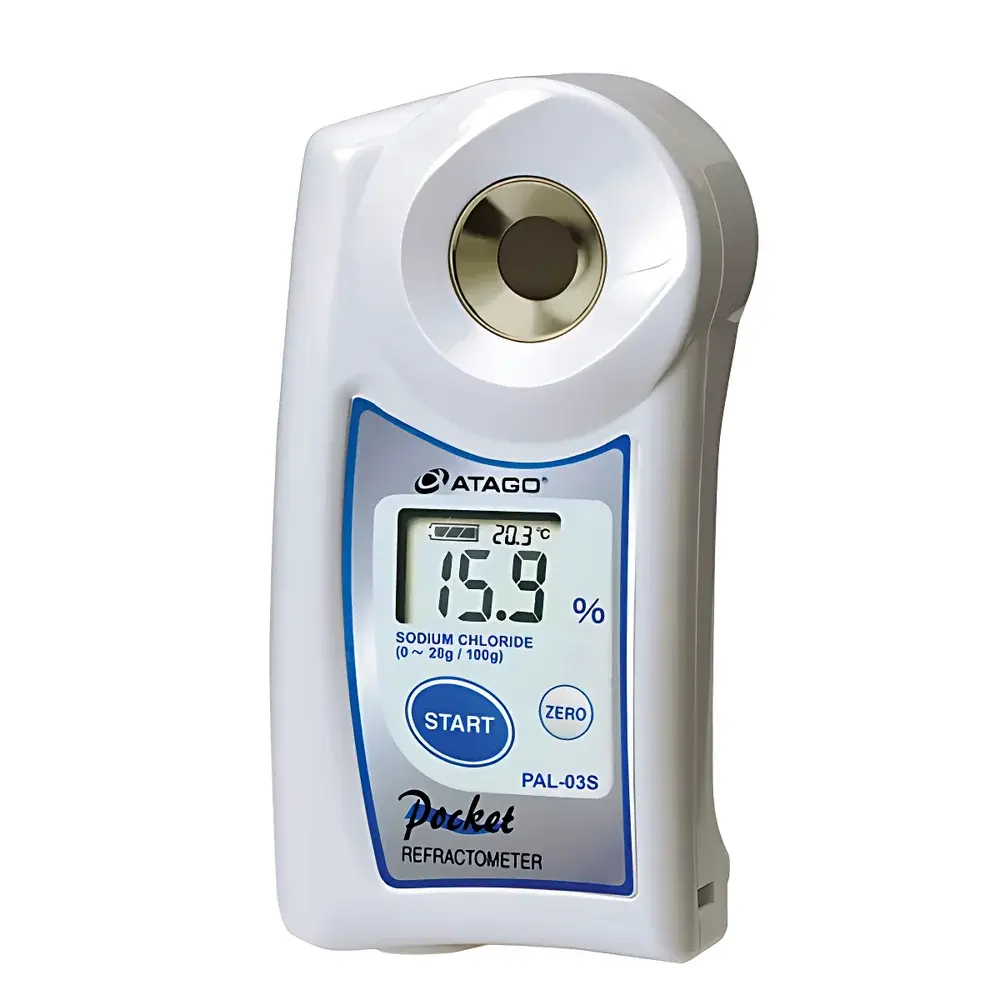
ATAGO PAL-2 Alcohol-Specific Digital Portable Refractometer
| Brand | ATAGO |
|---|---|
| Origin | Japan |
| Model | PAL-2 (Alcohol Liquid Dedicated) |
| Type | Handheld Refractometer |
| Display | Digital LCD |
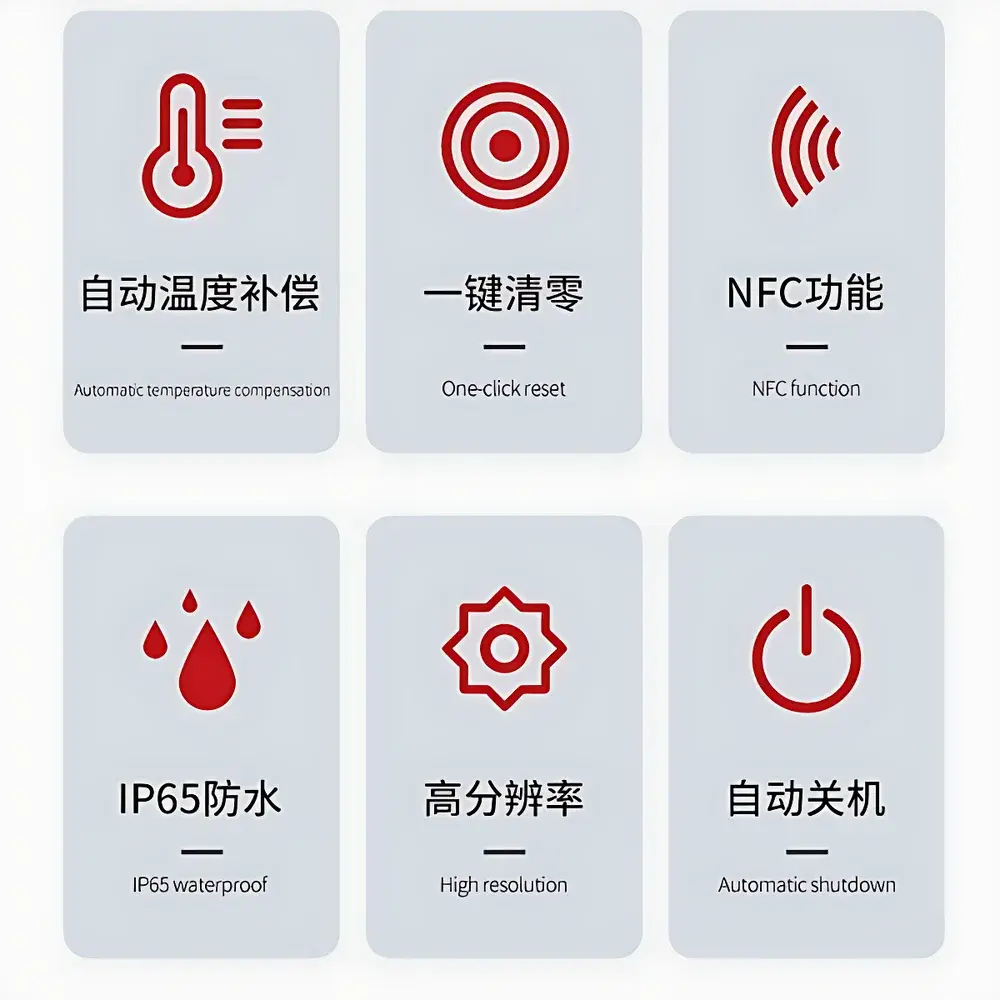
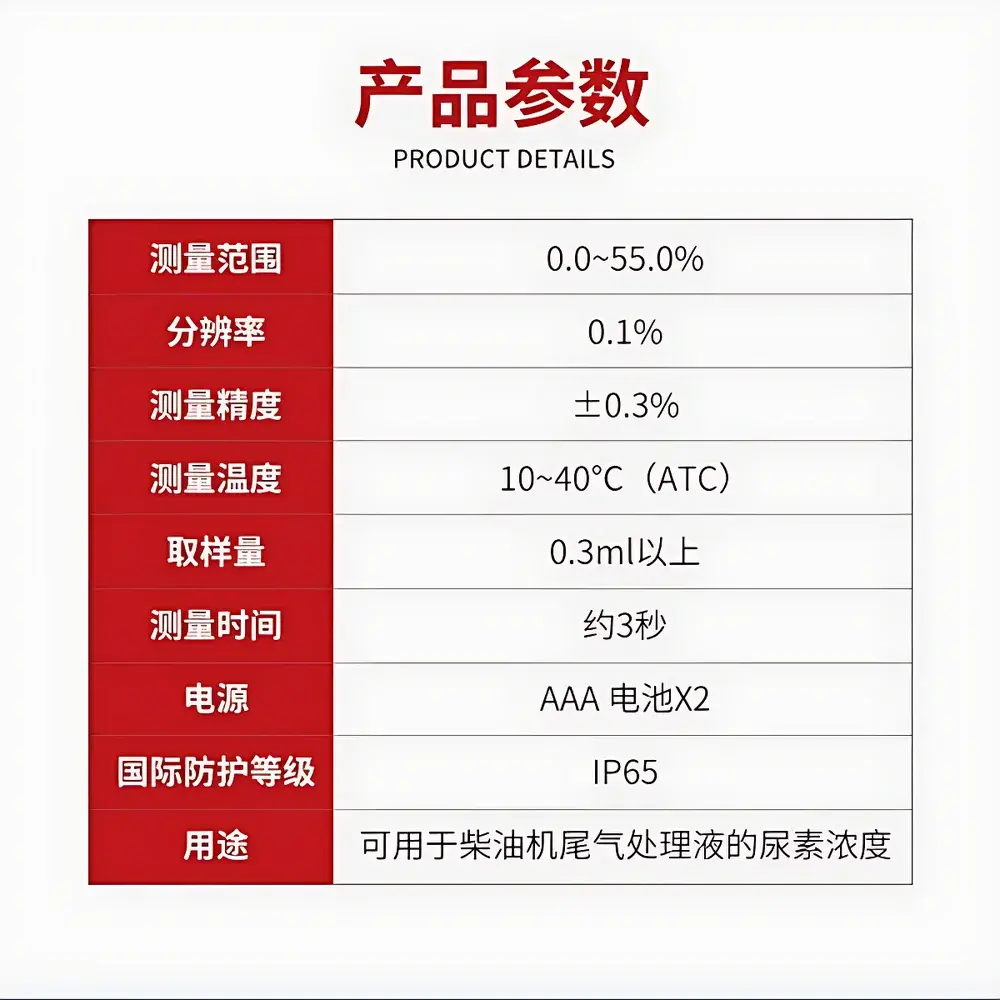
| Temperature Compensation | Automatic (ATC, 10–40°C) |
| Measurement Range | 0.0–45.0% v/v ethanol in aqueous solution |
| Accuracy | ±0.4% v/v |
| Optical System | Abbe-type prism with LED illumination |
| Sample Volume | ~0.3 mL |
| Dimensions | 55 × 31 × 149 mm |
| Weight | 100 g (battery included) |
| Power | 2× AAA batteries (approx. 10,000 measurements per set) |
| IP Rating | IP65 (dust-tight and water-jet resistant) |
| Compliance | ISO 21745:2021 (Refractometric determination of alcohol content), JIS K 0064 |
Overview
The ATAGO PAL-2 Alcohol-Specific Digital Portable Refractometer is a precision optical instrument engineered for rapid, on-site quantification of ethanol concentration in aqueous alcoholic solutions—primarily used in distilleries, beverage quality control labs, regulatory testing facilities, and field-based fermentation monitoring. It operates on the principle of critical angle refraction: light passing through a sample–prism interface undergoes total internal reflection at a specific angle dependent on the solution’s refractive index, which correlates directly with ethanol mass/volume percentage under controlled temperature conditions. The PAL-2 integrates ATAGO’s proprietary Automatic Temperature Compensation (ATC) system, calibrated to the standard ethanol–water refractive index curve across 10–40°C, eliminating manual correction and ensuring metrological traceability without external thermostats. Unlike general-purpose Brix refractometers, the PAL-2 employs a dedicated optical calibration algorithm optimized for the non-linear refractive behavior of ethanol–water mixtures—particularly critical near the azeotropic point (~95.6% v/v)—thereby delivering higher fidelity than generic instruments applying linear sugar-based calibrations.
Key Features
- Alcohol-optimized optical calibration: Factory-calibrated against NIST-traceable ethanol reference standards across the full 0.0–45.0% v/v range, minimizing systematic deviation in low- to mid-concentration samples (e.g., beer, wine, spirits dilutions).
- Digital LCD display with 0.1% resolution: Real-time readout updated within 3 seconds of sample application; backlight enables operation in low-illumination environments (e.g., cellar inspections, outdoor distillery audits).
- Robust industrial housing: Anodized aluminum body with IP65 ingress protection—resistant to dust accumulation and high-pressure water jets during routine cleaning or humid production-line use.
- Minimal sample requirement: Only 0.3 mL needed per measurement, reducing waste of high-value samples (e.g., premium spirit batches) and enabling repeated testing from a single aliquot.
- Battery-powered portability: Operates continuously for >10,000 measurements on two AAA alkaline cells; no AC adapter required—ideal for mobile QA teams conducting multi-site supplier audits or craft brewery compliance checks.
Sample Compatibility & Compliance
The PAL-2 is validated for clear, non-viscous, non-suspended aqueous ethanol solutions—including fermented wort, distilled spirits (after appropriate dilution), fortified wines, and alcohol-based disinfectants. It is not intended for use with turbid, oily, or highly viscous matrices (e.g., liqueurs with glycerin, essential oil emulsions), as particulates or phase separation disrupt refractive homogeneity. The instrument conforms to ISO 21745:2021 for refractometric alcohol determination and supports GLP-compliant workflows via documented calibration verification (using supplied 0.0% and 20.0% ethanol reference fluids). While not FDA 21 CFR Part 11–certified as a standalone system, its measurement records—when logged externally—meet ALCOA+ data integrity principles when paired with controlled lab notebooks or LIMS-integrated reporting protocols.
Software & Data Management
The PAL-2 operates as a stand-alone optical sensor with no embedded Bluetooth, USB, or software connectivity. All measurement data must be manually recorded or transcribed into external systems (e.g., Excel, LabWare LIMS, or custom QA dashboards). However, its stable repeatability (RSD < 0.25% at 10% v/v, n=10) and built-in zero-point verification function enable robust manual trending analysis. Users are advised to perform daily calibration verification using certified reference standards and log results per ISO/IEC 17025 clause 7.7—ensuring defensible audit trails during regulatory inspections (e.g., TTB, HMRC, or EU excise duty assessments).
Applications
- Fermentation endpoint monitoring: Tracking ethanol accumulation in real time during beer, wine, or bioethanol batch fermentation without lab delays.
- Spirit proof verification: Confirming dilution accuracy prior to bottling or tax classification (e.g., verifying 40% ABV compliance for Scotch whisky).
- Quality assurance in non-alcoholic beverages: Detecting residual ethanol carryover in “alcohol-free” products (<0.5% v/v) where label claims require strict verification.
- Field-based excise duty auditing: Enabling customs officers to conduct rapid, legally admissible alcohol concentration checks at ports or bonded warehouses.
- Educational laboratories: Teaching fundamental principles of solution optics, partial molar refraction, and colligative property relationships in physical chemistry curricula.
FAQ
Does the PAL-2 measure %ABV or %w/w?
It reports ethanol concentration as % v/v (volume/volume), consistent with international alcohol labeling standards (e.g., EU Regulation 1169/2011 and U.S. TTB requirements). Conversion to %w/w requires density input and is not performed internally.
Can it be used for denatured alcohol or fuel-grade ethanol?
No—denaturants (e.g., methanol, isopropanol, benzene) alter refractive behavior outside the calibration matrix; only aqueous ethanol solutions free of co-solutes are supported.
Is periodic recalibration required?
ATAGO recommends annual factory recalibration; however, daily verification with certified reference standards is mandatory for regulated applications per ISO/IEC 17025 Clause 6.4.
What is the effect of temperature fluctuations during measurement?
The ATC system compensates dynamically between 10–40°C; measurements outside this range will trigger an error code and halt output to prevent extrapolation errors.
How does it differ from the PAL-1 or PAL-BX models?
Unlike the PAL-1 (general-purpose Brix) or PAL-BX (high-range Brix), the PAL-2 uses a unique prism coating and firmware algorithm specifically tuned to the ethanol–water refractive index curve—not sucrose-based correlations—making cross-model substitution invalid for alcohol quantification.




