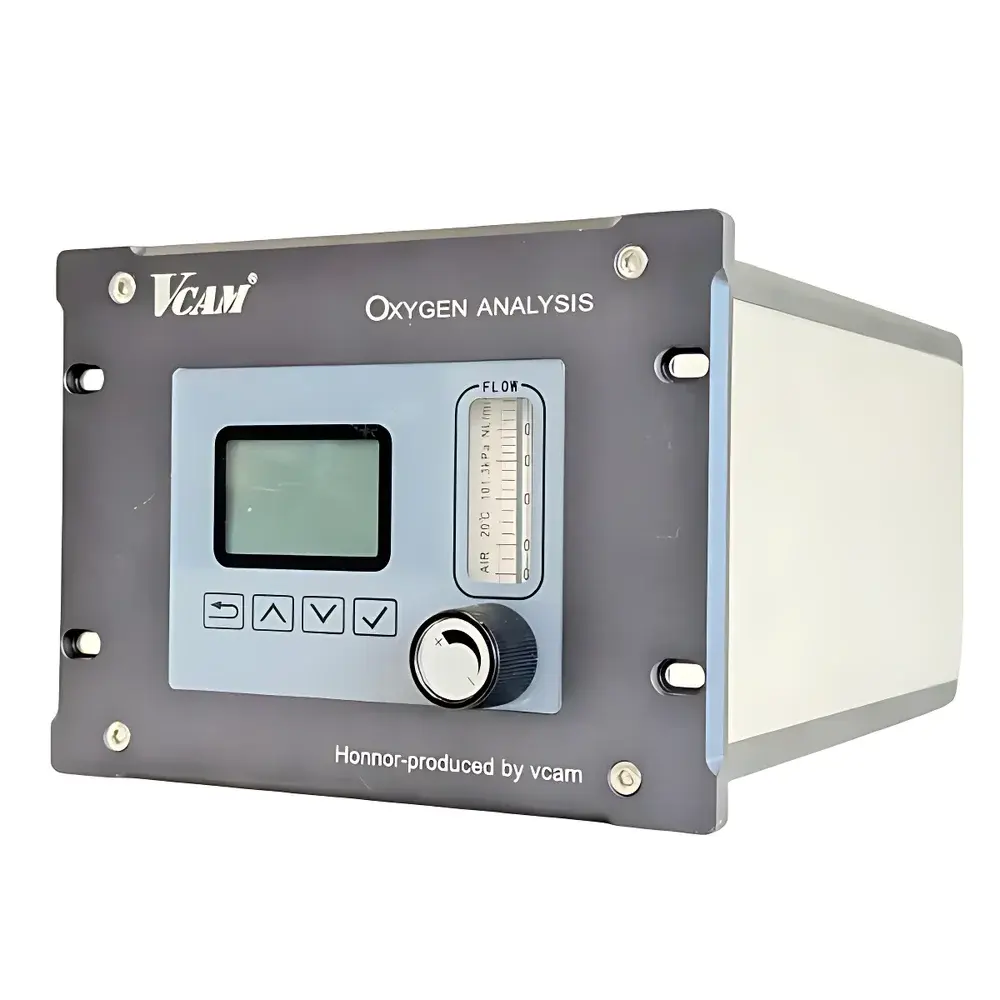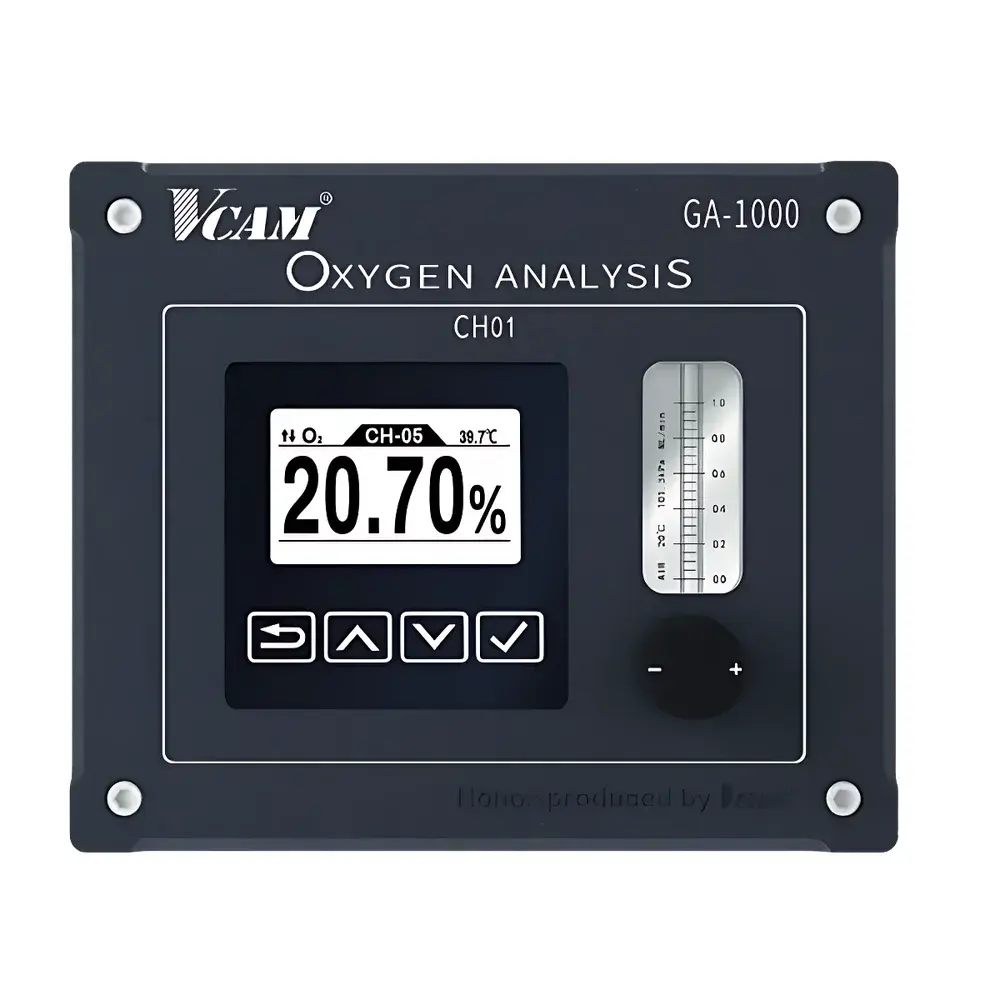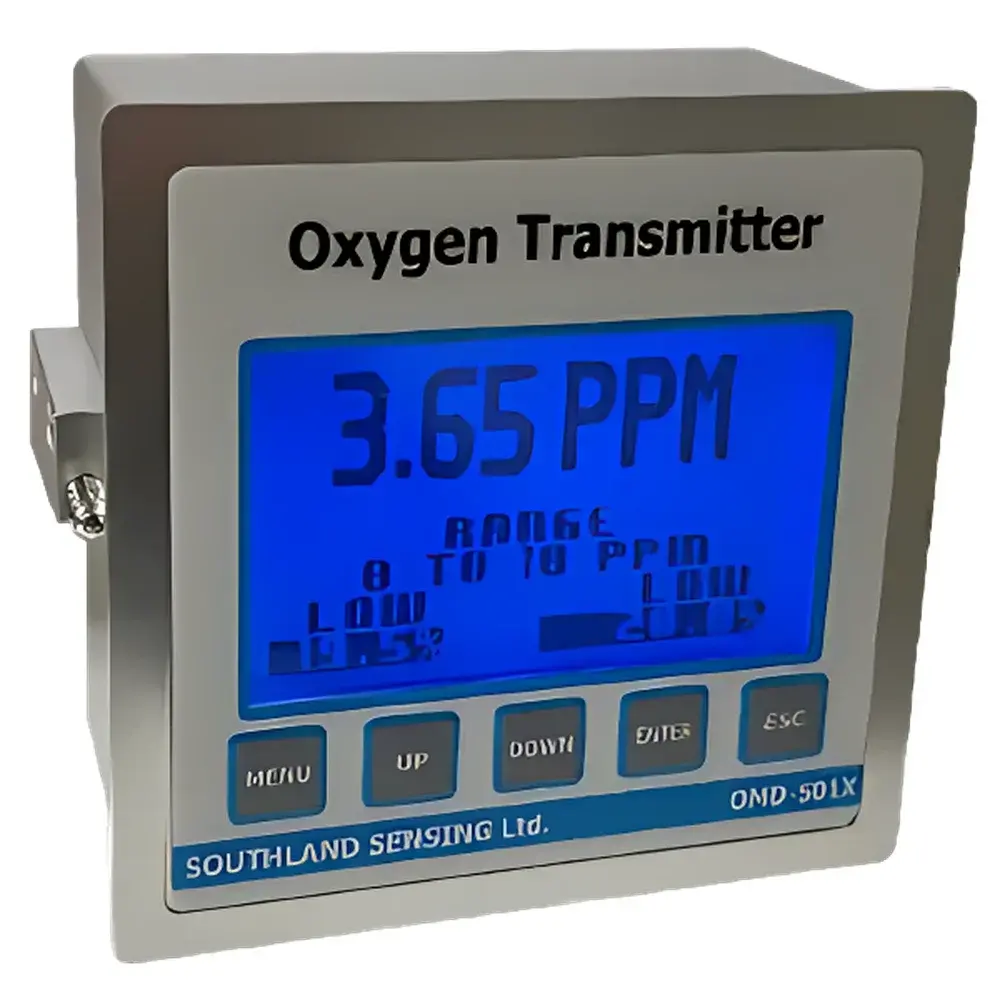
AII OMD-501X Electrochemical Oxygen Analyzer
| Brand | AII |
|---|---|
| Origin | USA |
| Model | OMD-501X |
| Sensor Principle | Electrochemical Fuel Cell |
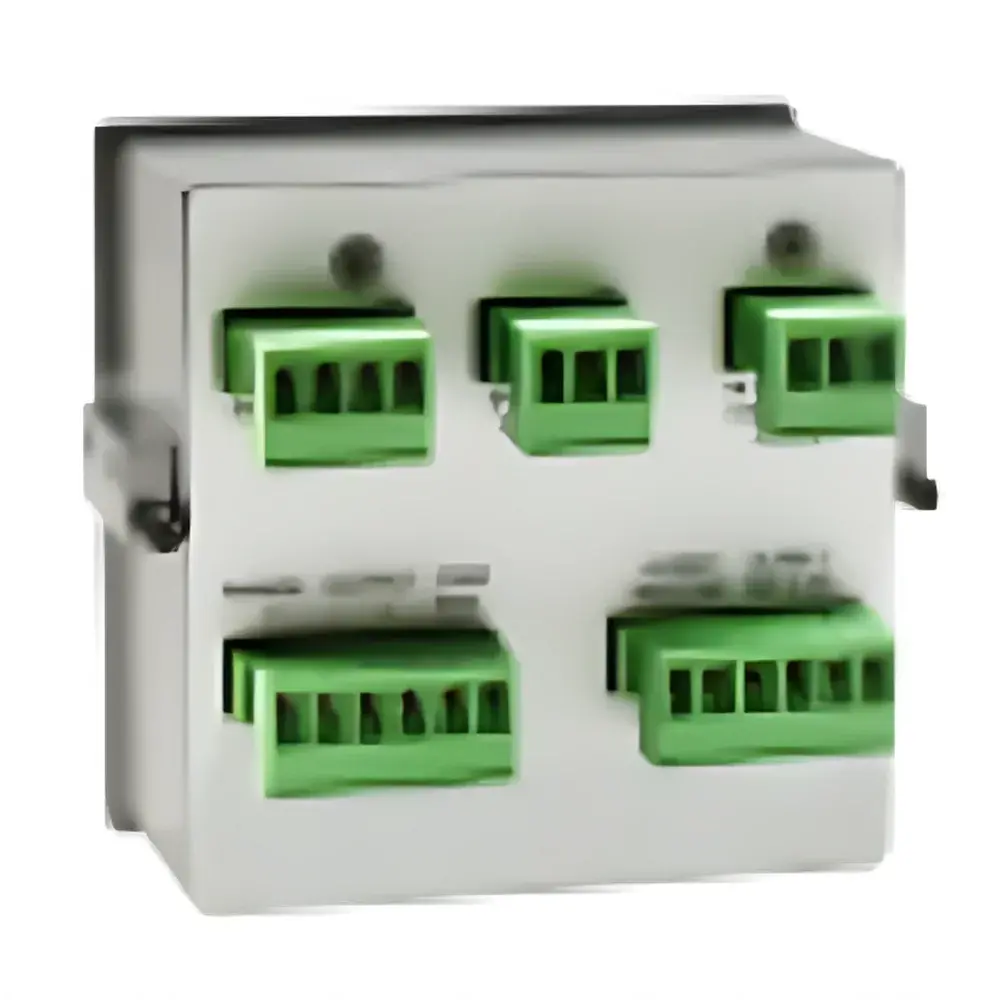
| Output | 4–20 mA, 1–5 VDC, Dual Alarm Relays, Modbus RTU over RS485 |
| Power Input | 9–28 VDC or 100–240 VAC |
| Enclosure | IP65-rated ABS, 1/4 DIN panel mount |
| Operating Temperature | 5–45°C (TO2 series), –20–45°C (PO2 series) |
| Response Time (t₉₀) | ≤15 s |
| Accuracy | ±1% of full scale |
| Linearity | >0.995 FS |
| Pressure Range | 0–3 MPa inlet, vent to atmosphere |
| Flow Rate | 0.25–2.5 L/min (recommended: 1 L/min) |
| Resolution | 0.01 ppm |
| Calibration | Certified standard gas at ~80% FS |
| Compensation | Integrated temperature and pressure compensation |
| Sensor Lifetime | 24 months at 25°C |
| Warranty | 12 months (instrument + sensor) |
| Sample Compatibility | N₂, Ar, He, H₂, CO₂, C₂H₂, C₂H₄, C₄H₆, hydrocarbons, inert & reactive backgrounds |
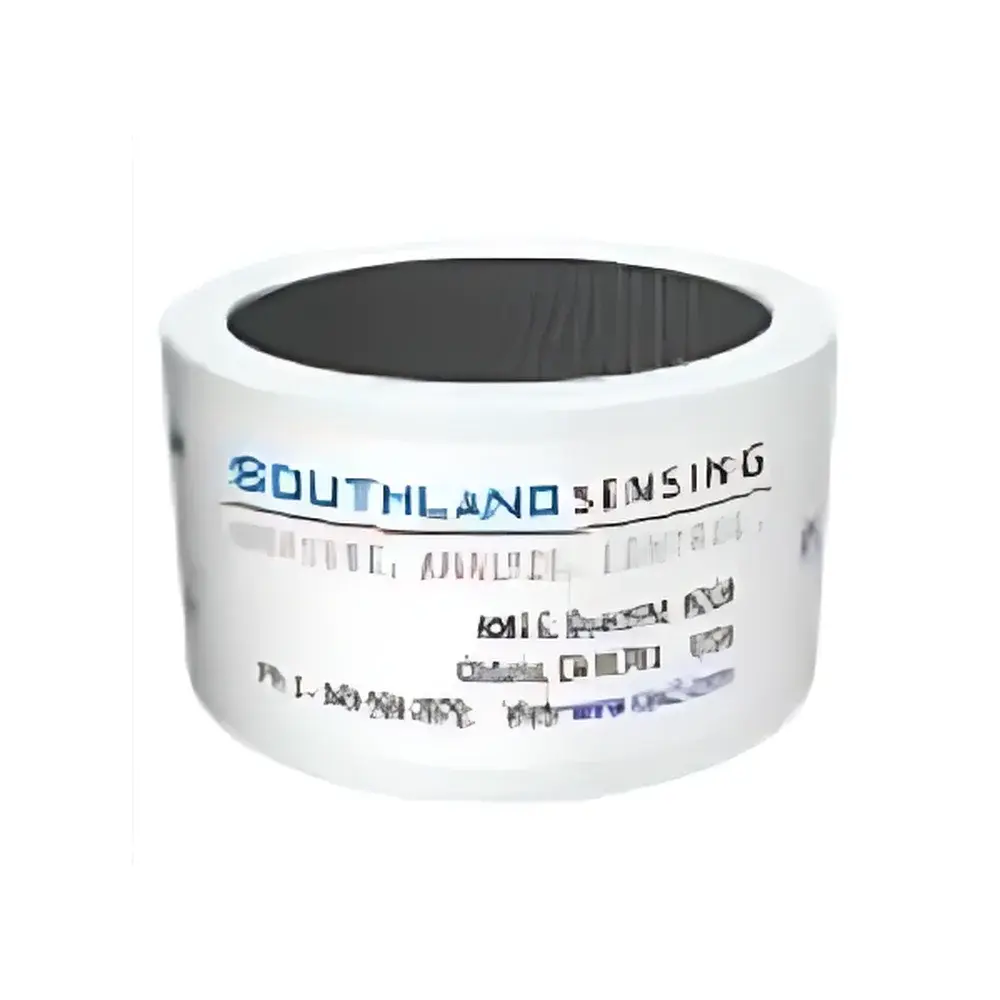
| Optional Sensor Types | TO2-1x (ppm, inert background), TO2-2x (ppm, CO₂-tolerant), PO2-160 (%O₂), PO2-24 (%O₂, CO₂-tolerant) |
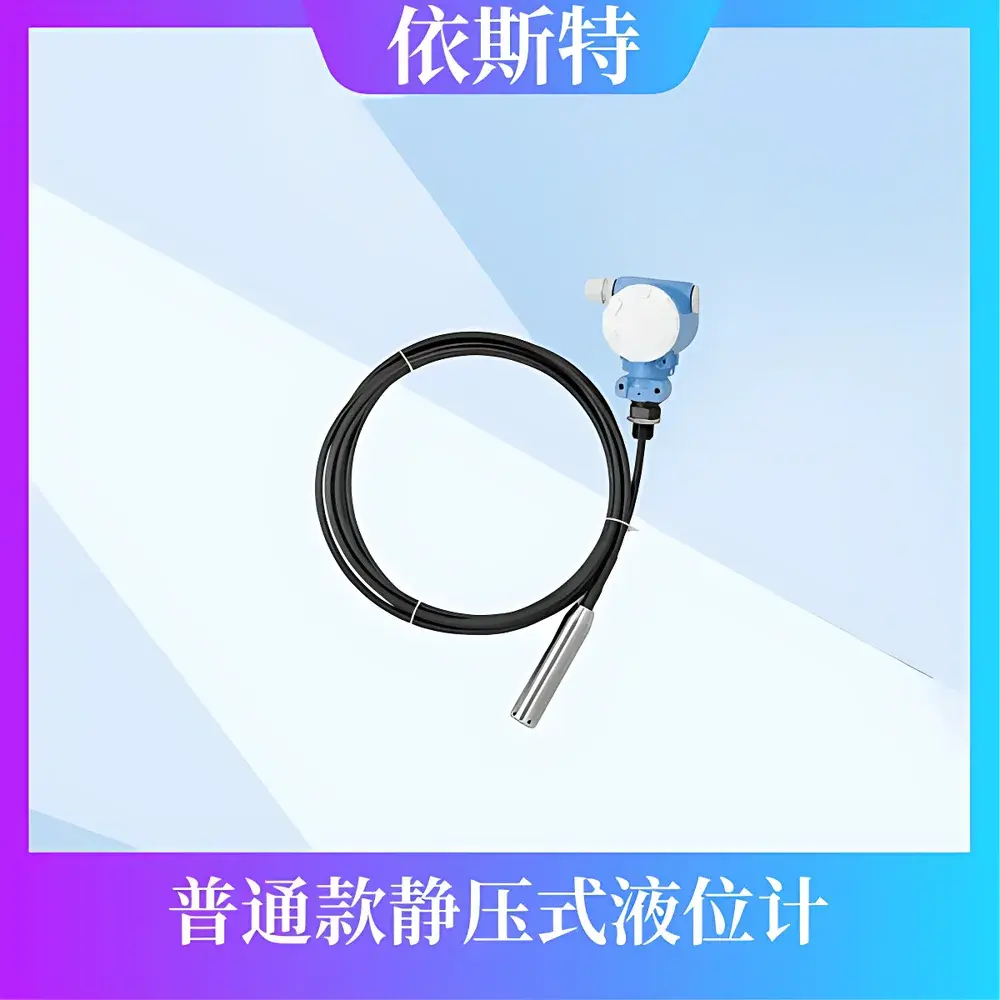
| Remote Sensor Housing | 6 ft cable included |
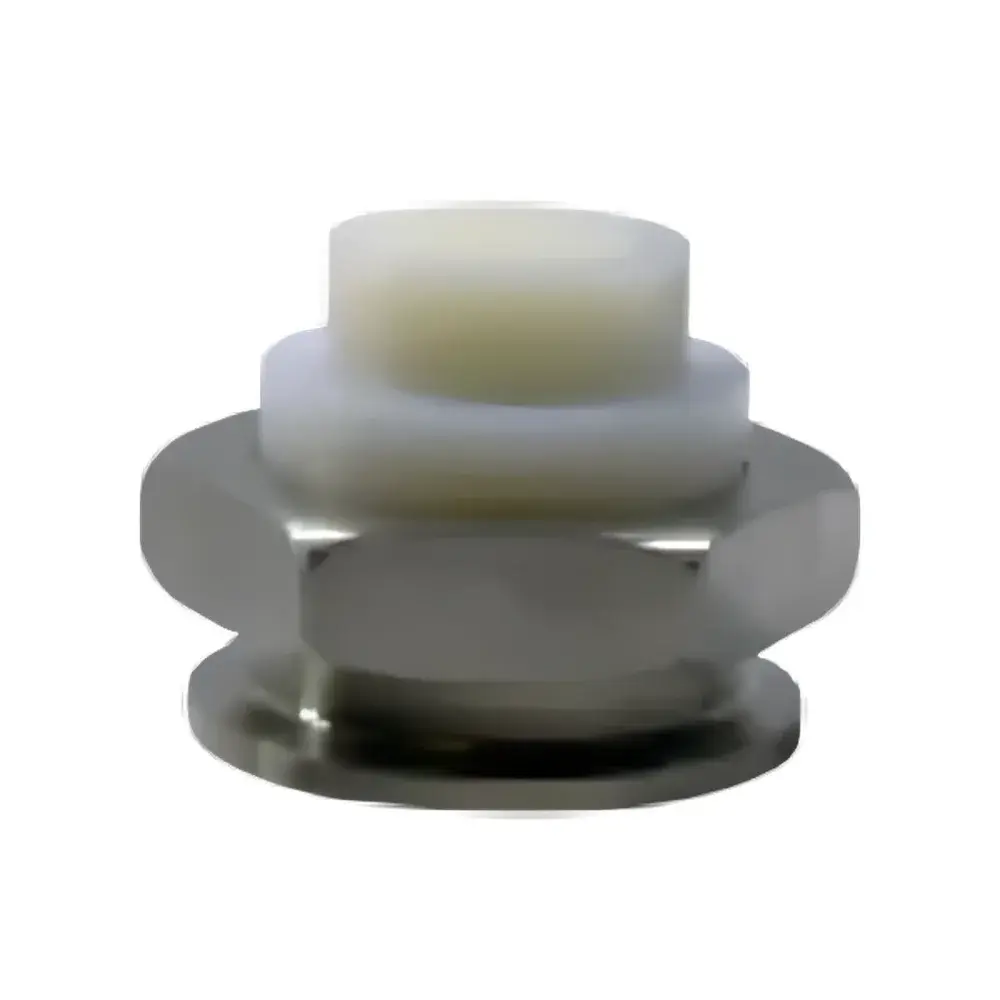
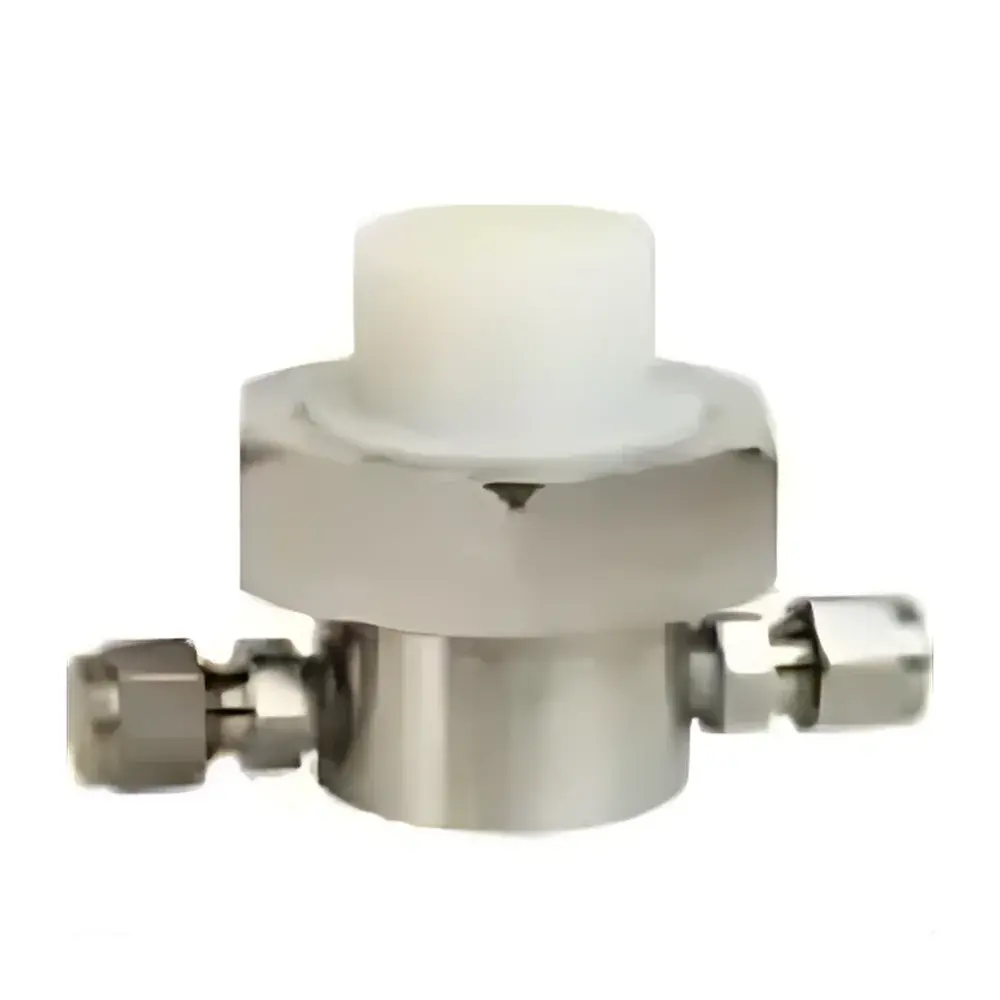
| Mounting Options | KF-40 flange (glovebox), flow-through body with 6 mm / 1/8″ / 1/4″ compression fittings |
| Data Storage | 8 GB USB logging |
| Display | Backlit LCD, menu-driven interface |
Overview
The AII OMD-501X Electrochemical Oxygen Analyzer is a precision-engineered, panel-mount process analyzer designed for continuous, real-time oxygen monitoring in demanding industrial environments. It operates on the principle of electrochemical fuel cell technology—where oxygen diffuses through a selective membrane and undergoes a controlled redox reaction at the working electrode, generating a current linearly proportional to partial pressure. This principle ensures high specificity for O₂ without cross-sensitivity to CO₂, H₂, hydrocarbons, or inert gases—critical for applications in high-purity gas generation, inert atmosphere control, and air separation units (ASUs). The instrument’s modular architecture separates electronics (1/4 DIN housing) from the remote sensor head, enabling flexible installation in confined or hazardous locations—including gloveboxes, nitrogen generators, and cryogenic distillation columns. Its dual power input capability (9–28 VDC or 100–240 VAC), IP65-rated ABS enclosure, and integrated environmental compensation provide operational robustness across fluctuating ambient conditions.
Key Features
- Electrochemical fuel cell sensors manufactured in-house under ISO 9001-aligned quality protocols—no electrolyte refills or electrode cleaning required.
- Six user-selectable measurement ranges: 0–10 ppm, 0–100 ppm, 0–1,000 ppm, 0–1%, 0–25%, and 0–100% O₂—switchable manually or via software command.
- Dual SPDT alarm relays with configurable setpoints and hysteresis; supports fail-safe shutdown or interlock signaling per IEC 61511 guidelines.
- Standard analog outputs (4–20 mA, 1–5 VDC) compliant with ISA-50.00.01 for integration into DCS/PLC systems.
- Modbus RTU over RS485 interface enables bidirectional communication for remote configuration, diagnostics, and data polling—fully compatible with SCADA architectures.
- Onboard 8 GB USB data logger captures timestamped O₂ concentration, temperature, pressure, and alarm status at user-defined intervals (1 s to 60 min).
- Backlit LCD display with intuitive menu navigation—no external PC required for calibration, range switching, or system diagnostics.
- Integrated temperature and pressure compensation algorithms ensure measurement stability across sample line fluctuations (0–3 MPa inlet pressure, ambient vent).
Sample Compatibility & Compliance
The OMD-501X is validated for use with diverse process streams, including ultra-high-purity nitrogen (≤10 ppb O₂ background), argon, helium, hydrogen, carbon dioxide, acetylene, ethylene, butadiene, and complex hydrocarbon mixtures. Sensor variants are specifically engineered for challenging matrices: TO2-2x and PO2-24 models maintain accuracy and longevity in CO₂-rich environments (>0.5% CO₂), eliminating drift caused by carbonate formation—a known limitation of generic electrochemical cells. All sensors meet ASTM D6866-22 requirements for trace oxygen quantification in inert gases and comply with ISO 8573-1:2010 Class 1 purity verification protocols. The analyzer’s hardware design conforms to EN 61000-6-2 (immunity) and EN 61000-6-4 (emissions), supporting deployment in Class 1 Div 2 hazardous locations when installed with appropriate conduit seals.
Software & Data Management
Configuration and diagnostics are managed locally via the front-panel interface or remotely using AII’s proprietary OMD ConfigTool (Windows-based, USB or Modbus-connected). The tool supports firmware updates, sensor validation reports, zero/span calibration logs, and audit trail export in CSV format—meeting FDA 21 CFR Part 11 requirements for electronic records when deployed in GMP-regulated facilities. All calibration events—including date, operator ID (user-defined), standard gas certificate number, and pre/post-calibration deviation—are time-stamped and stored in non-volatile memory. USB log files include header metadata (instrument ID, firmware version, sensor serial number) to ensure traceability during GLP/GMP audits.
Applications
- Air separation plants: Continuous monitoring of O₂ impurity in liquid nitrogen, crude argon, and high-purity oxygen product streams.
- Semiconductor fabrication: Glovebox atmosphere control (<1 ppm O₂) for lithography, deposition, and etch processes.
- Pharmaceutical manufacturing: Verification of nitrogen blanketing integrity in API synthesis reactors and lyophilization chambers.
- Hydrogen production & purification: Detection of O₂ ingress in PEM electrolyzer off-gas and PSA tail streams.
- Food packaging: Validation of modified atmosphere packaging (MAP) residual O₂ levels in sealed trays and pouches.
- Power generation: Monitoring of dissolved O₂ in boiler feedwater and turbine lubrication oil systems per ASTM D828–23.
- Research laboratories: Quantitative O₂ profiling in catalytic reaction studies, fuel cell testing, and anaerobic bioreactor control.
FAQ
What sensor technologies are supported by the OMD-501X platform?
The OMD-501X accepts four field-replaceable electrochemical sensors: TO2-1x (ppm-level, inert backgrounds), TO2-2x (ppm-level, CO₂-tolerant), PO2-160 (percent-level, inert), and PO2-24 (percent-level, CO₂-tolerant). Each is calibrated and certified prior to shipment.
Is the analyzer suitable for high-pressure sample streams?
Yes—the sample inlet accepts pressures up to 3 MPa (435 psi); an optional pressure regulator or back-pressure valve is recommended for stable flow control above 0.5 MPa.
How often does the sensor require recalibration?
Annual calibration is recommended under normal operating conditions; however, calibration frequency should be risk-assessed per ISO/IEC 17025 and aligned with process criticality—many users in ASU applications perform quarterly checks using NIST-traceable standards.
Can the OMD-501X be integrated into a DeltaV or Emerson DCS system?
Yes—via its native 4–20 mA output or Modbus RTU interface using standard DCS-modbus gateways (e.g., Emerson DeltaV MBSI, Honeywell Experion PKS Modbus Integration Module).
Does the unit support automatic temperature and pressure compensation?
Yes—integrated Pt100 RTD and piezoresistive pressure transducer feed real-time corrections into the measurement algorithm, eliminating manual correction tables per ISO 6145-7.
Related Products