Ruixin SPb-YZ2 Carmine Red Rapid Detection Analyzer
| Brand | Ruixin |
|---|---|
| Origin | Shanghai, China |
| Manufacturer Type | Authorized Distributor |
| Country of Origin | China |
| Model | SPb-YZ2 |
| Price Range | USD 4,200 – 7,000 (FOB Shanghai) |
| Functionality | Single-Analyte Detection System |
| Sample Format | Dedicated Single-Sample Cartridge |
| Wavelength | 540 nm |
| Assay Time | ≤ 180 seconds per test |
| Photometric Repeatability | ≤ 0.2% RSD |
| Optical Channels | 1 |
Overview
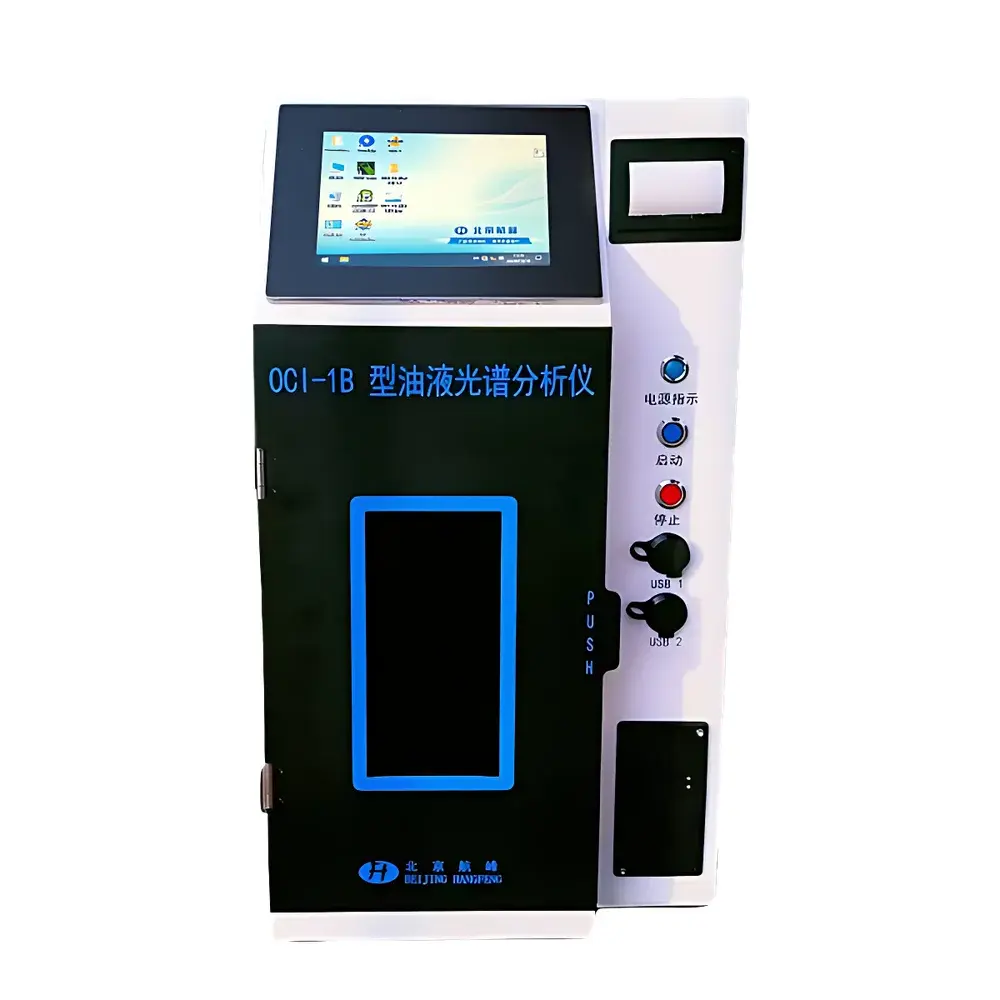
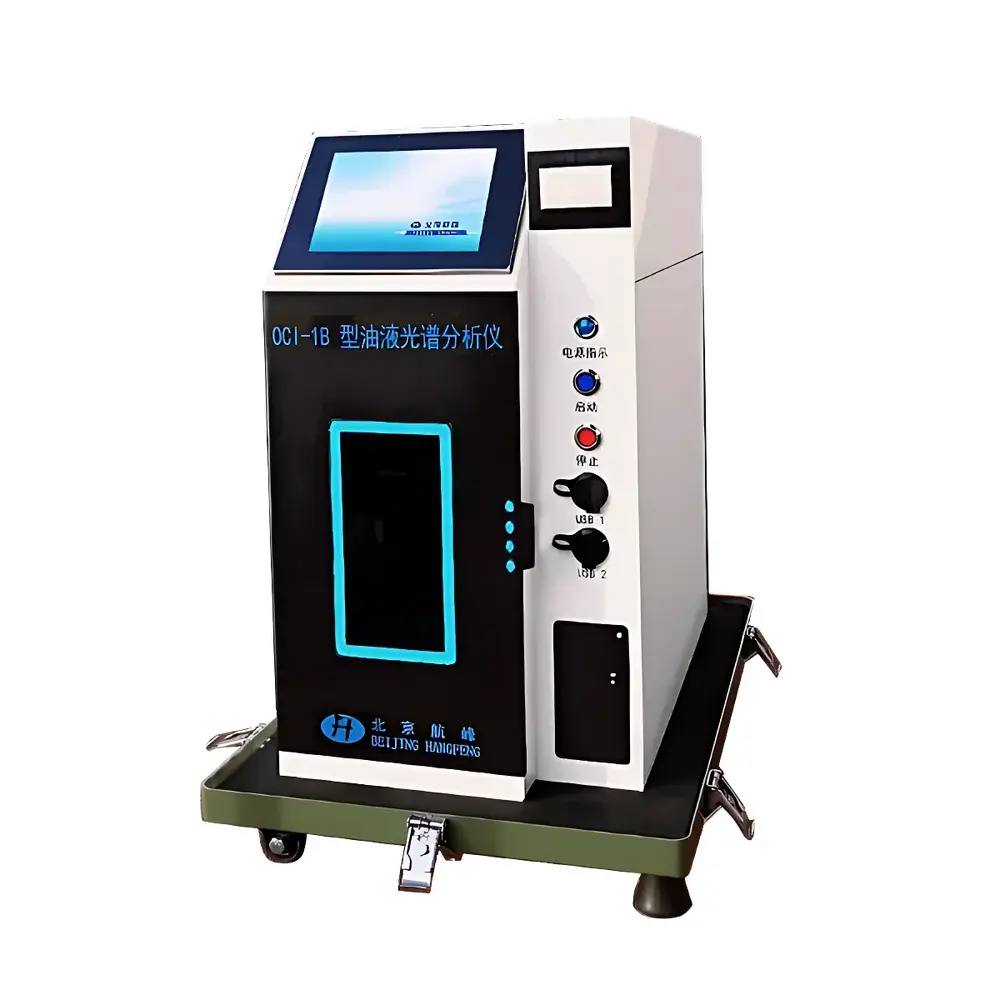
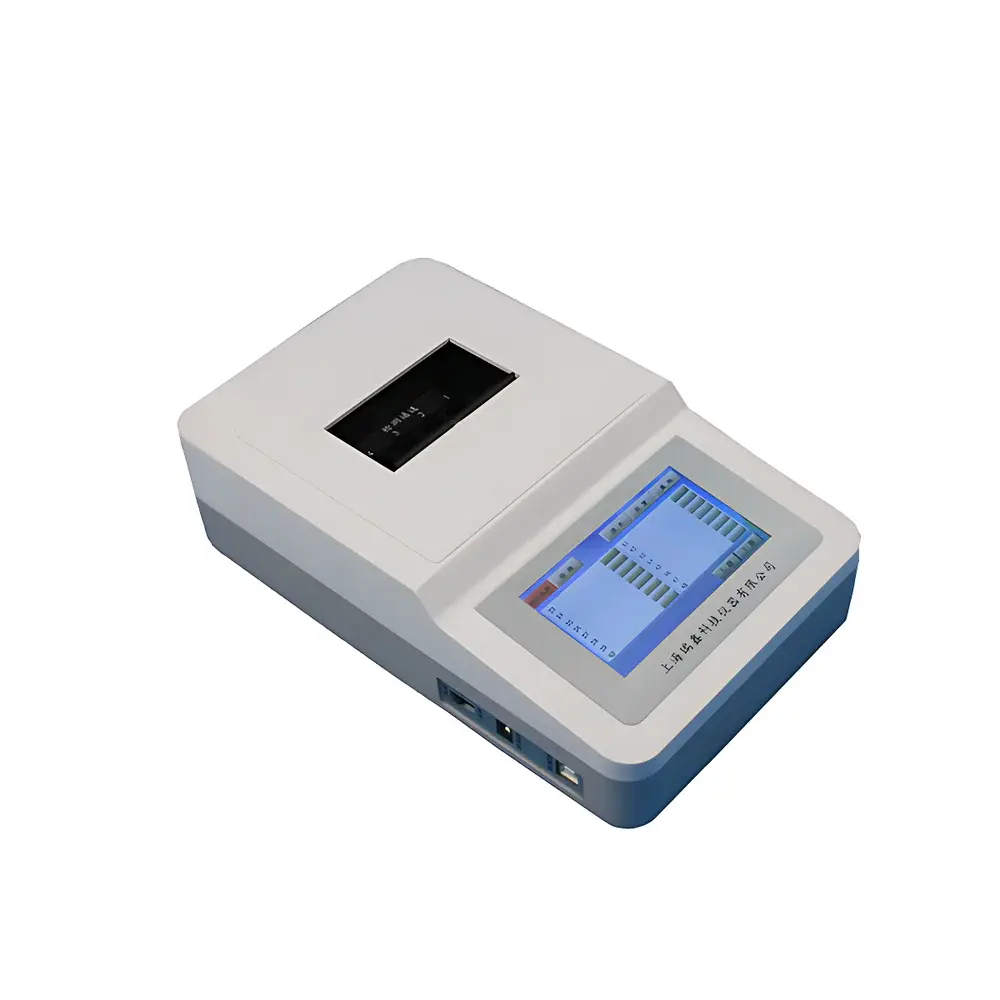
The Ruixin SPb-YZ2 Carmine Red Rapid Detection Analyzer is a dedicated photometric instrument engineered for quantitative determination of carmine red (E120, cochineal extract) in food matrices using standardized visible-light absorbance measurement at 540 nm. Based on the Beer–Lambert principle, the system measures the absorbance of extracted dye solutions following validated sample preparation protocols—typically involving solvent extraction, centrifugation, and filtration per GB 5009.35–2023 (Chinese National Standard for Synthetic Colorants in Foods). Designed for field-deployable operation without reliance on centralized laboratory infrastructure, the SPb-YZ2 integrates optical path self-calibration, embedded thermal printing, and dual-mode photometric display (absorbance A and transmittance T%) to support both routine screening and regulatory documentation requirements. Its architecture complies with core functional expectations of rapid food safety analyzers used under ISO/IEC 17025-aligned workflows and supports traceability through time-stamped digital records.
Key Features
- Portable form factor with integrated rechargeable lithium battery (≥8 h continuous operation), enabling deployment in mobile inspection vehicles, border checkpoints, or retail supply chain audits.
- 4.3-inch high-resolution color TFT touchscreen with full Chinese GUI; supports stylus- and keyboard-based Chinese character input for sample labeling and operator annotation.
- Self-aligning optical path system: automatic zero and 100% T calibration at power-on—eliminates manual baseline adjustment and reduces operator-induced variability.
- Dual photometric readout: absorbance range 0.000–4.000 (0.001 resolution) and transmittance range 0.00–100.00% (0.01% resolution), facilitating method adaptation beyond carmine red quantification.
- Embedded thermal printer outputs compliant test reports containing analyte concentration (mg/kg), Chinese sample name, test date/time, analyst ID, and institutional stamp field.
- Photometric stability ≤0.3% over 3 minutes (drift test per JJG 178–2015), ensuring reliable readings during sequential field assays.
- RS232 and USB 2.0 interfaces enable bidirectional data exchange with LIMS, cloud-based food safety monitoring platforms, or local PCs for audit-ready export (CSV/Excel).
Sample Compatibility & Compliance
The SPb-YZ2 is validated for use with solid and semi-solid food samples including confectionery, beverages, dairy desserts, and processed meats—following pre-extraction procedures specified in GB/T 5009.35 and aligned with AOAC Official Method 2012.01 for synthetic colorant analysis. Each assay requires a single-use, pre-configured extraction vial (not included), ensuring matrix-specific interferences are minimized. The instrument meets electromagnetic compatibility (EMC) requirements per GB/T 18268.1–2010 and operates within environmental conditions of 10–35°C and ≤85% RH. While not certified to IEC 61000-4-x series for industrial immunity, its design adheres to essential performance criteria defined in FDA Guidance for Industry: “Guidance for Industry: Analytical Procedures and Methods Validation for Drugs and Biologics” (2015) as applied to rapid food screening tools.
Software & Data Management
Firmware v2.1 embeds non-volatile memory capable of storing ≥1,000 test records with timestamps, operator IDs, and concentration values. Data export supports GLP-compliant audit trails: each record includes firmware version, calibration timestamp, and photometric raw values (A and T%). USB mass storage mode permits direct file transfer without proprietary drivers. Optional RS232 integration enables real-time forwarding to centralized food safety dashboards (e.g., China’s National Food Safety Risk Monitoring Information System), supporting automated alert thresholds and geographic heat mapping. All stored data conform to minimum metadata requirements outlined in ISO/IEC 17025:2017 Clause 7.5.2 for result reporting integrity.
Applications
- Routine surveillance testing by municipal market supervision bureaus during food circulation inspections.
- On-site verification of label compliance for natural vs. synthetic colorant claims in imported/exported products.
- QC screening in contract manufacturing facilities producing colored snacks, jellies, or powdered drink mixes.
- Training and capacity building in regional food safety laboratories lacking spectrophotometer infrastructure.
- Supplemental verification testing when HPLC confirmation is pending or unavailable.
FAQ
What is the detection limit for carmine red using the SPb-YZ2?
The instrument achieves a practical limit of detection (LOD) of 5.0 mg/kg in representative food matrices, verified against reference standards traceable to NIM (National Institute of Metrology, China).
Does the SPb-YZ2 require external calibration standards before each use?
No—optical self-calibration eliminates daily zero/100% T adjustments. However, periodic verification using NIST-traceable neutral density filters (recommended quarterly) ensures long-term photometric fidelity.
Can the device be used for other food colorants?
The SPb-YZ2 is optically tuned and chemically validated exclusively for carmine red (λmax = 540 nm in acidic aqueous medium). It is not suitable for tartrazine (E102), sunset yellow (E110), or ponceau 4R (E124) without hardware modification and revalidation.
Is the thermal printer compatible with standard label stock?
The embedded printer accepts 57 mm wide thermal paper rolls only; adhesive-backed labels are not supported due to feed mechanism constraints.
How is data security handled during network transmission?
RS232/USB transfers are unencrypted plaintext. For environments requiring HIPAA/FDA 21 CFR Part 11 compliance, external middleware (e.g., secure FTP gateway) must be deployed upstream of the analyzer.