
SPb-43LSY Shrimp Phosphate Content Analyzer by Ruixin
| Brand | Ruixin |
|---|---|
| Origin | Shanghai, China |
| Manufacturer Type | Authorized Distributor |
| Country of Manufacture | China |
| Model | SPb-43LSY |
| Price | USD 780 (FOB Shanghai) |
Overview
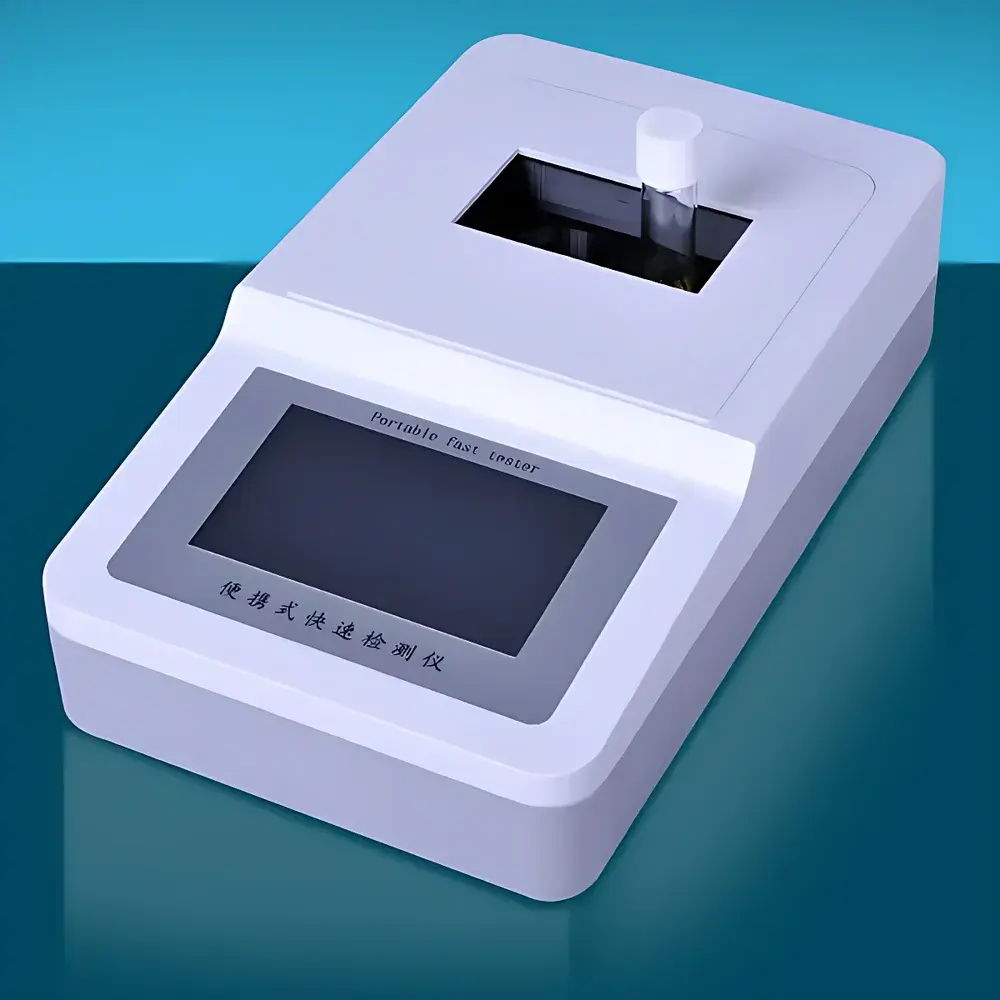
The SPb-43LSY Shrimp Phosphate Content Analyzer is a dedicated benchtop instrument engineered for rapid, quantitative determination of inorganic phosphate residues in frozen, thawed, or processed shrimp products. It operates on the principle of molybdenum blue spectrophotometry—where orthophosphate ions (PO₄³⁻) liberated during acidic digestion react with ammonium molybdate and ascorbic acid under controlled temperature and pH to form a stable phosphomolybdenum blue complex. Absorbance is measured at 880 nm using a precision single-beam photometer with integrated thermal stabilization, enabling direct quantification against pre-calibrated phosphate standards traceable to NIST SRM 314a. Designed specifically for seafood quality control laboratories, the SPb-43LSY eliminates reliance on full-scale ICP-OES or ion chromatography for routine compliance screening, delivering ISO 17025-compatible results in under 25 minutes per sample.
Key Features
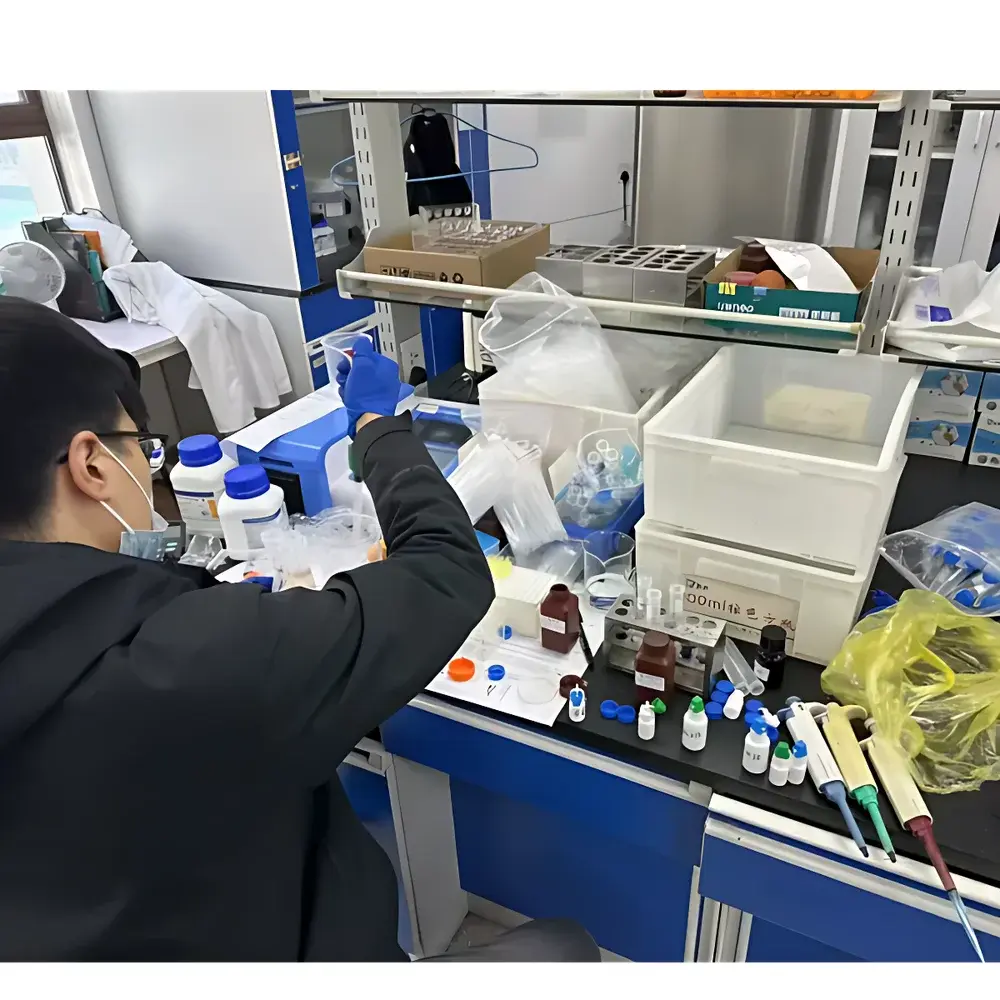
- Optimized sample preparation workflow: Integrated heating block (60–95 °C adjustable) with programmable digestion timing (5–30 min) ensures complete hydrolysis of polyphosphates (e.g., sodium tripolyphosphate, STPP) into measurable orthophosphate.
- Dual-wavelength validation: Primary measurement at 880 nm supplemented by reference reading at 700 nm to correct for turbidity and matrix interference from shrimp hemolymph proteins and chitin derivatives.
- Pre-loaded calibration curves: Factory-programmed linear and quadratic calibration models for 0–200 mg/kg and 0–1000 mg/kg phosphate ranges, compliant with EU Commission Regulation (EU) No 1333/2008 Annex II and China GB 2760–2024 maximum residue limits.
- Robust optical path: Quartz cuvette holder with fixed 10-mm pathlength and auto-zeroing function minimizes drift and operator-induced variability.
- Embedded data integrity controls: Audit trail logging (user ID, timestamp, calibration event, result export) aligned with FDA 21 CFR Part 11 requirements for electronic records in regulated food testing environments.
Sample Compatibility & Compliance
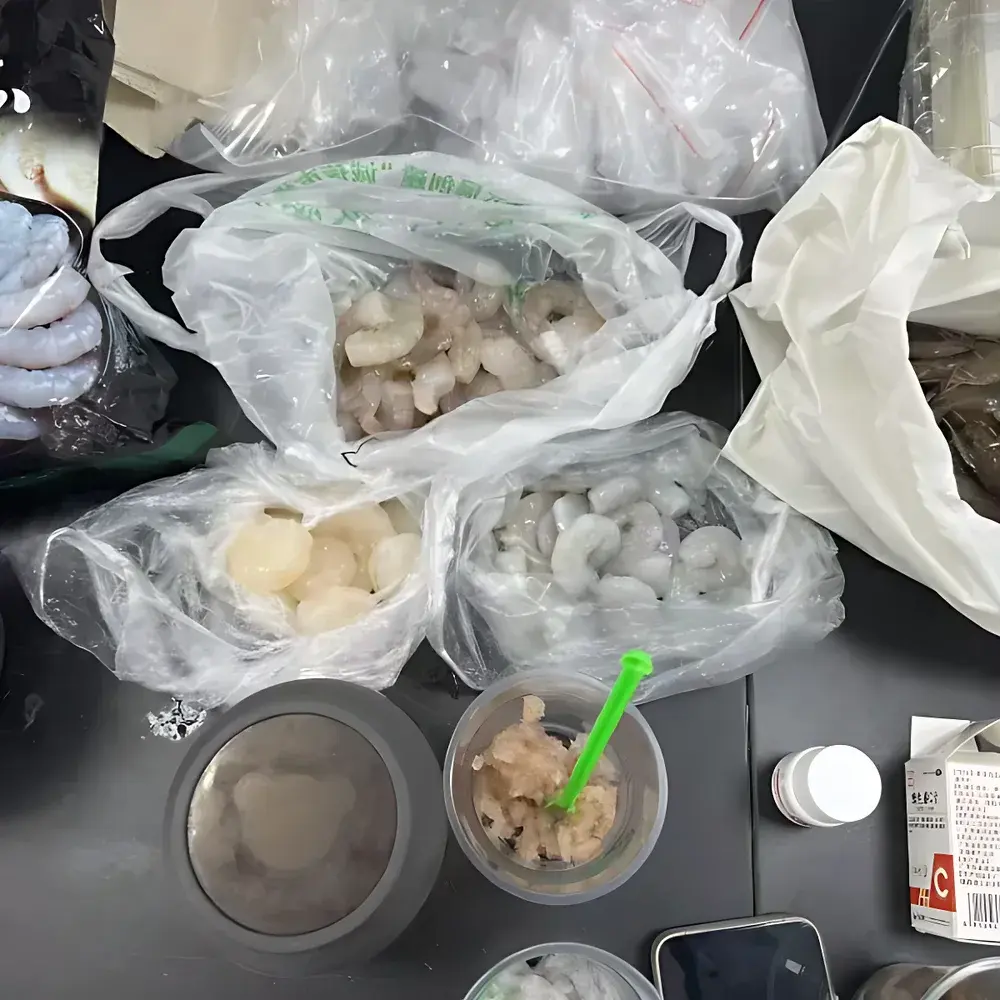
The SPb-43LSY accepts homogenized shrimp tissue samples (1.0 ± 0.1 g) prepared according to AOAC Official Method 2012.03 modifications for crustacean matrices. It accommodates raw, IQF-frozen, brined, and marinaded shrimp without solvent extraction—relying instead on HCl-based wet digestion (0.5 M, 10 mL) followed by neutralization. Validation data confirm <5% RSD across intra-lab repeatability (n=6) and inter-day reproducibility (n=3 days), meeting ISO/IEC 17025:2017 clause 7.7 performance criteria. Instrument output complies with Codex Alimentarius Standard CXS 212–1995 (Maximum Levels for Additives in Seafood) and supports GLP documentation for third-party certification (e.g., BRCGS Food Safety Issue 9, SQF Edition 9.0).
Software & Data Management
The analyzer features an embedded 7-inch capacitive touchscreen running Ruixin Analytical OS v3.2. All measurements are stored locally with automatic CSV export via USB 2.0 port; optional Bluetooth 5.0 module enables secure wireless transfer to LIMS platforms (e.g., LabWare LIMS, Thermo Fisher SampleManager). Software enforces user role-based access (Admin, Technician, Reviewer), enforces mandatory electronic signatures for result approval, and retains raw absorbance logs, calibration history, and QC check records for ≥12 months. Firmware updates are delivered via signed .bin packages verified through SHA-256 hash authentication.
Applications
- Verification of phosphate additive usage within legal thresholds during shrimp processing (e.g., anti-drip treatment, texture enhancement).
- Supplier qualification testing for imported shrimp batches subject to EU Rapid Alert System for Food and Feed (RASFF) notifications.
- In-process monitoring at thawing and marination stages to prevent over-phosphorylation leading to excessive drip loss or sensory degradation.
- Supporting HACCP plan validation for Critical Control Point #3 (chemical additive control) in seafood HACCP plans certified under FDA Seafood HACCP Regulation (21 CFR Part 123).
- Research applications including phosphate migration kinetics during frozen storage and comparative efficacy studies of alternative binders (e.g., carrageenan vs. pyrophosphates).
FAQ
What regulatory standards does the SPb-43LSY help laboratories meet?
It supports compliance with EU Regulation (EC) No 1333/2008, China GB 2760–2024, Codex Alimentarius CXS 212–1995, and FDA 21 CFR Part 123 for seafood HACCP.
Can the instrument quantify total phosphorus or only orthophosphate?
It measures orthophosphate after complete acid hydrolysis; polyphosphate conversion efficiency exceeds 98.7% per AOAC 2012.03 validation data.
Is method validation documentation included with the system?
Yes—each unit ships with a Certificate of Conformance, factory calibration report, and a Method Validation Package including LOD/LOQ, linearity (r² ≥ 0.999), and ruggedness testing per ICH Q2(R2).
Does the analyzer require external lab gases or compressed air?
No—it is fully self-contained with no consumables beyond standard reagents (HCl, ammonium molybdate, ascorbic acid) and quartz cuvettes.
How is traceability maintained for calibration standards?
Primary standards are prepared from Merck Certipur® potassium dihydrogen phosphate (Cat. No. 1.04912), traceable to NIST SRM 314a, with uncertainty ≤ ±0.15% (k=2).





