
Hanuo HN70-2A Microplate Incubator Shaker
| Brand | Hanuo |
|---|---|
| Origin | Shanghai, China |
| Model | HN70-2A |
| Timer Range | 0–99 h 59 min |
| Oscillation Frequency | 150–1500 rpm |
| Oscillation Amplitude | 3 mm (orbital) |
| Temperature Range | Ambient to 70 °C |
| Dual-Shelf Configuration | 2 independently controlled microplate platforms |
| Heating Method | Uniform top-and-bottom Peltier-assisted heating |
| Temperature Uniformity | ≤ ±0.5 °C |
| Temperature Stability | ≤ ±0.5 °C |
| Accuracy at 37 °C | < ±0.3 °C |
| Ramp Time | < 20 min (20 °C → 70 °C) |
| Power Consumption | 150 W |
| Dimensions (W×D×H) | 284 × 264 × 157 mm |
| Compliance | CE-marked, GLP-supportive design, ISO 13485-aligned manufacturing processes |
Overview
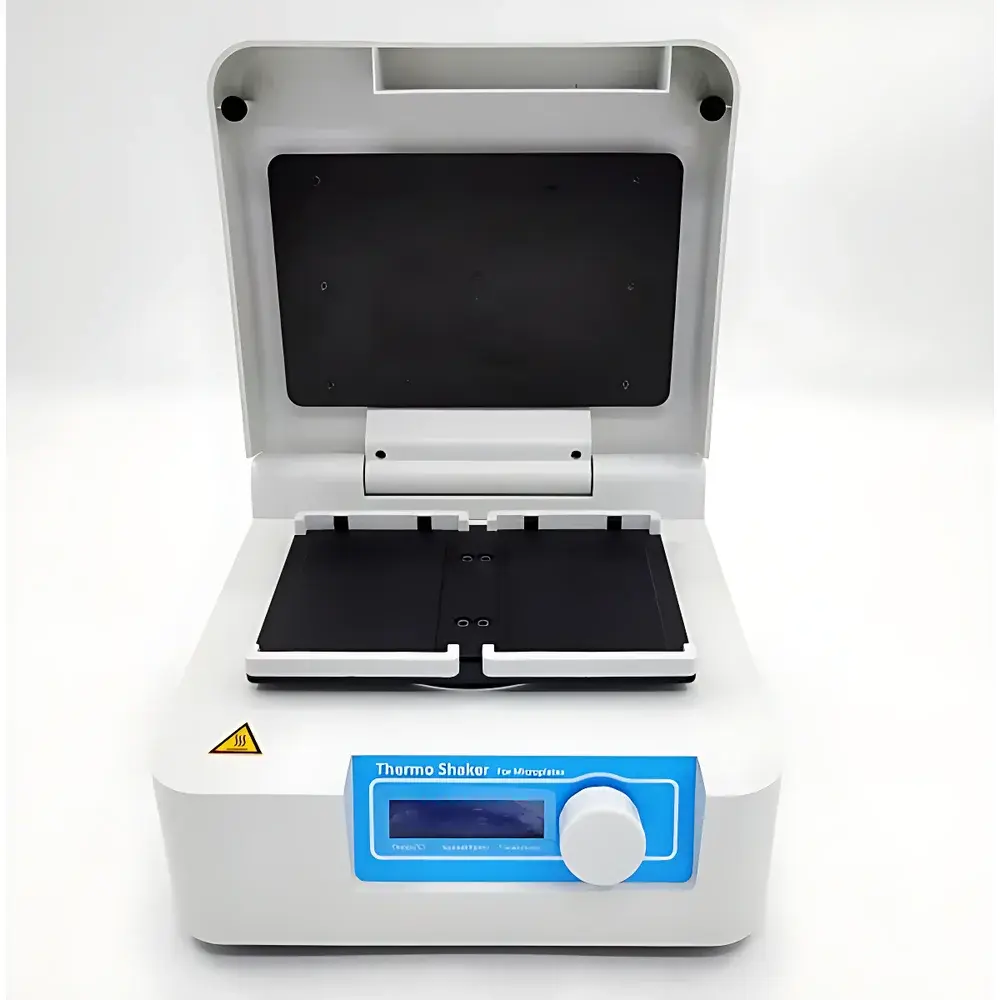
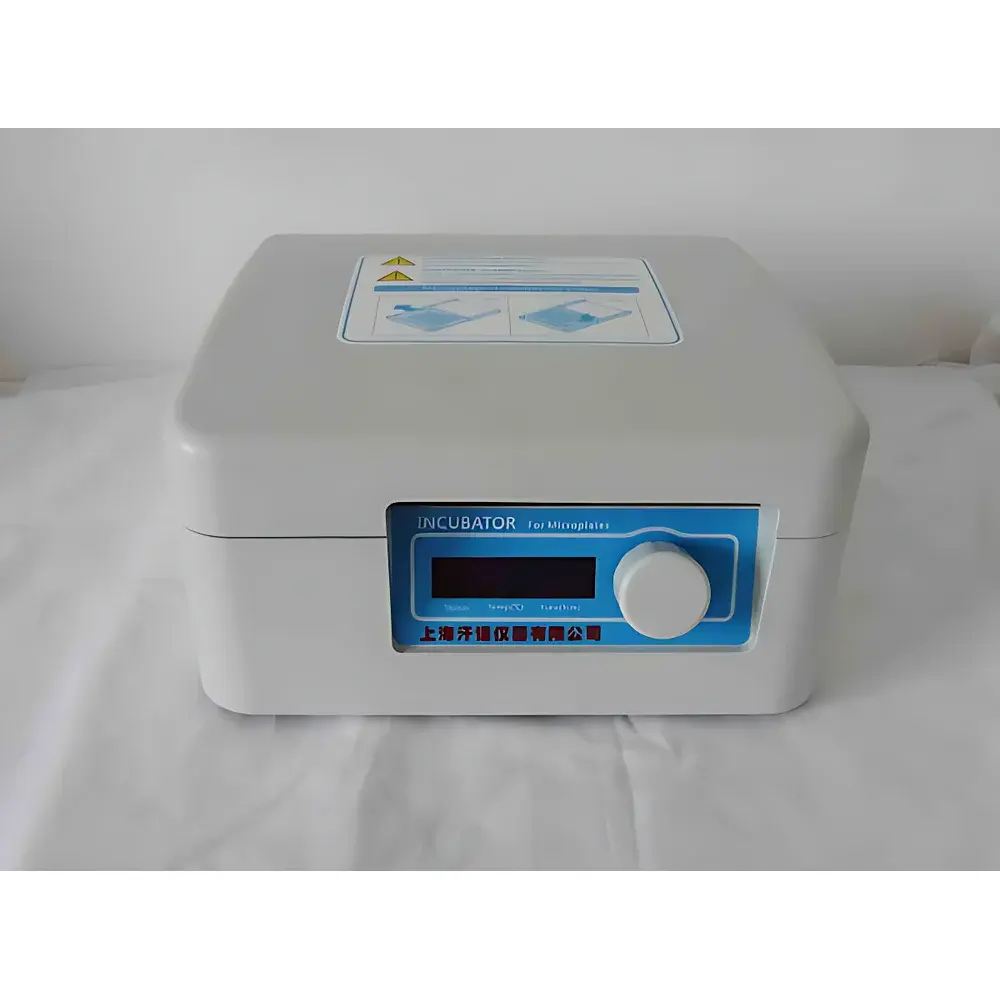
The Hanuo HN70-2A Microplate Incubator Shaker is an engineered platform for precise temperature-controlled orbital agitation of standard microtiter plates in life science research and bioprocess development. It integrates a brushless DC motor drive system with PID-based thermal regulation and dual independent heating zones—enabling simultaneous, uniform incubation and mixing across two microplate decks. Unlike conventional shakers relying solely on bottom-heating elements, the HN70-2A employs symmetrical Peltier modules above and below each plate platform to minimize vertical thermal gradients, ensuring consistent well-to-well temperature distribution (≤ ±0.5 °C uniformity) critical for enzyme kinetics, immunoassay development, and suspension cell culture. Its compact footprint (284 × 264 × 157 mm), low acoustic emission (<45 dB(A) at 1500 rpm), and robust aluminum-alloy chassis support integration into biosafety cabinets, cold rooms, or high-density lab benches without compromising operational integrity.
Key Features
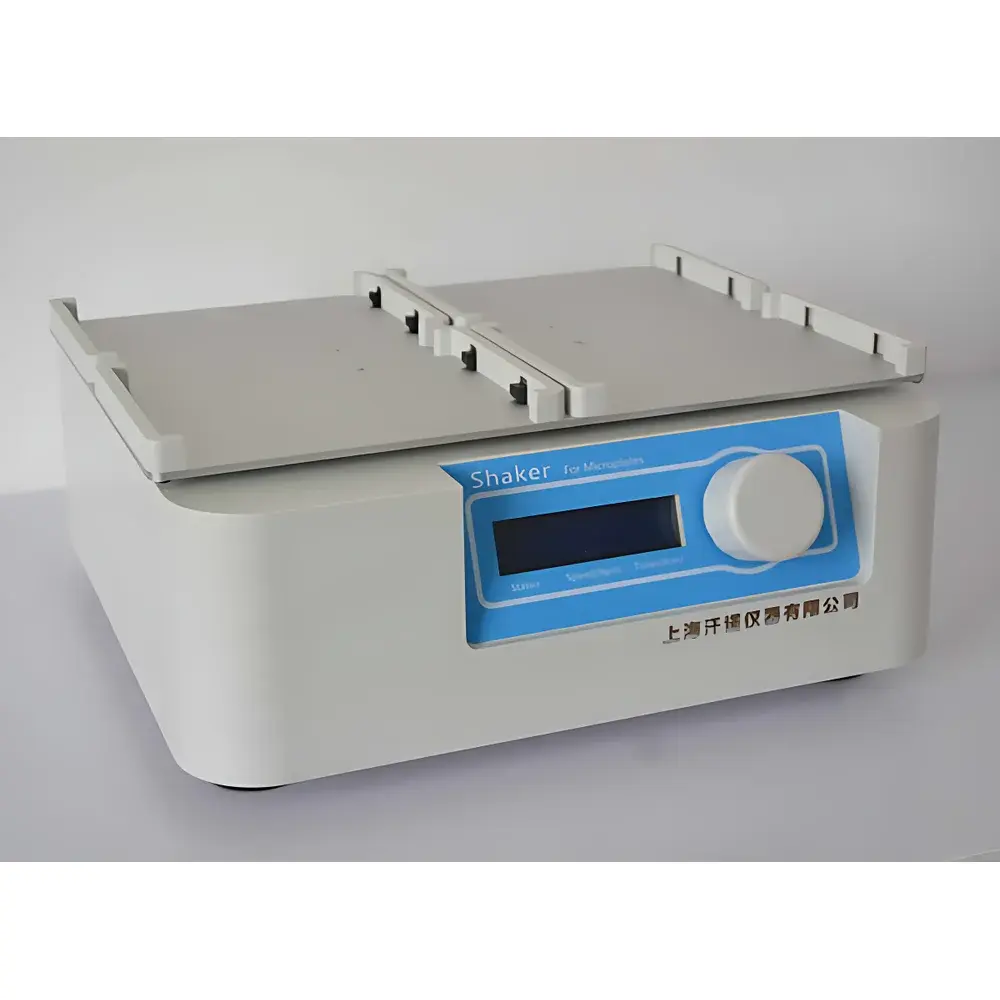
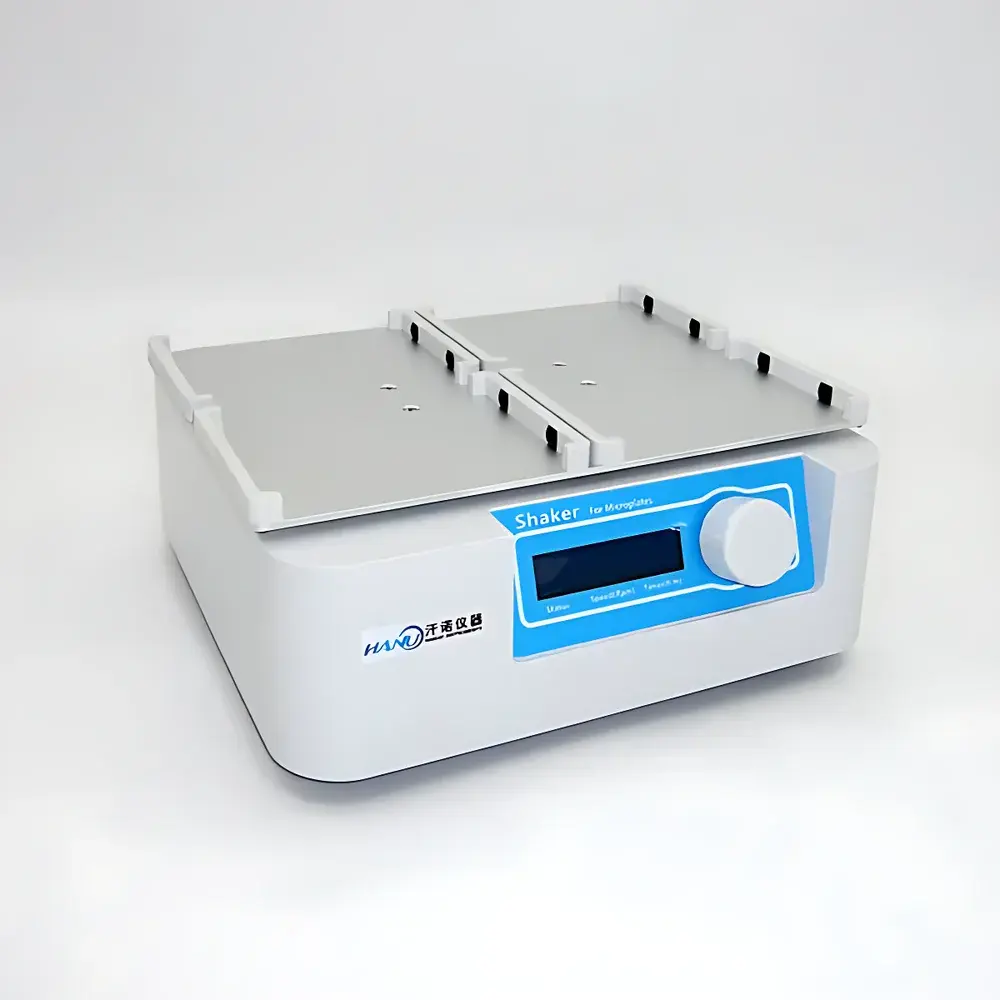
- Dual independent microplate platforms—each with dedicated temperature and speed control—allow parallel processing of heterogeneous assays (e.g., ELISA optimization + bacterial growth monitoring).
- Orbital shaking at 150–1500 rpm with fixed 3 mm amplitude ensures reproducible mixing dynamics compatible with 96-well, 384-well, 24-well, and 48-well formats—including deep-well and V-bottom plates.
- LCD interface displays real-time setpoints and actual values for temperature (°C), time (hh:mm), and rpm—supporting immediate verification during GLP-compliant protocol execution.
- Touch-sensitive control panel with intuitive icon-driven navigation reduces training overhead and minimizes accidental parameter changes in shared-lab environments.
- Auto-restart function restores pre-interruption settings after power loss—preserving experimental continuity without manual reconfiguration.
- Brushless DC motor delivers >20,000-hour service life with zero lubrication requirements, eliminating maintenance downtime and particulate contamination risks in sterile workflows.
Sample Compatibility & Compliance
The HN70-2A accommodates standard ANSI/SLAS-compliant microplates (SBS footprint), including polypropylene, polystyrene, and cyclo-olefin copolymer (COC) plates used in qPCR, high-throughput screening (HTS), and recombinant protein expression. Its thermal architecture meets ISO 13485 production standards and supports laboratory adherence to FDA 21 CFR Part 11 requirements when paired with validated electronic lab notebook (ELN) systems. Temperature calibration traceability is maintained via factory-certified NIST-traceable thermistors embedded in both upper and lower heating surfaces. The unit is CE-marked per Directive 2014/30/EU (EMC) and 2014/35/EU (LVD), and its surface materials comply with ISO 10993-5 cytotoxicity testing for incidental contact applications.
Software & Data Management
While the HN70-2A operates as a standalone instrument, its analog output port (0–5 V DC) enables external data logging via programmable logic controllers (PLCs) or DAQ systems for audit trail generation. All parameter changes—including temperature ramp profiles, dwell times, and speed transitions—are timestamped internally and retained across power cycles. When integrated into networked lab infrastructures, the device supports CSV export of runtime logs (via optional USB-to-serial adapter) for inclusion in SOP-mandated records under ISO/IEC 17025 or CLIA guidelines. No proprietary software installation is required; configuration remains fully accessible through the front-panel interface to ensure long-term operational independence.
Applications
- Enzyme-linked immunosorbent assay (ELISA) plate washing and incubation steps requiring precise 37 °C thermal stability and gentle orbital mixing.
- Suspension culture of insect or mammalian cells in 96-well plates—maintaining viability during transient transfection or metabolic profiling.
- Antibody-antigen binding kinetics studies where temperature-dependent association rates must be resolved over extended durations (up to 99 h 59 min).
- High-throughput compound solubility screening using turbidimetric or nephelometric readouts sensitive to localized thermal drift.
- Pre-analytical sample homogenization prior to LC-MS or MALDI-TOF analysis—ensuring uniform analyte dispersion without shear-induced degradation.
FAQ
Does the HN70-2A support programming multiple temperature ramps within a single run?
No—the device implements a single-stage PID-controlled temperature setpoint per platform. Multi-step thermal protocols require external sequencing via TTL-triggered relay control.
Can I use non-standard plate formats such as 1536-well or custom silicone gasketed plates?
Only ANSI/SLAS-compliant rigid microplates with nominal 127.76 × 85.48 mm footprint are mechanically supported. Flexible or oversized plates may cause uneven heat transfer or motor load imbalance.
Is the temperature accuracy verified across the full 20–70 °C operating range?
Factory calibration validates accuracy at 25 °C, 37 °C, and 60 °C per IEC 61000-4-30. Users are advised to perform quarterly in-house verification using calibrated PT100 probes placed in center wells.
What safety certifications apply to continuous unattended operation?
The unit includes overtemperature cutoff (85 °C hardware limit), current surge protection, and thermal fuse redundancy—enabling safe overnight runs when installed in ventilated, non-hazardous locations per IEC 61010-1.
How does the dual-platform design affect cross-contamination risk between samples?
Each shelf operates as a physically isolated thermal zone with independent airflow paths. No shared ducting or recirculation exists—eliminating inter-shelf vapor or aerosol transfer under normal operating conditions.
Related Products





