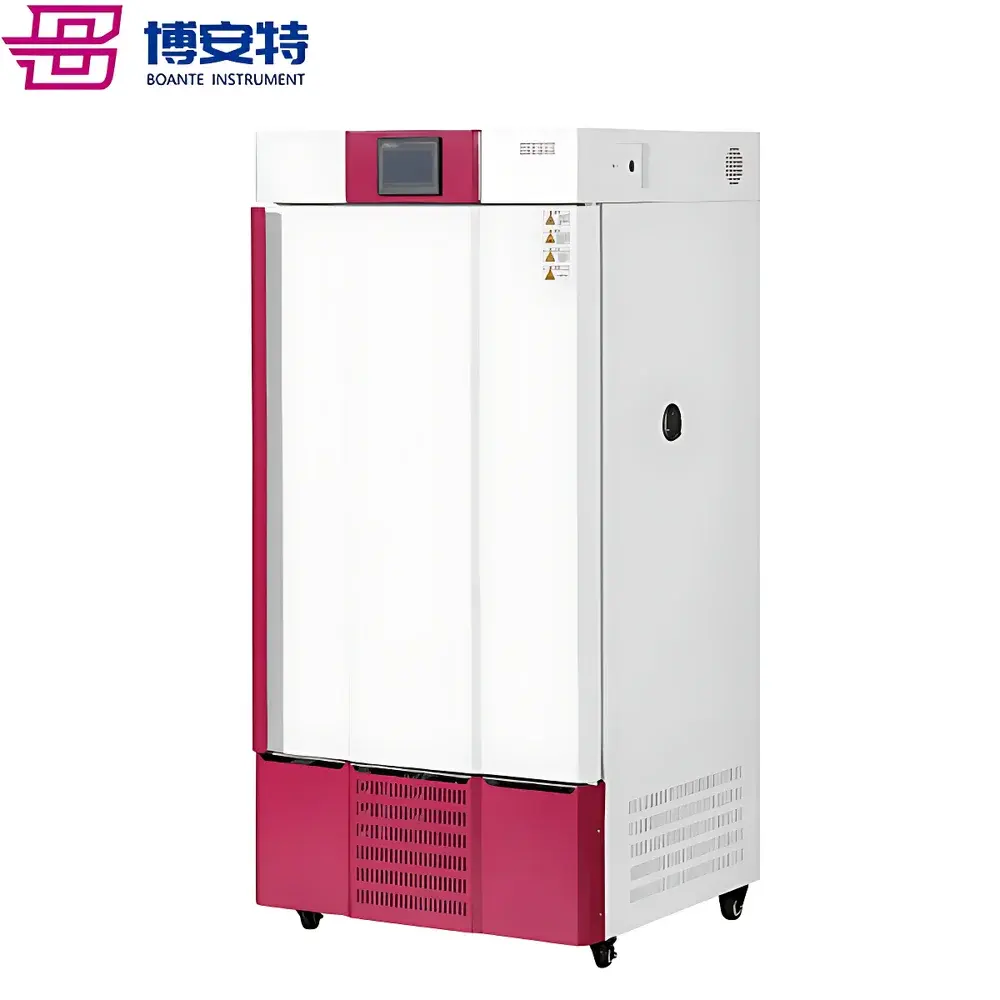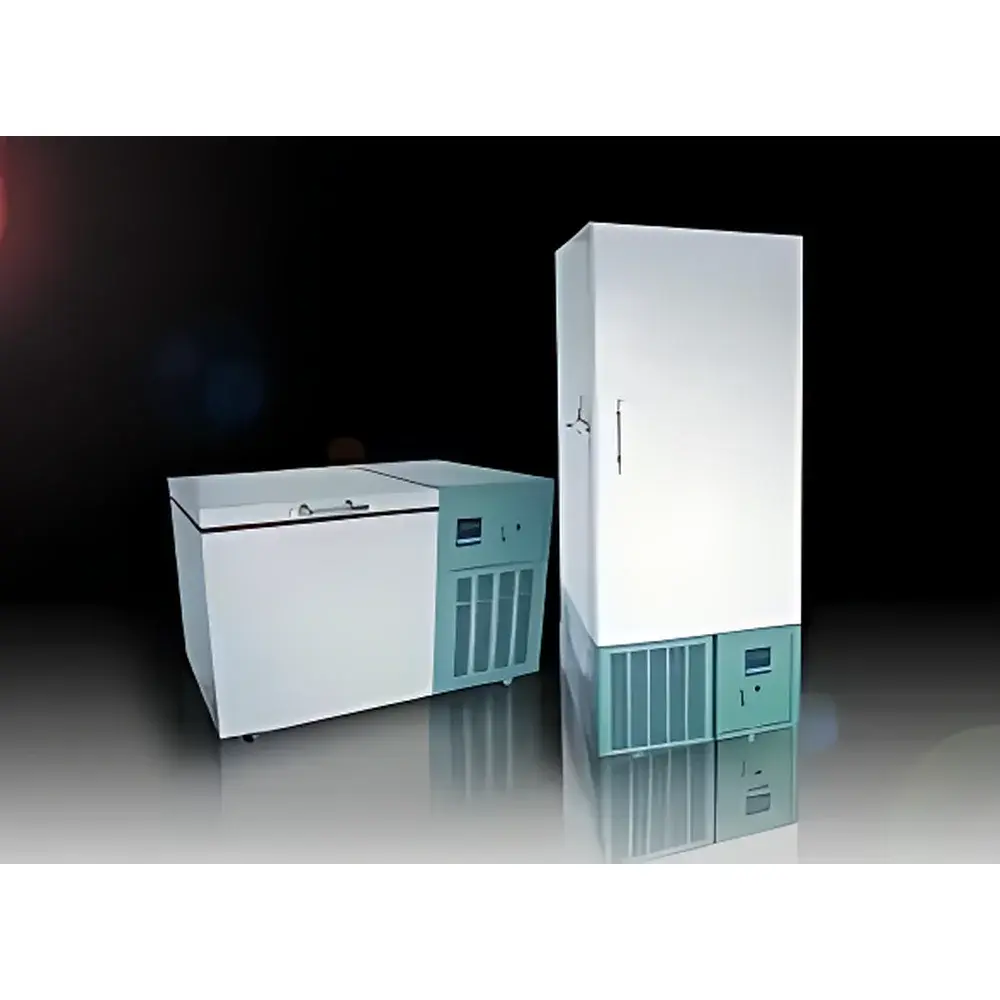
Hanuo HN-40-208-WA -40°C Ultra-Low Temperature Upright Freezer
| Brand | Hanuo |
|---|---|
| Origin | Shanghai, China |
| Model | HN-40-208-WA |
| Type | Laboratory Ultra-Low Temperature Freezer (−40 °C operating range) |
| Effective Volume | 200 L |
| Rated Power | 430 W |
| Voltage | AC 220 V, 50 Hz |
| Cabinet Style | Upright |
| Weight | 120 kg |
| Compliance | Designed for GLP-compliant sample storage environments |
| Application Scope | Blood banks, clinical laboratories, biobanks, pharmaceutical R&D, and life science research facilities |
Overview
The Hanuo HN-40-208-WA is a purpose-engineered upright ultra-low temperature freezer designed to maintain stable thermal conditions at −40 °C across its full 200 L working chamber. Unlike cryogenic storage systems operating below −80 °C, this unit occupies a critical niche in mid-range low-temperature preservation—optimized for long-term stability of temperature-sensitive biological materials including plasma, serum, tissue homogenates, enzyme solutions, and certain vaccine formulations. Its refrigeration architecture employs a cascade or high-efficiency dual-stage compressor system (industry-standard for −40 °C stability), coupled with vacuum-insulated panel (VIP) door construction and polyurethane foam cavity insulation to minimize thermal leakage and ensure uniform internal temperature distribution (±2.5 °C max deviation across load). The unit meets fundamental environmental performance criteria per IEC 60068-2-1 (cold testing) and operates within ambient temperature ranges of +10 °C to +32 °C, making it suitable for standard laboratory HVAC environments without dedicated cold rooms.
Key Features
- Stable −40 °C operating setpoint with microprocessor-controlled PID temperature regulation and real-time digital display (0.1 °C resolution)
- Upright configuration with three adjustable stainless-steel shelves and removable ABS-coated wire baskets for flexible sample organization
- Dual-door design with magnetic gasket seals and automatic door-closing assist mechanism to reduce cold loss during frequent access
- Alarm system with audible/visual alerts for high-temperature excursions, power failure, door ajar, and sensor fault conditions
- Energy-efficient operation certified to GB/T 8059-2016 (Chinese national standard for household and similar electrical appliances – refrigerators), with verified 430 W rated input power under standard test conditions
- Robust construction: 0.8 mm pre-galvanized steel outer cabinet, 304 stainless-steel inner liner, and reinforced structural frame for durability in high-traffic lab settings
Sample Compatibility & Compliance
The HN-40-208-WA supports storage of primary and secondary containers compliant with ISO 8655 (volumetric instruments), ASTM E2739 (cryovial labeling), and USP (container closure integrity for biologics). It is routinely deployed in blood bank workflows aligned with AABB Standards for Blood Banks and Transfusion Services (Section 5.12.2), and in clinical labs adhering to CLIA ’88 requirements for specimen integrity. While not classified as a medical device under FDA 21 CFR Part 820, the unit is validated for use in GLP- and GMP-aligned environments where documented temperature mapping, alarm log retention (>30 days), and manual calibration traceability (via NIST-traceable reference thermometer) are maintained per internal SOPs. No integrated data logger is included; external validation-grade loggers (e.g., Vaisala, Omega) are recommended for audit-ready monitoring.
Software & Data Management
This model operates via embedded firmware without cloud connectivity or proprietary software. All operational parameters—including setpoint, actual chamber temperature, alarm history, and runtime hours—are accessible via the front-panel LCD interface. Alarm events are timestamped and stored locally in non-volatile memory for manual review. For regulated environments requiring electronic records, integration with third-party environmental monitoring systems (EMS) is supported through optional analog (4–20 mA) or digital (RS485 Modbus RTU) output interfaces—enabling linkage to platforms such as SensiML, TempTale®, or custom LabVantage LIMS deployments. Audit trail generation, user access control, and 21 CFR Part 11 compliance must be implemented externally via the EMS layer.
Applications
- Long-term archival storage of human plasma and serum samples in clinical biobanking operations
- Stabilization of diagnostic reagents, monoclonal antibody stocks, and PCR master mixes prior to distribution
- Intermediate cold storage for cell culture supernatants and lysates awaiting downstream proteomic or metabolomic analysis
- Backup cold chain maintenance in hospital central labs during primary ultra-low freezer maintenance cycles
- Field-deployable cold storage for marine biological sampling (e.g., fish gonad, plankton extracts) in fisheries research vessels with stabilized shore power
- Pre-freezing staging zone for samples prior to transfer into −80 °C or liquid nitrogen systems
FAQ
What is the minimum ambient temperature required for reliable operation?
The unit is rated for continuous operation in ambient environments between +10 °C and +32 °C. Below +10 °C, compressor oil viscosity increases and may impair startup reliability.
Can this freezer be used for storing vaccines requiring −20 °C?
Yes—its adjustable setpoint range covers −15 °C to −40 °C, enabling precise targeting of −20 °C with ±1.5 °C stability under static load conditions.
Is the interior compatible with ethanol-based decontamination protocols?
The 304 stainless-steel liner and ABS-coated shelving resist corrosion from 70% ethanol wipes; however, prolonged exposure to >95% ethanol or acetone is not recommended.
Does the unit include a certificate of conformance or factory calibration report?
A manufacturer’s CoC is supplied with shipment; calibration verification against NIST-traceable references must be performed on-site by qualified personnel prior to first use.
What maintenance intervals are recommended?
Condenser coil cleaning every 3 months (in dusty environments) and annual verification of door seal integrity and alarm functionality are advised per ISO/IEC 17025-aligned lab maintenance schedules.