
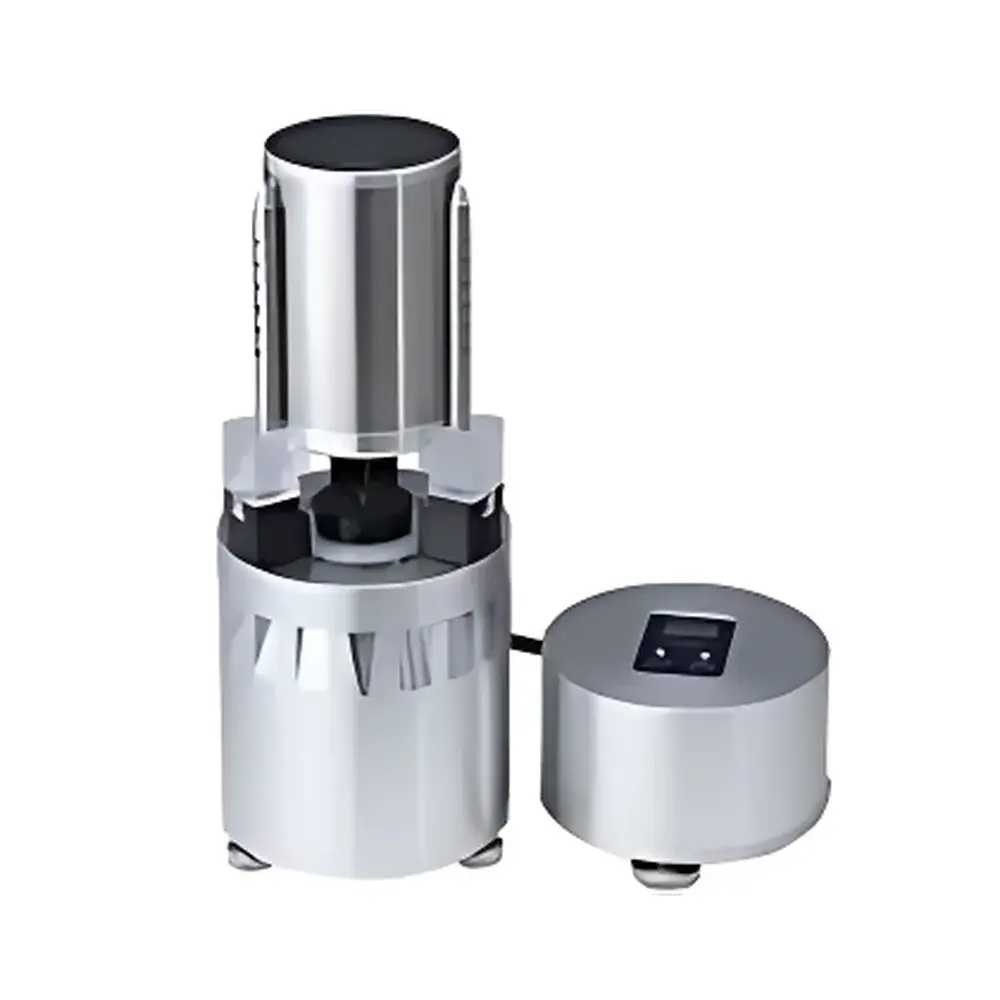
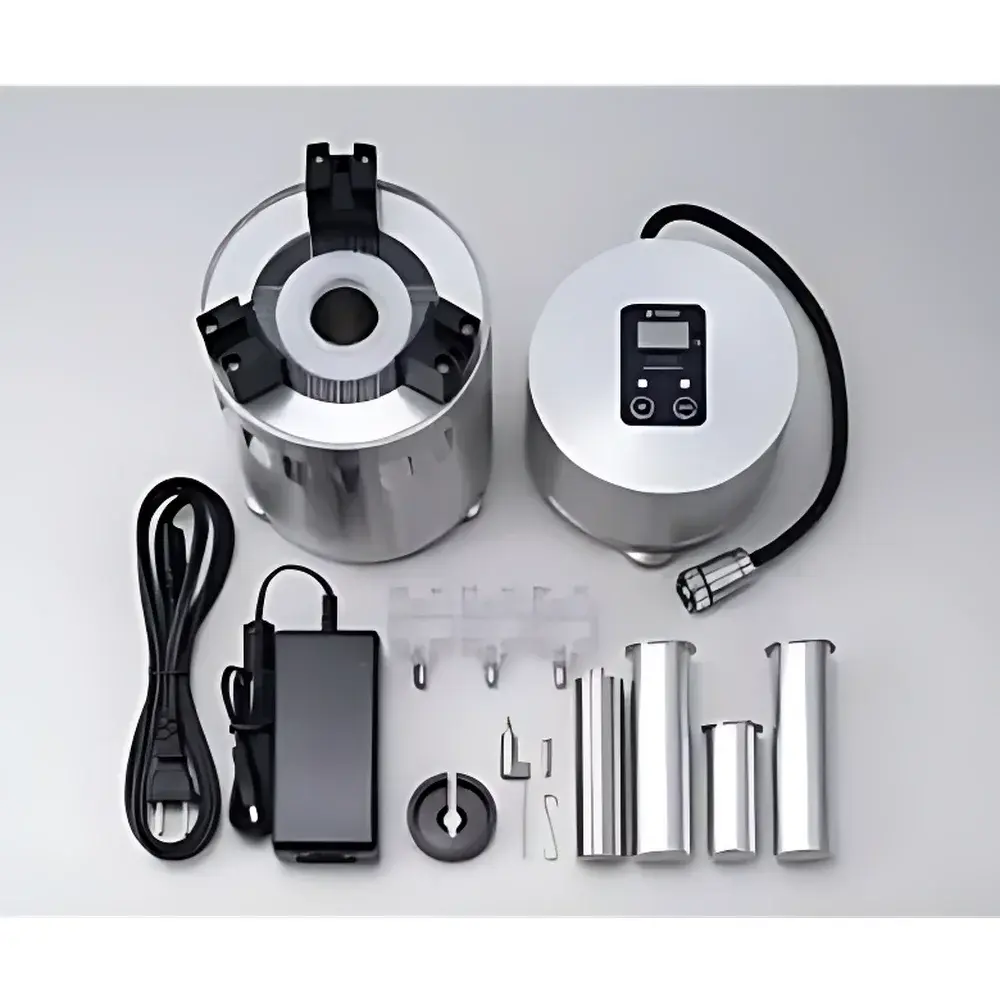
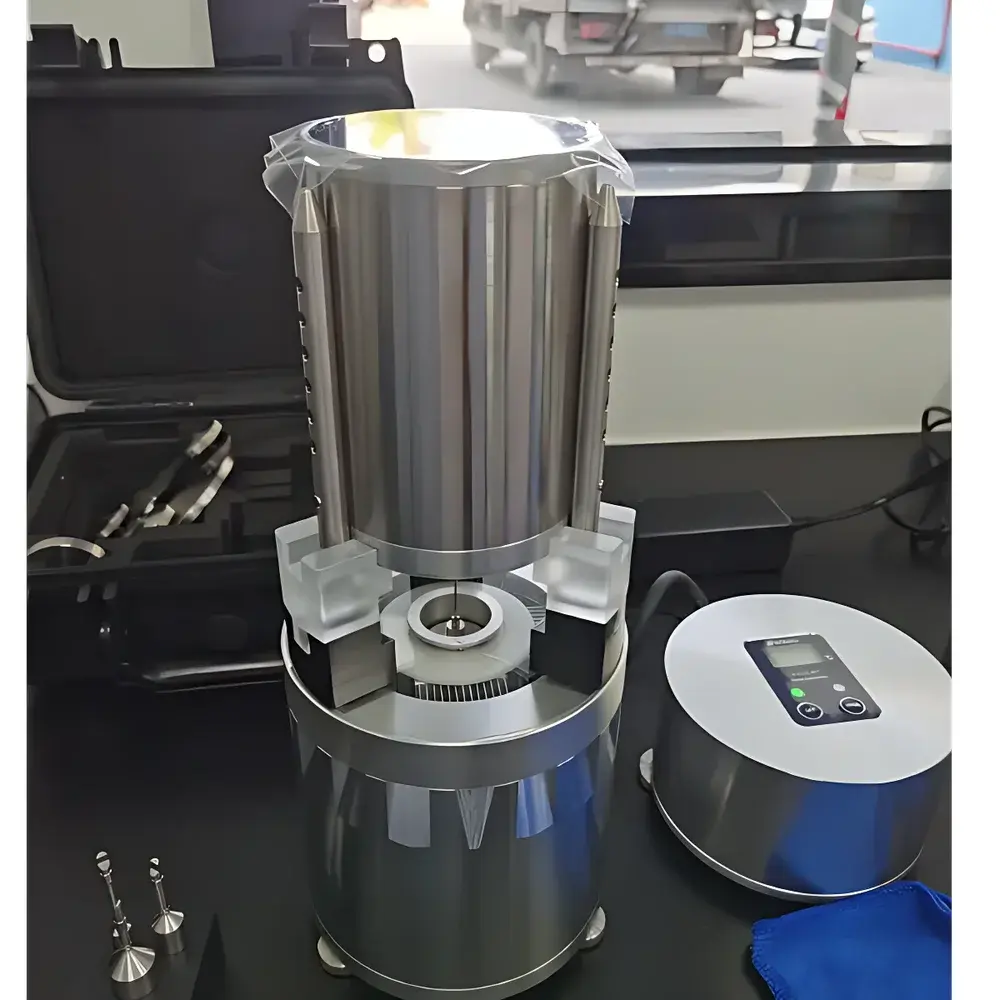
ATAGO VISCO Series Temperature-Controlled Rotational Viscometer
| Brand | ATAGO |
|---|---|
| Origin | Japan |
| Manufacturer Type | Authorized Distributor |
| Product Category | Imported Instrument |
| Model | VISCO Temperature-Controlled Rotational Viscometer |
| Instrument Type | Portable Rotational Viscometer |
| Operating Environment | Ambient Temperature |
| Viscosity Range | 50–99,999,999 mPa·s |
| Temperature Control Range | 5.0–90.0 °C |
| Temperature Resolution | 0.1 °C |
| Temperature Accuracy | ±0.2 °C |
Overview
The ATAGO VISCO Series Temperature-Controlled Rotational Viscometer is an engineered solution for precise, field-deployable viscosity measurement of industrial fluids under controlled thermal conditions. Based on the principle of rotational viscometry—where a motor-driven spindle rotates at a defined shear rate within the sample and the resulting torque (shear stress) is measured to calculate dynamic viscosity—the instrument delivers reliable apparent viscosity data for both Newtonian and non-Newtonian fluids. Unlike immersion-type or capillary viscometers, the VISCO series integrates a built-in Peltier-based temperature control module, eliminating dependency on external water baths and enabling rapid, stable thermal equilibration from 5.0 °C to 90.0 °C. This architecture supports reproducible measurements in compliance with ASTM D2196, ISO 2555, and ISO 3219 standards for rotational rheological characterization.
Key Features
- Integrated Peltier temperature control system with ±0.2 °C accuracy and 0.1 °C resolution across 5.0–90.0 °C range
- Portable, compact chassis constructed entirely from corrosion-resistant stainless steel for durability in lab and field environments
- Modular rotor system: interchangeable spindles optimized for low-, medium-, and high-viscosity ranges (50–99,999,999 mPa·s)
- Minimal sample requirement: as low as 15 mL per test—compatible with disposable paper cups to eliminate cross-contamination and reduce cleaning overhead
- Dual power operation: AC adapter support for benchtop use and standard AA batteries for extended off-grid deployment
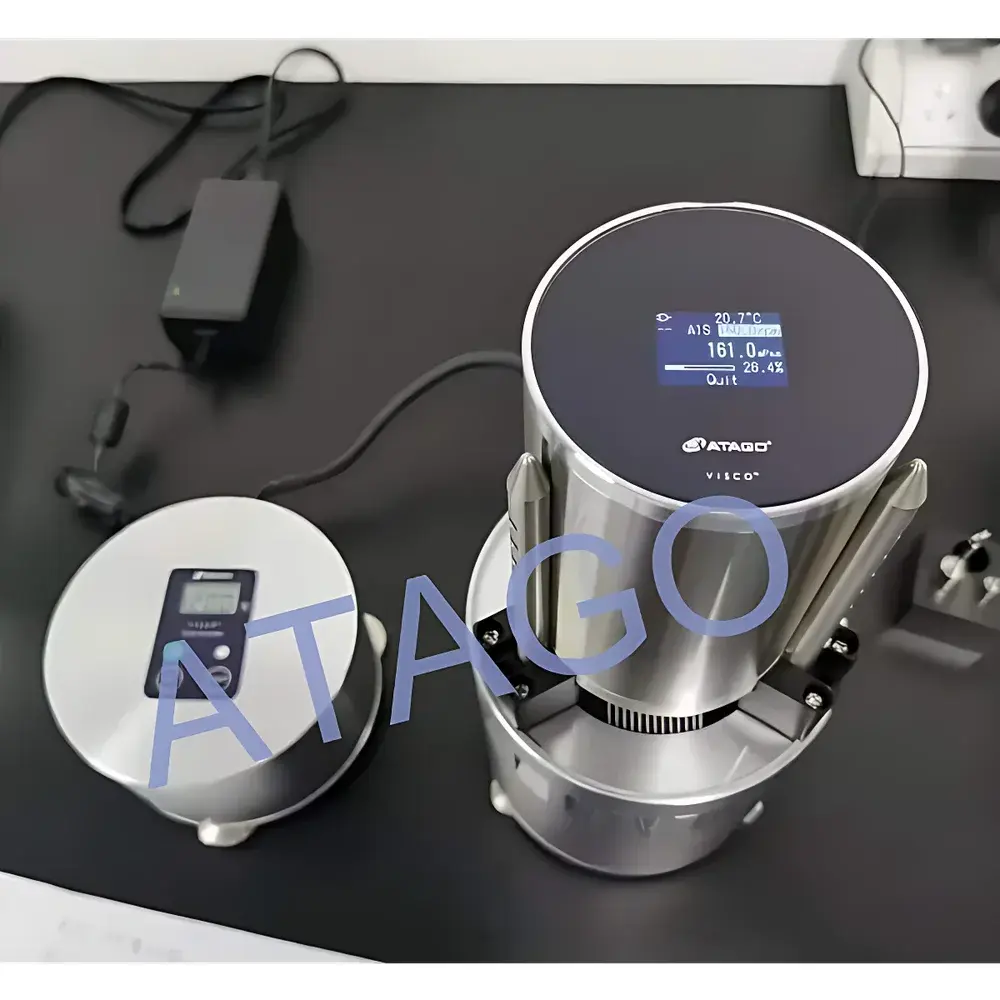
- Backlit LCD display showing real-time viscosity (mPa·s), % torque, selected rotor ID, and current temperature
- USB 2.0 interface for direct data export to Windows-based PCs; compatible with ATAGO’s proprietary data logging software for time-stamped traceability
Sample Compatibility & Compliance
The VISCO series accommodates a broad spectrum of industrial and research-grade samples—including crude oil, lubricants, polymer melts, pharmaceutical suspensions, food emulsions, and coating formulations—without requiring dilution or pre-conditioning. Its sealed rotor design minimizes evaporation effects during elevated-temperature testing. The instrument meets essential regulatory expectations for routine QC workflows: temperature calibration traceable to NIST-certified references, mechanical stability validated per ISO 17025-accredited procedures, and operational parameters aligned with GLP documentation requirements. While not FDA 21 CFR Part 11–certified out-of-the-box, audit-ready data logs—including operator ID, timestamp, temperature setpoint, rotor code, and raw torque values—can be exported in CSV format for integration into validated LIMS or ELN platforms.
Software & Data Management
Data acquisition is managed via ATAGO’s dedicated VISCO Control Software (v3.2+), which supports real-time graphing of viscosity vs. temperature profiles, multi-point shear rate sweeps, and automatic calculation of flow behavior index (n) and consistency coefficient (K) for power-law modeling. All measurement sessions are assigned unique session IDs and stored with embedded metadata: ambient humidity (via optional external sensor input), battery voltage status, and firmware revision. Export functions include PDF report generation with embedded calibration certificates and Excel-compatible .csv files suitable for statistical process control (SPC) analysis. USB transfer ensures no cloud dependency—critical for secure environments subject to ITAR or internal data governance policies.
Applications
- Petroleum & Fuels: Crude oil viscosity profiling across reservoir temperature gradients; lubricant aging assessment; diesel and biodiesel cold-flow behavior
- Chemical Manufacturing: Polymer solution viscosity monitoring during synthesis; adhesive and sealant cure kinetics; surfactant micelle formation thresholds
- Food & Beverage: Quality control of honey crystallization onset; ketchup yield stress estimation; yogurt syneresis tracking; chocolate tempering consistency validation
- Pharmaceuticals: Suspension stability screening; ointment extrudability evaluation; parenteral formulation viscosity prior to filtration
- Coatings & Inks: Rheological fingerprinting of water-based paints; rheology modifiers efficacy testing; ceramic slip viscosity optimization
- Academic Research: Teaching rotational viscometry fundamentals; undergraduate fluid mechanics labs; graduate-level non-Newtonian flow modeling
FAQ
Does the VISCO series comply with ISO/IEC 17025 calibration requirements?
Yes—each unit ships with a factory calibration certificate referencing traceable standards; users may perform interval verification using certified viscosity reference oils (e.g., Cannon-Fenske or Brookfield SRM series).
Can the instrument measure yield stress?
No—it operates in continuous-shear mode and does not support controlled-stress ramping; for yield stress determination, a dedicated controlled-stress rheometer is recommended.
Is rotor calibration required before each measurement?
No—rotors are pre-calibrated and identified automatically via engraved codes; however, visual inspection for damage or residue is advised prior to immersion.
What is the maximum allowable sample particulate size?
Particles should be <100 µm in diameter to prevent rotor jamming or torque sensor overload; filtration through a 100-µm mesh is recommended for heterogeneous samples.
How often should temperature calibration be verified?
ATAGO recommends quarterly verification using a calibrated PT100 probe immersed alongside the sample cup, especially when operating near temperature extremes (≤10 °C or ≥85 °C).



