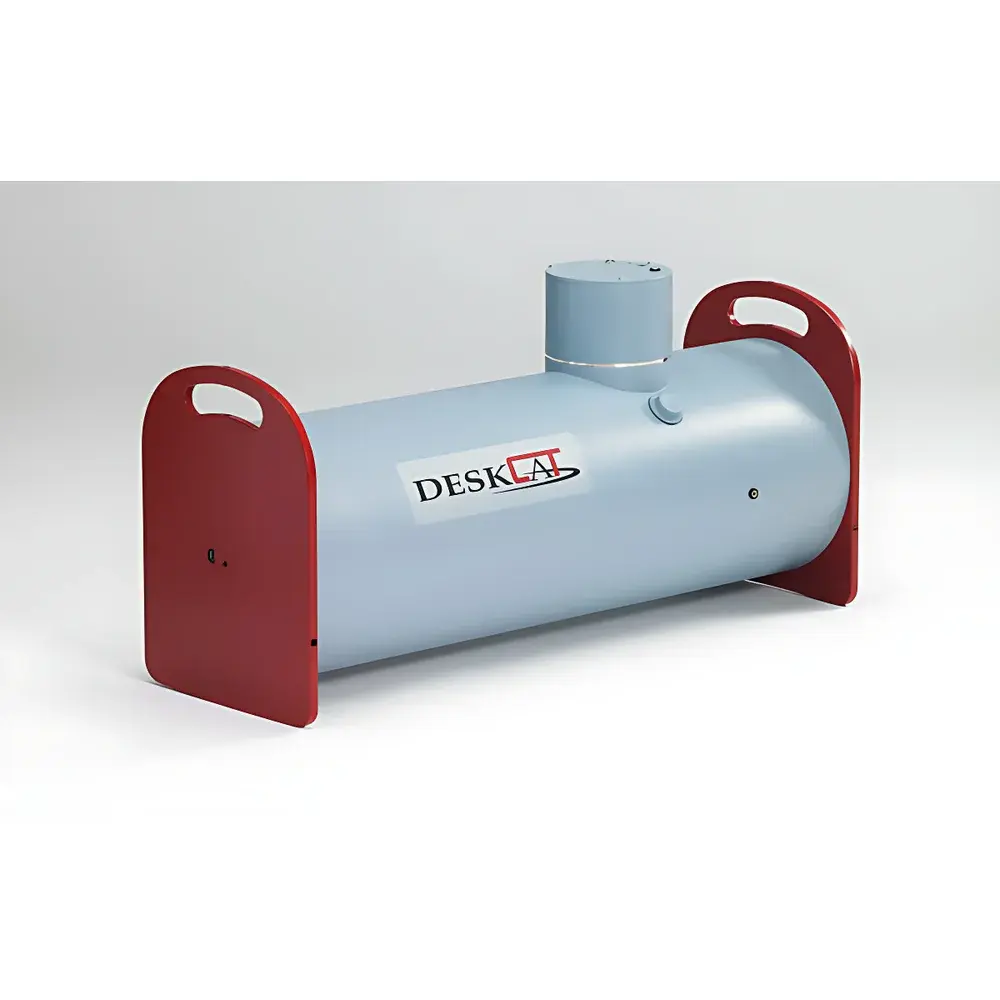
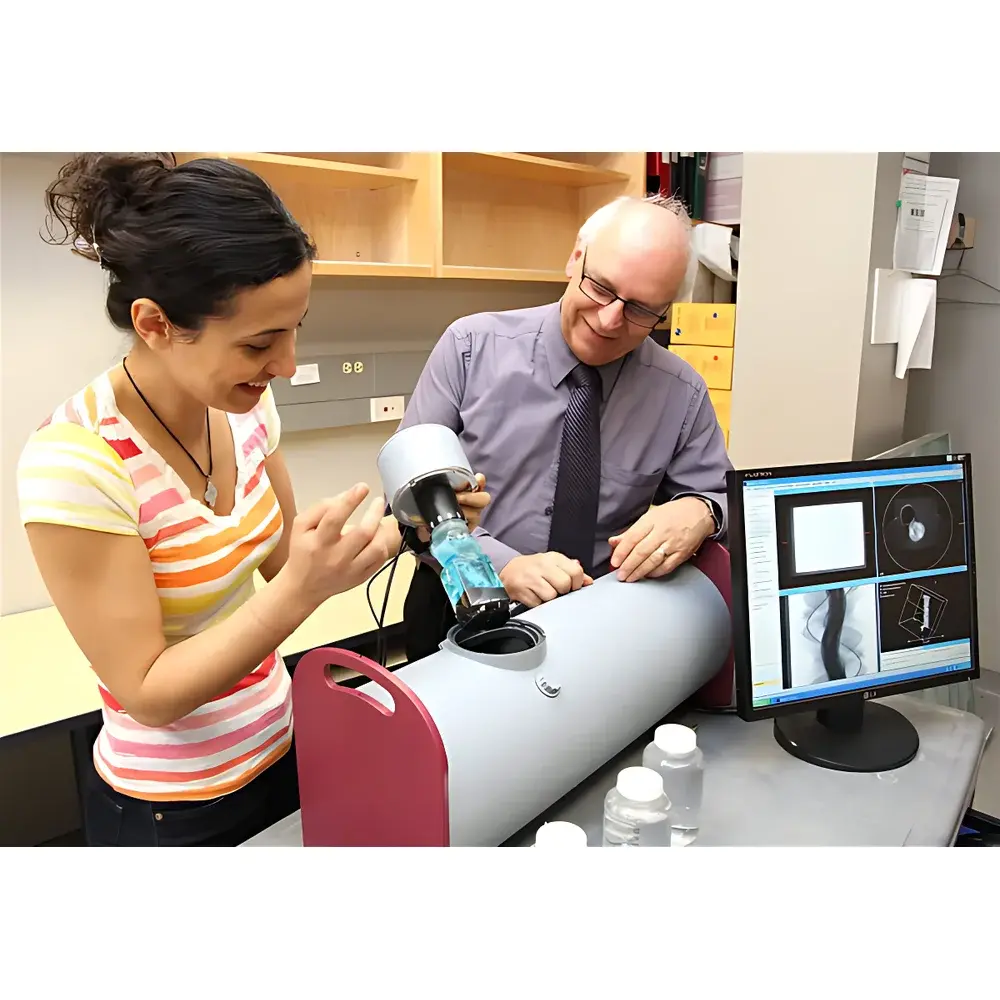
DeskCAT Interactive Optical CT Teaching System
| Origin | Canada |
|---|---|
| Manufacturer Type | Distributor |
| Origin Category | Imported |
| Model | DeskCAT |
| Quotation | Upon Request |
| Medical Device Registration Number | Not Applicable |
Overview
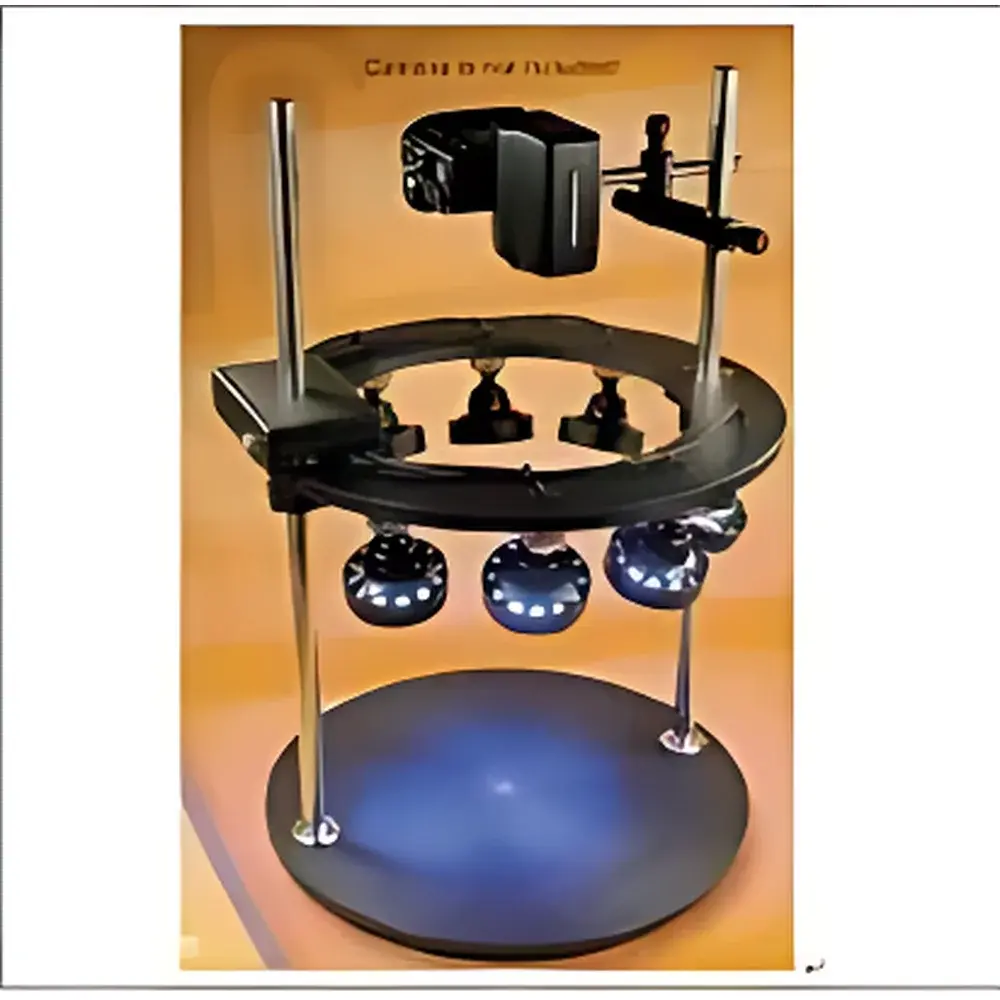
The DeskCAT Interactive Optical CT Teaching System is a purpose-built, benchtop optical computed tomography (CT) platform engineered for pedagogical rigor in medical imaging education. Unlike conventional X-ray CT systems, DeskCAT employs visible-light cone-beam geometry—comprising a high-resolution CMOS camera, collimated LED illumination, and a motorized 360° rotating sample stage—to simulate the fundamental physics and reconstruction workflows of clinical CT without ionizing radiation. Its compact footprint (63 cm × 23 cm × 33 cm) and lightweight design (10 kg) enable seamless integration into undergraduate physics labs, biomedical engineering classrooms, and radiology training suites. The system reconstructs cross-sectional and volumetric datasets from projection images acquired at user-defined angular increments, providing students with direct insight into Radon transform inversion, filtered backprojection algorithms, and the geometric constraints inherent to fan-beam versus cone-beam acquisition geometries.
Key Features
- Optical CT architecture using safe, non-ionizing visible light—eliminates radiation safety protocols and regulatory barriers associated with X-ray sources
- Modular, open-architecture design supporting hands-on experimentation with beam geometry, detector alignment, and sampling density
- Real-time image acquisition and iterative reconstruction via DeskCAT™ software—enabling immediate feedback on parameter adjustments (e.g., angular step size, exposure time, reconstruction kernel)
- Quantitative analysis tools for spatial resolution (MTF), contrast-to-noise ratio (CNR), edge response function (ERF), and point spread function (PSF) characterization
- Programmable phantom rotation and LED intensity control for systematic study of motion artifacts, detector failure effects, and projection data incompleteness
- Native support for dual-energy simulation through spectral filtering and intensity-ratio reconstruction workflows
- Comprehensive hardware-software synchronization ensuring traceable, reproducible experimental conditions across student cohorts
Sample Compatibility & Compliance
DeskCAT accommodates standardized acrylic and polymer-based phantoms—optically transparent or semi-transparent—with diameters up to 120 mm and heights up to 80 mm. All phantoms are precision-machined to ISO 12233-compliant test patterns (e.g., slanted-edge, bar-pattern, and star-target geometries) for objective performance validation. As an educational device—not a diagnostic instrument—it falls outside the scope of FDA 21 CFR Part 809, Health Canada’s Medical Devices Regulations (SOR/98-282), and EU MDR Annex XVI classification. However, its software architecture incorporates audit-trail logging, user authentication, and version-controlled experiment templates—aligning with GLP principles for academic integrity and assessment traceability.
Software & Data Management
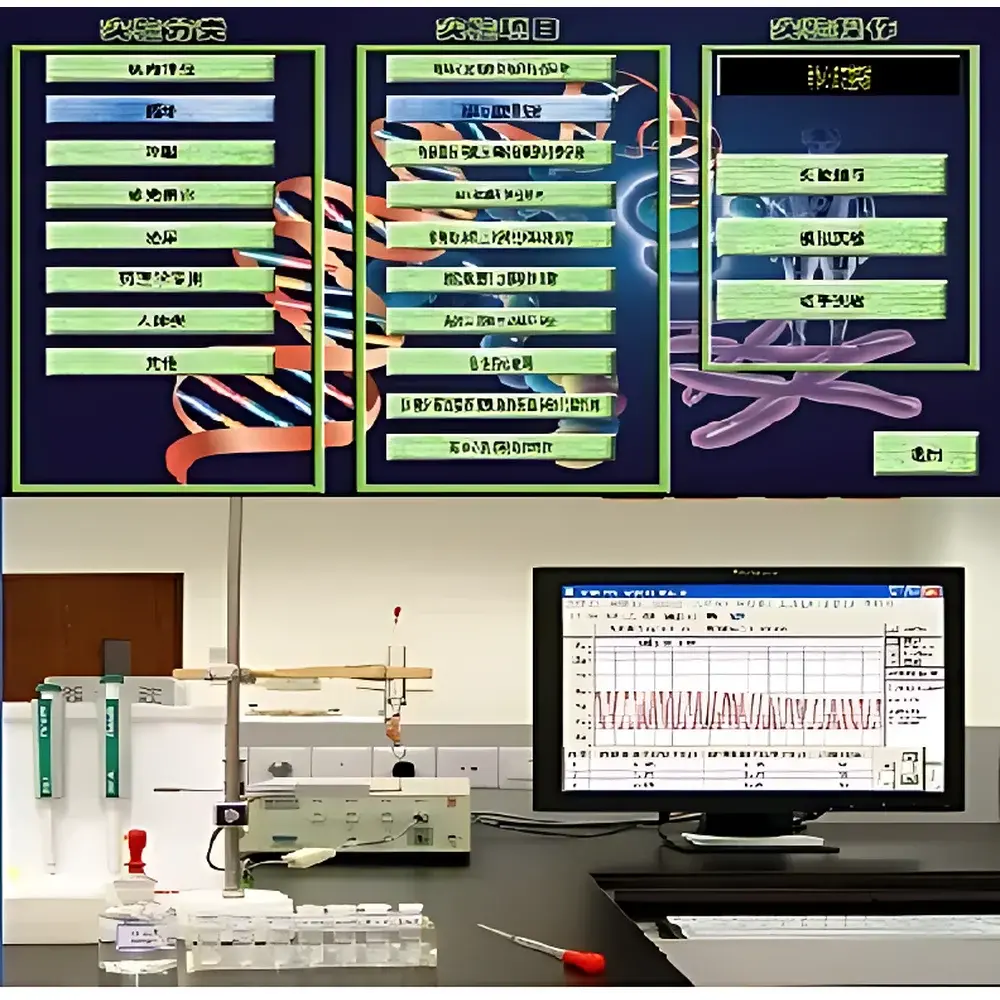
The DeskCAT™ software suite runs on Windows 10/11 (64-bit) and provides a structured, module-driven interface for guided inquiry. Each of the nine standardized experiments includes pre-configured acquisition protocols, reference ground-truth reconstructions, and embedded theory primers. Raw projection datasets are stored in vendor-neutral DICOM-SR and HDF5 formats; reconstructed volumes export as NIfTI-1 or MetaImage (.mhd/.raw) for compatibility with third-party visualization tools (e.g., 3D Slicer, ImageJ). Software features include ROI-based quantitative measurement overlays, MTF curve fitting with error propagation reporting, and side-by-side comparison of ideal vs. artifact-degraded reconstructions. All user actions—including parameter edits, reconstruction method selection, and annotation timestamps—are logged in an immutable CSV audit trail compliant with institutional data governance policies.
Applications
- Undergraduate and graduate courses in medical physics, biomedical engineering, and radiological sciences
- Practical laboratory modules covering CT system modeling, signal-to-noise trade-offs, and detector response characterization
- Research training in iterative reconstruction algorithm development and regularization strategy evaluation
- Clinical residency programs seeking radiation-free modalities for foundational imaging competency assessment
- Interdisciplinary projects integrating optics, computational mathematics, and digital signal processing
- Accreditation-aligned curriculum development satisfying AAPM Report No. 172 and IAEA Human Health Series No. 27 learning outcomes
FAQ
Is DeskCAT approved for clinical patient imaging?
No. DeskCAT is strictly a teaching and research tool designed for optical simulation of CT principles. It is not certified as a medical device under FDA, CE, or Health Canada regulations.
Does the system require special electrical or environmental infrastructure?
No. DeskCAT operates on standard 100–240 V AC power and functions reliably in ambient laboratory lighting; no RF shielding, lead-lined rooms, or HVAC modifications are necessary.
Can third-party reconstruction algorithms be integrated?
Yes. Projection data exports in HDF5 format with full metadata (geometry, source-detector distance, pixel pitch, rotation angles) permit integration with MATLAB, Python (scikit-image, tomopy), or C++ reconstruction frameworks.
What level of technical support is provided?
Includes lifetime access to software updates, detailed instructor manuals, experiment solution keys, and remote lab setup assistance via secure screen-sharing sessions.
Are replacement phantoms and calibration standards available?
Yes. Certified optical phantoms—including MTF test targets, CNR inserts, and dual-energy spectral filters—are available as optional accessories with NIST-traceable characterization reports.