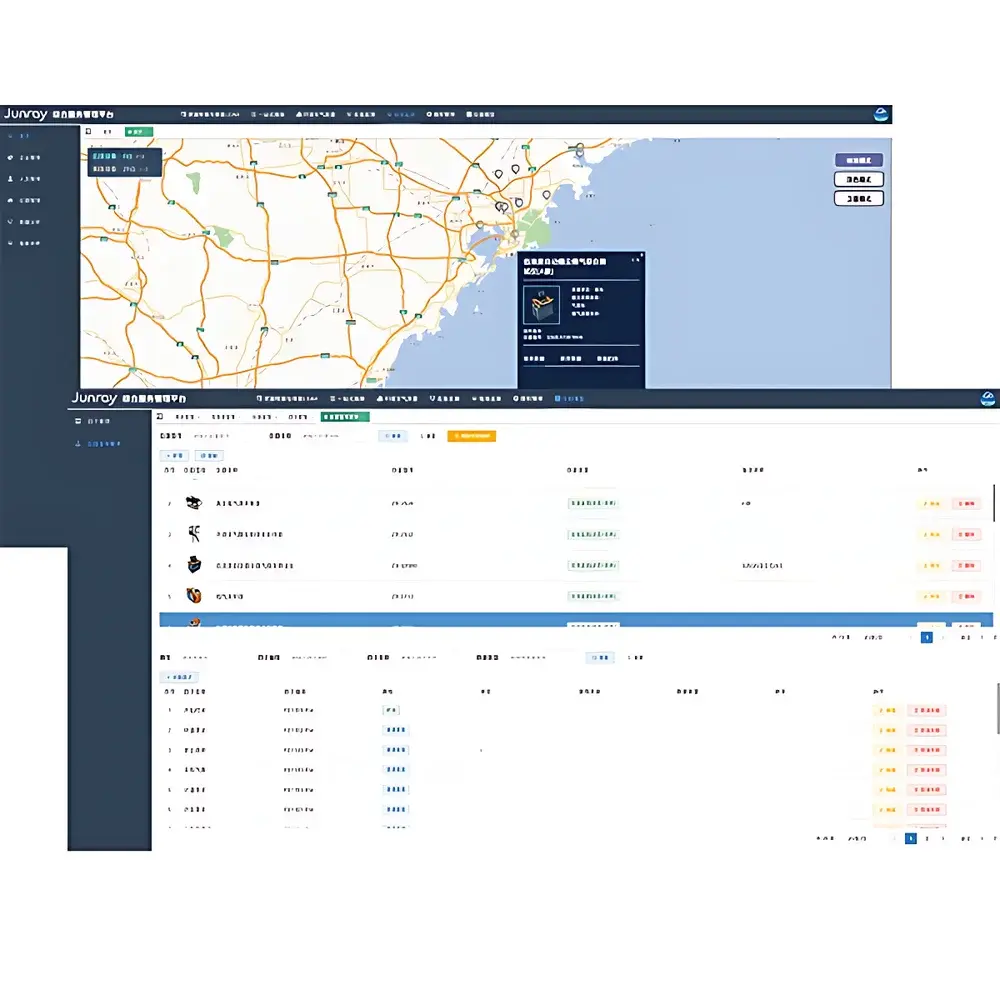
Junray Junray Field Instrument Digital Intelligence Monitoring Platform
| Brand | Junray |
|---|---|
| Origin | Shandong, China |
| Manufacturer Type | Original Equipment Manufacturer (OEM) |
| Country of Origin | China |
| Model | Junray Field Instrument Monitoring Platform |
| Pricing | Available upon Request |
Overview
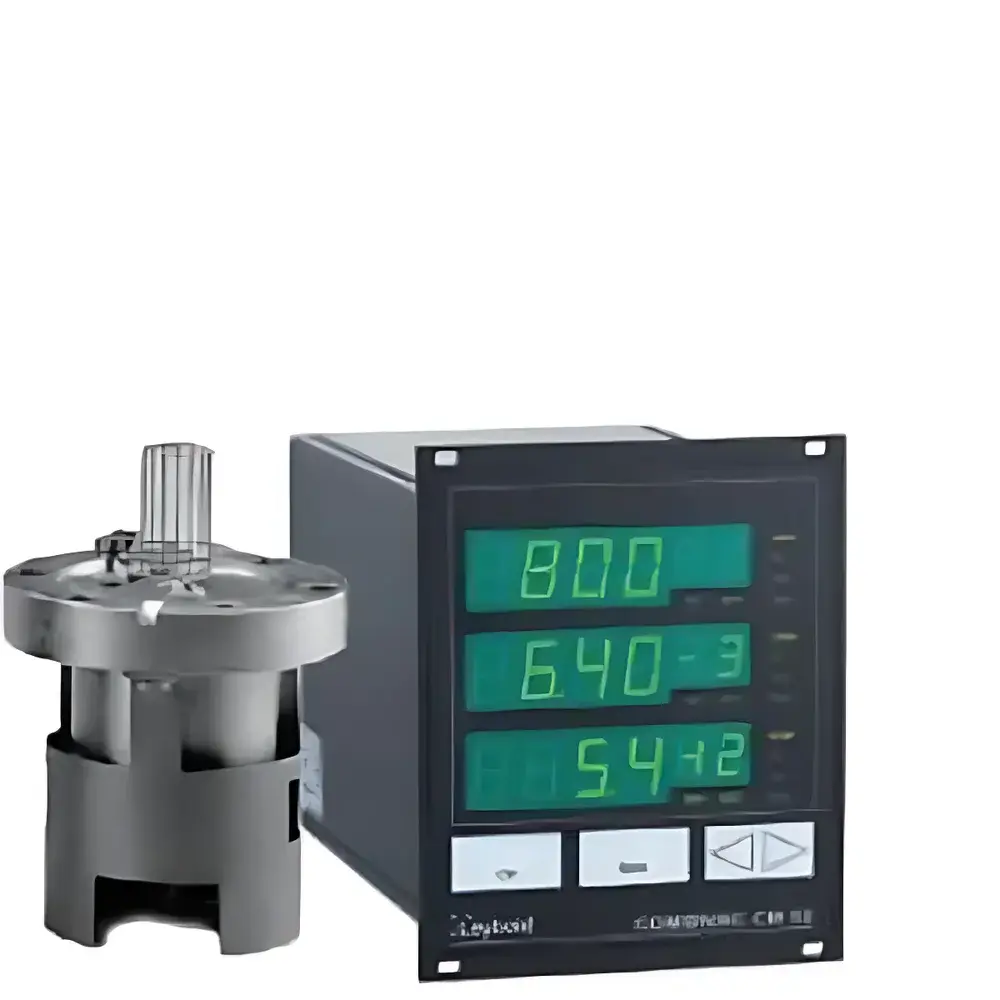
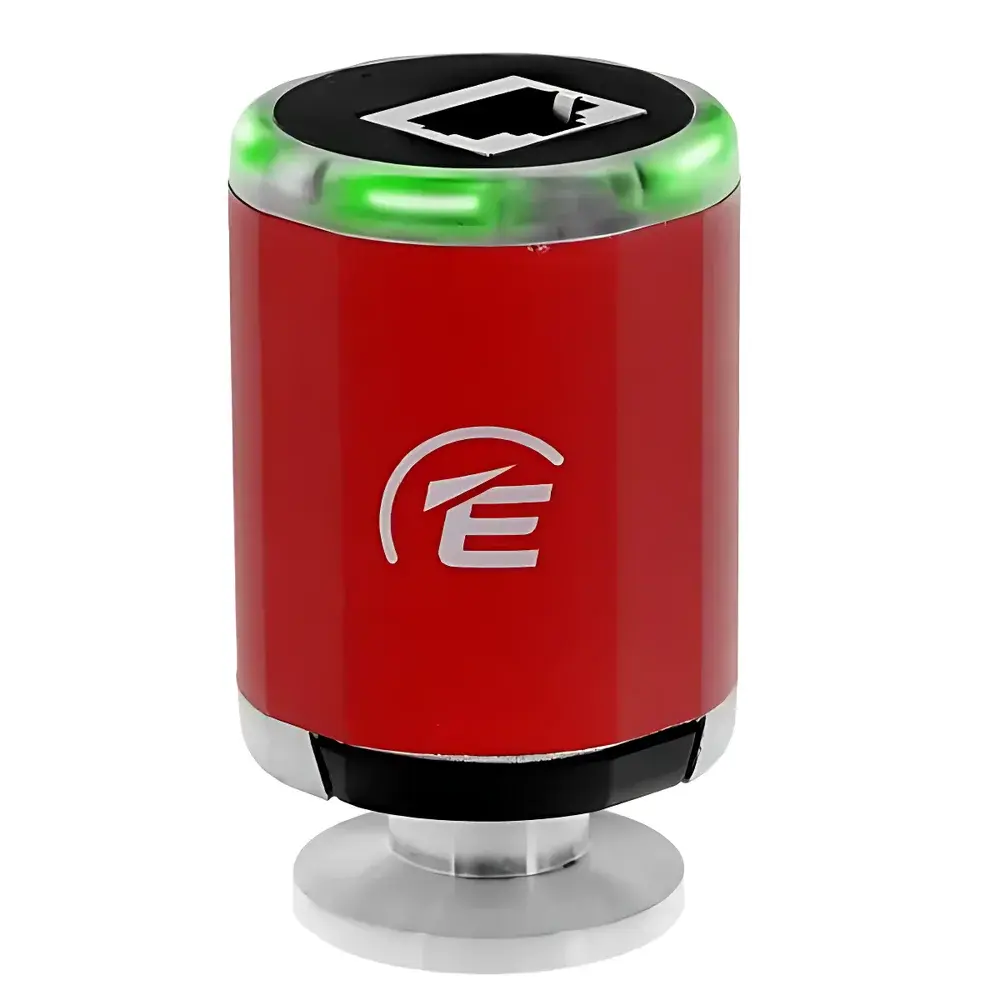
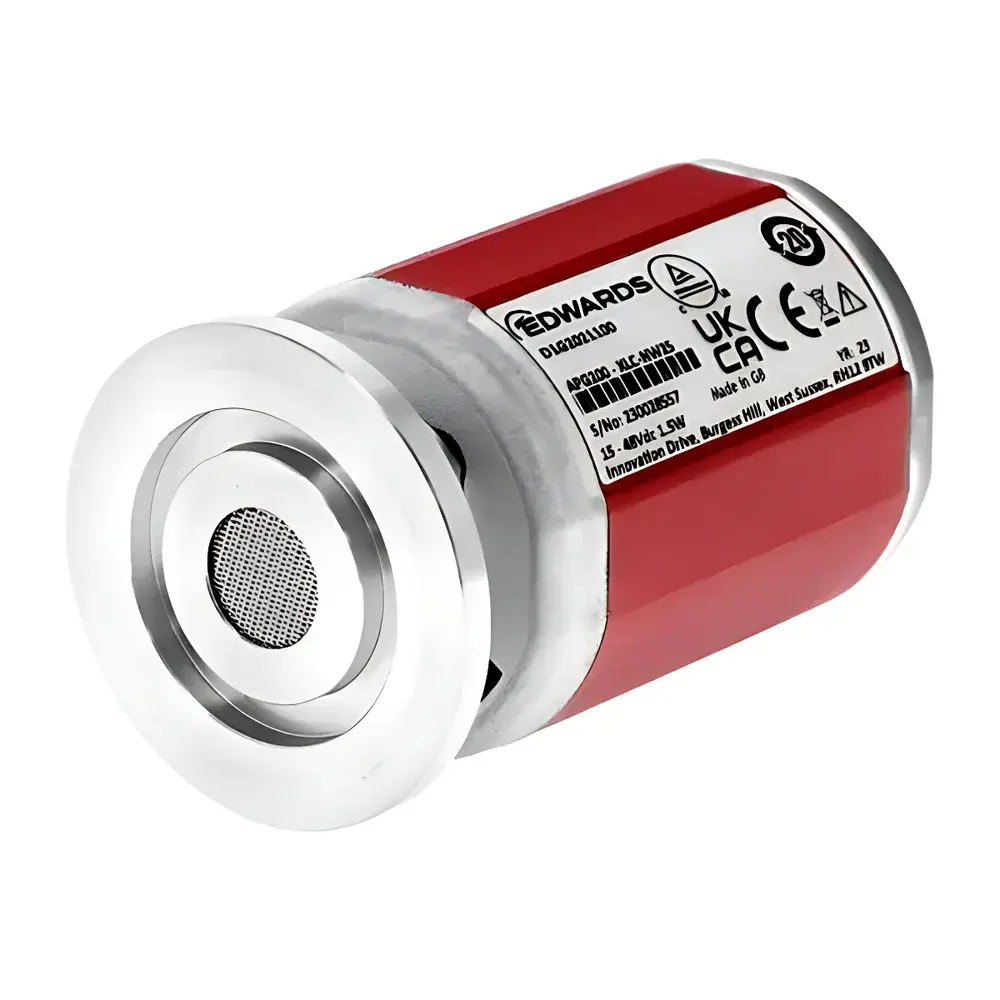
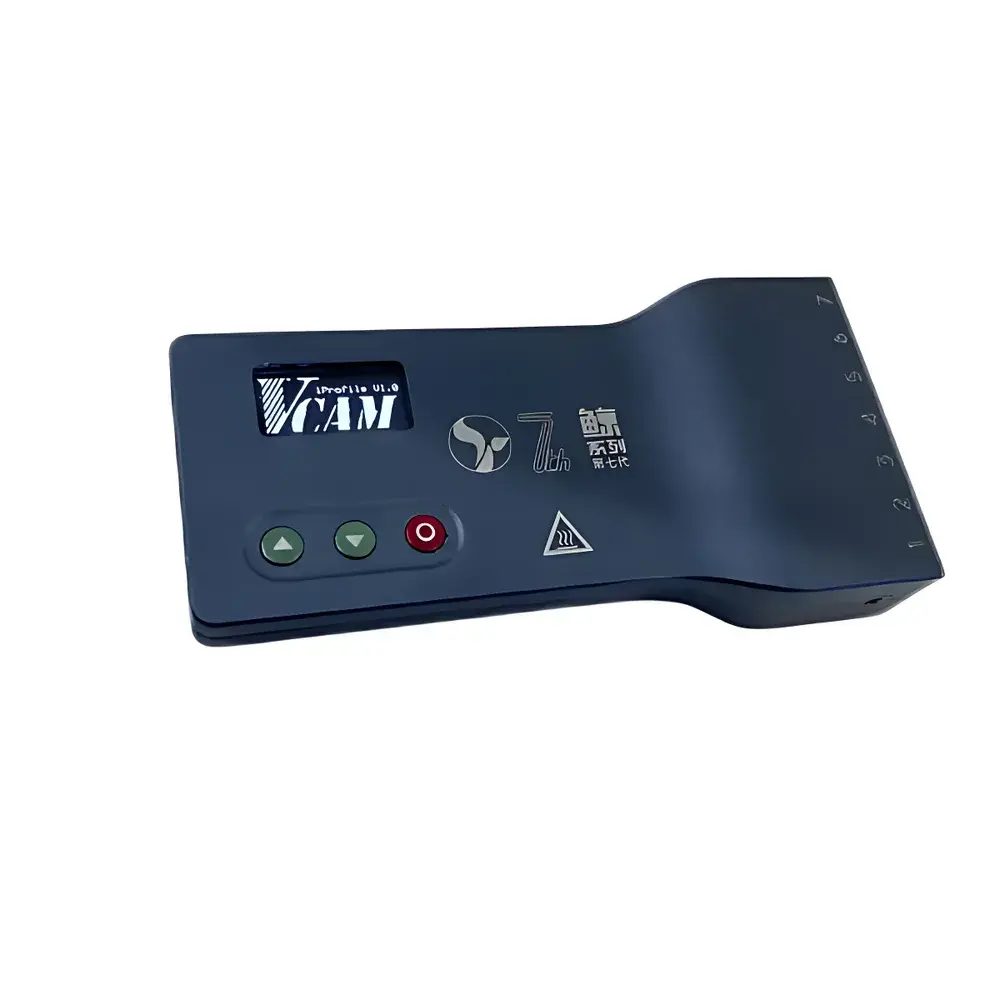
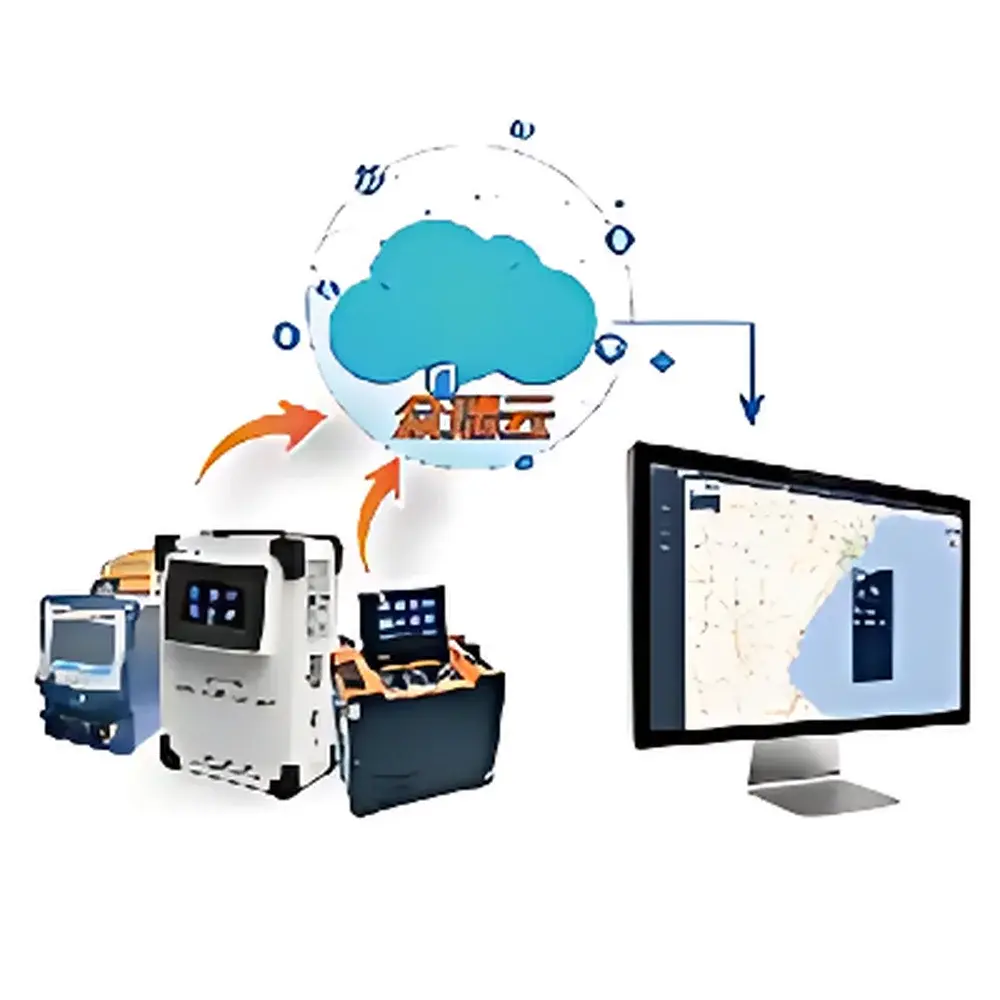
The Junray Field Instrument Digital Intelligence Monitoring Platform is an industrial-grade, web-accessible data acquisition and supervisory system engineered for continuous, real-time monitoring of distributed field-deployed scientific and environmental measurement instruments. Designed specifically for laboratory quality assurance (QA), environmental monitoring networks, municipal water utilities, and industrial process control environments, the platform implements a distributed architecture that bridges edge instrumentation with centralized cloud-based analytics. It operates on a sensor-to-dashboard data pipeline grounded in IEEE 1451-compliant transducer interface principles and supports secure MQTT/HTTPS-based telemetry ingestion from heterogeneous instrument fleets—including gas analyzers, particulate monitors, water quality sensors, and portable calibration standards. Unlike generic SCADA or IoT dashboards, this platform embeds domain-specific metadata models (e.g., ISO 17025 traceability tags, USP analytical instrument qualification states) to ensure regulatory alignment across GLP, GMP, and EPA-compliant operations.
Key Features
- Real-Time Operational Dashboard: A responsive, role-adapted web interface displays live status indicators—online/offline state, last heartbeat timestamp, communication latency, and active alarm flags—overlayed on an interactive satellite basemap using Leaflet.js and Mapbox GL JS.
- Geospatial Asset Mapping: Integrates GPS-derived coordinates from instrument-embedded GNSS modules (or manually registered locations) to enable rapid visual identification of deployed units; supports geofencing, proximity alerts, and location-based grouping (e.g., “Wastewater Treatment Zone A”).
- Automated Anomaly Detection: Leverages a rules-engine augmented with lightweight supervised ML models (trained on historical fault signatures and calibration drift patterns) to flag deviations in measurement stability, signal noise floor, zero/span drift, and inter-channel correlation anomalies—generating audit-ready diagnostic reports with root-cause hypotheses.
- End-to-End Data Integrity: Implements cryptographic hashing (SHA-256) of raw instrument data packets at point-of-acquisition; all records are immutably timestamped and linked to instrument serial numbers, firmware versions, and calibration certificate IDs—ensuring full chain-of-custody compliance.
- Longitudinal Performance Analytics: Provides time-series visualization tools for trend analysis (e.g., baseline shift detection, seasonal variation modeling, MTBF estimation), supporting predictive maintenance scheduling and instrument lifecycle assessment per ISO/IEC 17025 Clause 6.4.10.
- Granular Role-Based Access Control (RBAC): Supports multi-tiered permission schemas aligned with NIST SP 800-53 AC-3 and ISO 27001 Annex A.9 controls—including separation of duties between operators, QA reviewers, system administrators, and auditors—with session logging and change tracking enabled by default.
- Regulatory-Ready Export Workflow: Exports structured datasets (CSV, XLSX, PDF) with embedded metadata headers (e.g., uncertainty budgets, measurement units, accreditation references); exports retain digital signatures and can be configured to auto-generate 21 CFR Part 11–compliant audit trails when integrated with validated e-signature modules.
Sample Compatibility & Compliance
The platform natively ingests data from Junray-branded field instruments (e.g., ZR-7020 particulate samplers, ZR-3000 VOC analyzers) via RS-232/RS-485, USB-CDC, or Ethernet TCP/IP protocols. It also supports third-party devices through configurable Modbus RTU/TCP, ASCII text parsing, and JSON REST API ingestion adapters. All data handling conforms to ISO/IEC 17025:2017 requirements for data integrity and traceability. System validation documentation—including IQ/OQ protocols, cybersecurity risk assessments (per IEC 62443-3-3), and electronic record retention policies—is provided to support FDA, CNAS, and CMA audits.
Software & Data Management
The platform runs on a hardened Linux container stack (Docker + Kubernetes orchestration) hosted either on-premises or in private cloud infrastructure (AWS GovCloud, Azure Government). Data persistence uses PostgreSQL with point-in-time recovery and automated encrypted backups. The embedded analytics engine supports custom SQL queries, statistical process control (SPC) charting (X-bar R, CUSUM), and export to external BI tools (Power BI, Tableau) via ODBC/JDBC connectors. Audit logs capture all user actions—including report generation, configuration changes, and data deletion—with immutable storage compliant with 21 CFR Part 11 Subpart B and EU Annex 11 requirements.
Applications
- Environmental monitoring networks managing hundreds of ambient air quality stations (PM2.5, NOx, O3) under national regulatory frameworks (e.g., China’s HJ 653, US EPA 40 CFR Part 58).
- Pharmaceutical QC laboratories overseeing fleet-wide calibration status and performance verification of dissolution testers, hardness testers, and tablet analyzers.
- Municipal water utilities performing remote surveillance of online turbidity, chlorine residual, and pH sensors across distribution networks.
- Industrial hygiene programs tracking real-time exposure metrics from personal sampling pumps and direct-reading aerosol monitors in occupational settings.
FAQ
Does the platform support integration with existing LIMS or ELN systems?
Yes—via standardized HL7 v2.x, ASTM E1384, or RESTful API endpoints with OAuth 2.0 authentication and configurable payload mapping.
Is on-premise deployment available with air-gapped network support?
Yes—the platform supports fully isolated deployments with offline certificate authority, local NTP synchronization, and manual firmware update workflows.
How is data security enforced during transmission and at rest?
All communications use TLS 1.2+ encryption; stored data is AES-256 encrypted at rest, with key management handled via HashiCorp Vault or FIPS 140-2 Level 3 HSMs.
Can users define custom alert thresholds and escalation workflows?
Yes—thresholds are configurable per parameter, instrument, or location group; escalation paths support email, SMS, and webhook notifications with SLA timers and acknowledgment tracking.
What validation documentation is provided for regulated industries?
IQ/OQ protocols, traceability matrices, cybersecurity validation reports, and 21 CFR Part 11 readiness assessments are included in the delivery package and updated per major software release.