
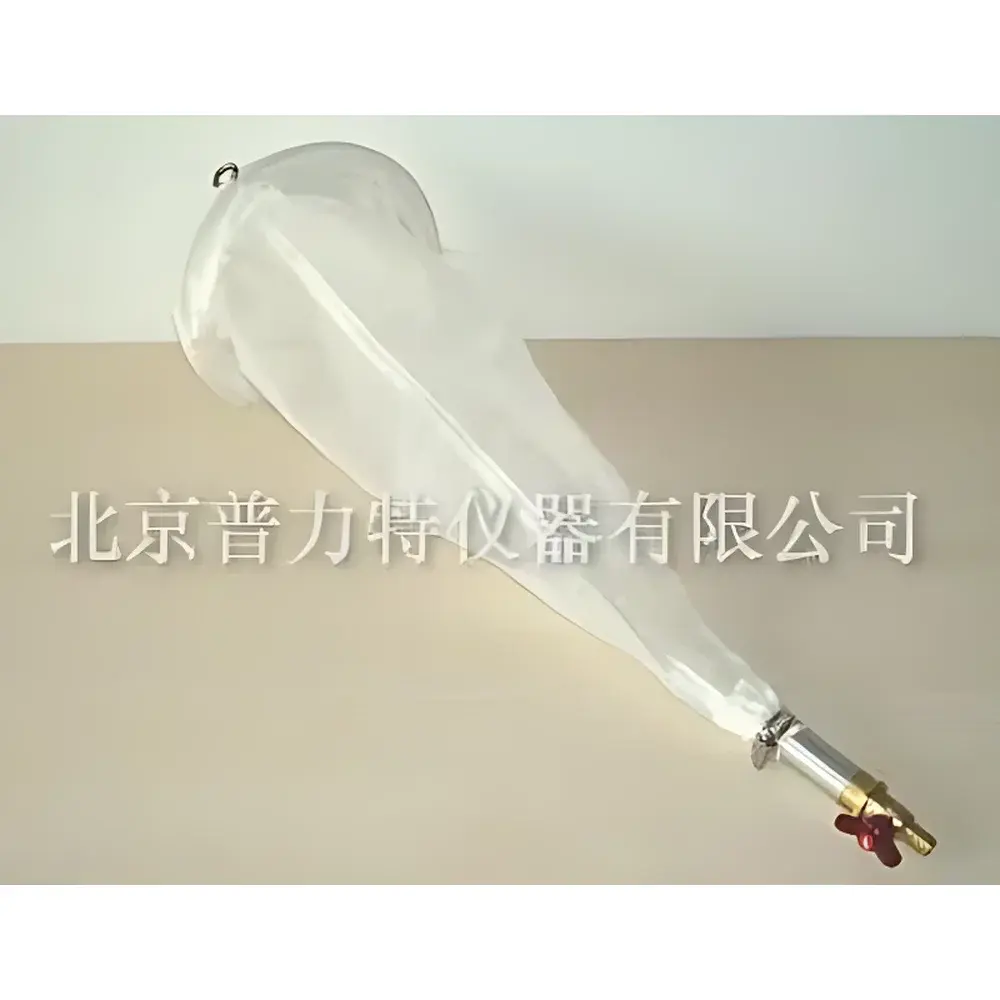
PTN-13 & PTN-25 Plankton Nets (Standard Mesh, Stainless Steel Frame, Aluminum Collector Tube)
| Mesh Size (PTN-13) | 125 µm (0.112 mm) |
|---|---|
| Mesh Size (PTN-25) | 200 µm (0.064 mm) |
| Net Length | 50 cm |
| Ring Inner Diameter | 20 cm |
| Net Material | Monofilament Nylon |
| Collector Tube | Anodized Aluminum with Brass Valve |
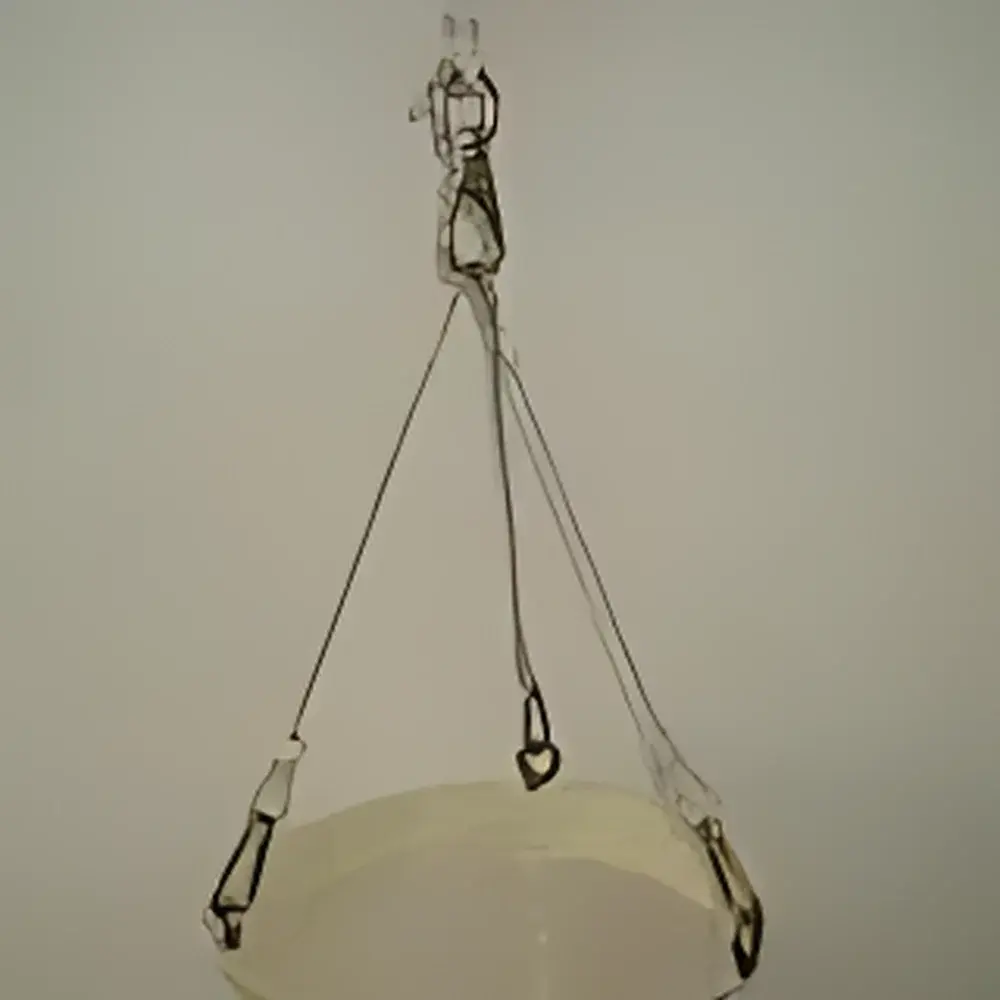
| Optional Stainless Steel Lanyard | Ø3 mm PVC-coated wire rope with Ø4 mm stainless steel snap hook |
Overview
The PTN-13 and PTN-25 plankton nets are standardized, field-deployable water sampling instruments engineered for quantitative collection of zooplankton and phytoplankton communities in freshwater and marine environments. Designed in accordance with internationally recognized limnological and oceanographic sampling protocols—including those referenced by the International Council for the Exploration of the Sea (ICES) and the U.S. Environmental Protection Agency (EPA) Method 1623—these conical nets operate on the principle of passive filtration: water is drawn through the mesh via vertical or horizontal towing, retaining organisms larger than the nominal pore size while allowing smaller particles and water to pass. The PTN-13 (125 µm mesh) targets larger metazoan zooplankton—including cladocerans (e.g., Daphnia spp.) and copepods—whereas the PTN-25 (200 µm mesh) provides finer resolution for smaller eukaryotic phytoplankton, rotifers, and protozoans. Both models feature a rigid 20 cm diameter stainless steel frame, a 50 cm conical nylon net body, and a precision-machined anodized aluminum collector tube equipped with a corrosion-resistant brass valve for controlled sample retention and transfer.
Key Features
- Rigid stainless steel supporting ring ensures consistent aperture geometry during deployment, minimizing flow distortion and preserving volumetric sampling integrity.
- High-tensile monofilament nylon mesh—calibrated to ISO 565:2019 tolerances—offers uniform pore distribution and low biofouling adhesion, critical for reproducible biomass estimation.
- Anodized aluminum collector tube resists pitting and electrolytic corrosion in brackish and saline matrices; integrated brass valve enables leak-proof sample isolation without manual cap removal underwater.
- Modular design supports interchangeability with standard Niskin-style winch systems and CTD rosette frames; compatible with both hand-haul and motorized towing configurations up to 1.5 knots.
- Optional PVC-coated Ø3 mm stainless steel lanyard includes a load-rated Ø4 mm snap hook (tested to 150 kg breaking strength), certified per EN 12841:2019 for safety-critical aquatic field operations.
Sample Compatibility & Compliance
These nets are validated for use in EPA Region 10 Water Quality Monitoring Programs, ASTM D5117–22 (Standard Guide for Sampling Phytoplankton), and ISO 20665:2021 (Water quality — Guidance on sampling of plankton). They meet GLP-compliant chain-of-custody requirements when used with traceable calibration records and documented tow speed/duration logs. Mesh specifications align with the ICES Standard Plankton Net Catalogue definitions for “200 µm” and “125 µm” categories. All wetted components comply with NSF/ANSI 61 for incidental contact with potable water sources during field calibration or rinse procedures.
Software & Data Management
While the PTN-13/PTN-25 are analog sampling tools, they integrate seamlessly into digital environmental data workflows. Field logs—including deployment depth, tow duration, vessel speed (via GPS-integrated winch telemetry), and temperature-conductivity profiles—can be synchronized with LIMS platforms such as LabVantage or Thermo Fisher SampleManager using CSV or XML export templates. When paired with automated image analysis systems (e.g., ZooScan or PlanktoScope), raw net samples support AI-assisted taxonomic classification under ISO/IEC 17025-accredited laboratory conditions. Audit trails for sample handling—including valve actuation timestamps and post-collection preservation metadata—are maintainable via 21 CFR Part 11–compliant electronic lab notebooks.
Applications
- Long-term ecological monitoring of trophic status in reservoirs, lakes, and estuaries (e.g., Secchi depth correlation studies).
- Baseline assessment for EPA NPDES permit compliance in industrial outfall zones.
- Phytoplankton bloom detection and cyanobacterial toxin precursor tracking in drinking water source protection programs.
- Calibration and validation of in-situ optical plankton counters (OPCs) and holographic imaging systems.
- Undergraduate and graduate limnology field courses requiring standardized, ISO-aligned sampling methodology.
FAQ
What is the recommended towing speed for optimal retention efficiency?
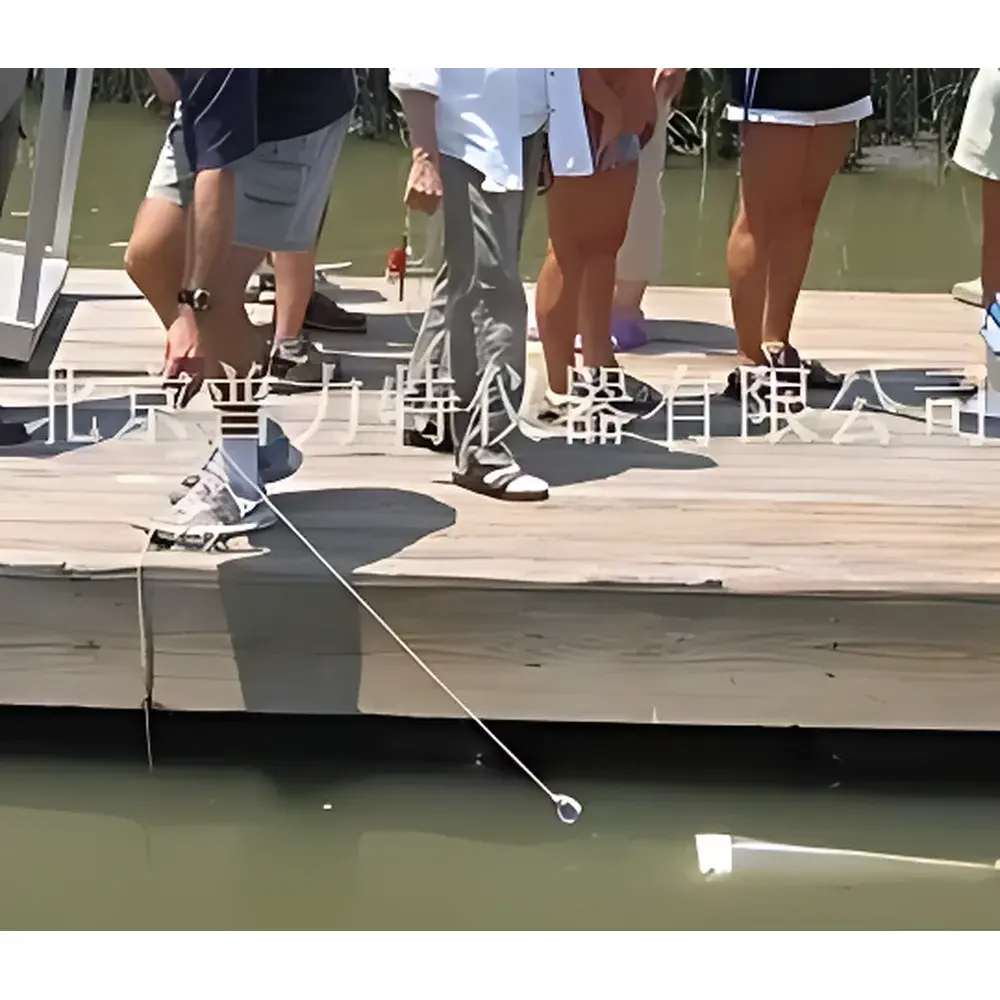
For vertical hauls, maintain ≤0.5 m/s; for horizontal tows, limit velocity to 1.0–1.2 knots to prevent mesh deformation and organism escape through lateral shear forces.
Can these nets be autoclaved?
No—nylon mesh degrades above 80°C and aluminum anodization is compromised at steam sterilization temperatures. Recommended decontamination: 70% ethanol immersion followed by UV-C irradiation (254 nm, 30 min) between sampling events.
Is mesh certification documentation available?
Yes—each batch undergoes sieve analysis per ISO 3310-1:2016 and is supplied with a Certificate of Conformance listing mean pore size, standard deviation, and test method.
How is volume filtered calculated?
Use the formula V = π × r² × v × t, where r = 0.1 m (ring radius), v = average tow speed (m/s), and t = tow duration (s); cross-check with flowmeter-equipped winch systems for metrological traceability.
Are replacement valves or mesh kits available?
Yes—brass valve assemblies (P/N VAL-PTN-BRASS) and certified nylon mesh rolls (P/N MESH-PTN-125/200) are stocked and shipped with NIST-traceable dimensional verification reports.







