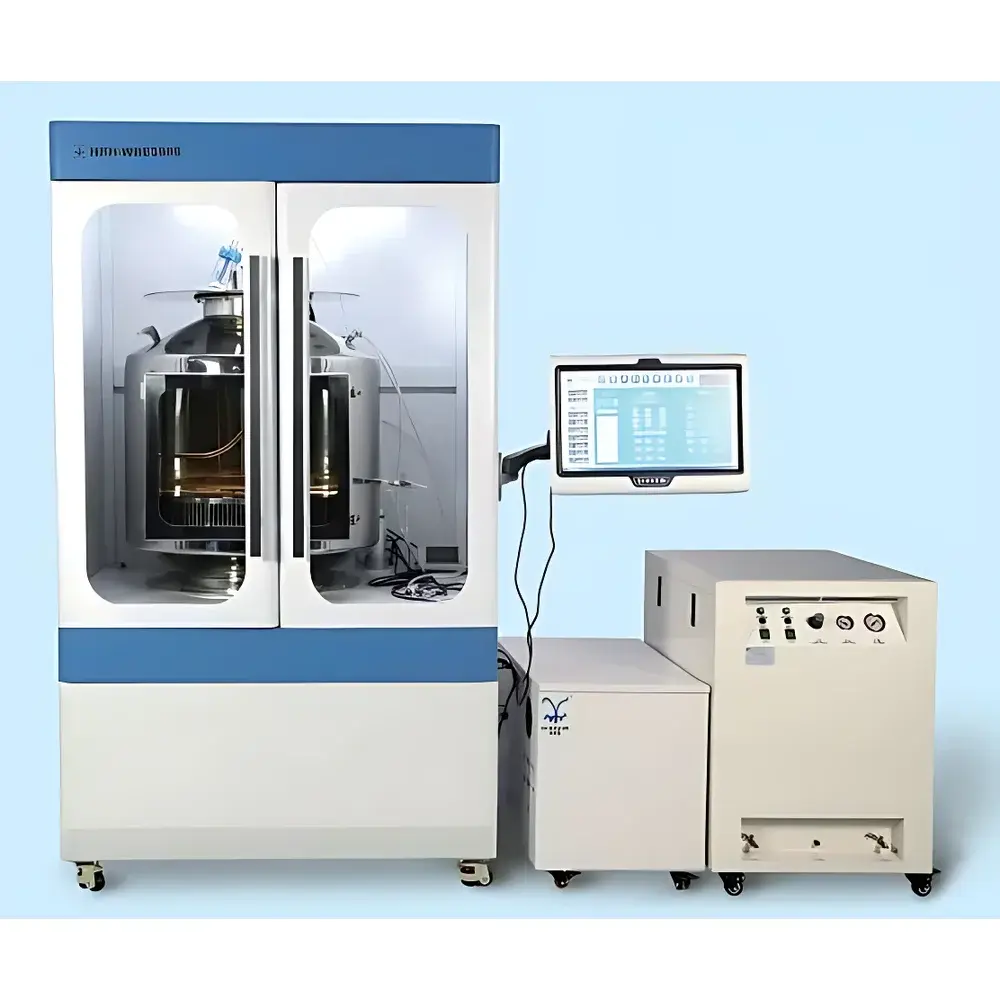
Huiron HRH-WBE Whole-Body Dynamic Inhalation Exposure System
| Brand | Huiron |
|---|---|
| Origin | Beijing, China |
| Manufacturer Type | Authorized Distributor |
| Country of Origin | China |
| Model | HRH-WBE |
| Pricing | Upon Request |
Overview
The Huiron HRH-WBE Whole-Body Dynamic Inhalation Exposure System is an engineered platform for controlled, quantitative, and reproducible whole-body inhalation toxicology studies in rodents (mice, rats, guinea pigs). It operates on the principle of dynamic airflow-driven aerosol generation and uniform chamber distribution, enabling precise delivery of test agents in gaseous, liquid aerosol, dry powder aerosol, nanomaterial aerosol, and smoke forms. Designed to meet internationally recognized regulatory frameworks—including OECD Test Guidelines 403 (Acute Inhalation Toxicity) and 436 (Subchronic Inhalation Toxicity)—the system supports GLP-compliant experimental workflows across pharmaceutical safety assessment, chemical risk evaluation, environmental health research, immunology, respiratory disease modeling, radiological hazard analysis, and defense-related medical countermeasure development.
Key Features
- Uniform exposure concentration control: Gas-phase concentration deviation ≤ ±5%; liquid aerosol deviation ≤ ±8%; dry powder aerosol deviation ≤ ±12%. Adjustable mass concentration range: 0–8000 mg/m³.
- Real-time aerosol mass concentration monitoring integrated with traceable calibration per ISO 27891 and ASTM D6245 standards.
- Aerosol size distribution control: Mass Median Aerodynamic Diameter (MMAD) 1–4 µm; Geometric Standard Deviation (GSD) 1.5–3.0—optimized for alveolar deposition in rodent models.
- Dual-mode operation: Local touchscreen HMI and remote PC-based control via Ethernet-enabled embedded controller; supports synchronized operation of up to 16 independent exposure units.
- Integrated environmental monitoring: Continuous measurement of chamber temperature, relative humidity, differential pressure, O₂, CO₂, and optional CO levels—with configurable alarm thresholds and automated logging.
- Automated dosing prediction module: Estimates required sample volume based on target concentration, flow rate, exposure duration, and animal count—reducing preparation errors and material waste.
- Modular aerosol generation suite: Includes liquid nebulizers (aqueous/oil-based), dry powder dispersers, VOC vaporizers (glass bead column design, 20–60°C programmable heating), and intelligent smoking machines (1-, 6-, or 10-channel configurations).
- Robust containment architecture: 316L stainless steel biosafety shield cabinet with dual-pressure interlock, leak-tight chamber seals, and real-time gas leakage detection.
- Comprehensive decontamination: Spherical multi-axis spray cleaning system ensures full-surface coverage of exposure chamber interior; validated for residue removal per ICH Q5C guidelines.
- Exhaust and effluent treatment: Integrated abatement unit compliant with China’s GB 16297-1996 and EU Directive 2010/75/EU emission limits for particulates and volatile organics.
Sample Compatibility & Compliance
The HRH-WBE accommodates a broad spectrum of test substances—including small-molecule pharmaceuticals, pesticides, industrial chemicals, nanomaterials (e.g., TiO₂, SiO₂), combustion-derived particulates (PM₂.₅/PM₁₀), radioactive gases (radon, depleted uranium), biological aerosols (inactivated viral antigens), and tobacco smoke condensates. All exposure protocols align with Good Laboratory Practice (GLP) requirements as defined by OECD Principles of GLP (ENV/MC/CHEM(98)17), FDA 21 CFR Part 58, and CNAS-CL01:2018. Optional particle sizers (e.g., TSI APS 3321) and gravimetric samplers enable concurrent aerodynamic diameter profiling and mass concentration validation—supporting audit readiness for regulatory submissions to NMPA, EMA, or US FDA.
Software & Data Management
The proprietary exposure control software provides full lifecycle data governance: parameter configuration (flow rates, temperature setpoints, exposure timelines), real-time graphical display of all monitored variables, automated event-triggered alerts, and timestamped audit trails compliant with 21 CFR Part 11 (electronic signatures, user access controls, and immutable record retention). Historical datasets—including concentration curves, environmental logs, video metadata, and calibration certificates—are stored in encrypted SQLite databases with automatic backup to network drives. Export formats include CSV, PDF reports, and XML-compatible structured logs for integration into LIMS or electronic lab notebooks (ELN). Software validation documentation (IQ/OQ/PQ protocols) is available upon request.
Applications
- Preclinical inhalation toxicology: Acute, subacute, subchronic, and chronic inhalation studies per OECD 403, 412, 413, and 418.
- Respiratory disease modeling: Asthma, COPD, pulmonary fibrosis, acute lung injury (ALI), allergic airway hyperresponsiveness, and smoking-induced emphysema.
- Vaccine delivery research: Intranasal/inhalable antigen formulations targeting influenza, tuberculosis, diphtheria, avian influenza, infectious bronchitis virus, and swine cholera.
- Environmental health science: PM₂.₅/PM₁₀ systemic toxicity (pulmonary, cardiovascular, neurocognitive, reproductive endpoints); occupational hazard assessment (silicosis, nanotoxicity).
- Radiation biology: Radon progeny deposition kinetics, uranium oxide aerosol clearance, and radioprotectant efficacy screening.
- Defense and aerospace medicine: Chemical warfare agent simulants (e.g., sarin analogs), bioaerosol defense testing, and spacecraft cabin air quality simulation.
FAQ
What species and sizes of animals can be accommodated?
The standard configuration supports mice (up to 20 per 0.3 m³ chamber) and rats (up to 40 in dual-layer rotating cages). Custom chamber volumes (0.3–1.0 m³) allow scaling for larger cohorts or alternative species under protocol-specific justification.
Is the system compatible with ISO/IEC 17025-accredited laboratories?
Yes—the hardware architecture, sensor calibration traceability (NIST-traceable flow meters, thermistors, and photometers), and software audit trail functionality are designed to support accreditation under ISO/IEC 17025:2017 for inhalation toxicology testing.
Can aerosol generation parameters be validated independently?
Absolutely. Each aerosol generator module includes dedicated calibration ports and reference sampling interfaces. Users may perform gravimetric, cascade impactor, or optical particle counter-based verification in accordance with USP and Ph. Eur. 2.9.18.
How is data integrity ensured during long-term exposures (e.g., 90-day studies)?
Continuous power-fail recovery, redundant storage (local SSD + network backup), and cyclic checksum verification prevent data corruption. All system events—including manual interventions—are time-stamped and linked to authenticated user IDs.
Does the system support remote operation during pandemic or high-containment scenarios?
Yes. Full remote control—including start/stop, parameter adjustment, live video feed, and real-time data export—is enabled via secure TLS-encrypted web interface or dedicated VPN tunnel, minimizing personnel exposure in BSL-2/3 environments.