
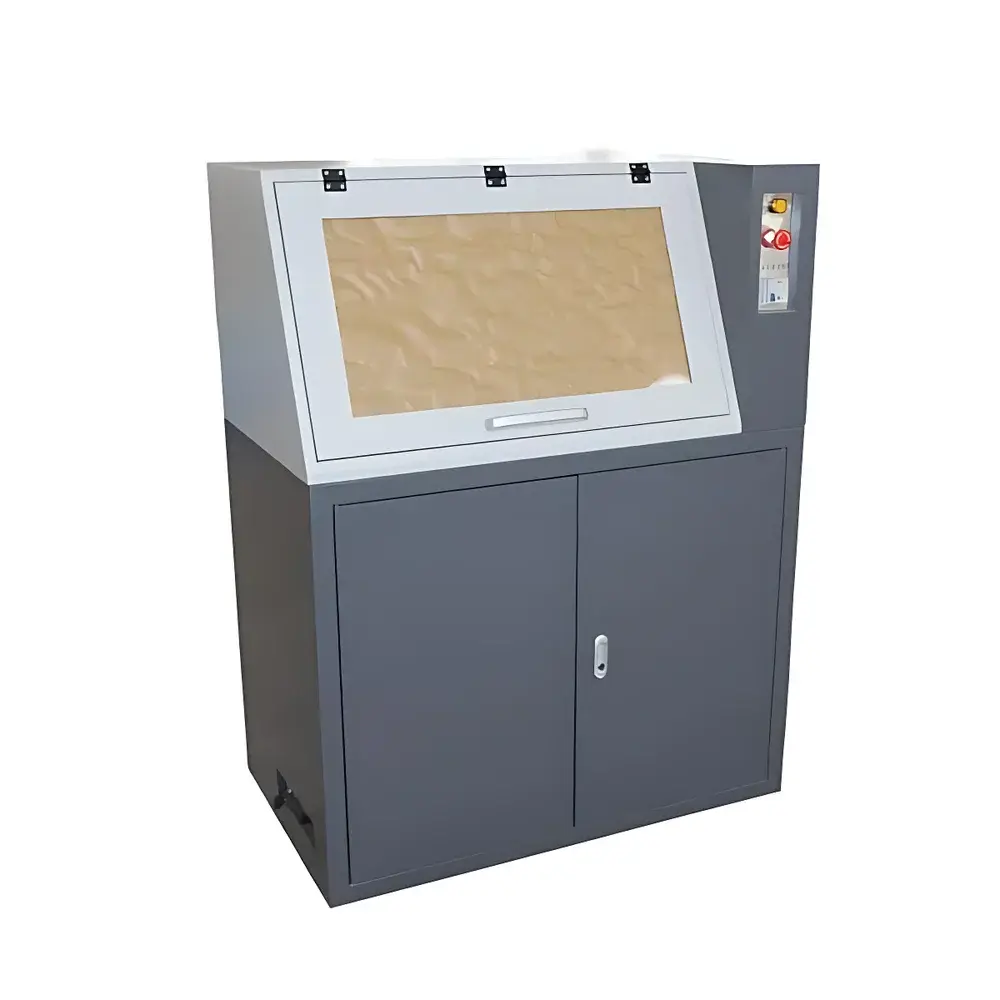
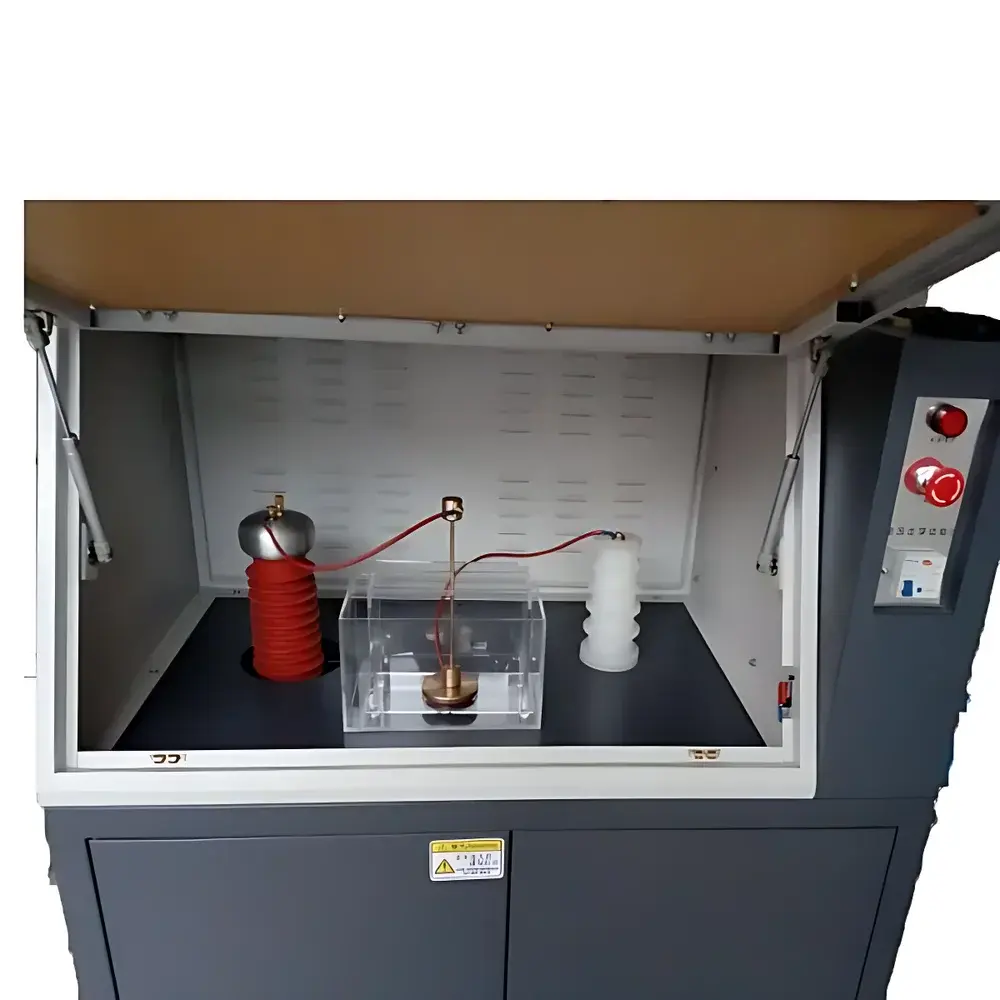
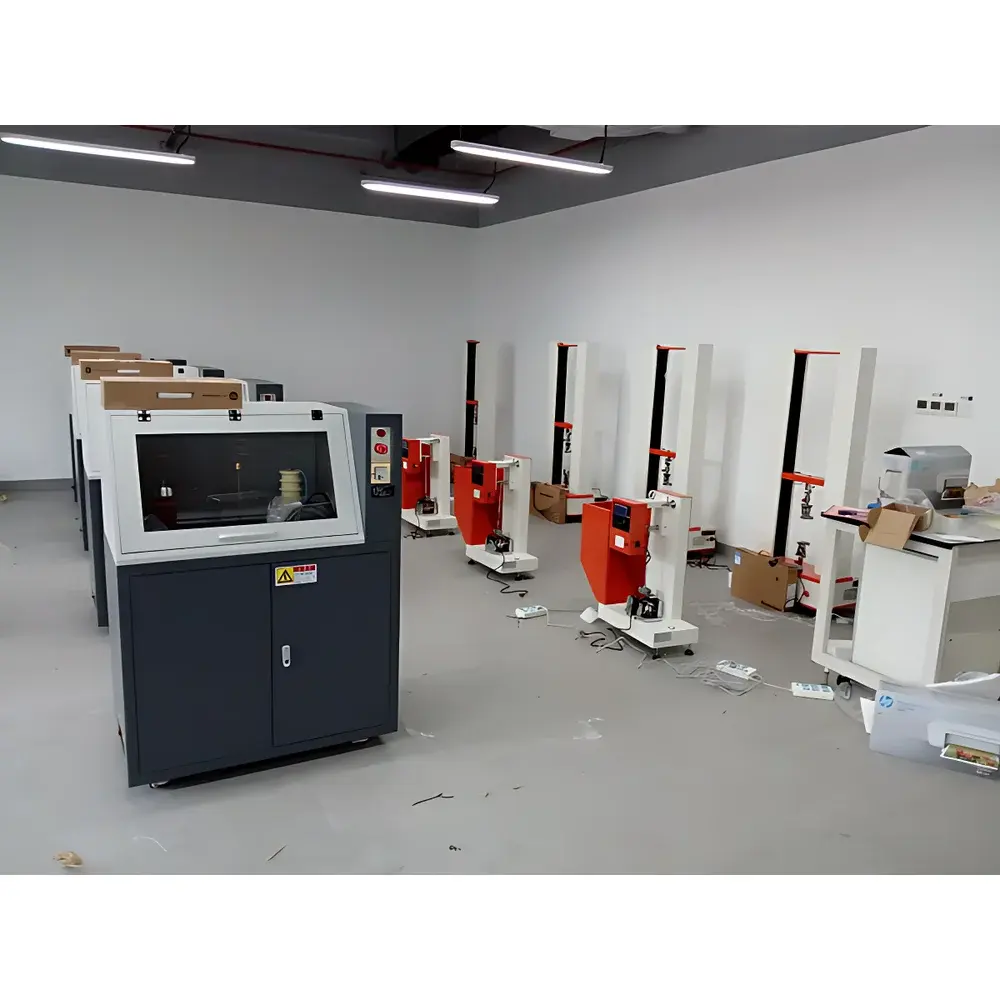
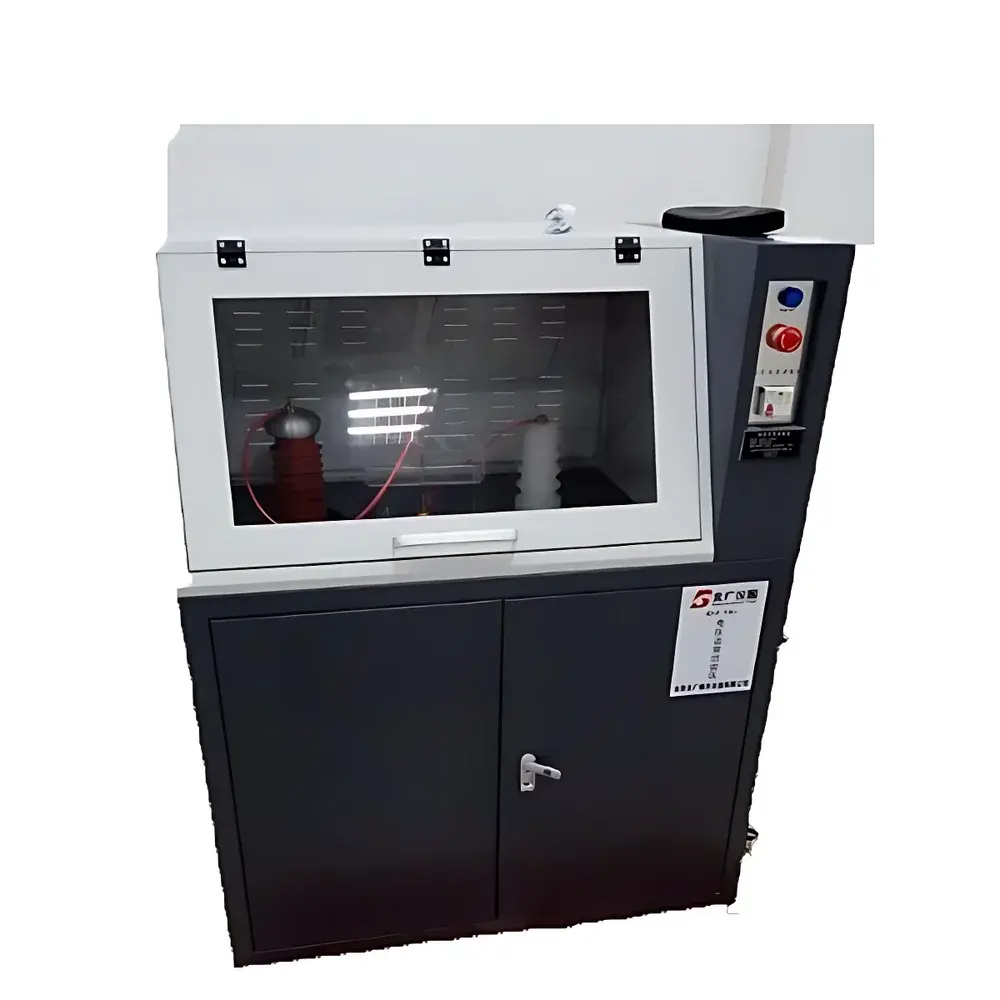
North Guang Precision BDJC Series Dielectric Strength & Voltage Breakdown Tester
| Brand | North Guang Precision Instrument |
|---|---|
| Origin | Beijing, China |
| Manufacturer Type | Direct Manufacturer |
| Product Line | Domestic |
| Model | BDJC (with voltage ratings: BDJC-10kV / BDJC-30kV / BDJC-50kV / BDJC-100kV) |
| Output Voltage Range | AC 0–50 kV / DC 0–70 kV |
| Voltage Accuracy | ≤1% |
| Breakdown Detection Modes | Voltage-based and Current-based |
| Electrode Configurations | Two 25 mm diameter electrodes |
| Rise Rates | 100–3000 V/s (selectable) |
| Power Rating | 5 kVA |
| Compliance Standards | GB 1408.1–2006, GB 1408.2–2006, JJG 795–2004, ASTM D149, GB/T 1695–2005, GB/T 3333, GB 12913–2008 |
Overview
The North Guang Precision BDJC Series Dielectric Strength & Voltage Breakdown Tester is an engineered high-voltage testing system designed for the precise determination of electrical breakdown strength and dielectric withstand performance of solid insulating materials under AC or DC stress conditions. Based on the principle of controlled voltage ramping and real-time dielectric failure detection, the instrument applies a continuously increasing electric field across standardized test specimens until electrical breakdown occurs—defined as the point at which the material’s insulating integrity fails, resulting in a measurable current surge or voltage collapse. This measurement directly yields the dielectric strength (kV/mm), a fundamental parameter for material qualification in power transmission, electronics encapsulation, aerospace composites, and high-reliability insulation systems. The BDJC platform supports both short-term breakdown evaluation and extended dielectric endurance (withstand) testing per internationally harmonized protocols.
Key Features
- Real-time dynamic voltage–time curve acquisition during each test cycle, with color-coded trace differentiation for multi-sample comparison and repeatability assessment.
- Multi-mode voltage application: AC/DC selection; linear ramp, stepwise ramp, and constant-voltage hold (withstand) protocols—all configurable via software interface.
- Dual-breakdown detection logic: simultaneous voltage threshold and leakage current threshold triggering ensures robust fault identification under varying material response characteristics.
- Modular electrode system supporting standardized geometries (25 mm and 75 mm diameter stainless-steel electrodes) compliant with ASTM D149 and GB/T 1695 specimen requirements.
- High-stability high-voltage generator with ≤1% output accuracy across full range (AC 0–50 kV / DC 0–70 kV), calibrated to national metrological standards (JJG 795–2004).
- Integrated safety architecture: automatic discharge circuitry, grounding interlock verification, emergency stop, and operator-authenticated access control to prevent unauthorized parameter modification.
- Adjustable rise rates from 100 V/s to 3000 V/s, enabling compliance with diverse test method requirements—from slow-ramp qualification to accelerated stress screening.
Sample Compatibility & Compliance
The BDJC tester accommodates rigid and semi-rigid solid dielectrics including thermoplastics, elastomers, laminates, ceramic substrates, glass, varnishes, epoxy resins, mica tapes, and cellulose-based papers. Specimen thickness ranges from 0.1 mm to 6 mm, with surface area compatibility defined by electrode geometry. Environmental conditioning (e.g., 15–25 °C ambient, 60–70% RH) is enforced per GB 1408.1 and ASTM D149 to minimize hygroscopic and thermal artifacts. Test media include ambient air (with optional silicone rubber anti-flashover collars) and transformer oil (for ambient and elevated temperature tests up to 90 °C) or heated cylinder oil (90–300 °C). All operational procedures and calibration protocols align with ISO/IEC 17025–compliant laboratory practices and support audit readiness for GLP/GMP environments.
Software & Data Management
Controlled via a native Windows-based application, the BDJC software provides full traceability and regulatory alignment. It supports user-level authentication (role-based access), electronic signatures, and time-stamped audit trails meeting FDA 21 CFR Part 11 requirements for data integrity. Test parameters—including voltage mode, rise rate, hold duration, pass/fail criteria, and electrode configuration—are stored with each dataset. Real-time graphical rendering enables immediate visual validation of breakdown behavior. Export functionality includes direct CSV/Excel output, customizable PDF report generation (with editable headers, logos, and compliance statements), and hierarchical database archiving. Historical datasets are searchable by operator, date, material ID, or test standard, facilitating statistical process control (SPC) and long-term material performance trending.
Applications
- Qualification of polymer films and coatings used in capacitors, printed circuit boards, and flexible electronics.
- Batch release testing of molded insulators, bushings, and transformer components per IEC 60243 and IEEE Std 930.
- R&D evaluation of nanocomposite dielectrics, where breakdown path morphology and statistical dispersion require repeatable, high-fidelity voltage–time profiling.
- Accelerated aging studies correlating dielectric strength degradation with thermal, UV, or humidity exposure cycles.
- Standards-compliant certification for UL, CE, and CCC-marked electrical products requiring third-party verified dielectric performance documentation.
FAQ
What voltage ranges does the BDJC series support?
AC output: 0–50 kV; DC output: 0–70 kV. Multiple models (BDJC-10kV, BDJC-30kV, etc.) allow selection based on typical application voltage ceilings.
Is the system compliant with international test standards?
Yes—it fully implements GB 1408.1/2, ASTM D149, GB/T 1695, and JJG 795, with built-in test templates and reporting structures aligned to each standard’s procedural requirements.
How is data integrity ensured for regulated environments?
The software enforces electronic signature workflows, immutable audit logs, and export-controlled data handling—fully compatible with 21 CFR Part 11 and ISO 17025 documentation mandates.
Can test parameters be modified mid-experiment?
Yes—operators may pause, adjust voltage hold duration or ramp rate, or flag a test as invalid in real time, with all changes logged and reversible only by authorized personnel.
What safety certifications apply to the BDJC hardware?
The system meets IEC 61010-1:2010 (Safety Requirements for Electrical Equipment for Measurement, Control, and Laboratory Use), including reinforced insulation, double grounding, and interlocked enclosure design.



