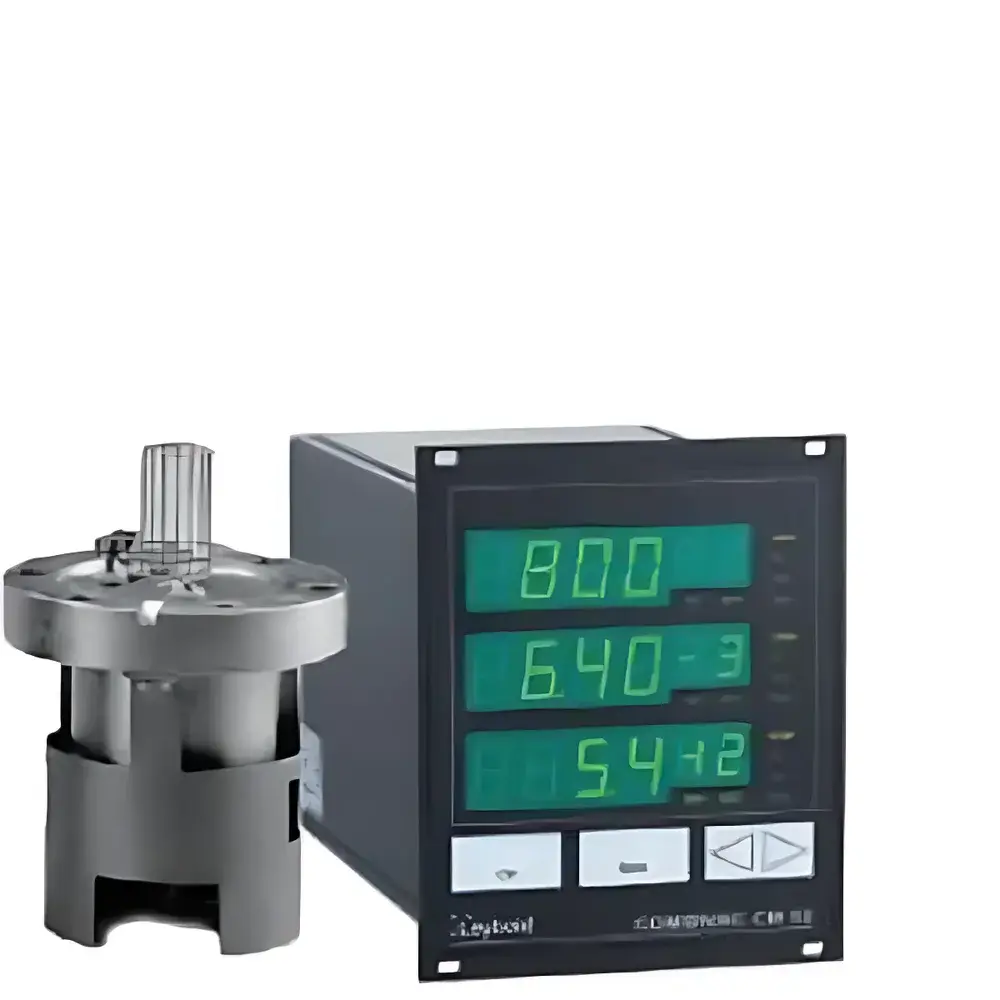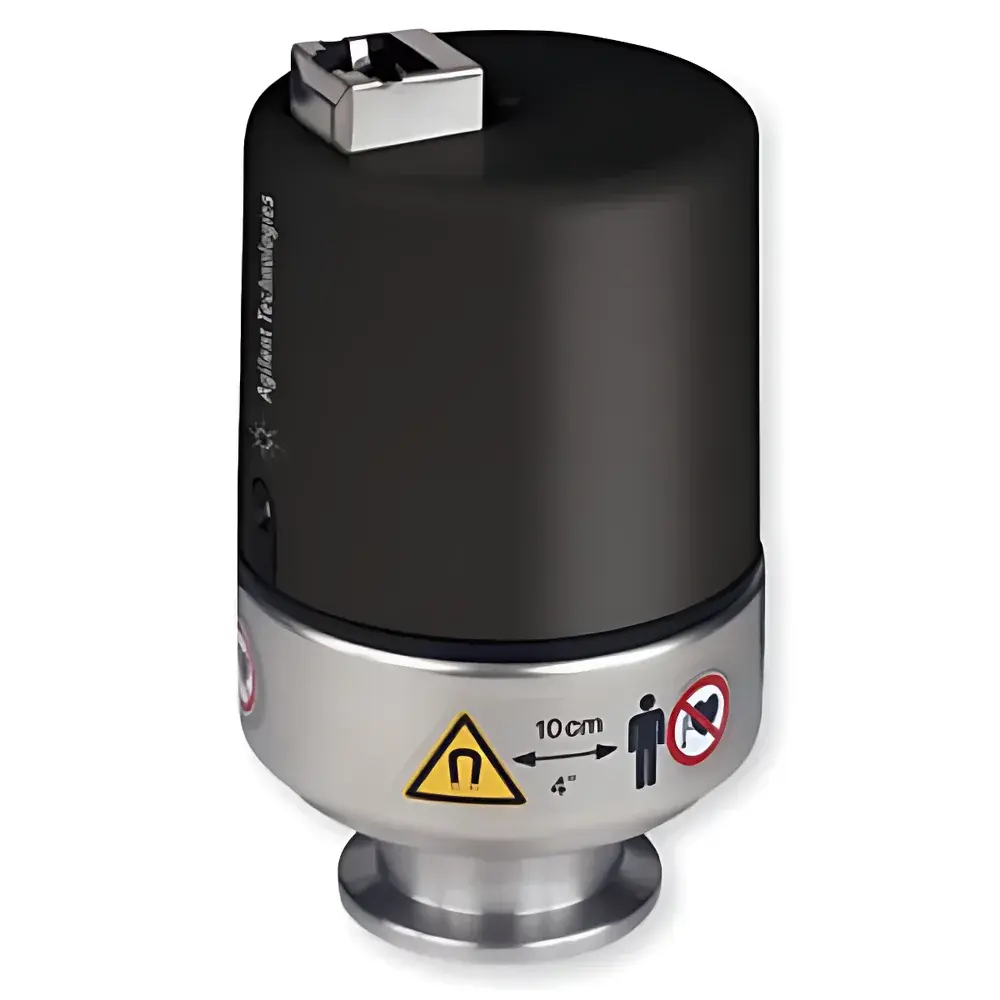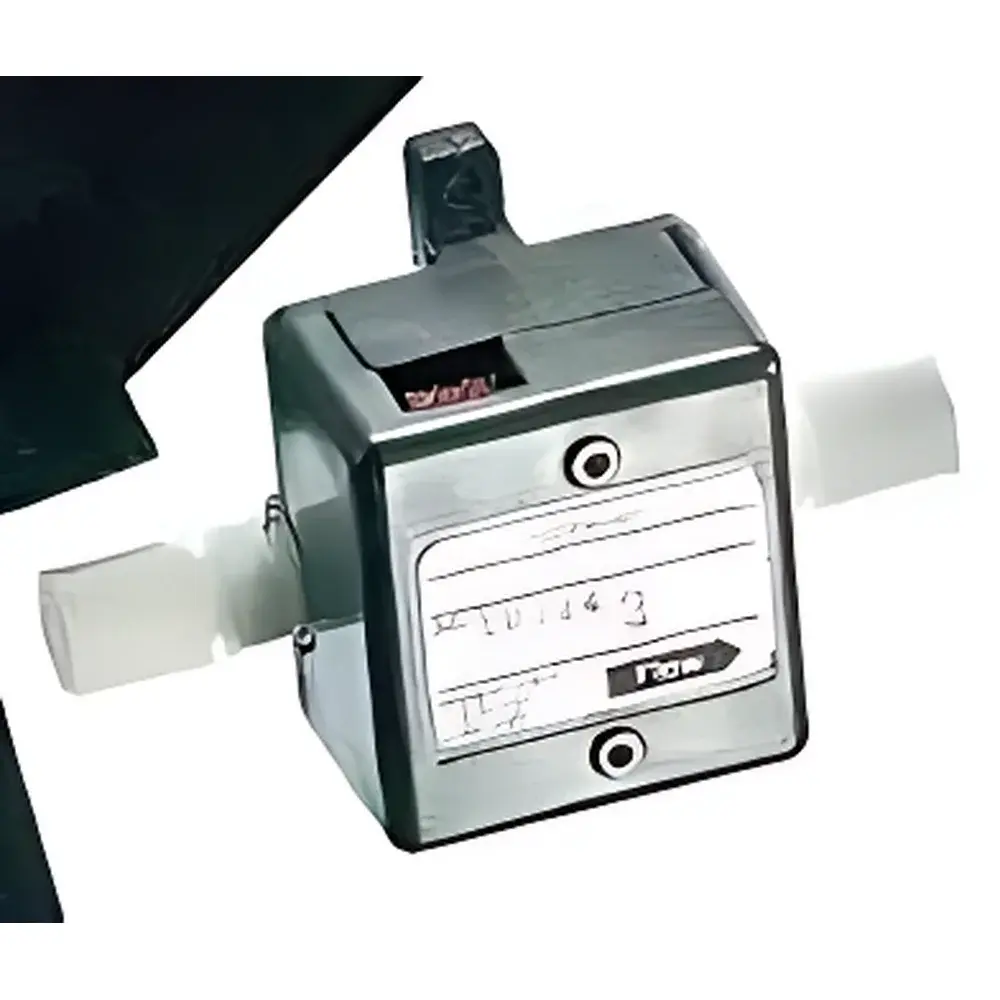
Cole-Parmer Economy Combination Flowmeter
| Brand | Cole-Parmer |
|---|---|
| Origin | USA |
| Manufacturer Type | Authorized Distributor |
| Origin Category | Imported |
| Model | 32700-12 |
| Flow Principle | Differential Pressure |
| Product Type | Gas & Liquid Flowmeter |
| Sensor Output | 0–5 VDC |
| Compatible Fluids | Non-corrosive & mildly corrosive gases and transparent liquids (viscosity < 10 cSt) |
| Wetted Materials | Epoxy, glass-filled Ryton® PPS, borosilicate glass, stainless steel (316), sapphire, Viton® |
| Flow Range (Model 32700-12) | 2–10 LPM (air), 1–10 LPM (water-equivalent) |
| Max Pressure Drop | 10 psi at full scale |
| Display | 3.5-digit LCD, 0.4" digit height, 1/8-DIN panel mount |
| Power Input | 120 VAC or 230 VAC, 50/60 Hz |
| Optional Outputs | Dual SPDT relays, 4–20 mA analog output |
| Compliance | Designed for general laboratory and industrial process monitoring |
Overview
The Cole-Parmer Economy Combination Flowmeter (Model 32700-12) is a modular, differential pressure-based flow measurement system engineered for reliable, cost-effective monitoring of clean, non-abrasive gases and low-viscosity liquids (<10 cSt) in laboratory, pilot-scale, and light industrial applications. Unlike thermal mass or ultrasonic flowmeters, this system operates on the fundamental principle of measuring pressure differential across a calibrated laminar or turbulent flow element—typically an orifice plate or precision-bore restriction—where flow rate is derived from Bernoulli’s equation and empirically validated calibration curves. The sensor outputs a linear 0–5 VDC signal proportional to volumetric flow rate, enabling direct interfacing with analog input modules, PLCs, or standalone indicators without signal conditioning. Its design emphasizes mechanical robustness, chemical compatibility with mild acids and solvents, and ease of integration into existing process control or data logging infrastructure.
Key Features
- Modular architecture: Separable flow sensor and display/controller units allow flexible installation—sensor mounted inline or remotely, indicator panel-mounted per 1/8-DIN cutout (1.665″ × 0.915″)
- Dual-function capability: Simultaneous real-time flow rate (instantaneous) and totalized flow (integrated over time) displayed on a high-contrast 3.5-digit LCD with 0.4″-tall digits
- Chemically resistant wetted path: Constructed with glass-filled Ryton® PPS housing, borosilicate glass sight tube, 316 stainless steel fittings, sapphire orifice components, and Viton® seals—validated for compatibility with air, nitrogen, CO₂, deionized water, ethanol, IPA, and dilute acidic solutions
- Scalable range selection: Model 32700-12 supports 2–10 LPM for air and 1–10 LPM for water-equivalent fluids, with consistent ±2% FS accuracy across the operating range under calibrated conditions
- Configurable output options: Standard 0–5 VDC analog output; optional dual SPDT relays (for high/low alarms or batch termination) and isolated 4–20 mA current loop output (models 94787-50/55)
- Universal power compatibility: Operates on 115 VAC or 230 VAC, 50/60 Hz; includes UL-listed power supply and 36″ (0.9 m) DC cable (Cat. No. 32704-52)
Sample Compatibility & Compliance
This flowmeter is intended for use with clean, particle-free gases and transparent Newtonian liquids exhibiting kinematic viscosity below 10 centistokes (cSt)—including compressed air, inert gases, water, aqueous buffers, alcohols, and hydrocarbon solvents. It is not suitable for slurries, viscous oils (>10 cSt), steam, or highly corrosive media such as concentrated HCl, HF, or oxidizing acids. Wetted materials comply with USP Class VI biocompatibility requirements for polymeric components and meet ASTM F519 for stress corrosion resistance of stainless steel hardware. While the device itself carries no CE or ATEX certification, its construction adheres to general-purpose industrial safety guidelines (IEC 61000-6-2/6-3). When paired with FDA 21 CFR Part 11–compliant data acquisition software and audit-trail-enabled controllers (e.g., LabVIEW with certified drivers or Siemens S7-1200 with validated firmware), the system supports GLP and GMP documentation workflows.
Software & Data Management
The 0–5 VDC analog output enables seamless integration with third-party data acquisition platforms—including National Instruments DAQmx, Keysight PathWave, and open-source tools like Python (via ADC libraries) or Node-RED. For traceable recordkeeping, users may configure external loggers to sample at ≥1 Hz resolution and timestamp each reading against NTP-synchronized clocks. Optional relay outputs support automated batch control: e.g., closing a solenoid valve upon reaching a preset total volume. The 4–20 mA variant facilitates connection to DCS or SCADA systems using standard 250 Ω shunt resistors. All configuration parameters (span, zero, unit scaling, relay setpoints) are adjusted via front-panel buttons—no proprietary software required. Calibration certificates (NIST-traceable) are available upon request for ISO/IEC 17025-compliant laboratories.
Applications
- Gas delivery monitoring in glovebox purging, reactor sparging, and mass spectrometry carrier gas lines
- Liquid dosing verification in HPLC mobile phase preparation, reagent dispensing, and bioreactor feed control
- Exhaust scrubber flow verification in fume hood ventilation systems
- Calibration reference for rotameters or bubble flowmeters in QA/QC labs
- Process validation studies requiring cumulative volume tracking over defined time intervals (e.g., cleaning-in-place cycle verification)
- Educational demonstrations of fluid dynamics principles, including Reynolds number correlation and pressure-flow relationships
FAQ
What fluids are compatible with the Model 32700-12 sensor?
Air, nitrogen, carbon dioxide, helium, deionized water, phosphate-buffered saline, ethanol, isopropanol, and other low-viscosity (<10 cSt), non-particulate, non-oxidizing liquids and gases.
Can this flowmeter be used for sanitary or pharmaceutical applications?
It is not designed for SIP/CIP cycles or 3-A certification; however, its smooth-wetted surfaces and USP Class VI polymers permit use in non-sterile buffer preparation and ancillary process monitoring where full validation is not mandated.
Is field recalibration possible?
Zero adjustment is accessible via front-panel trim pot; full span calibration requires a certified flow standard and is recommended annually or after mechanical shock or seal replacement.
Does the display retain totalized flow during power loss?
No—the accumulator resets on power interruption; for non-volatile totalization, integrate with a data logger that maintains memory or uses battery-backed RAM.
What is the maximum allowable upstream/downstream straight-pipe length requirement?
For optimal accuracy, maintain ≥10 pipe diameters upstream and ≥5 diameters downstream of the sensor body; consult the installation manual for specific fitting-induced turbulence corrections.