
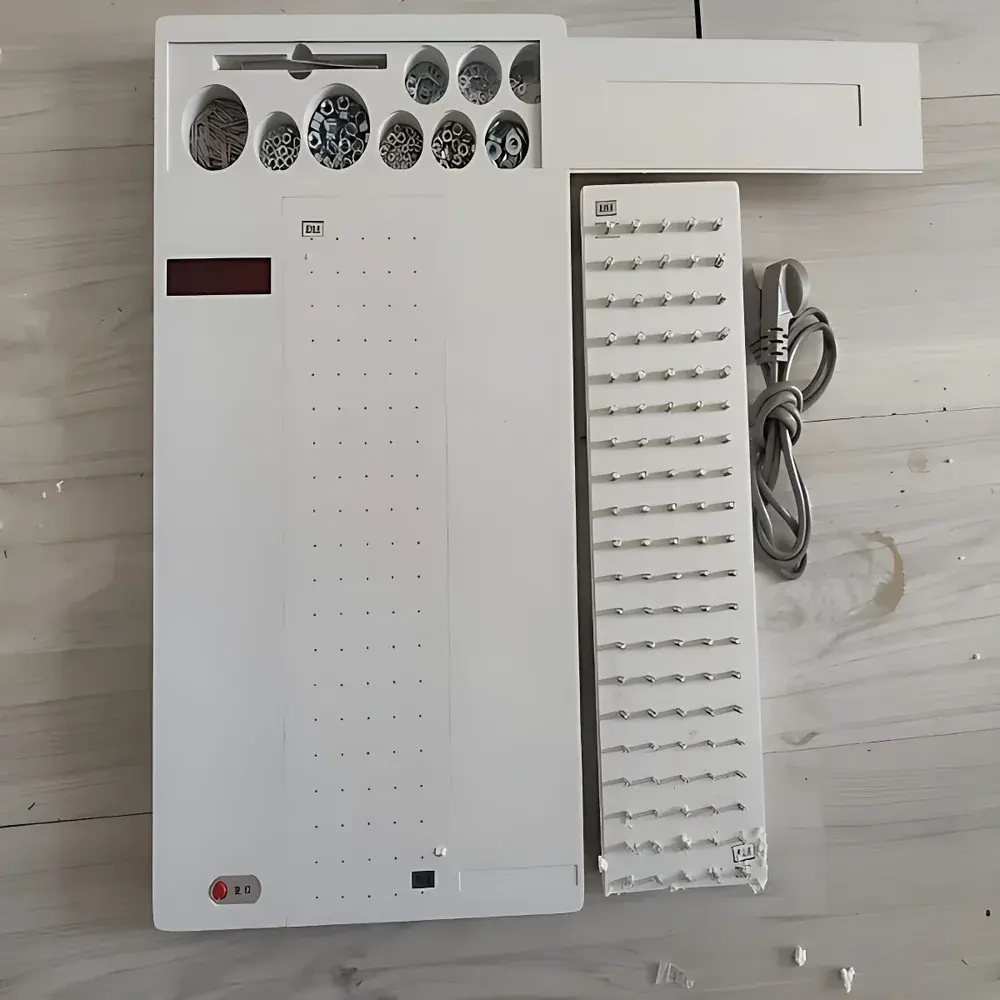
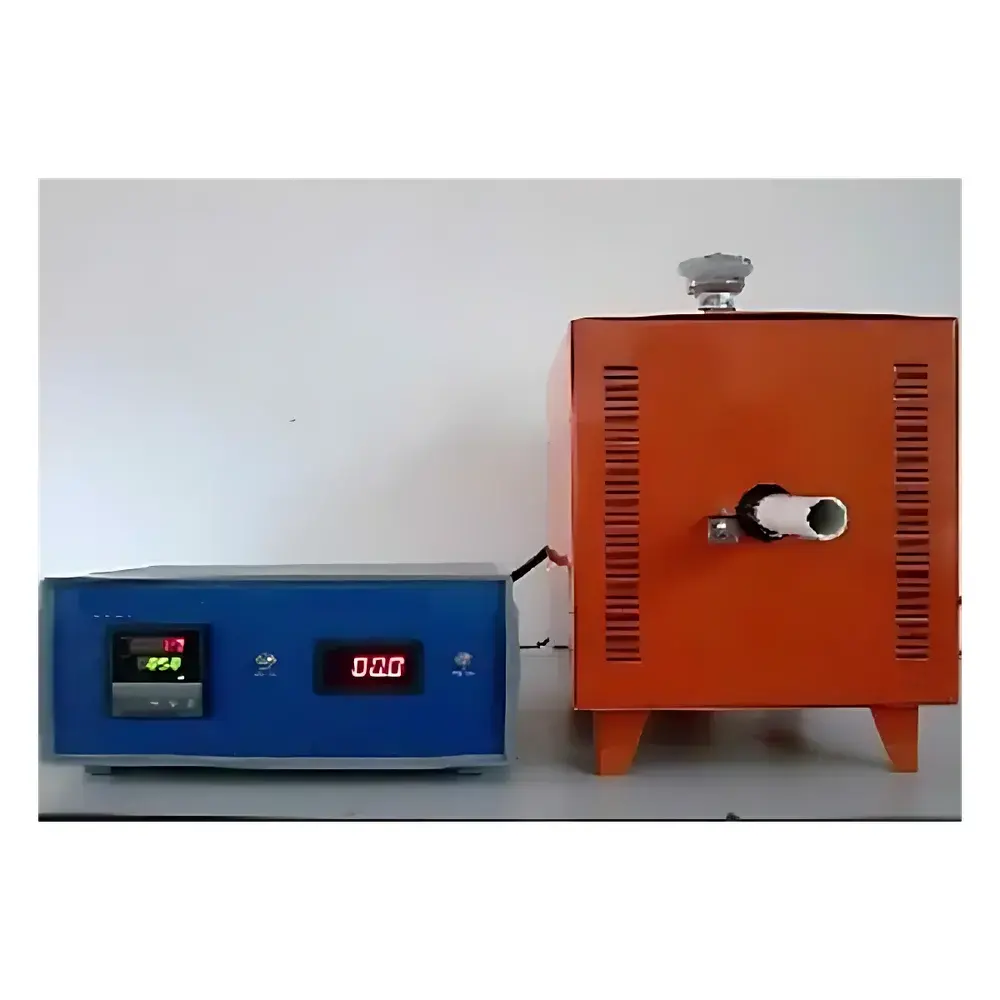
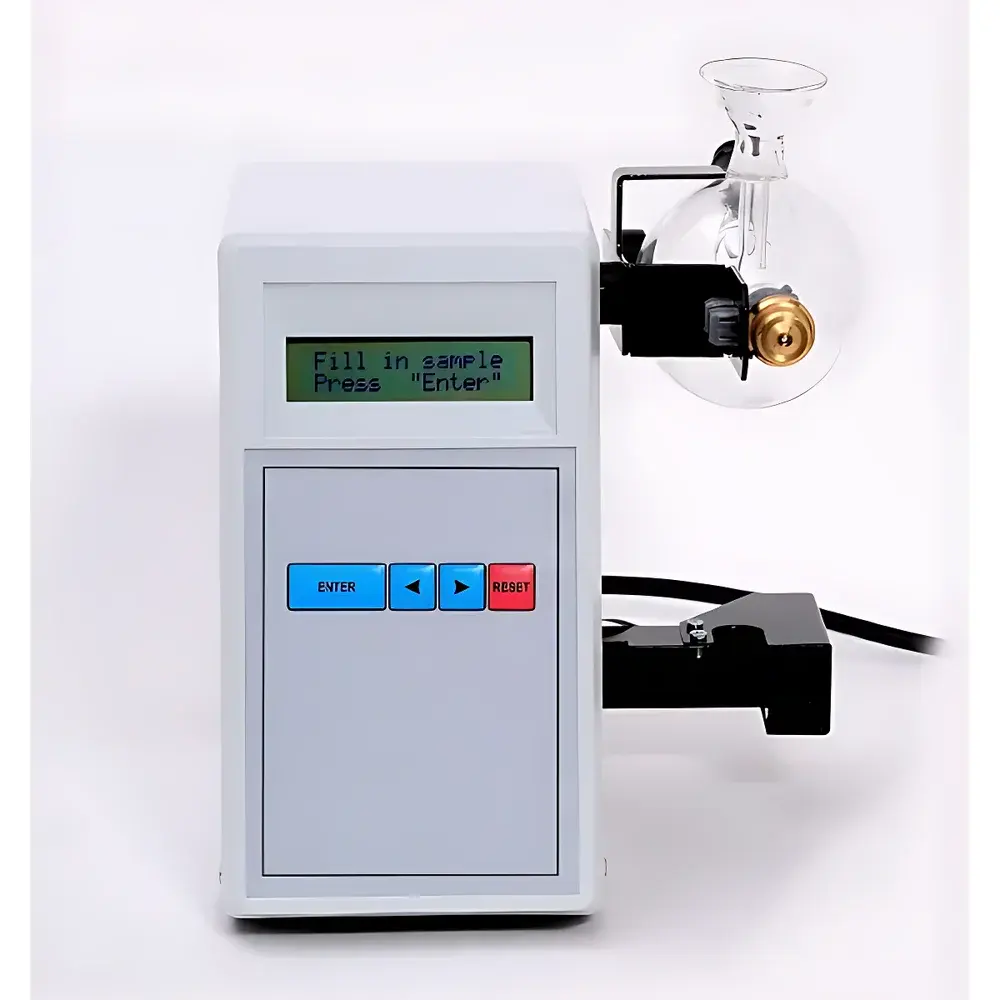
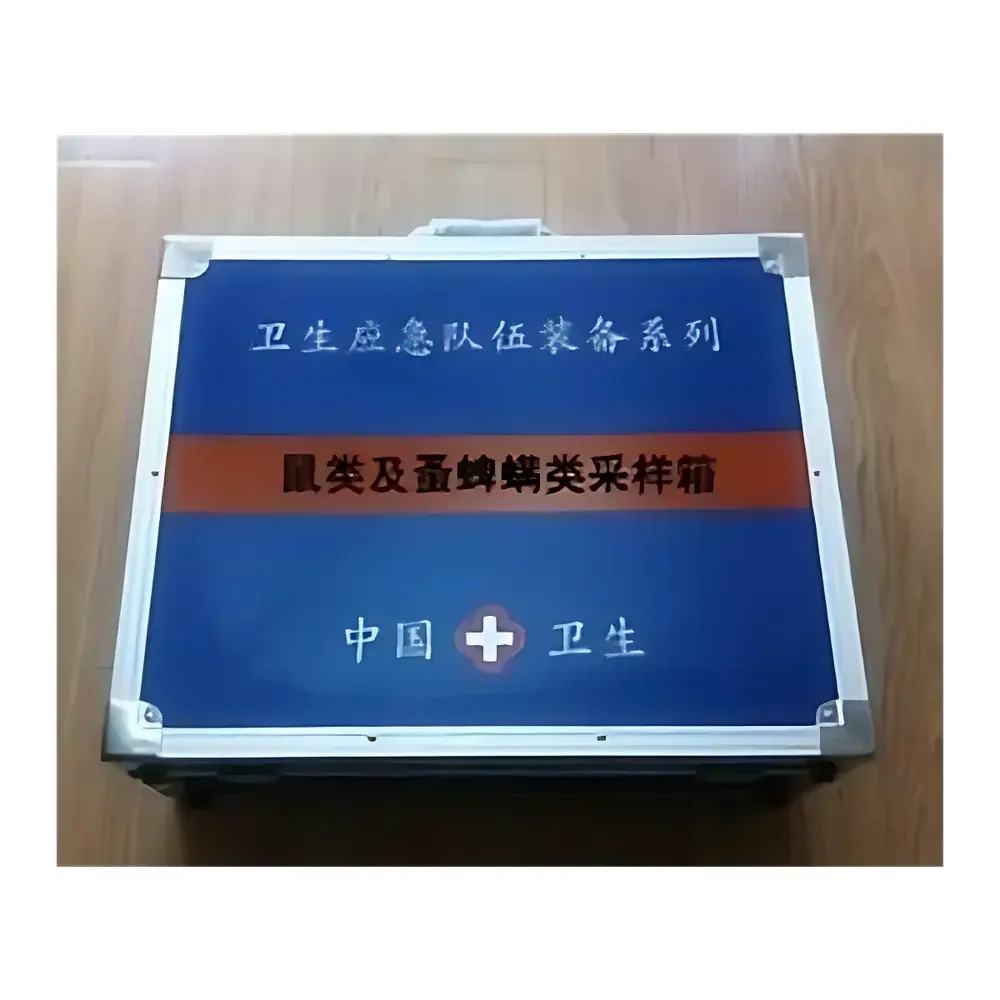
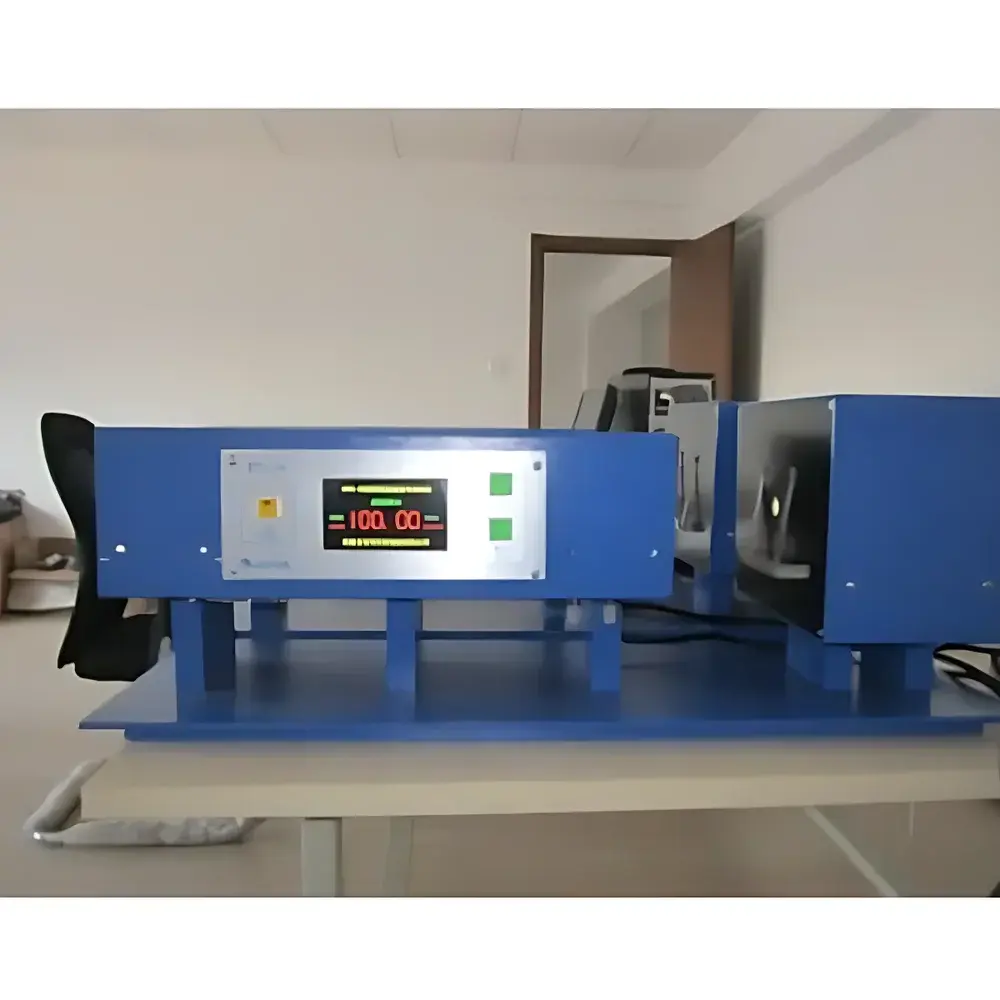
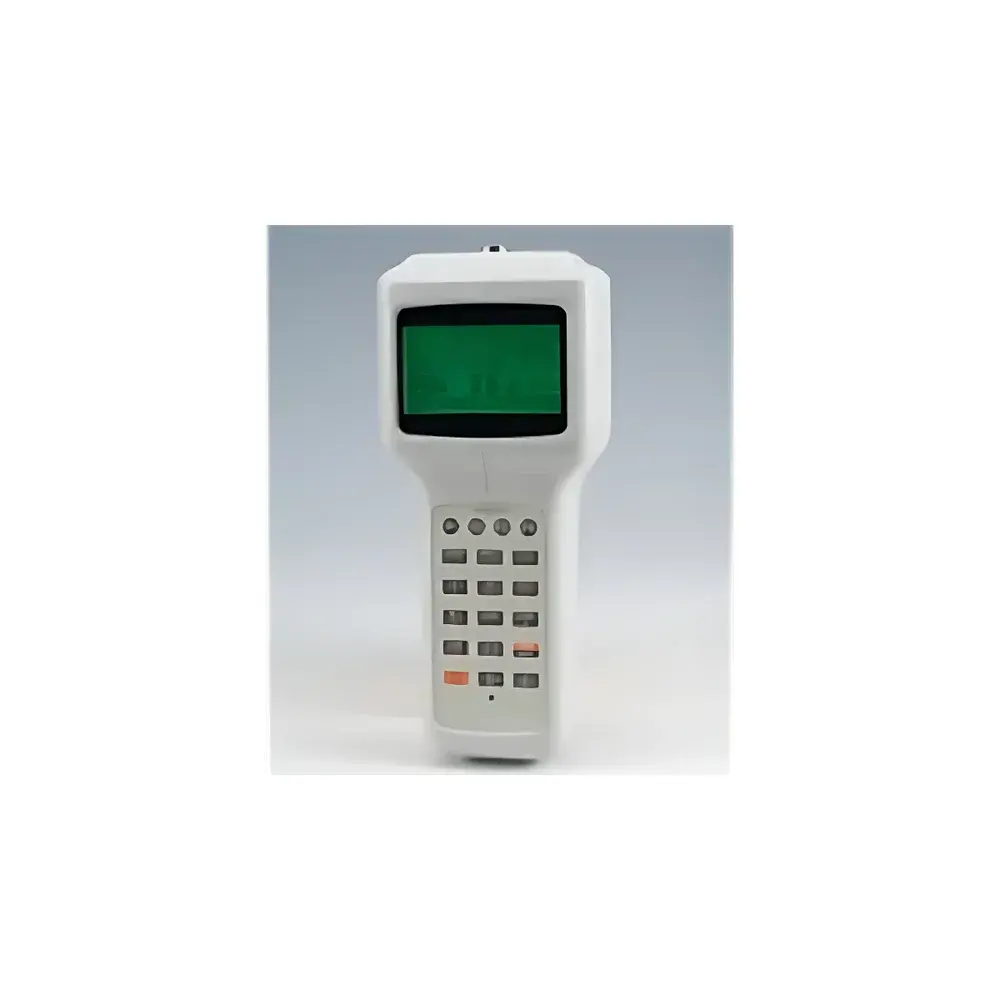
HengaoDe EP707 Multi-Function Laboratory Instrument Suite: Finger Dexterity Tester | Foundry Sand Gas Evolution Analyzer | Milk Somatic Cell Analyzer | Arthropod & Rodent Sampling Enclosure | Visible Light Transmittance Meter | Digital RF Signal Field Strength Meter
| Brand | HengaoDe |
|---|---|
| Origin | Beijing, China |
| Manufacturer Type | Authorized Distributor |
| Country of Origin | China |
| Model | EP707 |
| Price | USD 28.50 (FOB) |
Overview
The HengaoDe EP707 Multi-Function Laboratory Instrument Suite is a rigorously engineered collection of ten validated, application-specific instruments designed for compliance-driven testing in psychology laboratories, foundry quality control, dairy quality assurance, public health entomology, building materials certification, broadcast signal verification, environmental monitoring, and occupational hygiene. Each module operates on a distinct physical principle—ranging from mechanical psychomotor assessment and thermal gas evolution kinetics to laser light scattering, non-dispersive infrared absorption, and precision acoustic pressure transduction—and conforms to internationally referenced test standards including ASTM E2912 (hand dexterity), AFS 5210-00-S (foundry sand gas evolution), ISO 13366-1 (milk somatic cell enumeration), GB/T 2680–1994 (glass visible transmittance), GB/T 18204.23–2000 (CO/CO₂ analysis), IEC 61672-1:2013 (sound level meters), and JJG 846–2015 (aerosol concentration calibration). The suite supports GLP-aligned workflows through traceable measurement chains, documented calibration intervals, and instrument-specific uncertainty budgets.
Key Features
- Modular architecture enabling independent deployment or integrated lab workflow integration
- Embedded real-time timing systems with microsecond resolution (finger dexterity module)
- High-stability ceramic tube furnace with programmable ramp rates up to 1200 °C (foundry sand analyzer)
- D65-standardized illumination and V(λ)-matched photometric detection (visible transmittance meter)
- On-board lithium-ion battery with >24 h continuous operation (PM2.5/PM10 monitor and CO/CO₂ analyzer)
- RS232 and USB 2.0 interfaces supporting automated data logging and audit-trail generation
- Compliance-ready firmware with zero-point auto-compensation, temperature/humidity compensation algorithms, and user-accessible calibration constants
Sample Compatibility & Compliance
Each instrument meets defined material and procedural constraints per its intended use domain. The finger dexterity tester accommodates standard M3–M6 threaded inserts and accepts human subjects aged ≥12 years under controlled lighting and ambient noise conditions (ISO 9241-411). The foundry sand gas evolution analyzer processes granular samples ≤1.0 g in alumina crucibles, compatible with bentonite, phenolic resin, furan, and shell mold sands per AFS 5210-00-S and GB/T 26828–2011. The milk somatic cell analyzer uses capillary flow kinetics with proprietary lactic acid reagent (included), validated against ISO 13366-1 reference methods. The visible light transmittance meter accepts flat, parallel-faced specimens up to 200 × 200 mm with surface roughness <0.8 µm Ra. All modules are CE-marked for EMC Directive 2014/30/EU and RoHS 2011/65/EU compliance; full conformity documentation available upon request.
Software & Data Management
No proprietary software installation is required for basic operation. All instruments feature local LCD display with dual-unit output (e.g., ppm/mg·m⁻³, dB(A)/dB(C)), configurable averaging windows (1–60 s), and timestamped internal memory (500 entries minimum). Optional PC connectivity enables CSV export via RS232 or USB CDC class drivers. Raw data files include metadata headers specifying instrument ID, calibration date, operator ID, ambient T/RH, and measurement mode—supporting 21 CFR Part 11-compliant audit trails when used with validated third-party LIMS platforms. Firmware updates are delivered as signed binary packages with SHA-256 checksum verification.
Applications
- Psychology & Ergonomics: Quantitative longitudinal assessment of fine motor decline in aging cohorts; pre-employment screening for assembly-line technicians
- Foundry Engineering: Process validation of binder decomposition profiles; QC release testing of core sands prior to casting
- Dairy Science: On-farm mastitis triage using quarter-level milk samples; raw milk intake inspection at processing facilities
- Vector Control: Standardized field collection of fleas, ticks, mites, and rodents under WHO-recommended trapping protocols
- Construction Materials: Certification of architectural glazing per EN 410 and ISO 9050; solar heat gain coefficient (SHGC) derivation
- Broadcast Engineering: Cable TV signal integrity verification across 1–56 CH + Z01–Z43 CH bands; headend signal leakage detection
- Indoor Air Quality: Real-time PM₂.₅/PM₁₀ trend analysis in schools, offices, and cleanrooms per ISO 16000-26
FAQ
Does the EP707 suite include NIST-traceable calibration certificates?
Yes—each instrument ships with a factory calibration report referencing national metrology institute standards (NIM, China) and includes a unique serial-numbered certificate valid for 12 months from shipment.
Can the milk somatic cell analyzer be used with non-bovine milk samples?
The HAD-MINI analyzer is optimized for bovine casein matrixes; validation data for caprine, ovine, or buffalo milk are not provided and require user-side method adaptation per ISO/IEC 17025.
Is the foundry sand analyzer suitable for measuring gas evolution from green sand?
Yes—green sand samples must be dried to constant mass at 105 °C prior to testing to eliminate moisture interference; ASTM E2912 Annex A3 provides detailed sample preparation guidance.
What is the maximum allowable surface curvature for glass samples tested with the QXH-BTG-3S?
The instrument requires planar specimens; curvature exceeding 0.5 mm deviation over 100 mm length introduces >0.3% transmittance error and is outside specification.
How frequently must the CO/CO₂ analyzer undergo zero-point verification?
Per GB/T 18204.23–2000 Section 7.2, zero-point verification is required before each daily measurement session and after any ambient temperature shift >5 °C.





