
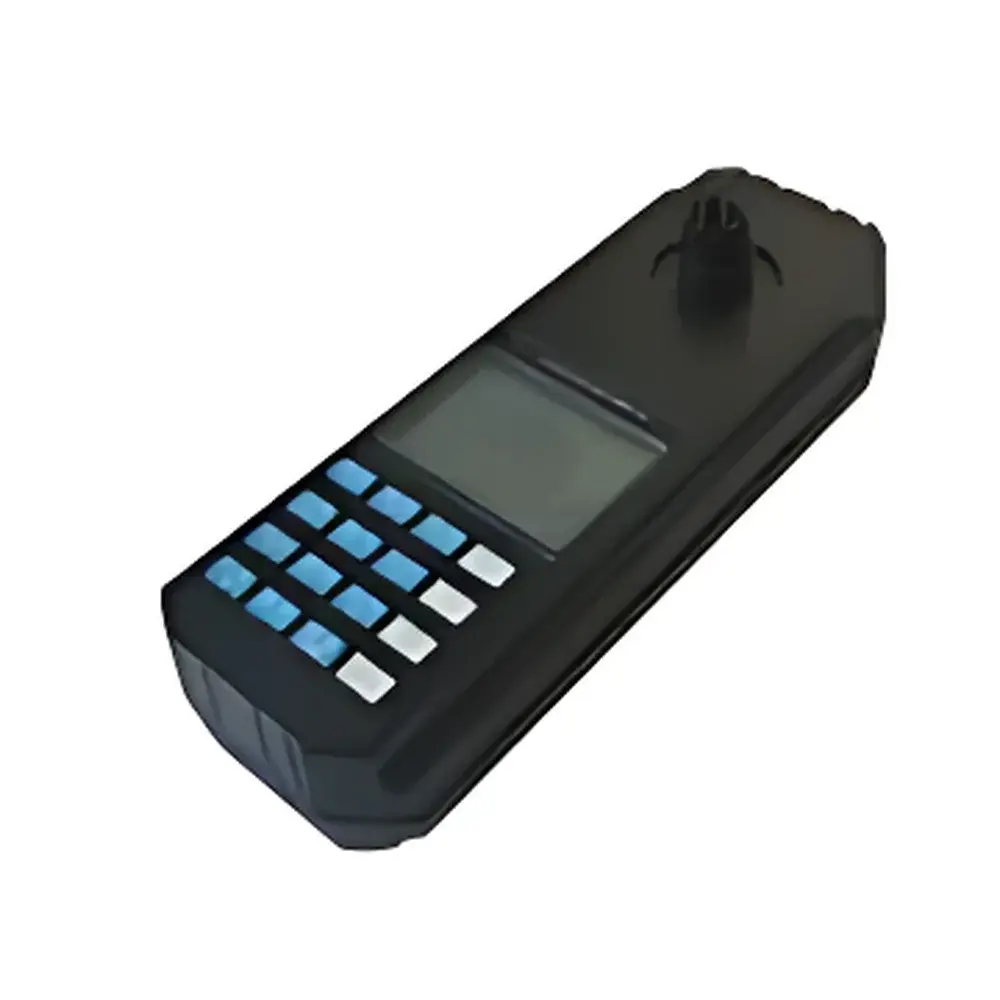
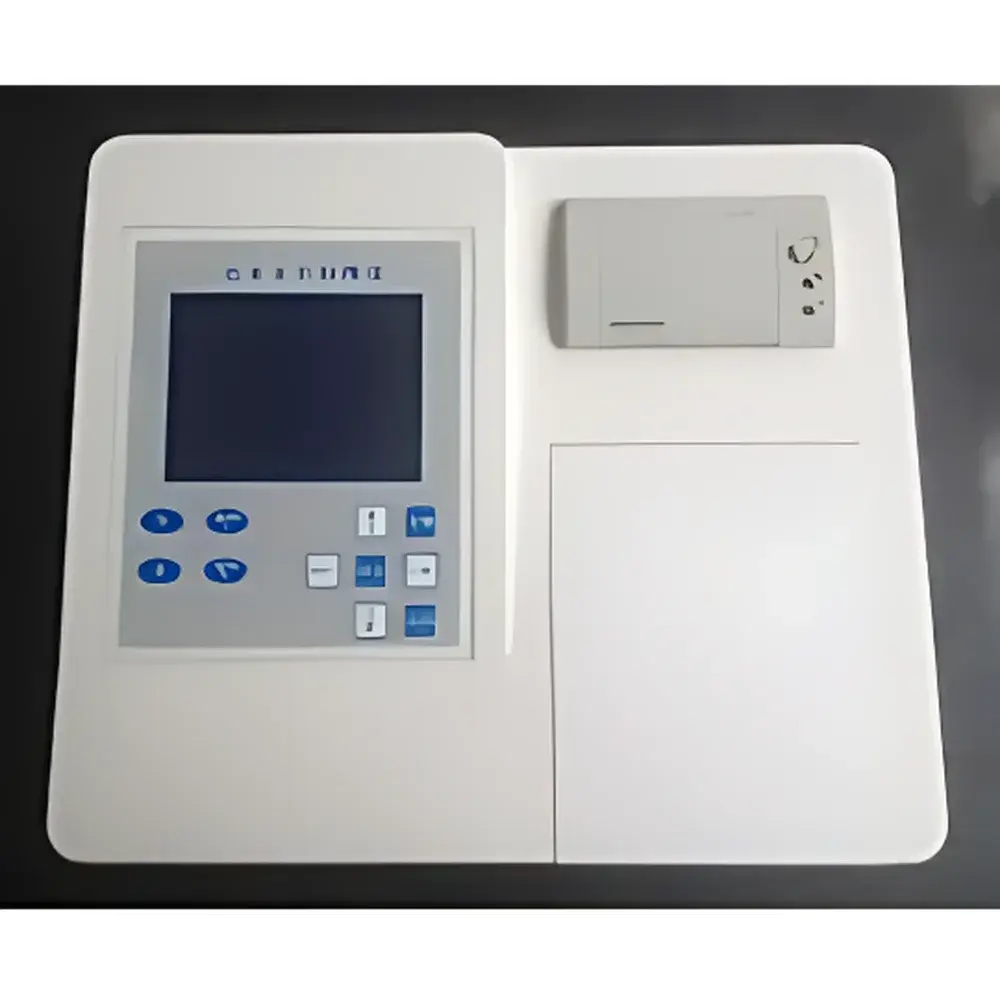
HengaoDe H18275 Dual-Fuel Octane & Cetane Analyzer for Gasoline (RON/MON) and Diesel (CN/CI) with Color Touchscreen Interface
| Brand | HengaoDe |
|---|---|
| Origin | Beijing, China |
| Manufacturer Type | Authorized Distributor |
| Country of Origin | China |
| Model | H18275 |
| Price | USD 85.50 (FOB Beijing) |
| Gasoline Octane Range | 50.0–120.0 RON / 60.0–105.0 MON |
| Diesel Cetane Number (CN) | 25–75 |
| Cetane Index (CI) | 20–80 |
| Accuracy | ≤±1.5 RON/MON/CN/CI |
| Repeatability | ≤±0.2 RON |
| Reproducibility (95% confidence) | ≤±0.5 RON |
| Resolution | 0.1 unit (RON/MON/CN/CI) |
| Response Time | 1 s |
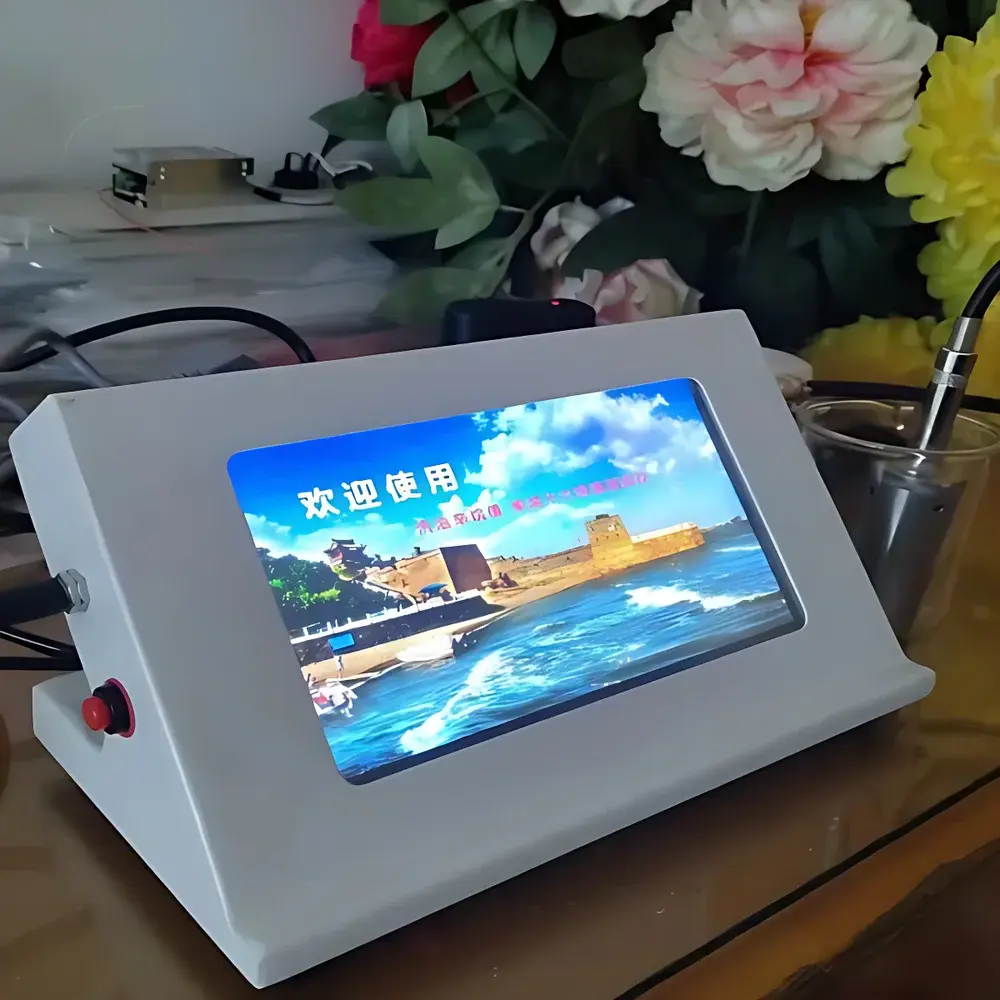
| Display | 7-inch color capacitive touchscreen |
| Power Supply | AC 220 V ±10%, 50 Hz ±1 Hz |
| Operating Temperature | 10–35 °C |
| Relative Humidity | ≤85% RH |
| Dimensions | 250 × 200 × 140 mm |
| Weight | 3.2 kg |
Overview
The HengaoDe H18275 Dual-Fuel Octane & Cetane Analyzer is a benchtop spectroscopic-computational instrument engineered for rapid, non-destructive determination of research octane number (RON), motor octane number (MON), cetane number (CN), and cetane index (CI) in petroleum fuels. It operates on a validated empirical correlation platform integrating near-infrared (NIR) spectral response with multivariate regression algorithms calibrated against reference ASTM D2699 (RON), ASTM D2700 (MON), and ASTM D613 (CN) test methods. Unlike classical knock-engine-based analyzers, the H18275 employs a solid-state optical sensor array and proprietary chemometric modeling to deliver traceable results aligned with national metrological standards—specifically GB/T 5487–2015 (gasoline) and GB/T 386–2010 (diesel). Its dual-fuel capability eliminates the need for separate instruments, reducing laboratory footprint and operational overhead while maintaining compliance with ISO/IEC 17025:2017 requirements for fuel testing laboratories.
Key Features
- Integrated color capacitive touchscreen interface with intuitive Chinese/English bilingual navigation and real-time result visualization
- Automated calibration transfer protocol enabling traceability to certified reference fuels per JJG 1122–2016 (Chinese national verification regulation)
- Dual-mode regression engine supporting both single-point and multi-point calibration workflows for enhanced long-term stability
- Onboard data storage (≥10,000 test records) with timestamp, operator ID, and environmental condition logging
- Compact form factor (250 × 200 × 140 mm) optimized for refinery QC labs, mobile fuel inspection units, and military field depots
- Robust thermal management system ensuring measurement consistency across ambient temperatures from 10 °C to 35 °C
- Compliance-ready audit trail functionality supporting GLP documentation requirements for regulatory submissions
Sample Compatibility & Compliance
The H18275 accepts undiluted liquid samples of aviation gasoline (AVGAS), automotive gasoline (including E10/E15 ethanol blends), reformulated gasoline, light naphthas, and middle-distillate diesel fuels. It is validated for use with samples meeting ASTM D4057 sampling protocols and compatible with ISO 4259 precision guidelines for repeatability and reproducibility. Instrument performance conforms to the metrological accuracy criteria defined in CNAS-CL01-A016:2022 (fuel testing competence) and supports traceability to NIM (National Institute of Metrology, China) reference materials. While not a primary standard method per se, its algorithmic output is formally accepted as a working standard under CNPC and Sinopec internal QA procedures when operated within specified calibration intervals and environmental constraints.
Software & Data Management
Firmware v3.2 includes embedded data management tools compliant with basic 21 CFR Part 11 principles: electronic signature prompts, user-level access control (admin/operator modes), and immutable test record generation with SHA-256 hash integrity verification. Raw spectral data and regression coefficients are exportable via USB 2.0 port in CSV format. Optional PC software (HengaoDataLink v2.1) enables batch report generation, trend analysis, and integration with LIMS platforms via configurable ODBC drivers. All calibration files include digital signatures and version stamps to ensure method integrity during audits. Audit logs capture all critical events—including calibration updates, parameter changes, and user logins—with timestamps synchronized to UTC.
Applications
This analyzer serves as a primary workhorse in midstream and downstream petroleum quality assurance environments. It is routinely deployed for: in-line blending verification at refineries; conformity assessment of imported/exported fuel cargoes per GB 17930–2016 and GB 19147–2016 specifications; rapid screening of fuel adulteration (e.g., kerosene dilution in diesel); and field validation of fuel quality at forward-deployed military logistics hubs. Its portability and low power draw also make it suitable for third-party inspection agencies conducting on-site verification per AQSIQ certification mandates. The instrument meets the functional requirements outlined in SH/T 0765–2005 for alternative octane/cetane determination methods.
FAQ
Does the H18275 require certified reference fuels for daily operation?
Yes—initial calibration must be performed using NIST-traceable or CNAS-accredited reference fuels (e.g., RON 92, RON 98, CN 45, CN 55). Subsequent verification checks can utilize lower-cost secondary standards per JJG 1122–2016 Annex B.
Can the instrument measure ethanol content in gasoline blends?
No—the H18275 is not configured for oxygenate quantification. Ethanol concentration must be determined separately via ASTM D4815 or GC analysis prior to octane correlation.
Is external temperature compensation required during testing?
No—the built-in PT100 sensor continuously monitors sample chamber temperature and applies real-time correction coefficients per ISO 5164 Annex A.
What maintenance schedule is recommended for long-term accuracy?
Optical path cleaning every 200 tests; full system verification with reference fuels every 30 days or after 500 measurements; annual firmware update and sensor linearity check per manufacturer service bulletin SB-H18275-2024.
Does the device support remote diagnostics or firmware updates?
Firmware updates require local USB connection; remote diagnostics are not supported due to cybersecurity policies governing industrial fuel testing instrumentation.





