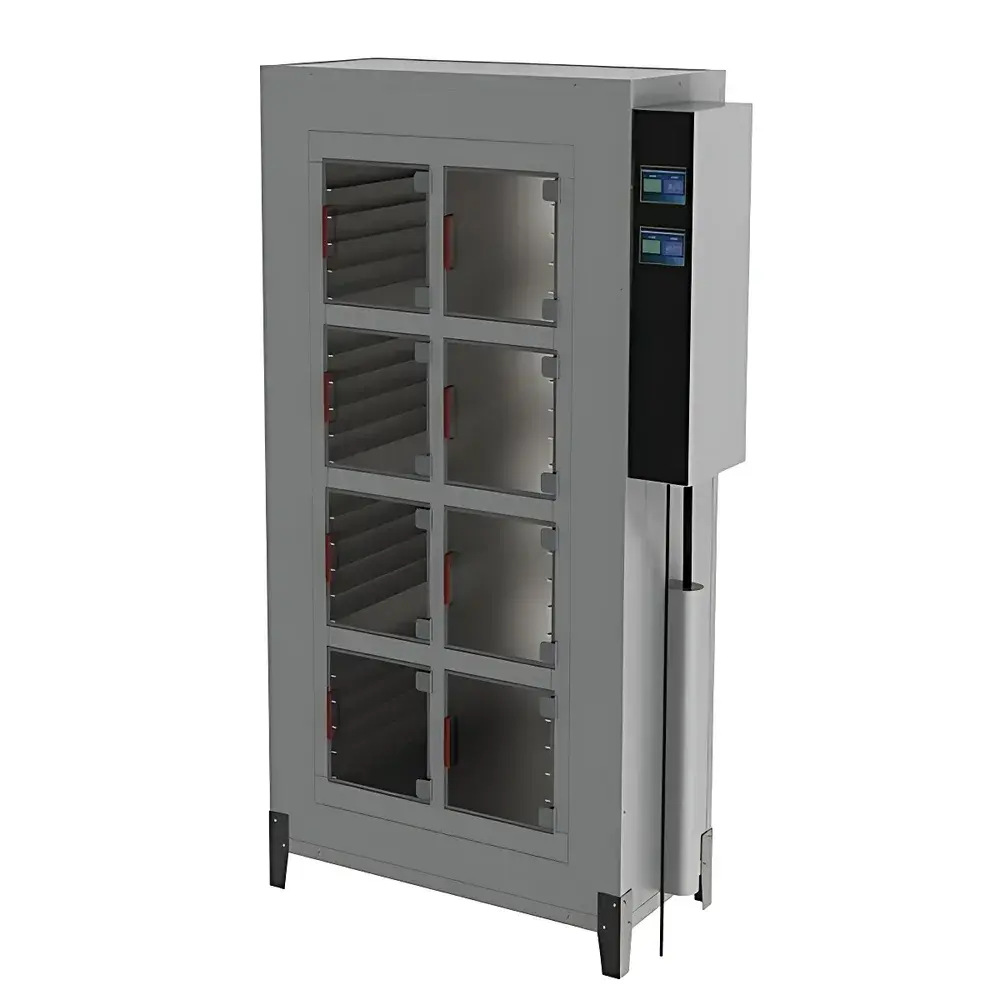
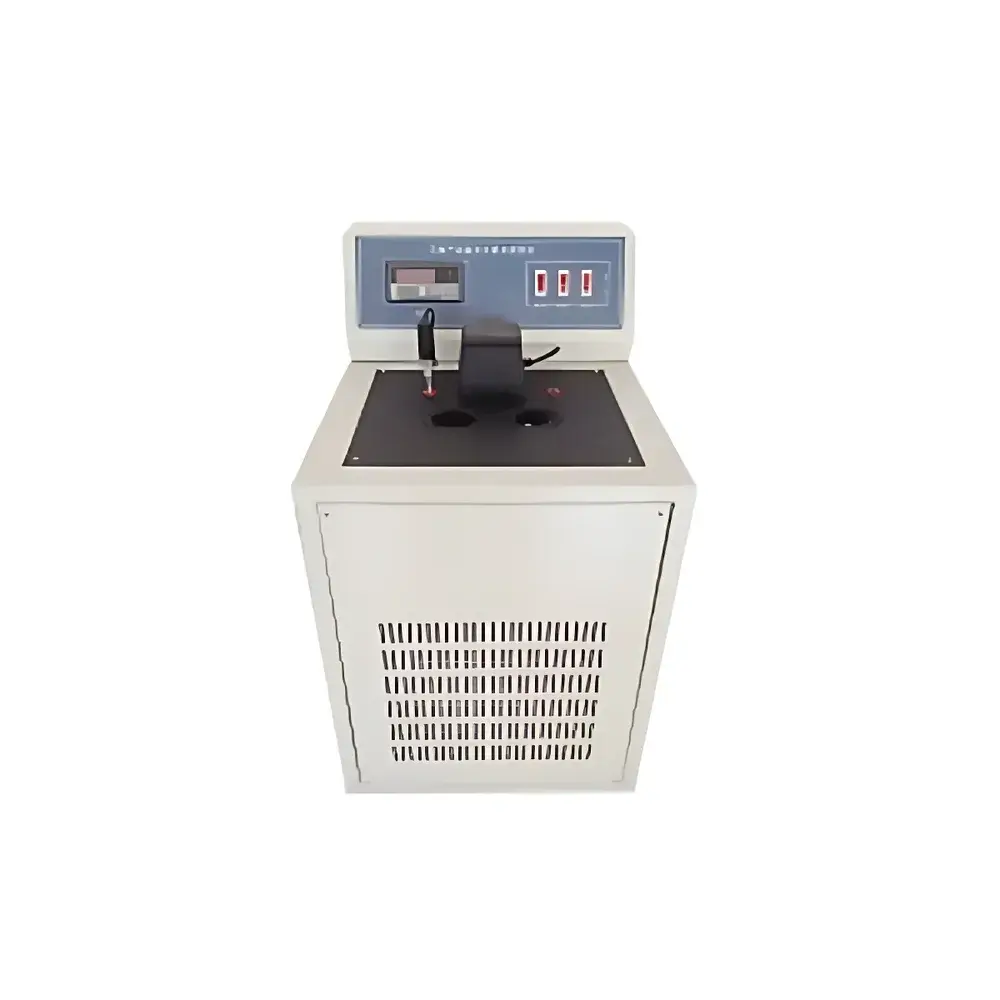
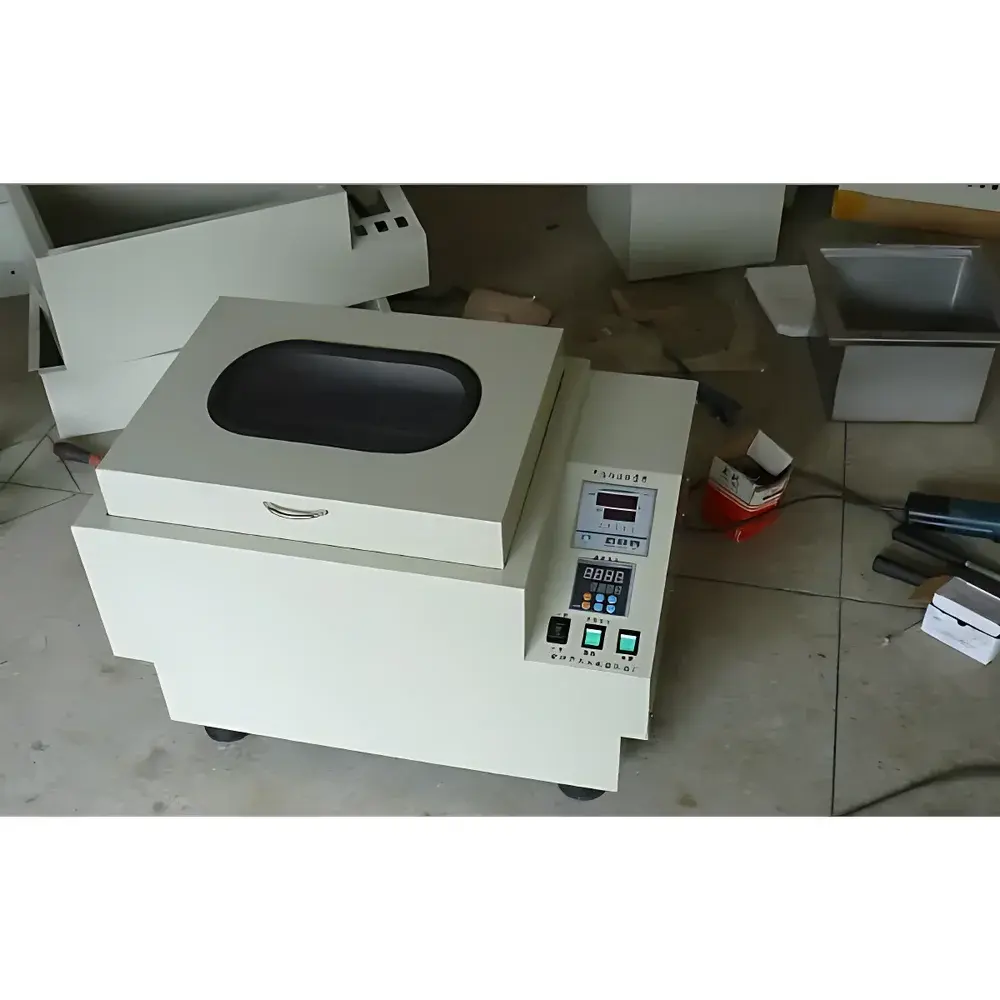
HengaoDe H17972 Precision Temperature- and Humidity-Controlled Proofing Cabinet for Bakery & Rheological Testing Support
| Brand | HengaoDe |
|---|---|
| Origin | Beijing, China |
| Manufacturer Type | Authorized Distributor |
| Product Origin | Domestic (China) |
| Model | H17972 |
| Price | USD 28.50 (FOB) |
| Power Supply | AC 220 V ±10%, 50/60 Hz |
| Operating Ambient | 15–45 °C, 10–85% RH |
| Chamber Volume | ≥0.3 m³ |
| Temp. Range | (Ambient +5)–40 °C |
| Temp. Accuracy | ±1 °C |
| Humidity Range | 70–90% RH |
| Humidity Accuracy | ±5% RH |
| Air Exchange Rate | ≥10 cycles/min |
| Touchscreen | 5-inch color LCD with intuitive Chinese/English UI |
| Heating Recovery Time | ≤60 min (from 20 °C to setpoint) |
| Water Reservoir | Auto-fill & temperature-controlled evaporation chamber |
| Accessories | 8 × 100 g bread tins, stainless steel hanging rods, steam duct, misting bracket, leveling feet |
Overview
The HengaoDe H17972 Precision Temperature- and Humidity-Controlled Proofing Cabinet is an engineered solution for standardized dough fermentation in bakery R&D, quality control, and analytical laboratories supporting rheological instrumentation such as extensibility testers (e.g., Brabender Extensograph, Chopin Alveograph). Designed in strict accordance with GB/T 20981–2007 (Chinese National Standard for Bread Production) and aligned with ISO 21702:2019 requirements for controlled environmental conditioning of biological samples, the cabinet employs a dual-loop microprocessor-based control system to independently regulate temperature and relative humidity within tightly defined tolerances. Its operation relies on forced-air convection via a low-turbulence axial fan, ensuring uniform thermal and hygric distribution across the entire 0.3 m³ chamber—critical for reproducible gluten network development and consistent viscoelastic response during subsequent mechanical testing. The unit integrates a PID-controlled heating module, digitally regulated ultrasonic humidification, and real-time feedback from calibrated Pt100 sensors and capacitive RH transducers.
Key Features
- Independent dual-channel digital control of temperature (±1 °C accuracy) and relative humidity (±5% RH accuracy) via 5-inch color touchscreen interface with multilingual support
- High-efficiency air circulation system delivering ≥10 complete chamber air exchanges per minute, minimizing spatial gradients (max. ΔT ≤ ±1 °C between positions)
- Auto-refillable, temperature-stabilized water reservoir with integrated level sensor and anti-scale heating element
- Tempered glass observation door with anti-fog coating for non-intrusive process monitoring without environmental disturbance
- Modular accessory kit compliant with GB/T 20981–2007: includes eight 100 g standardized bread tins, adjustable stainless-steel suspension rods (φ6 mm and φ10 mm), steam distribution duct, and precision leveling feet
- Electromechanical dampers allow fine-tuning of airflow distribution to accommodate heterogeneous sample layouts or multi-tiered racks
- Compliance-ready logging: timestamped internal environmental records stored onboard (≥10,000 entries), exportable via USB for GLP/GMP audit trails
Sample Compatibility & Compliance
The H17972 accommodates standard bakery test formats—including straight-dough, sponge-dough, and pre-ferment systems—as well as non-food applications requiring stable thermo-hygrometric environments (e.g., polymer hydration studies, cement paste conditioning per ASTM C305, or pharmaceutical excipient stability testing per ICH Q1A). All structural components contact surfaces are electropolished 304 stainless steel, meeting FDA 21 CFR Part 11 material compatibility guidelines for indirect food contact. Electrical safety conforms to GB 4706.1–2005 (IEC 60335-1 equivalent). Humidity generation uses deionized water only; no chemical additives or glycol-based saturators are employed, eliminating cross-contamination risk during sequential testing of sensitive biological or catalytic samples.
Software & Data Management
Firmware v3.2 supports configurable data logging intervals (1–60 min), user-defined alarm thresholds (e.g., RH 95%), and password-protected parameter locking for SOP enforcement. Raw sensor outputs (temperature, RH, fan speed, heater duty cycle) are timestamped and stored internally with millisecond-resolution timestamps. Export is supported via USB 2.0 mass storage mode—no proprietary drivers required. CSV-formatted logs include ISO 8601 timestamps, ambient condition metadata, and operator ID fields. Optional PC software (Windows/macOS/Linux compatible) enables trend analysis, deviation reporting, and automated PDF certificate generation per ISO/IEC 17025 clause 7.8.2.
Applications
- Standardized dough proofing prior to tensile testing on Brabender Extensograph or Chopin Alveograph systems
- Controlled hydration of cereal flours for moisture-dependent rheology calibration (e.g., Farinograph absorption point validation)
- Conditioning of catalyst pellets and molecular sieves before bulk density measurement (per GB/T 6286–1986)
- Pre-equilibration of polymer films and hydrogels for DMA or DSC sample preparation
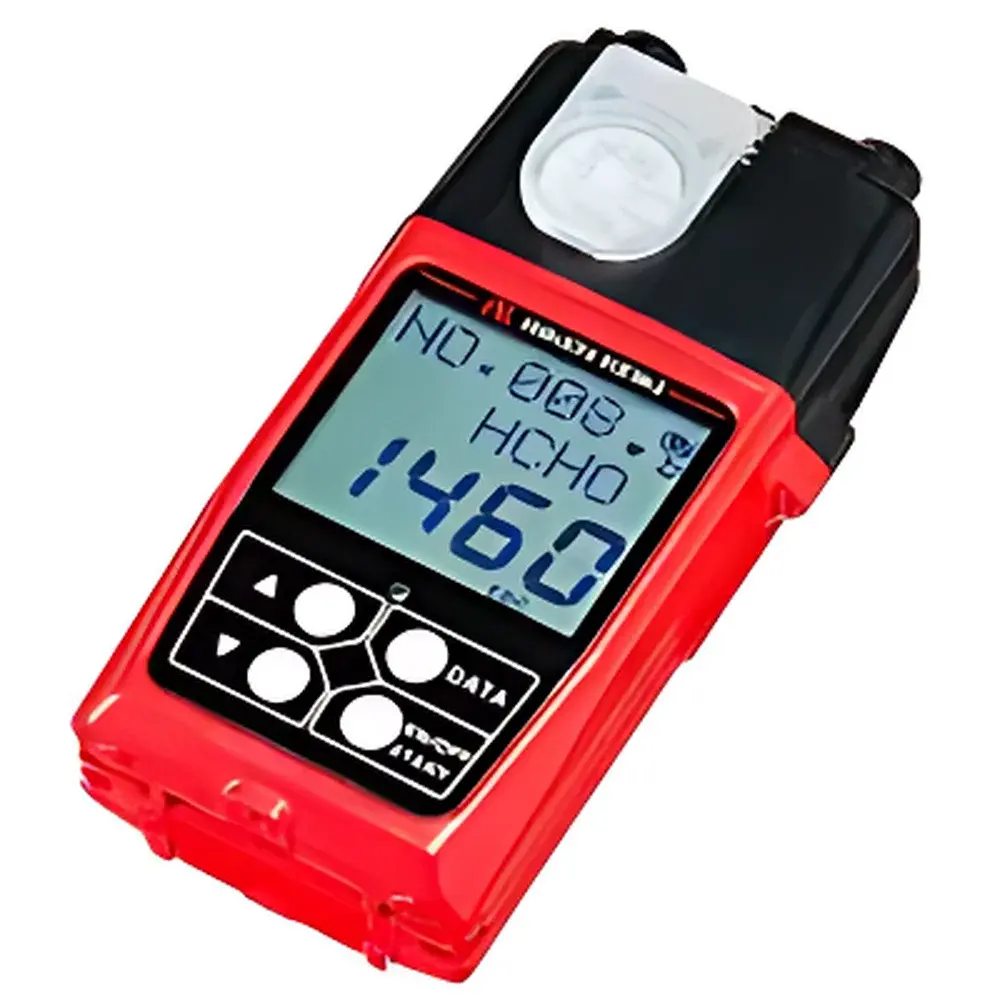
- Environmental stabilization of reference standards used in turbidity (HAD-ZD1000), formaldehyde (FP-31), or foam extinguishing agent (HAD-L510) testing protocols
- Accelerated aging studies of packaging materials under defined温湿度 stress conditions (ASTM F1980)
FAQ
Does the H17972 comply with international bakery testing standards?
Yes—it meets the environmental control requirements specified in AACC Method 10–10 (Dough Proofing), ICC Standard No. 115 (Rheological Testing), and EN 15287–1:2017 (Laboratory Climate Control for Food Analysis).
Can the unit be integrated into a LIMS or ELN platform?
Native integration is supported via Modbus RTU over RS-485 (optional module); JSON API access available through optional Ethernet gateway (firmware v3.3+).
What maintenance is required for long-term humidity accuracy?
Capacitive RH sensors require annual recalibration against NIST-traceable saturated salt solutions; the humidifier chamber should be descaled quarterly using 5% citric acid solution.
Is validation documentation provided?
Factory-issued IQ/OQ protocol templates (PDF + editable Word), as-found/as-left calibration reports, and traceable sensor certificates are included with each unit.
Can the cabinet operate continuously for 72+ hours?
Yes—designed for unattended operation up to 168 h; thermal cutoff and dry-run protection prevent heater/humidifier damage during extended runs.