
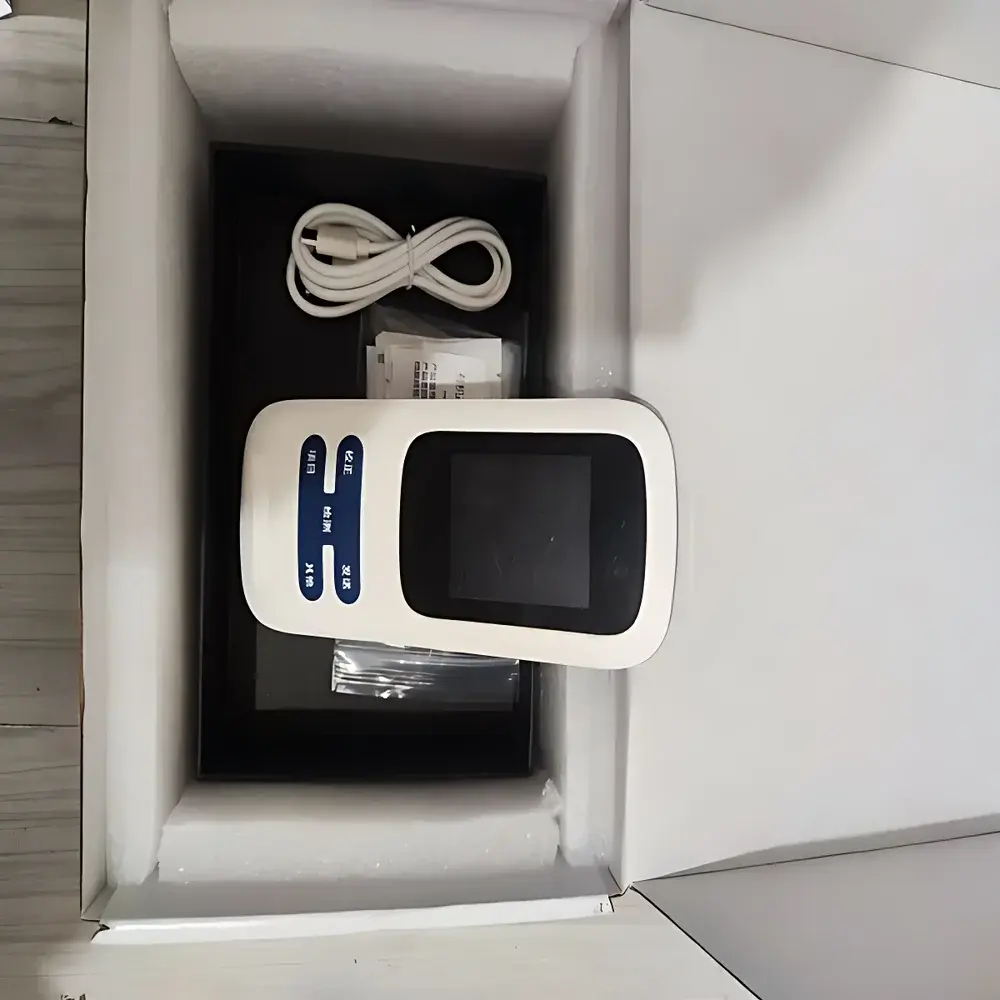
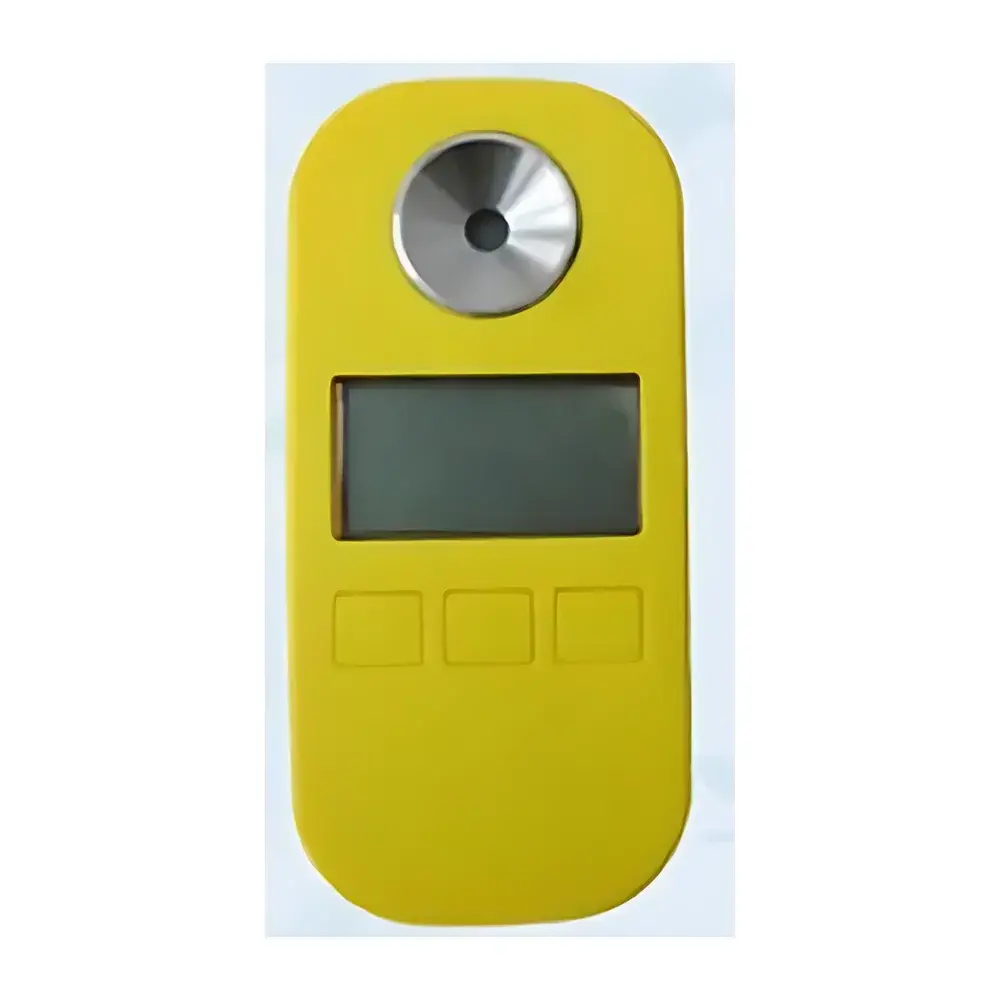
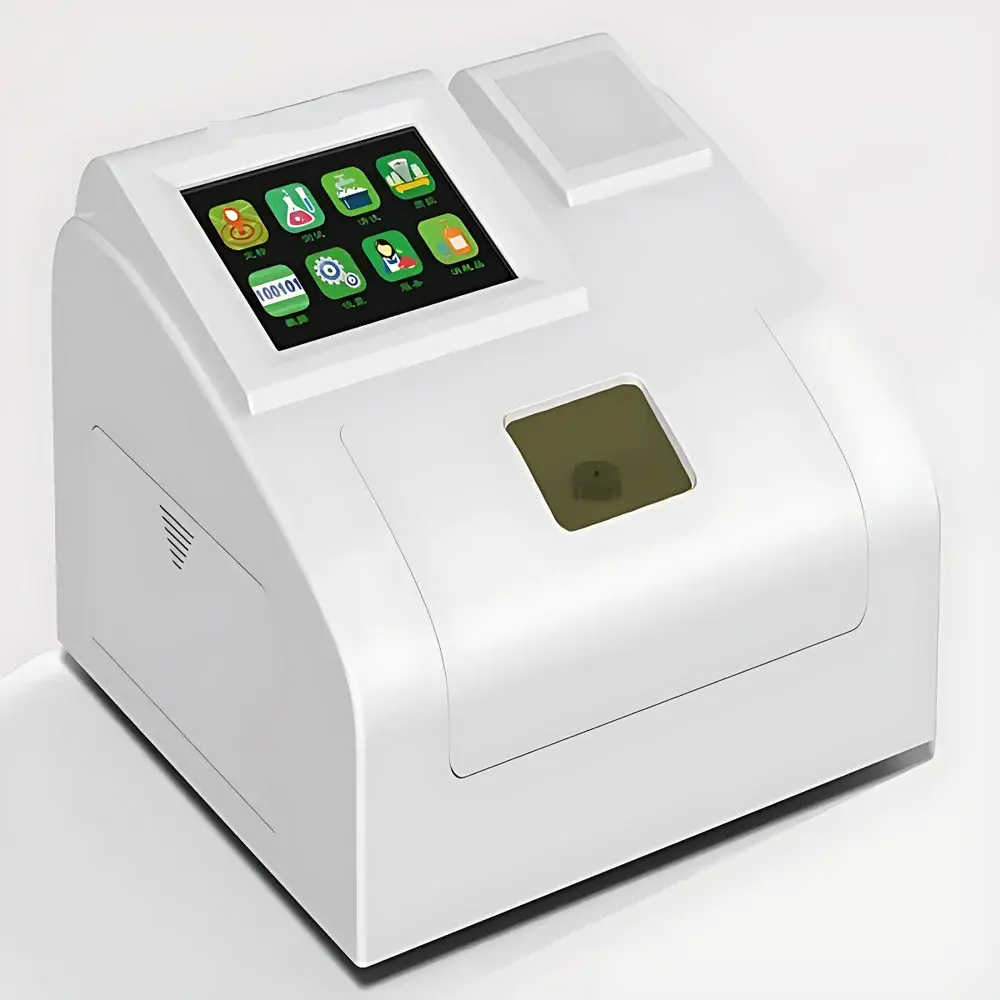
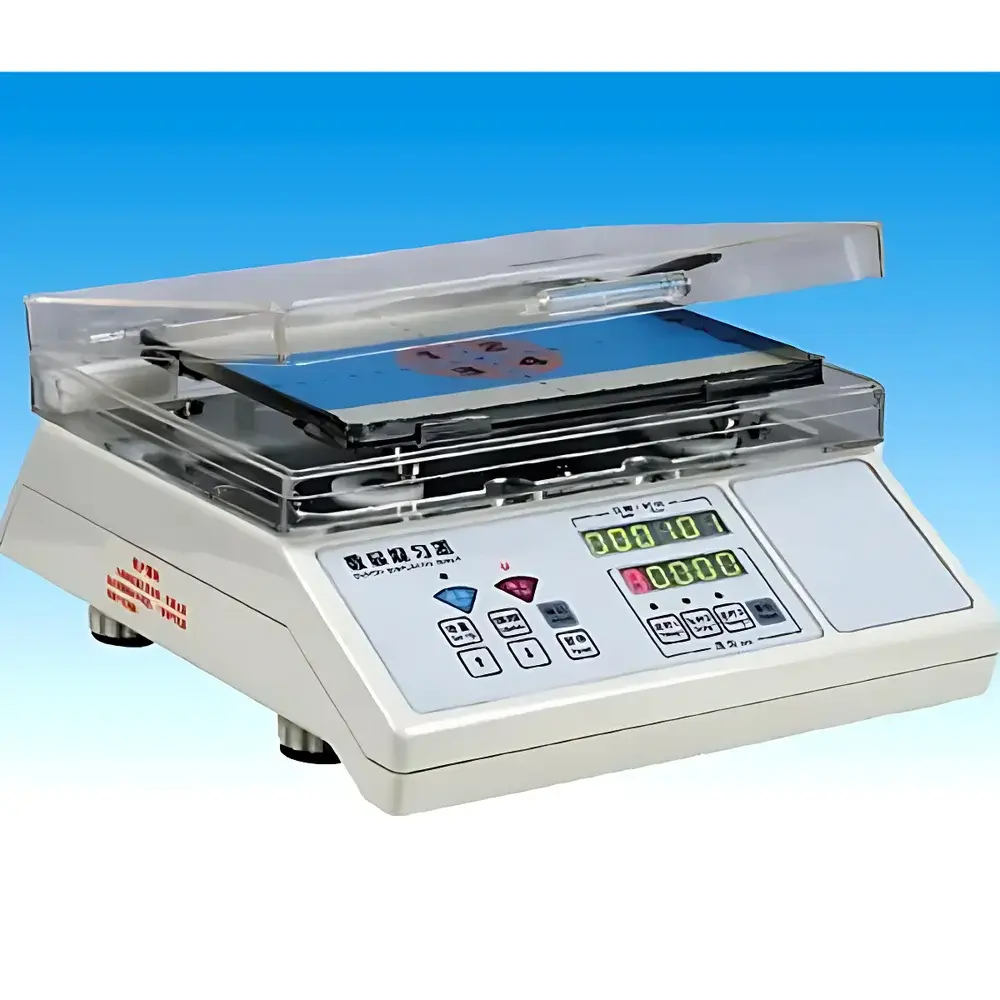
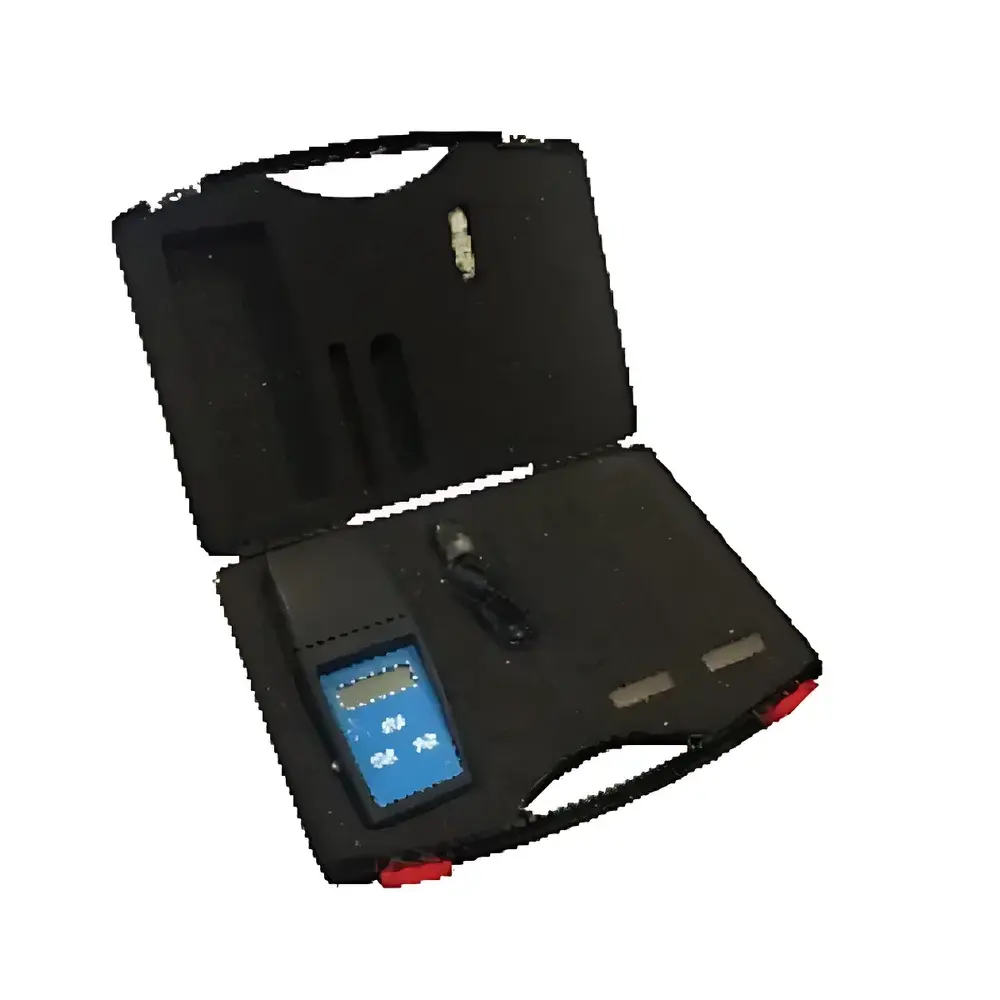
HengaoDe HAD-Y100C Handheld Pesticide Residue Analyzer with Bluetooth Connectivity and Mobile APP Integration
| Brand | HengaoDe |
|---|---|
| Origin | Beijing, China |
| Manufacturer Type | Authorized Distributor |
| Country of Origin | China |
| Model | HAD-Y100C |
| Detection Principle | Enzyme Inhibition Method |
| Measurement Method | Optical Reflectance Spectroscopy |
| Consumable | Disposable Test Strips |
| Inhibition Rate Range | 0–100% |
| Accuracy | ±10% |
| Repeatability | ≤5% |
| Communication | Bluetooth 4.0 |
| Power Supply | Rechargeable Lithium Battery (8 h continuous operation) |
| Dimensions | 175 × 100 × 85 mm |
| Compliance | Designed for field-deployable food safety screening per GB/T 5009.199–2003 and ISO/IEC 17025-aligned workflows |
Overview
The HengaoDe HAD-Y100C Handheld Pesticide Residue Analyzer is a field-deployable, enzyme inhibition–based rapid screening instrument engineered for the quantitative detection of organophosphorus and carbamate pesticide residues in fresh fruits and vegetables. It operates on the biochemical principle that acetylcholinesterase (AChE) activity is reversibly inhibited by these pesticide classes; the degree of inhibition—measured via optical reflectance spectroscopy from standardized chromogenic test strips—is directly correlated to residue concentration. Unlike subjective visual interpretation of colorimetric cards, the HAD-Y100C employs a calibrated photometric sensor to capture spectral reflectance at defined wavelengths, converting raw signal intensity into digital inhibition rate values (0–100%) with automated pass/fail classification against regulatory thresholds (e.g., China’s GB 2763–2021 MRLs). Its palm-sized form factor, integrated rechargeable battery, and ruggedized enclosure enable real-time decision-making at farm gates, wholesale markets, school cafeterias, and municipal food safety inspection units without reliance on laboratory infrastructure.
Key Features
- Optical reflectance detection system eliminates inter-observer variability inherent in manual card reading, delivering objective, operator-independent results.
- High-contrast color LCD display presents inhibition rate (%) and compliance status (PASS/FAIL) in real time—no post-processing required.
- One-touch assay initiation: Insert pre-loaded test strip → press START → result displayed in <60 seconds.
- Bluetooth 4.0 wireless module enables secure pairing with Android/iOS mobile devices running the official HengaoDe Food Safety APP.
- On-device data storage (up to 500 records) with timestamp, GPS geotagging (via paired smartphone), and automatic cloud synchronization to centralized regulatory dashboards.
- Dedicated carrying case with shock-absorbing foam ensures safe transport during mobile surveillance operations.
- IP54-rated enclosure resists dust ingress and incidental water splashes encountered in humid produce markets or outdoor agricultural settings.
Sample Compatibility & Compliance
The HAD-Y100C is validated for homogenized extracts from common commodities including leafy greens (lettuce, spinach), solanaceous fruits (tomatoes, peppers), cucurbits (cucumbers, zucchini), and pome/stone fruits (apples, peaches). Sample preparation follows AOAC Official Method 2007.01–derived protocols: 2 g of finely chopped sample + 10 mL extraction buffer, vortexed for 1 min, centrifuged (3000 rpm, 3 min), supernatant diluted 1:1 prior to strip immersion. While not a confirmatory method per ISO/IEC 17025, the device supports GLP-aligned field screening workflows compliant with China’s State Administration for Market Regulation (SAMR) guidance on rapid testing for foodborne chemical hazards. Data export formats (CSV, PDF) meet traceability requirements for audit trails under GB/T 27404–2008.
Software & Data Management
The companion HengaoDe Food Safety APP (v3.2+, available on Google Play and Apple App Store) provides end-to-end digital workflow management. Functions include: batch assignment with unique QR-coded sampling IDs; real-time result visualization with trend graphs; generation of traceable “Compliance Certificates” featuring QR codes linking to raw data and geolocation metadata; role-based access control for inspectors, supervisors, and lab managers; and encrypted HTTPS upload to cloud-hosted platforms compatible with municipal food safety monitoring systems (e.g., Beijing Municipal Food Safety Information Platform). All data transmissions adhere to TLS 1.2 encryption standards. Audit logs record user actions, timestamped modifications, and device calibration events—supporting FDA 21 CFR Part 11–aligned electronic record integrity where applicable.
Applications
- Pre-harvest field screening by cooperative agronomists to guide harvest timing and reduce post-harvest rejection risk.
- Routine surveillance at farmers’ markets and wet markets under municipal food safety ordinances.
- Quality assurance checks in institutional kitchens (schools, hospitals, corporate cafeterias) prior to meal preparation.
- First-response triage during foodborne illness investigations to prioritize samples for GC-MS/MS confirmation.
- Educational use in university food science laboratories to demonstrate enzyme kinetics and rapid assay design principles.
FAQ
What types of pesticides does the HAD-Y100C detect?
It quantifies inhibition caused by organophosphorus (e.g., chlorpyrifos, diazinon) and carbamate (e.g., carbaryl, methomyl) compounds—covering >90% of high-risk residues in Chinese fresh produce supply chains.
Can test strips be reused?
No. Each disposable strip contains lyophilized AChE and chromogenic substrate; single-use design ensures assay consistency and prevents cross-contamination.
Is calibration required before each test?
A factory-calibrated reference strip is included for daily verification. Full recalibration is performed annually by authorized service centers using NIST-traceable standards.
Does the device support multi-language interfaces?
The embedded firmware displays English and Simplified Chinese. The mobile APP adds Spanish and Vietnamese language packs for export-oriented users.
How is data security ensured during Bluetooth transmission?
Pairing requires manual confirmation on both devices; all payloads are AES-128 encrypted prior to transmission, with session keys regenerated per connection.
Related Products






