
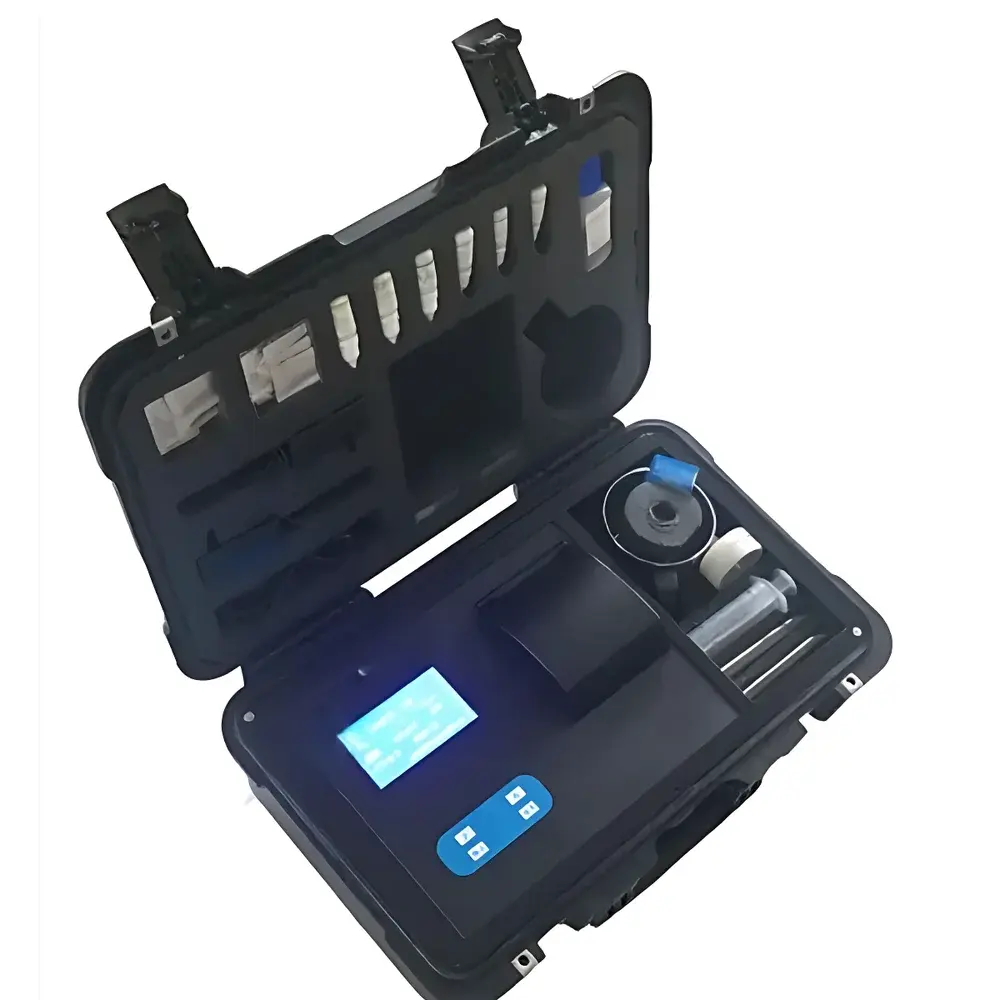
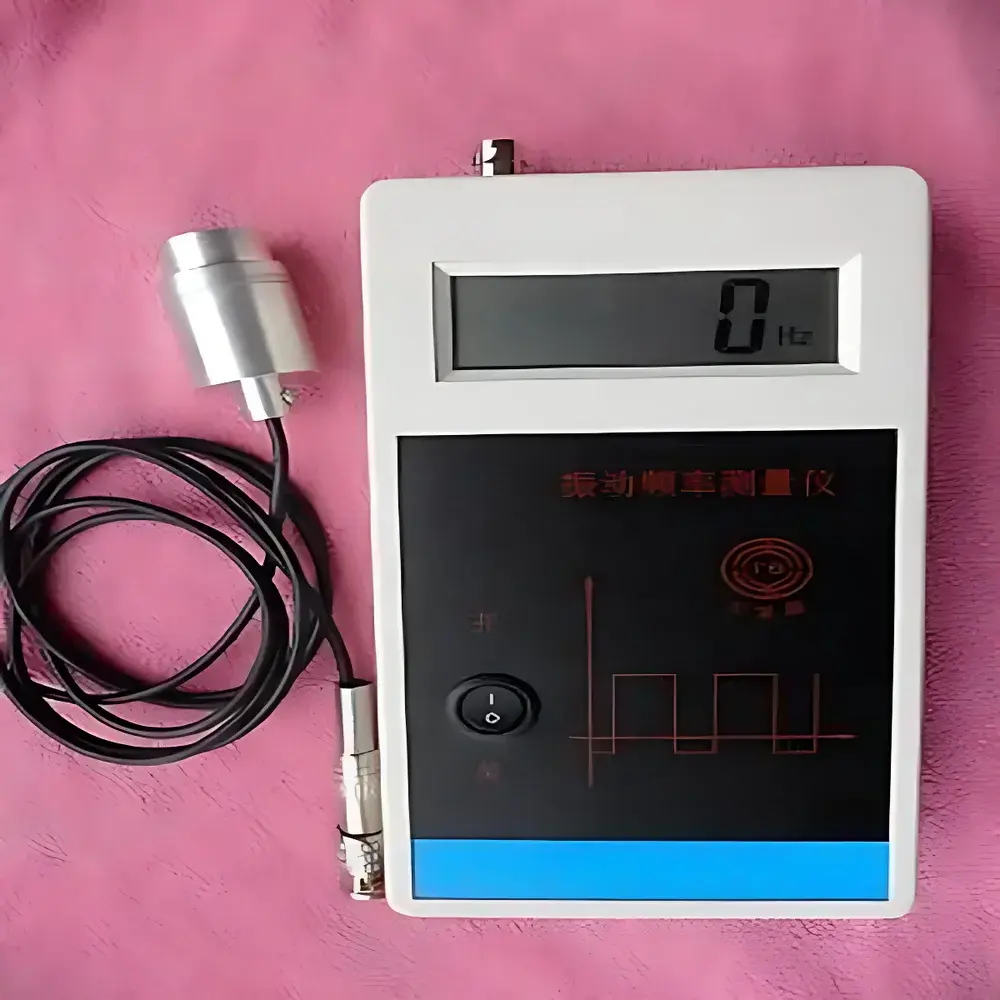
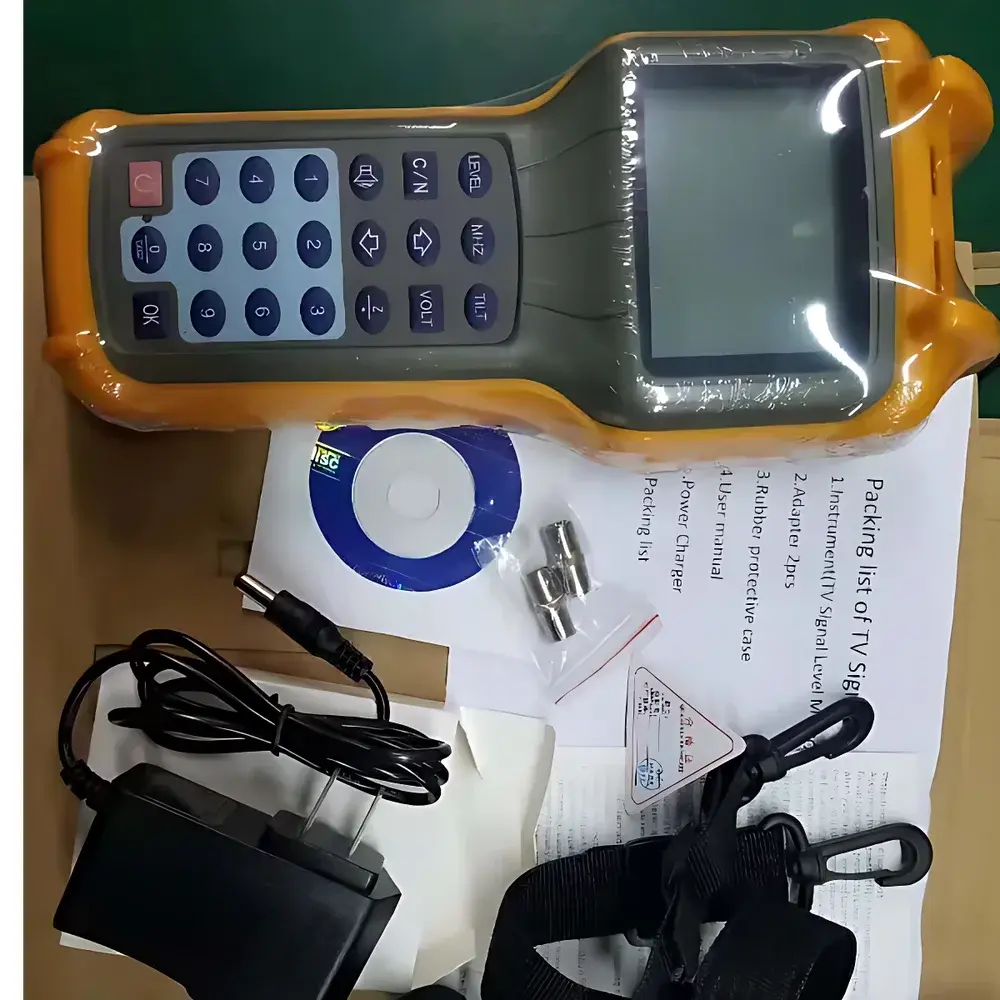
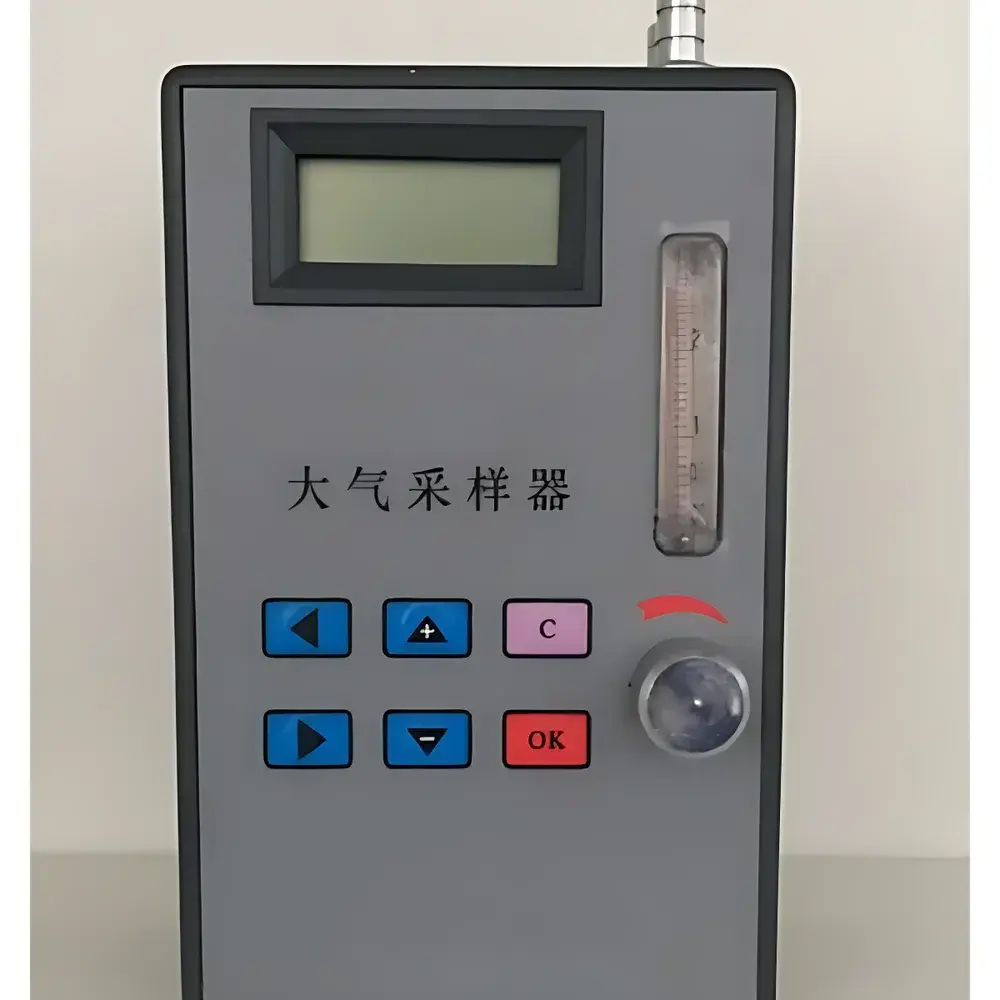
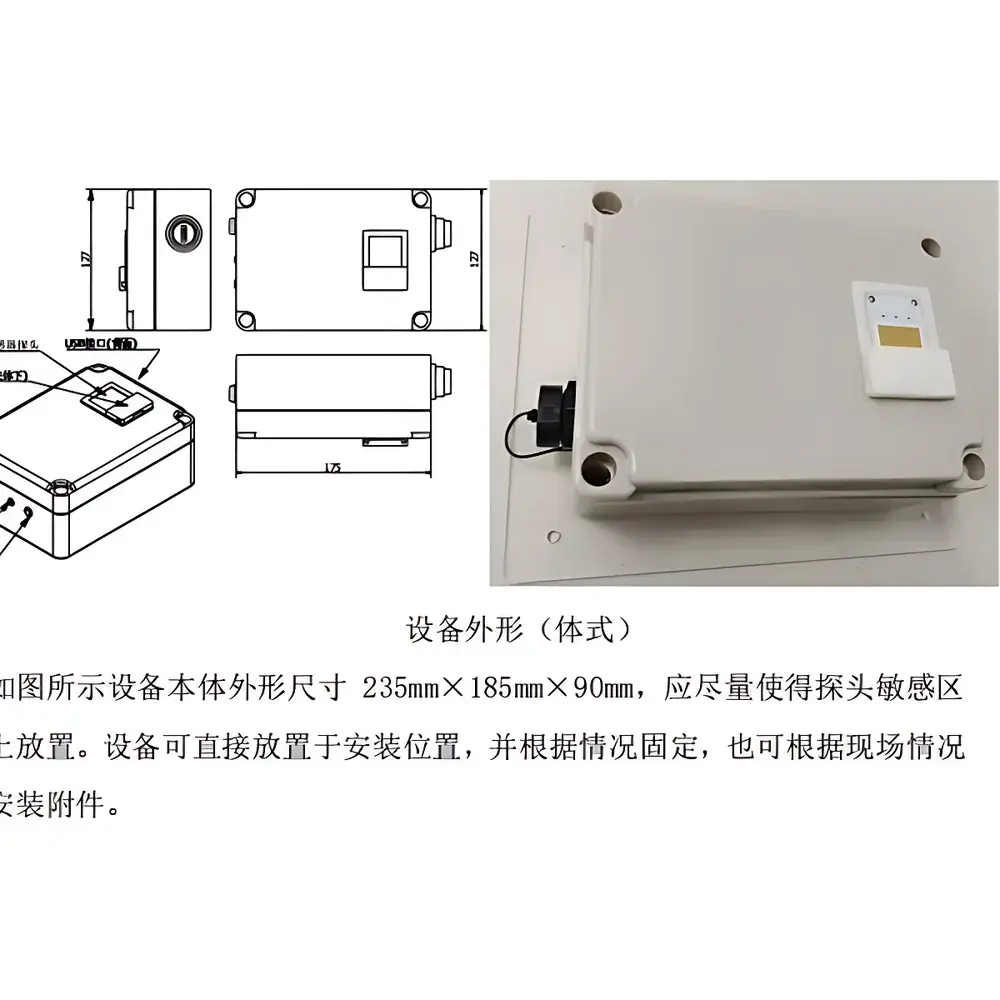
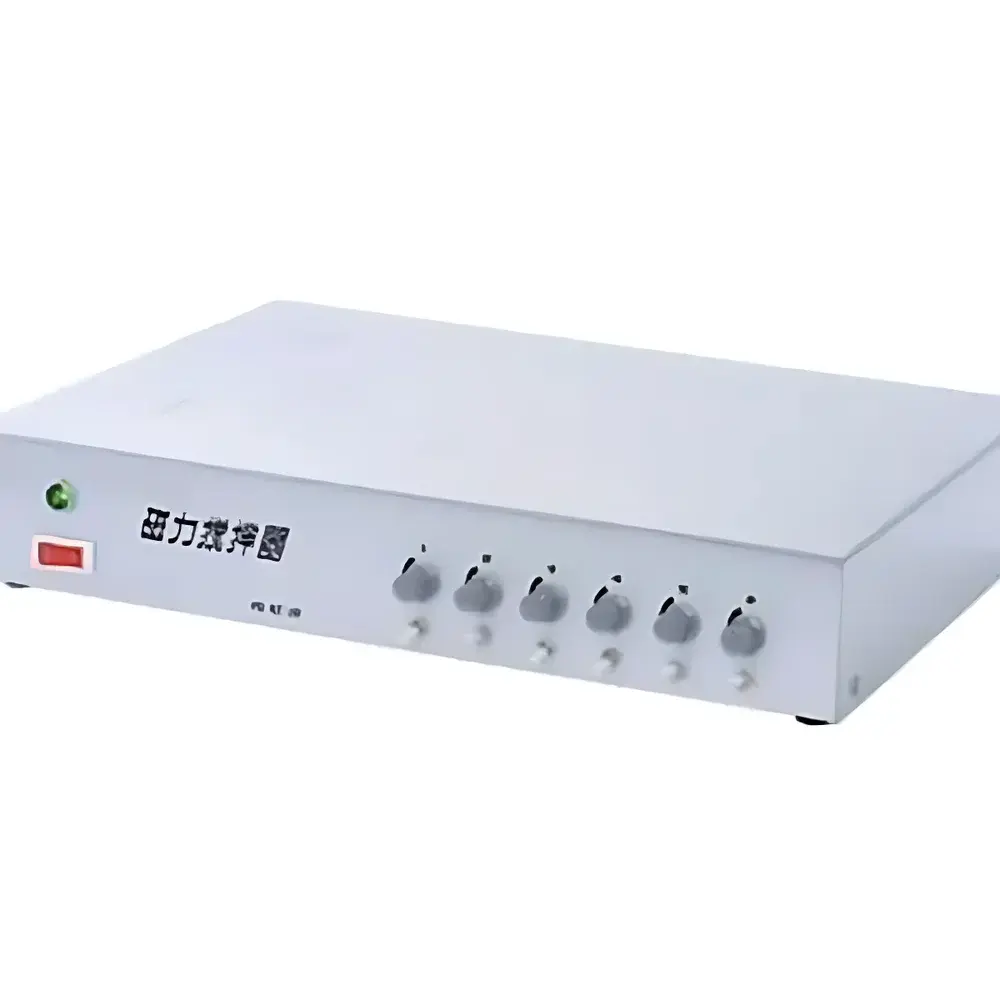
HengaoDe HAD-9X Multi-Parameter Water Quality Analyzer for Chlorine Dioxide, Color, Odor & Taste, Bacterial Indicators, and pH
| Brand | HengaoDe |
|---|---|
| Origin | Beijing, China |
| Manufacturer Type | Authorized Distributor |
| Country of Origin | China |
| Model | HAD-9X |
| Price | USD 28.50 (FOB) |
| Measurement Principles | Photometric Colorimetry (for ClO₂, residual chlorine, total chlorine, combined chlorine, color, COD-Mn), Electrochemical (pH), Microbiological Enumeration (bacterial indicators) |
| Range | Residual/Combined Chlorine: 0–2.5 mg/L (0.01 mg/L res) |
| Total Chlorine | 0–10 mg/L (0.01 mg/L res) |
| Turbidity | 0–200 NTU (0.01 NTU res) |
| Chlorine Dioxide | 0–2.0 mg/L (0.01 mg/L res) |
| Color | 0–100 PCU (0.01 PCU res) |
| COD-Mn | 0–6 mg/L (0.01 mg/L res) |
| pH | 6.0–8.5 (0.01 unit res) |
| Odor & Taste | Semi-quantitative sensory scale per GB/T 5750.4 |
| Bacterial Indicators | Presumptive coliform count via MPN method |
| Accuracy | ±5% FS |
| Repeatability | ≤2% |
| Power Supply | AC 220 V, 50 Hz |
| Optional Accessory | Miniature Biochemical Incubator |
Overview
The HengaoDe HAD-9X Multi-Parameter Water Quality Analyzer is a field-deployable, integrated photometric and electrochemical instrument engineered for rapid, standardized assessment of nine critical parameters in drinking water and rural water supply systems. Designed to support compliance with China’s Standard for Drinking Water Quality (GB 5749–2022) and aligned with methodology references in Standard Methods for the Examination of Water and Wastewater (23rd ed.), the analyzer employs dual-wavelength photometric detection for chlorine species (free, combined, total, and chlorine dioxide), turbidity, color, and COD-Mn, while utilizing calibrated pH electrodes and standardized microbiological enumeration protocols for bacterial indicators. Its optical path design minimizes stray light interference, and digital signal processing eliminates operator-dependent visual interpretation errors common in traditional comparator-based kits. The system supports on-site verification of disinfectant residuals, organoleptic quality (odor and taste via trained evaluator scoring per GB/T 5750.4), and basic physicochemical stability — enabling immediate decision-making during source protection, distribution network monitoring, or emergency response scenarios.
Key Features
- Simultaneous quantification of nine regulatory parameters: residual chlorine, combined chlorine, total chlorine, chlorine dioxide, turbidity, color, COD-Mn, pH, and bacterial indicators (coliform group)
- Dual-beam photometric architecture with LED light sources and solid-state detectors ensuring long-term wavelength stability and low drift (<0.5% per 8 h)
- Integrated pH electrode with automatic temperature compensation (ATC) and NIST-traceable calibration capability
- Pre-programmed method libraries aligned with Chinese national standards (e.g., GB/T 5750 series) and ISO 7888 for turbidity
- On-board data logging with timestamped records (up to 500 entries), exportable via USB interface
- Modular reagent cartridge system minimizing cross-contamination risk and simplifying field replacement
- Optional miniature biochemical incubator (HAD-IBX-25) for on-site membrane filtration or multiple-tube fermentation assays
Sample Compatibility & Compliance
The HAD-9X accepts raw, filtered, or clarified water samples from surface, groundwater, and distribution system points. Sample volume requirements range from 10 mL (for photometric assays) to 100 mL (for bacterial enumeration). All analytical procedures conform to the measurement principles defined in GB/T 5750.11–2006 (bacteriological examination), GB/T 5750.10–2006 (chlorine dioxide), and GB/T 5750.4–2006 (odor and taste evaluation). Instrument performance validation follows ISO/IEC 17025–2017 guidelines for testing laboratories, with documented traceability to national metrological standards (NIM, China). While not certified under FDA 21 CFR Part 11 or EU Annex 11, the device supports GLP-aligned documentation practices including user-defined audit trails, electronic signature fields (via optional software), and secure password-protected method editing.
Software & Data Management
Data acquisition and reporting are managed through the proprietary HengaoDe AquaLink v2.1 desktop application (Windows 10/11 compatible). The software enables batch calibration curve generation using NIST SRM 1640a (traceable color standards) and certified chlorine reference solutions. It supports automated report generation in PDF or Excel format, including QC flagging for out-of-range absorbance values, calibration expiration alerts, and statistical summaries (mean, SD, CV%) across replicate measurements. Raw data files (.aqd) retain full metadata: operator ID, sample ID, ambient temperature/humidity, instrument serial number, and firmware version. Export formats include CSV for integration into LIMS platforms compliant with ASTM E1467–22 (Standard Guide for Laboratory Information Management Systems).
Applications
- Routine surveillance of small-scale water supply systems in rural and peri-urban communities
- Emergency response screening during flood or infrastructure failure events
- Validation of point-of-use disinfection devices (e.g., chlorine dosers, UV reactors)
- Training and capacity building for local water operators under WHO WASH programs
- Baseline environmental health assessments in epidemiological field studies
- Compliance verification for decentralized water treatment units under China’s Rural Revitalization Strategy
FAQ
Does the HAD-9X meet international regulatory requirements for potable water testing?
The instrument implements methodologies harmonized with ISO 7027 (turbidity), ISO 7393-2 (chlorine), and ISO 10523 (pH), but final regulatory acceptance depends on local accreditation body validation per ISO/IEC 17025.
Can the bacterial indicator module replace laboratory culture-based confirmation?
No — it provides presumptive coliform counts only; positive results require confirmatory testing per GB/T 5750.12–2006 or APHA Standard Methods 9221.
Is reagent stability affected by field storage conditions?
Reagent cartridges maintain specified performance for ≥12 months when stored at 2–30°C and protected from direct sunlight; desiccant packs are included to control humidity exposure.
What calibration standards are required for daily operation?
Daily zero calibration uses deionized water; span calibration requires certified reference materials (CRM) traceable to NIM or equivalent national metrology institutes.
How is data integrity ensured during power interruption?
The device features non-volatile memory with automatic save-on-exit functionality; unsaved measurements are retained in buffer memory until manual export or power restoration.




