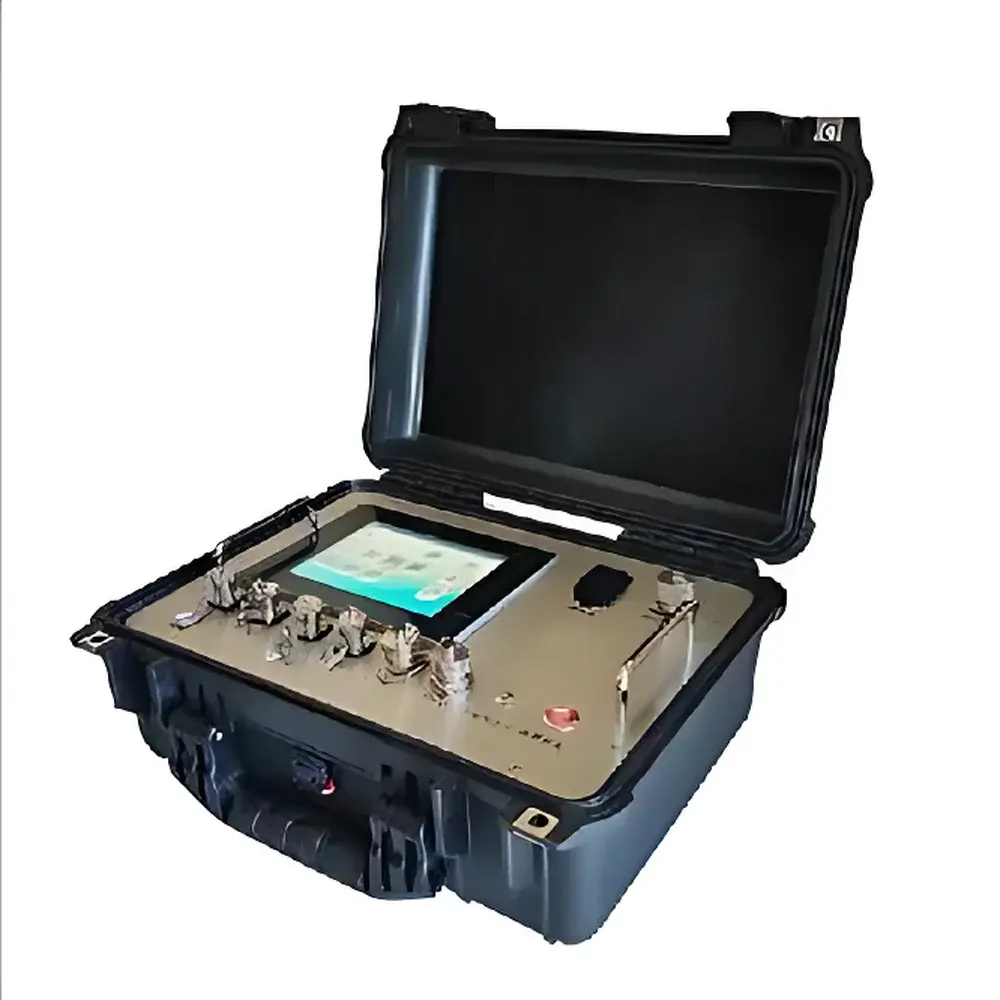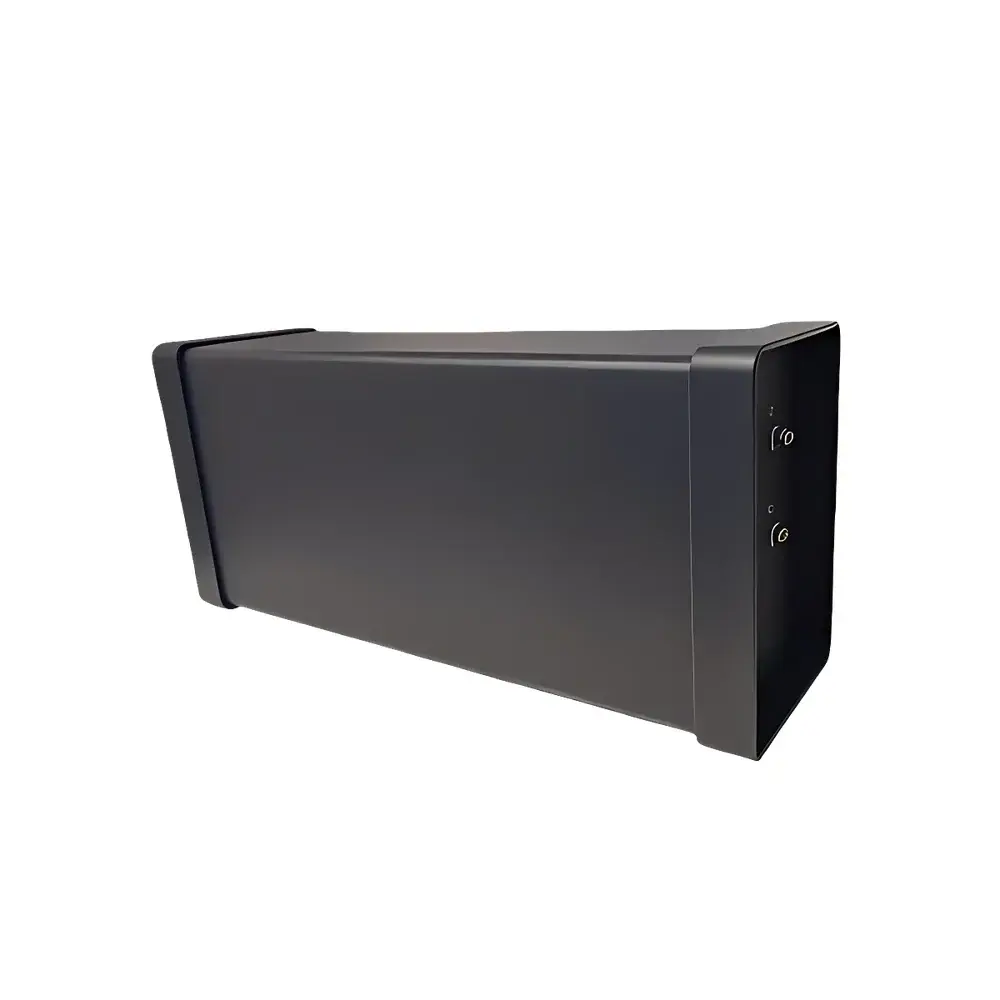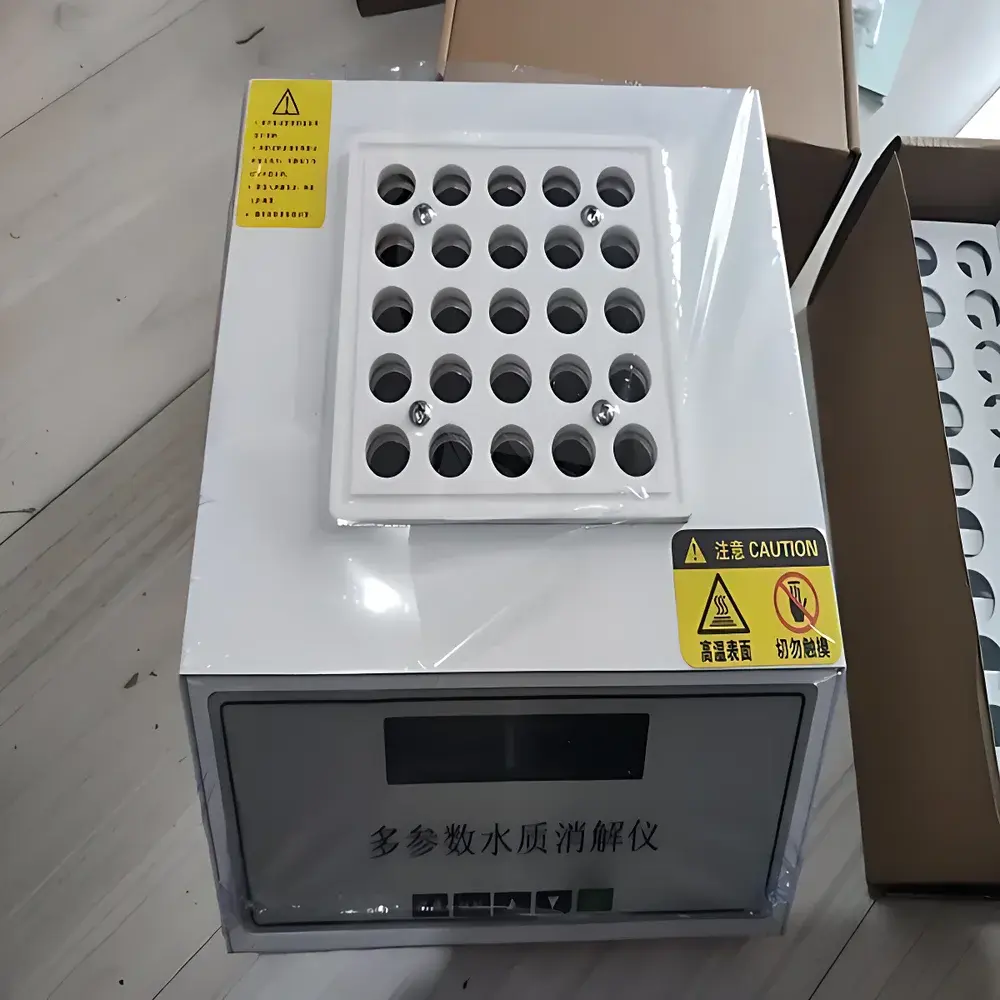
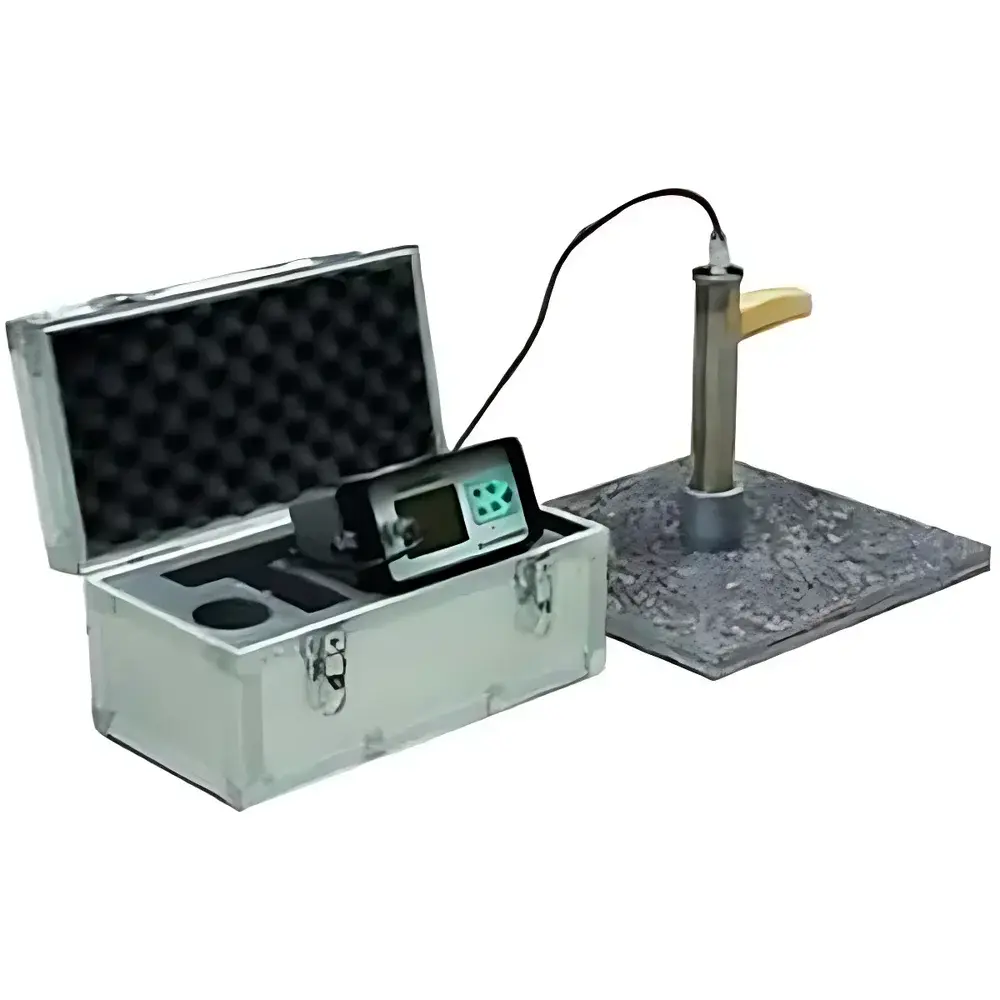
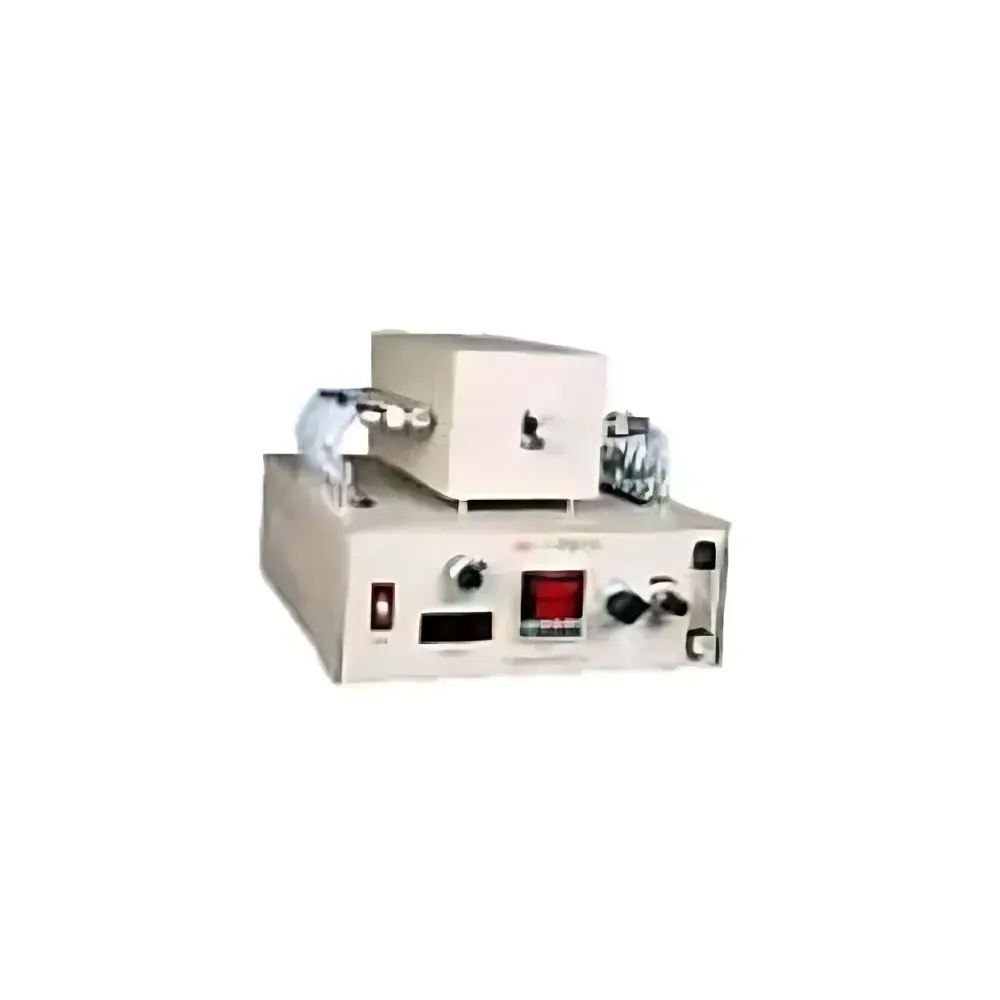
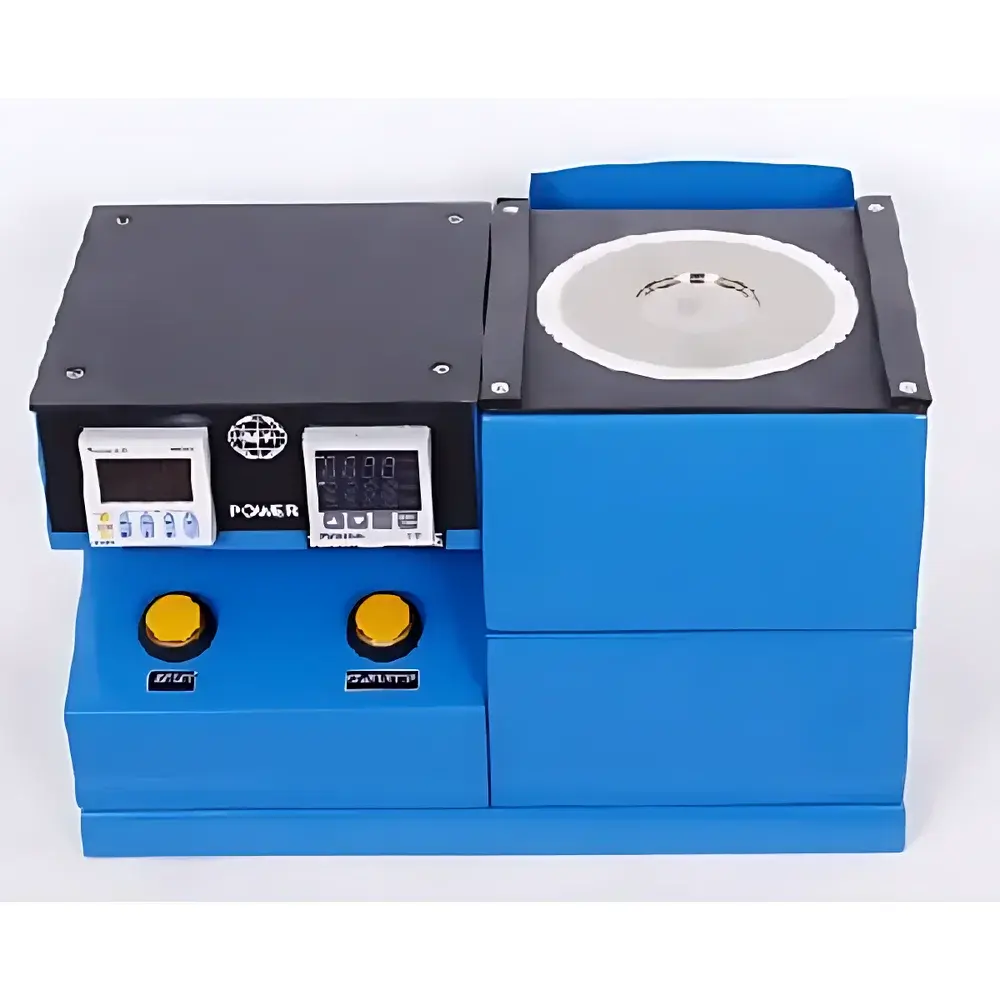
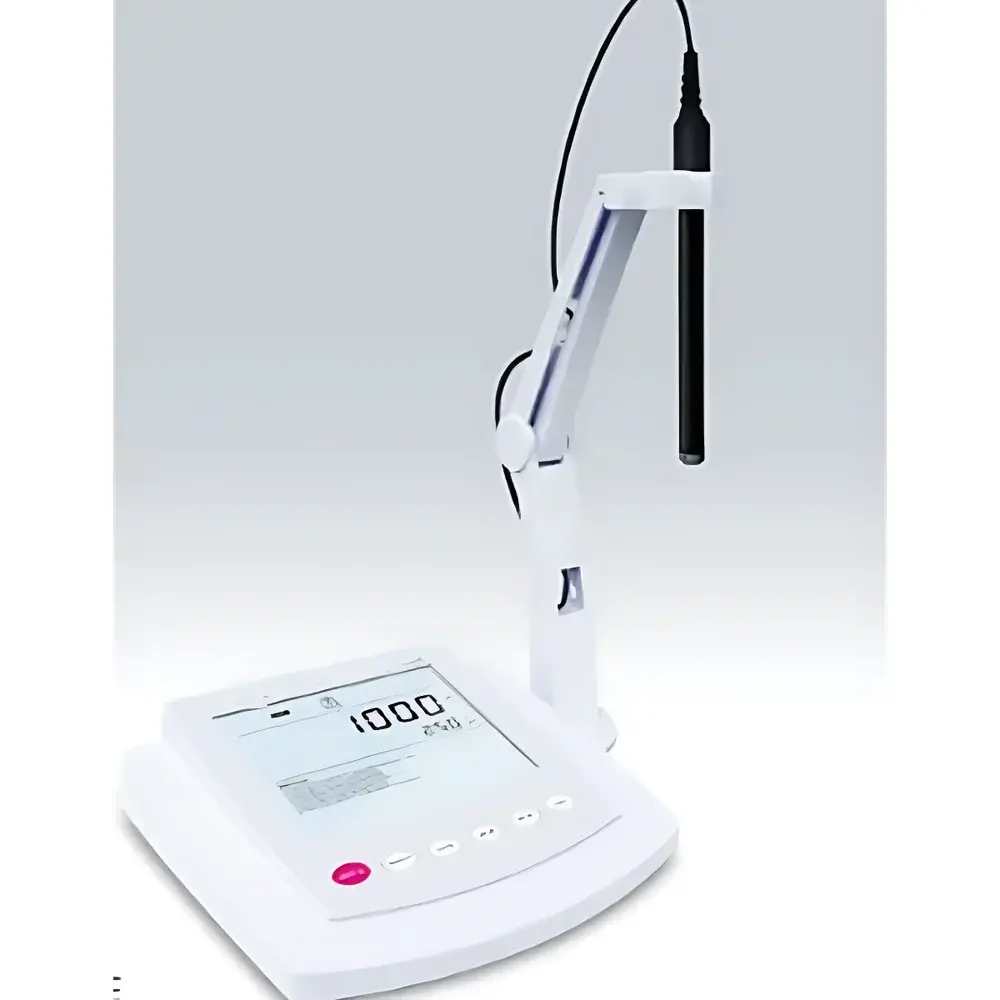
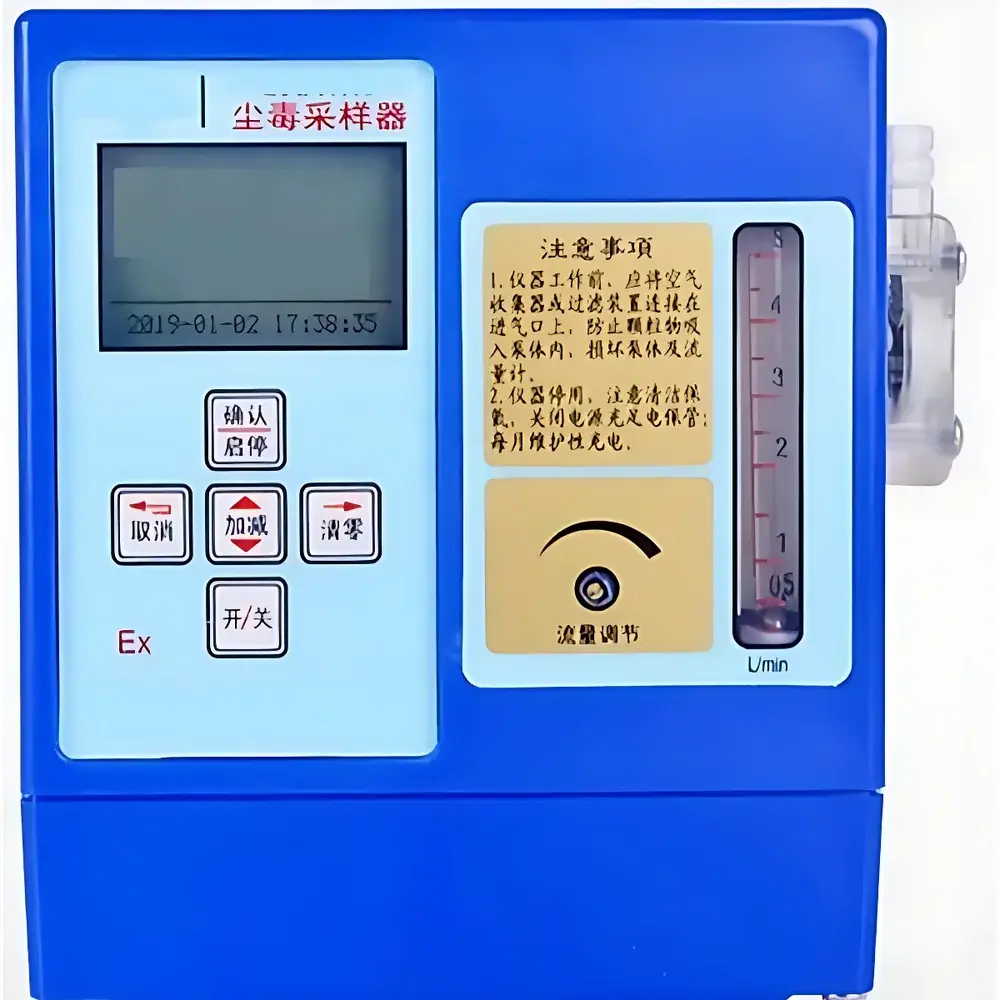
HengaoDe H18178 Multi-Function Laboratory Analyzer Suite: COD Rapid Digestion Unit | Explosion-Proof Air Sampler (HAD-Q3000B) | Kinematic Viscosity Tester (HAD-265Z) | Coolant Density Meter (HAD-0068) | Nephelometric Turbidimeter (HAD-Z500AS) | Programmable Orbital Shaker (HAD-ZD9)
| Brand | HengaoDe |
|---|---|
| Origin | Beijing, China |
| Manufacturer Type | Authorized Distributor |
| Product Origin | Domestic (China) |
| Model | H18178 (system-level designation) |
| Price | USD 42.50 (converted from ¥298 at 1:7 exchange rate) |
Overview
The HengaoDe H18178 Multi-Function Laboratory Analyzer Suite is an integrated platform comprising six independently certified analytical instruments designed for routine environmental, industrial hygiene, petrochemical, and water quality testing laboratories. Each module operates under standardized physical measurement principles: the COD rapid digestion unit employs thermally controlled closed-vessel oxidation (following APHA 5220B and ISO 6060); the explosion-proof air sampler (HAD-Q3000B) complies with JJG 956–2013 and GBZ 159–2004 for gravimetric and sorbent-tube-based aerosol and vapor sampling; the kinematic viscosity tester (HAD-265Z) implements capillary viscometry per ASTM D445 and GB/T 265; the coolant density meter (HAD-0068) applies hydrostatic weighing in a thermostatically controlled bath per SH/T 0068; the nephelometric turbidimeter (HAD-Z500AS) measures 90° scattered light intensity using formazin calibration per ISO 7027 and EPA 180.1; and the programmable orbital shaker (HAD-ZD9) delivers precise mechanical agitation for sample homogenization, extraction, and dissolution protocols.
Key Features
- Modular architecture enables independent operation or coordinated workflow integration across environmental and QC labs.
- COD digestion unit features microprocessor-controlled heating with ±0.5 °C thermal stability, programmable digestion time (1–240 min), and automatic audio alert + power cutoff upon cycle completion.
- HAD-Q3000B explosion-proof air sampler supports dual-mode sampling (dust & vapor) with five selectable flow ranges (0.01–3.0 L/min), ≥28 kPa vacuum pressure, and ≤±5% flow accuracy—certified for Zone 1 hazardous locations per GB 3836.1–2010.
- HAD-265Z viscosity tester incorporates Pt100 temperature sensing with ±0.01 °C control precision, auto-coefficient entry for capillary calibration, and 10,000-entry data storage with timestamped audit trail.
- HAD-0068 density meter integrates refrigerated bath (15–100 °C), wind-cooled compressor, and calibrated mercury thermometer (0.2 °C division) to ensure traceable density determination of ethylene glycol–water mixtures.
- HAD-Z500AS turbidimeter utilizes LED-based 90° scatter detection, six-point factory calibration (0–500 NTU), and repeatability ≤0.8% F.S., meeting ISO 7027 linearity requirements.
- HAD-ZD9 orbital shaker provides PID-controlled temperature (RT–60 °C), 0.5 °C uniformity, 300 rpm speed range, and 9999-minute timer with memory retention after power interruption.
Sample Compatibility & Compliance
All instruments are validated for use with standard reference materials and regulatory sampling media. The COD digester accommodates 9/12/25-position borosilicate glass tubes (φ16 mm) and supports direct analysis of surface water (5–100 mg/L COD) and wastewater (50–1000 mg/L COD), with dilution capability up to 6000 mg/L. The HAD-Q3000B accepts 37 mm PVC filters, quartz fiber filters, XAD-2 resin tubes, and SKC charcoal tubes—fully compatible with NIOSH and OSHA methods. Viscosity measurements adhere to Newtonian fluid assumptions per ASTM D445. Turbidity calibration uses certified formazin standards traceable to NIST SRM 2134. Density determinations follow SH/T 0068 protocol for antifreeze solutions. No instrument includes embedded wireless transmission or cloud connectivity; all data outputs are local (LCD display, USB export, or analog printout) to maintain compliance with GLP data integrity requirements.
Software & Data Management
Each instrument operates via embedded firmware without external PC dependency. The HAD-265Z and HAD-Z500AS store measurement records with date/time stamps, operator ID fields (manual entry), and calibration history—supporting manual audit trail reconstruction per FDA 21 CFR Part 11 Annex 11 principles. Data export is available via USB flash drive (FAT32 formatted) in CSV format. No proprietary software installation is required; exported files are natively readable in Excel or LIMS platforms. Firmware updates are performed via USB with version-locked checksum verification. All units retain settings through power loss and include self-diagnostic routines (e.g., sensor drift detection, heater continuity check).
Applications
- Environmental monitoring: COD, total phosphorus, and total nitrogen digestion per EPA 410.4 and ISO 15681–1.
- Occupational health: Time-weighted average (TWA) and short-term exposure limit (STEL) assessment of respirable dust, metals (Cr, Pb, Ni), and organic vapors (benzene, formaldehyde).
- Petrochemical QA: Kinematic viscosity grading of base oils, lubricants, and distillates per ASTM D445 and ISO 3104.
- Automotive fluids: Ethylene glycol concentration verification in engine coolants per SAE J1085.
- Drinking water safety: Turbidity screening at treatment plants and distribution points per WHO Guidelines and US EPA LT2ESWTR.
- Pharmaceutical excipient testing: Homogenization of suspensions and dissolution kinetics studies using temperature-controlled shaking.
FAQ
Is the HAD-Q3000B certified for Class I, Division 1 environments?
Yes—it meets GB 3836.1–2010 and GB 3836.4–2010 for intrinsic safety and flameproof enclosure design, with Ex ib IIB T4 Gb marking.
Can the HAD-265Z accept Ubbelohde-type viscometers only?
It supports all standard capillary types (Ostwald, Cannon-Fenske, Ubbelohde) via user-defined coefficient input and automatic kinematic viscosity calculation.
Does the HAD-Z500AS support automatic zero calibration?
Yes—pressing the “Zero” button initiates automated dark-current compensation using internal shutter mechanism; no manual cuvette replacement required.
What is the maximum allowable chloride interference for COD digestion on the H18178 unit?
Chloride concentrations ≤1000 mg/L do not require mercury sulfate masking reagent per Standard Methods 5220B.
Are calibration certificates included with shipment?
Factory calibration reports (traceable to CNAS-accredited labs) are provided for all primary sensors (temperature, flow, turbidity detector); field recalibration tools are optional accessories.