
English Product Name
| Brand | HengaoDe |
|---|---|
| Origin | Beijing, China |
| Manufacturer Type | Authorized Distributor |
| Country of Origin | China |
| Model | HAD-6536B / HAD-QP3 / HAD-11140 / HAD-TY10 |
| Price | USD 92.50 (based on ¥650 at 1 USD ≈ ¥7.03) |
Overview
The HengaoDe Multi-Function Analytical Instrument Suite comprises four rigorously engineered laboratory systems designed for compliance-critical applications in petrochemical QA/QC, agrochemical formulation development, environmental monitoring, and industrial process control. The suite integrates a fully automated boiling point and distillation analyzer (HAD-6536B), a standardized pesticide foam stability tester (HAD-QP3), an ASTM D7039-compliant X-ray fluorescence (XRF) sulfur analyzer for liquid hydrocarbons (HAD-11140), and a factory-calibrated optical dissolved oxygen sensor (HAD-TY10) meeting ISO 5814:2012 principles. Each instrument adheres to core metrological requirements: traceable temperature measurement via Pt100 sensors, volumetric detection with optical interference immunity, spectral quantification with certified reference materials, and luminescence-based DO sensing with dual-point calibration support. These devices are deployed in GLP-regulated laboratories, refinery QC labs, municipal water treatment facilities, and contract research organizations requiring repeatable, auditable data generation under ISO/IEC 17025 frameworks.
Key Features
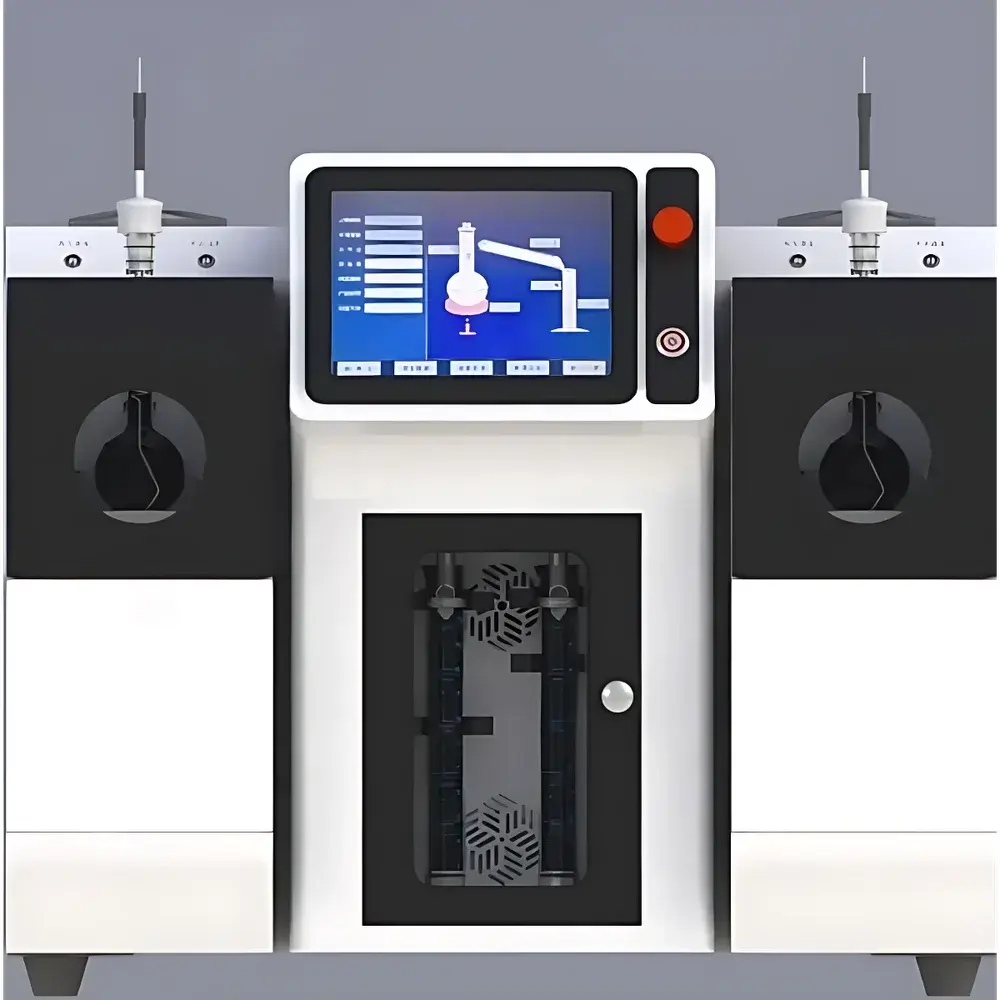
- HAD-6536B: 10.4″ corrosion-resistant capacitive touchscreen interface; integrated barometric compensation (70–110 kPa); programmable distillation rate (2–10 mL/min); dual-zone thermal management (cold bath: 0–65°C; recovery chamber: 0–40°C); low-voltage (32 V) PWM-controlled heating with auto-initialization logic.
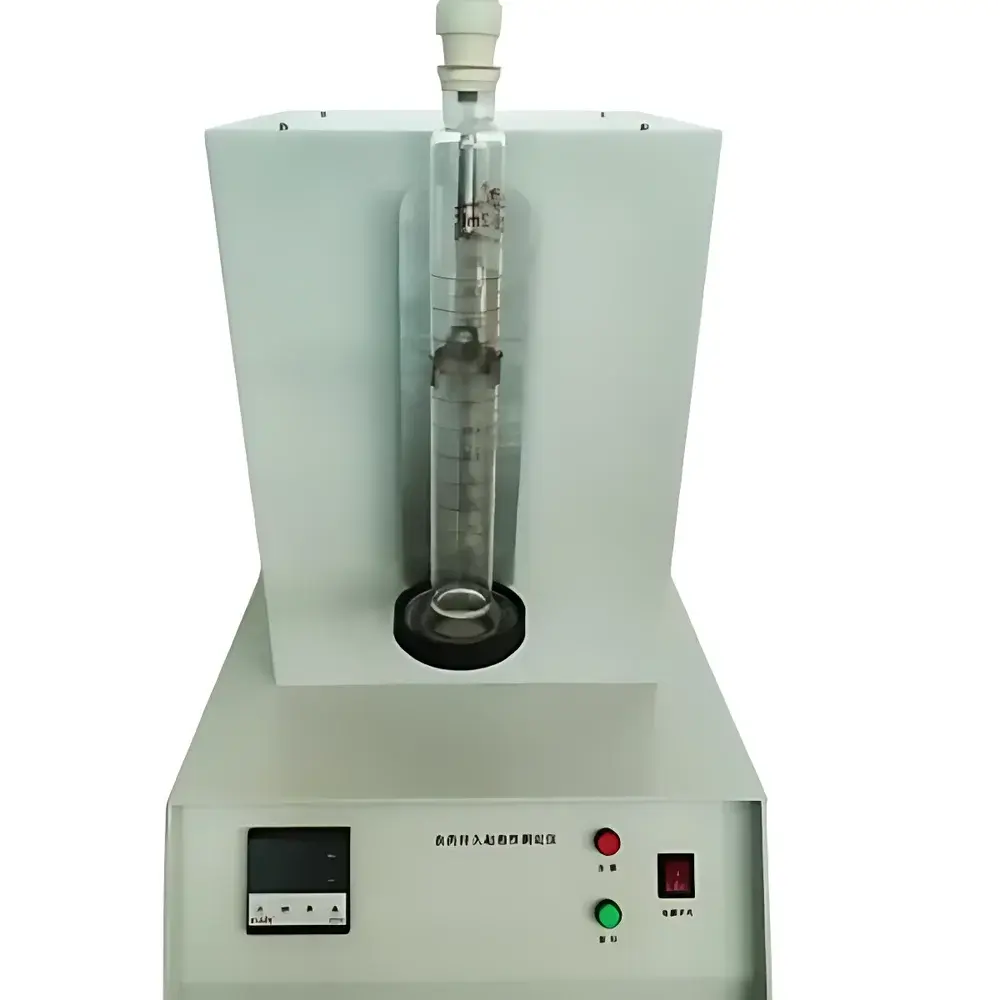
- HAD-QP3: Precise mechanical inversion mechanism (2 s/cycle ±0.1 s); calibrated 250 mL ground-glass stoppered cylinder; programmable cycles (1–9999); CE-compliant electromagnetic drive assembly with thermal overload protection.
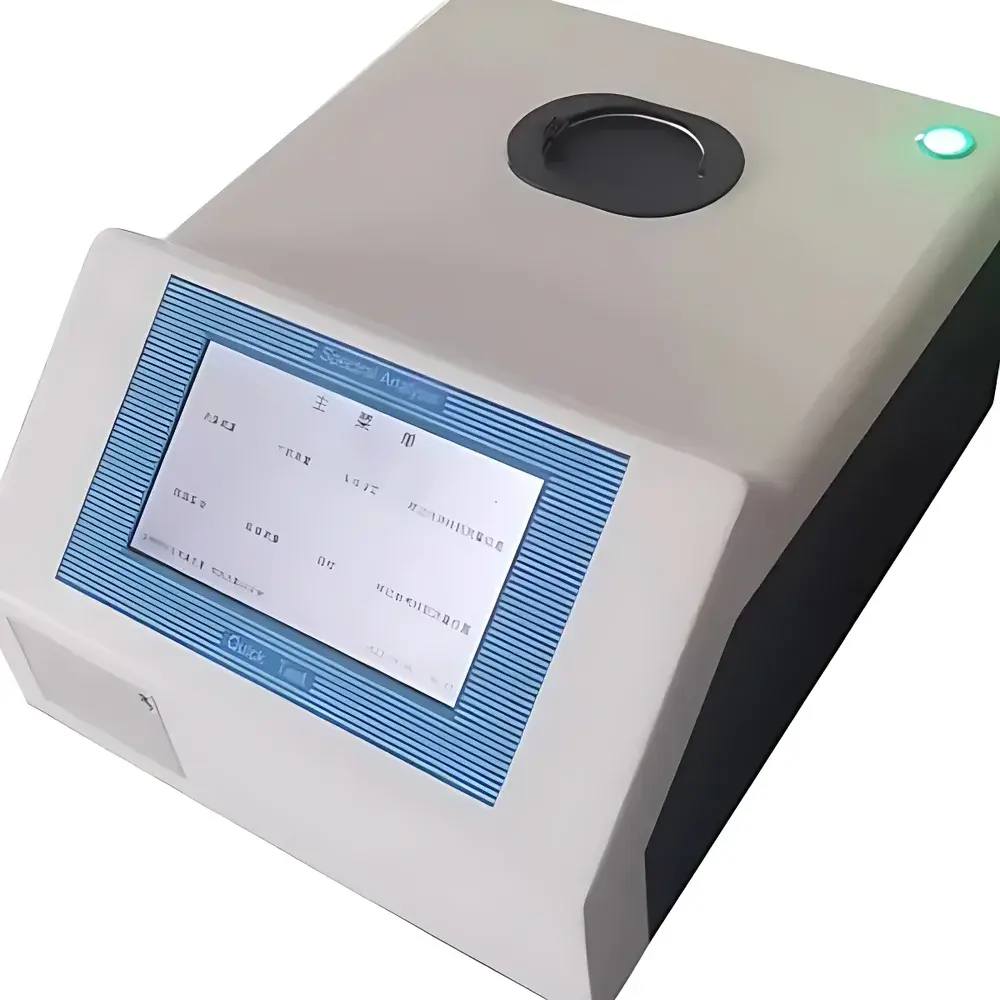
- HAD-11140: Benchtop energy-dispersive XRF spectrometer; detection limit of 7 ppm sulfur in hydrocarbon matrices; configurable acquisition time (30–480 s); dual-curve storage (linear + quadratic); certified against NIST SRM 1634c and ASTM D2622.
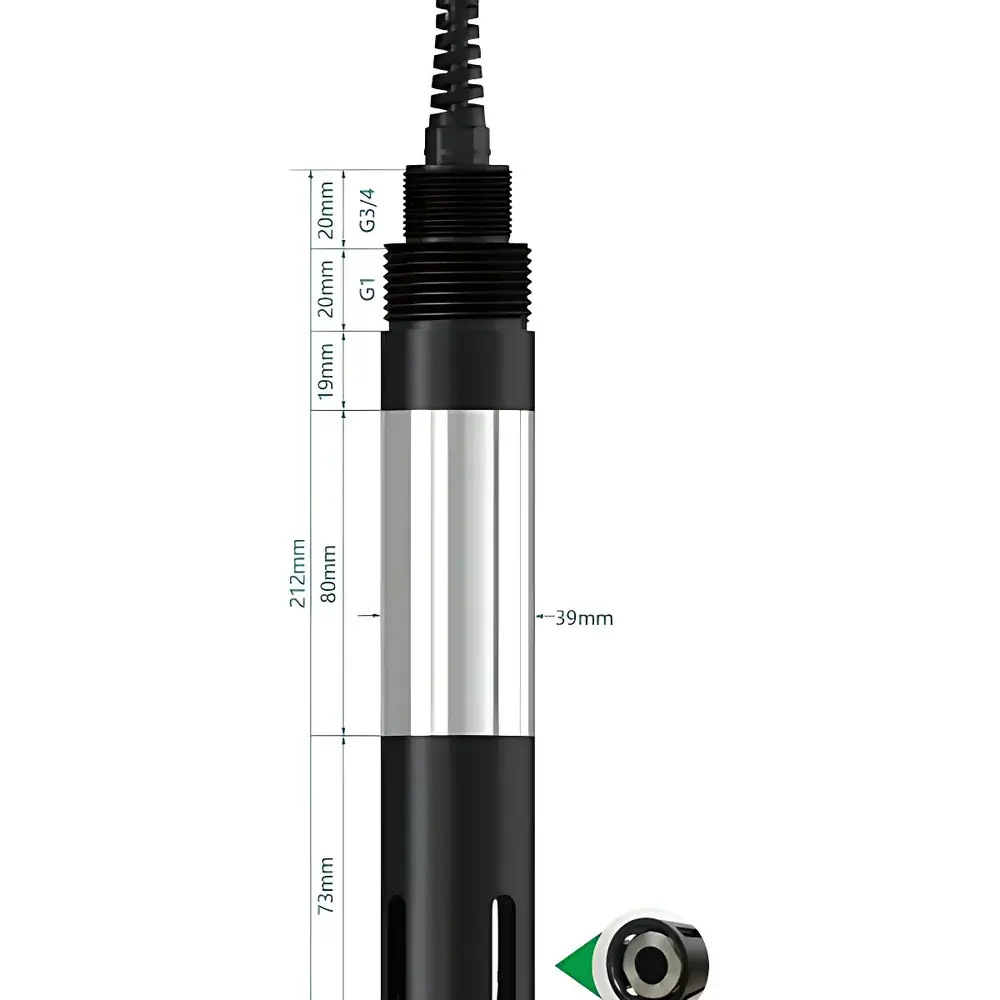
- HAD-TY10: Optical DO probe utilizing phase-fluorescence quenching; RS485 MODBUS-RTU output; IP68-rated POM/stainless steel housing; G3/4″ threaded process connection; automatic temperature compensation (0–60°C); zero-oxygen and air-saturation calibration protocols.
Sample Compatibility & Compliance
The HAD-6536B accommodates ASTM D86, D1078, and ISO 3405-compliant distillate samples up to 100 mL volume, including gasoline, diesel, kerosene, and biofuel blends. The HAD-QP3 conforms to OECD 115 and ISO 2884-1 for pesticide foam persistence assessment using standardized surfactant solutions. The HAD-11140 analyzes liquid petroleum products per ASTM D7039, ISO 8754, and UOP Method 329, supporting sulfur quantification in fuels, lubricants, and crude fractions without digestion or dilution. The HAD-TY10 meets EPA Method 4500-O G for dissolved oxygen in aqueous media and is validated for continuous immersion in wastewater effluents, aquaculture recirculation systems, and potable water distribution networks. All instruments operate within ambient conditions compliant with IEC 61000-4 EMC standards and maintain functional integrity under ≤85% RH (non-condensing).
Software & Data Management
The HAD-6536B and HAD-11140 embed embedded Linux-based firmware with audit-trail-enabled operation logs (timestamped user actions, calibration events, and result exports). Raw data export supports CSV and PDF formats with embedded metadata (operator ID, sample ID, method version, environmental parameters). The HAD-TY10 enables remote configuration and diagnostics via MODBUS register mapping, compatible with SCADA platforms and LIMS interfaces including LabWare and Thermo Fisher SampleManager. All units support 21 CFR Part 11-compliant electronic signatures when integrated with validated third-party middleware. Calibration records—including multi-point temperature verification (HAD-6536B), foam cycle validation (HAD-QP3), and XRF standard curve traceability (HAD-11140)—are retained onboard with cyclic overwrite protection.
Applications
These instruments serve cross-sectoral analytical workflows: refining laboratories use the HAD-6536B for fractional distillation profiling and volatility grading of transportation fuels; agrochemical R&D teams apply the HAD-QP3 to evaluate surfactant efficacy and formulation stability under simulated field conditions; regulatory testing labs deploy the HAD-11140 for Tier 3 fuel sulfur compliance verification per EPA 40 CFR Part 1093; municipal utilities rely on the HAD-TY10 for real-time DO optimization in activated sludge basins and membrane bioreactors. Additional use cases include catalyst evaluation (distillation residue analysis), biocide performance screening (foam decay kinetics), and corrosion inhibitor monitoring (dissolved oxygen threshold tracking in closed-loop cooling systems).
FAQ
Does the HAD-6536B comply with ASTM D86 for gasoline distillation?
Yes — it implements the prescribed vapor temperature measurement protocol, condensate volume tracking, and atmospheric pressure correction per ASTM D86-22 Annex A1.
Can the HAD-11140 quantify sulfur in high-salt crude oils?
It is validated for desalted crude fractions and refined products; direct analysis of untreated high-salinity crudes requires prior ASTM D4057 sampling and ASTM D6300 preparation.
Is the HAD-TY10 sensor suitable for seawater applications?
Yes — its POM housing and stainless-steel wetted parts resist chloride-induced pitting; salinity compensation is applied algorithmically using conductivity input (requires optional EC module).
What calibration standards are supplied with the HAD-QP3?
No consumables are included; users must prepare 0.5 g/L sodium lauryl sulfate solution per OECD 115 Annex 2 using certified reference material (e.g., Sigma-Aldrich Lot #SLBQ1234).
Does the HAD-6536B support GLP-compliant report generation?
Yes — all reports include digital signatures, instrument ID, firmware revision, calibration due dates, and raw sensor timestamps, satisfying Annex 11 and ALCOA+ data integrity criteria.






