
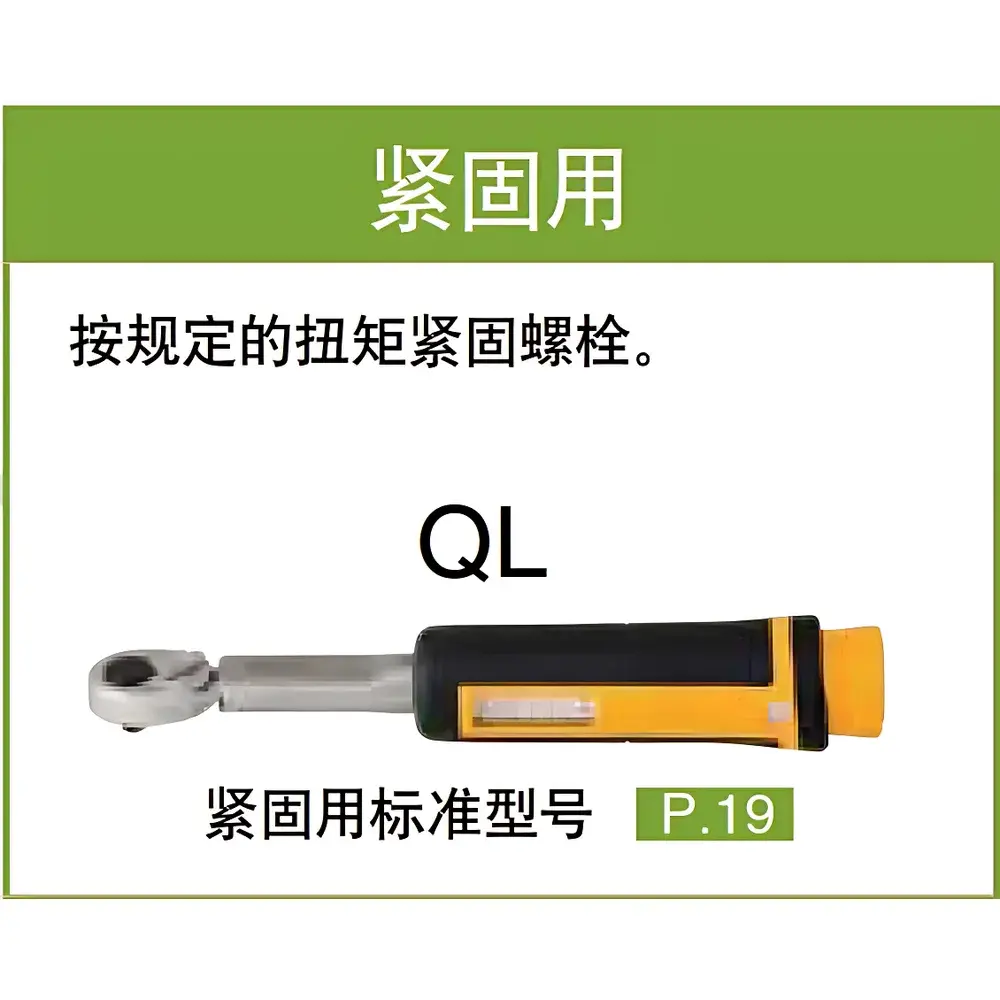
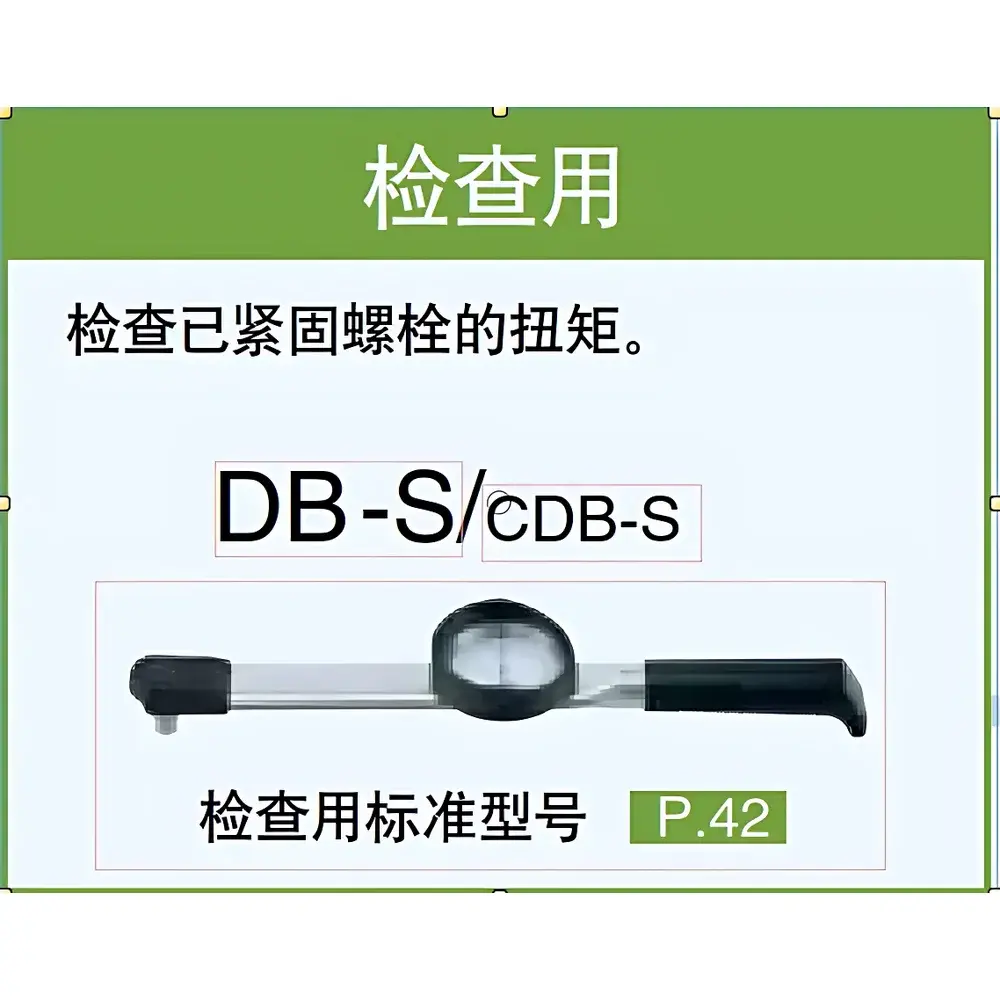
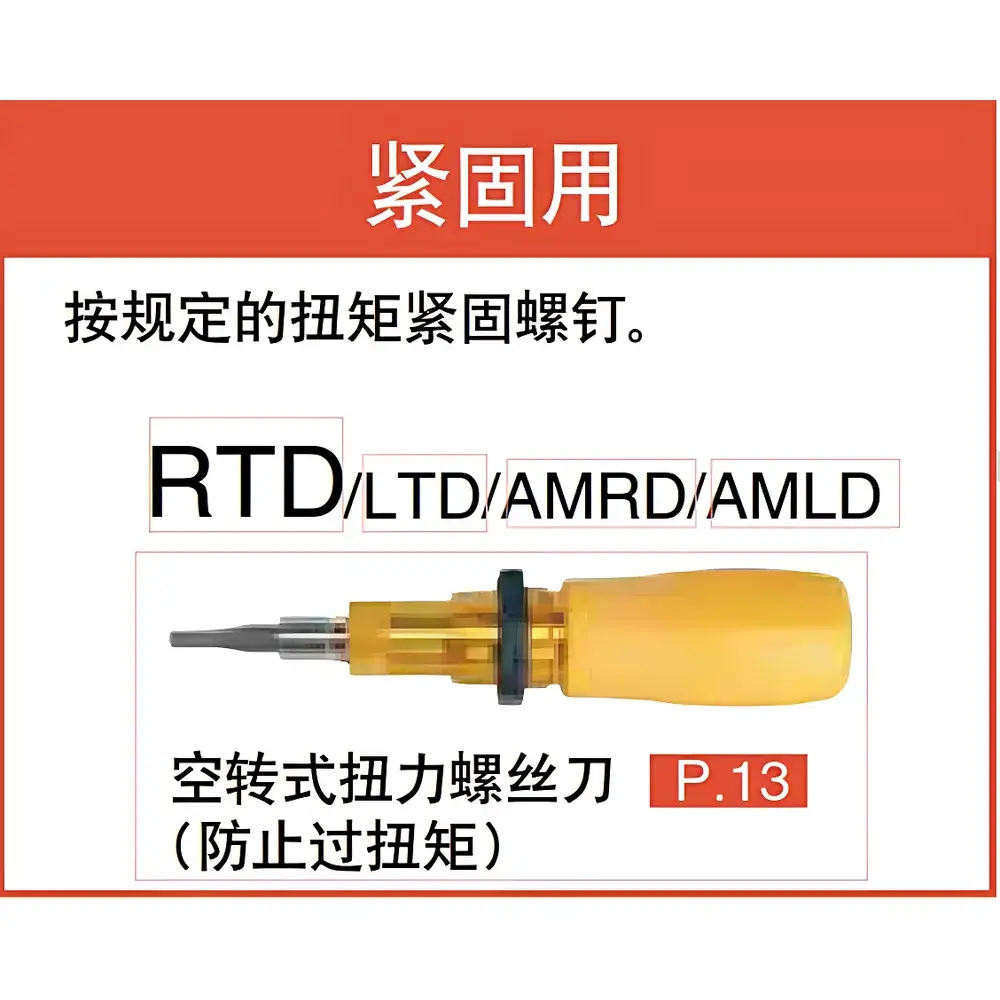
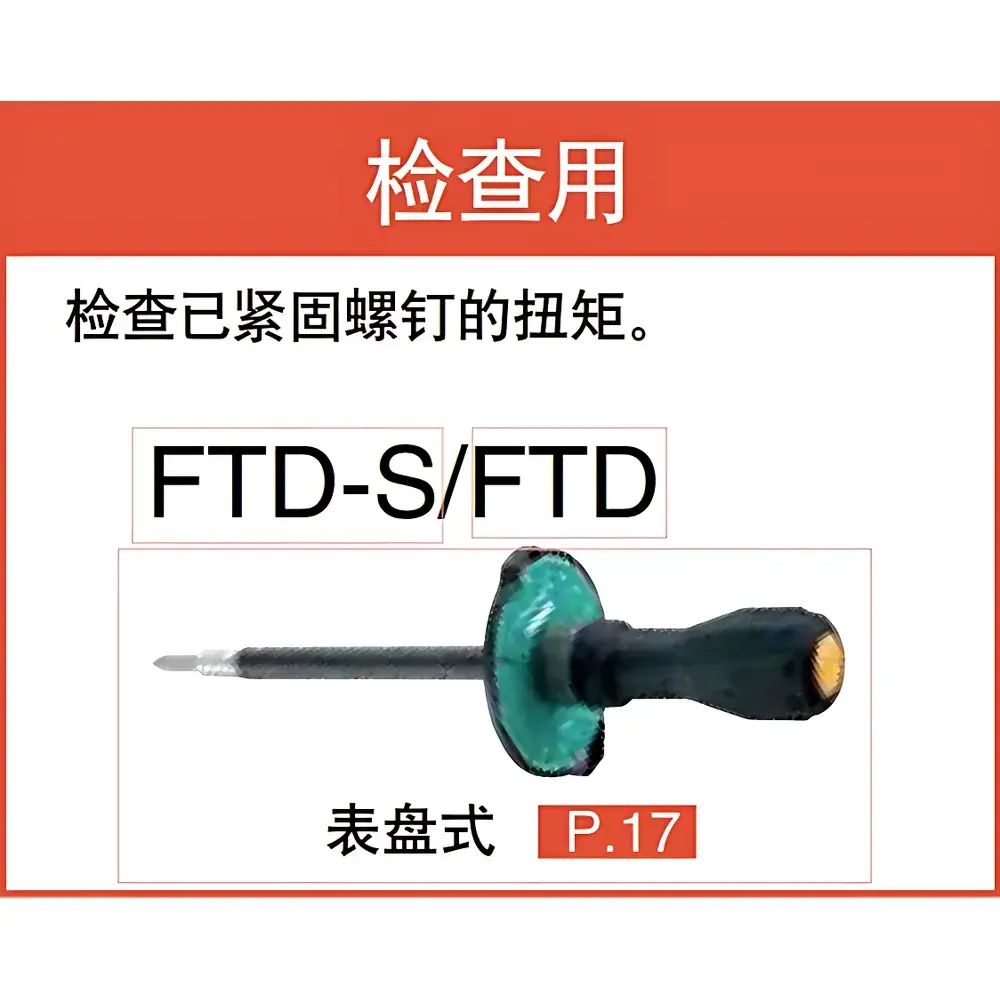
Torque Wrenches – TOHNICHI (Japan) Full Product Line
| Origin | Japan |
|---|---|
| Manufacturer Type | Authorized Distributor |
| Origin Category | Imported |
| Model Range | Full Series |
| Pricing | Available Upon Request |
Overview
TOHNICHI torque wrenches are precision-engineered hand tools designed for controlled, repeatable application of specified torque values during bolted joint assembly. Built upon decades of Japanese manufacturing excellence, each wrench operates on the mechanical beam or click-type principle—leveraging calibrated spring mechanisms and hardened alloy steel components to deliver high reproducibility in industrial, automotive, aerospace, and maintenance applications. These instruments comply with JIS B 7502 (Japanese Industrial Standard for torque tools) and are traceably calibrated to national metrological standards, ensuring alignment with ISO 6789-1:2017 requirements for accuracy, durability, and functional safety.
Key Features
- High-precision mechanical calibration: ±4% indication accuracy across full scale (per ISO 6789-1 Class A specification)
- Robust forged-alloy steel construction with ergonomic, non-slip handle grips for operator fatigue reduction
- Multiple operating modes: preset click-type, dial-indicating, and electronic digital variants available within the full series
- Quick-release ratchet heads with 72-tooth fine-pitch gearing for enhanced access in confined spaces
- Interchangeable socket adapters compatible with standard 1/4″, 3/8″, and 1/2″ drive sizes
- Factory-certified calibration documentation provided with each unit; recalibration support available per ISO/IEC 17025-accredited service protocols
Sample Compatibility & Compliance
TOHNICHI torque wrenches accommodate a broad range of fastener types—including hex bolts, flange nuts, and structural anchor bolts—across nominal sizes from M3 to M64. The tools are routinely deployed in environments requiring adherence to ASME B18.2.2, DIN EN ISO 898-1, and ASTM F2301 for bolt preload verification. All models support GLP/GMP-relevant workflows through optional audit-trail-enabled digital versions (e.g., TOHNICHI DT series), which log torque events with timestamp, direction, and deviation data—meeting FDA 21 CFR Part 11 requirements when integrated with validated software platforms.
Software & Data Management
For digital torque systems, TOHNICHI provides proprietary PC-based configuration and analysis software (DT Manager Suite), enabling users to define multi-step tightening sequences, set upper/lower torque limits, and export CSV- or PDF-formatted compliance reports. Data encryption, user-level access control, and electronic signature capability ensure integrity for regulated industries. Calibration history, usage logs, and pass/fail statistics are stored locally or via secure cloud sync—facilitating internal audits and third-party certification reviews under ISO 9001 and IATF 16949 quality management frameworks.
Applications
- Aerospace assembly: critical fastening of engine mounts, wing spar connections, and landing gear components
- Automotive manufacturing: powertrain assembly, brake caliper installation, and suspension subframe bolting
- Energy sector: wind turbine pitch bearing torque verification and transformer tank flange sealing
- Mechanical maintenance: preventive servicing of industrial compressors, hydraulic pumps, and gearmotor couplings
- Medical device production: sterile enclosure panel fastening and diagnostic equipment chassis assembly
- Research & development labs: torsional validation of prototype joints and material interface testing
FAQ
Are TOHNICHI torque wrenches supplied with calibration certificates?
Yes—each unit ships with a factory-issued calibration certificate traceable to JCSS (Japanese Calibration Service System), including as-found and as-left data points.
What is the recommended recalibration interval?
Per ISO 6789-2:2017, recalibration is advised every 12 months or after 5,000 cycles—whichever occurs first—under normal usage conditions.
Can these wrenches be used for both clockwise and counterclockwise torque application?
Mechanical click-type models are unidirectional (clockwise only); however, reversible ratchet heads and digital variants support bidirectional torque measurement and setting.
Is technical support available for torque specification selection?
Yes—our application engineering team assists with joint analysis, torque-to-tension conversion, friction coefficient estimation, and DIN/ISO-compliant tightening protocol development.
Related Products



