
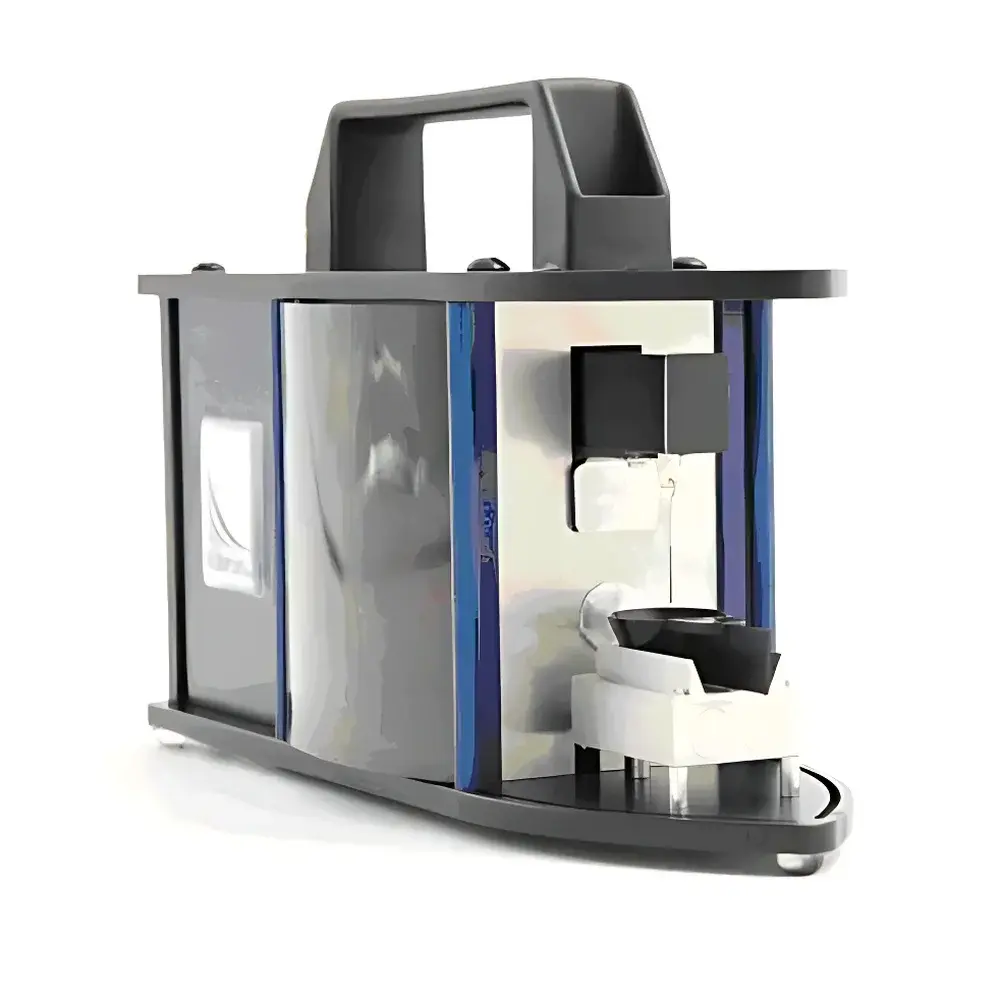
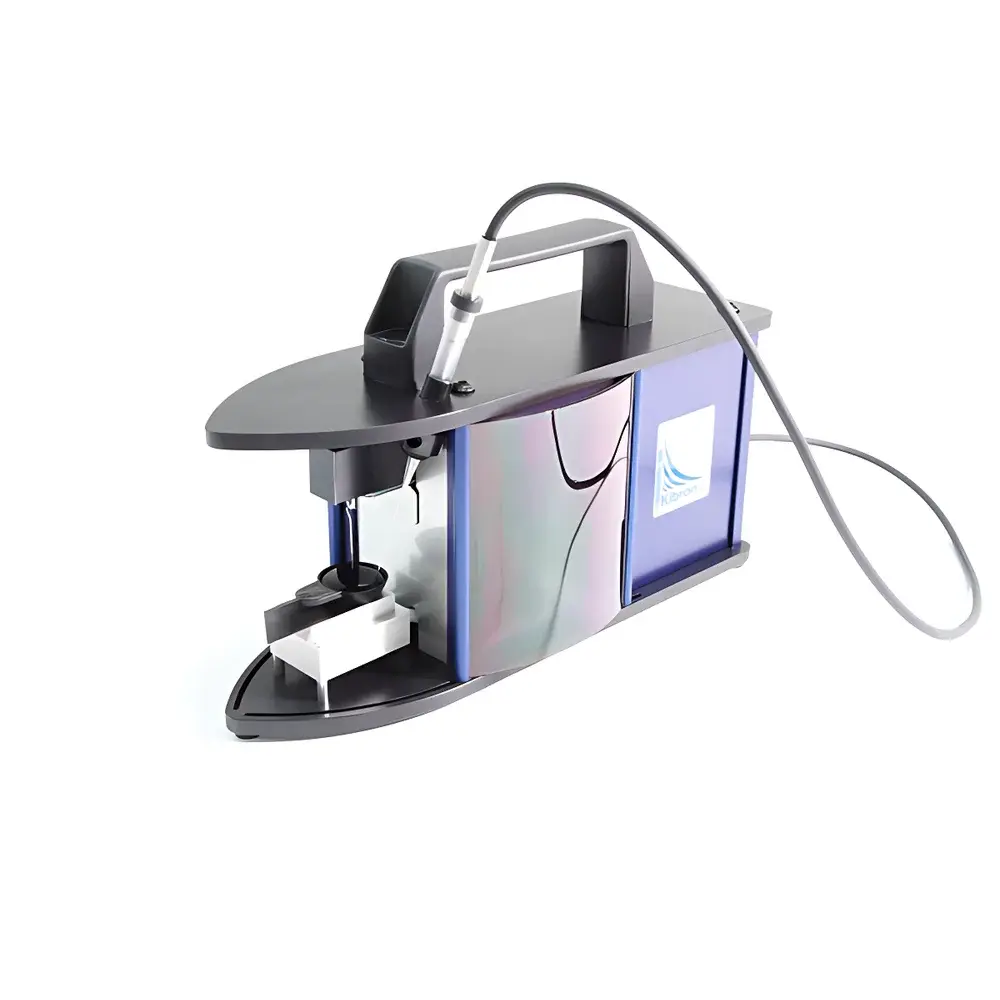

Kibron EZ-Pi Portable Dynamic Surface Tensiometer
| Brand | Kibron |
|---|---|
| Origin | Finland |
| Model | EZ-Pi |
| Measurement Principle | Du Noüy Rod Method |
| Range | 1–300 mN/m |
| Accuracy | < 0.1 mN/m |
| Resolution | 0.01 mN/m |
| Sample Volume | ≥ 45 µL |
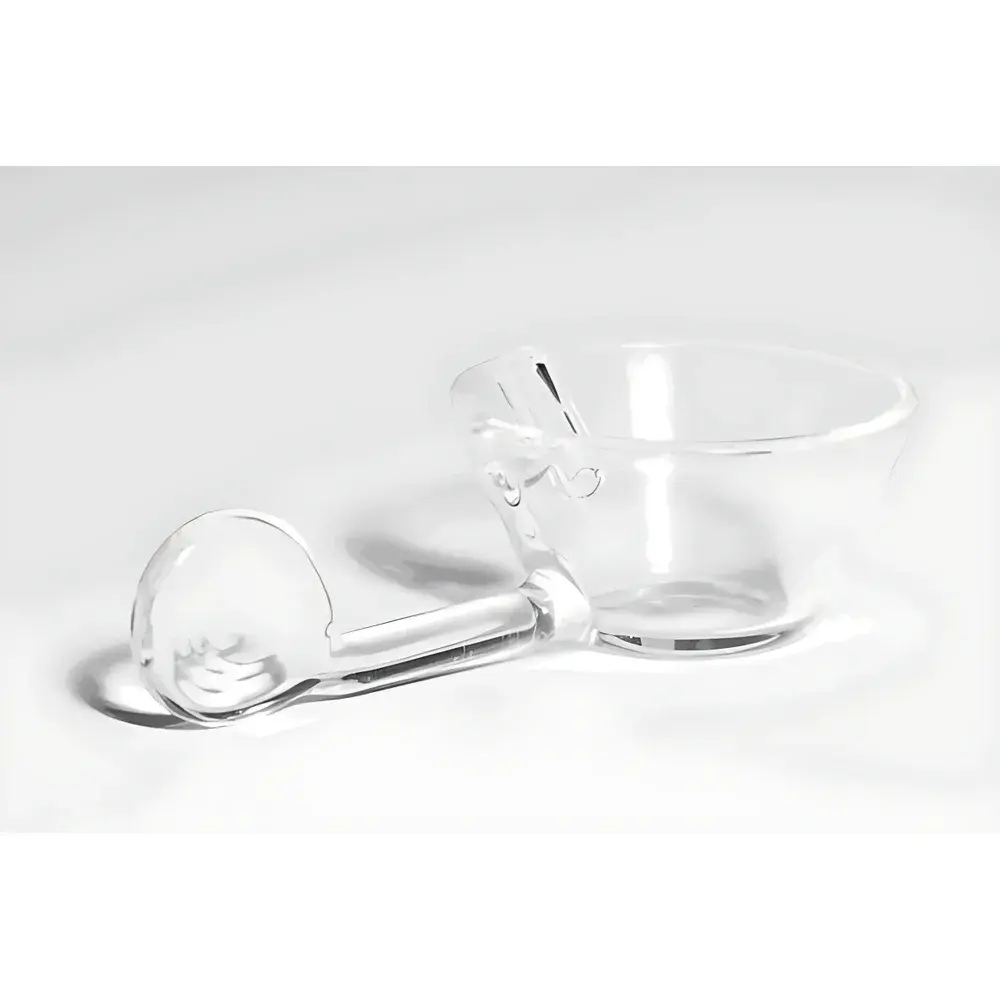
| Sample Cup Volume | 3 mL |
| Cup Material | Polypropylene or Glass |
| Weight | 1.3 kg |
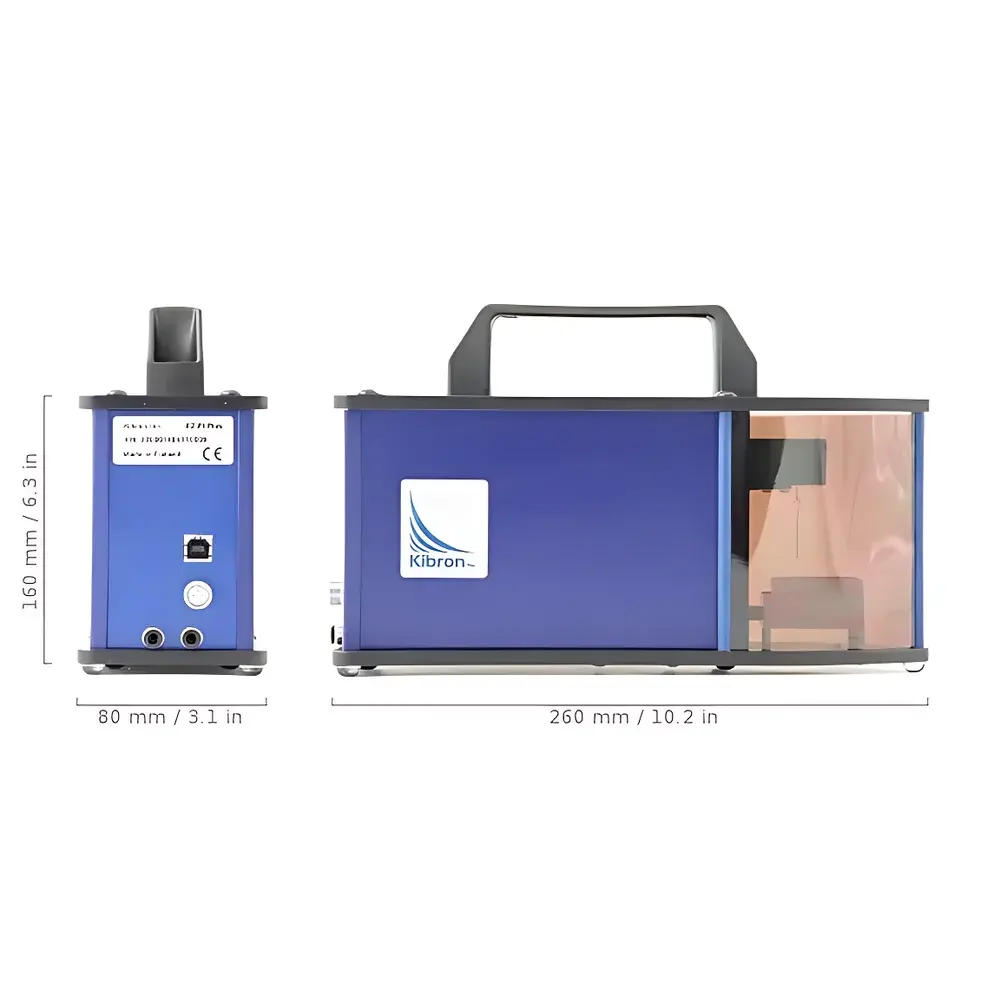
| Dimensions | 26 × 8 × 16 cm |
| Interface | USB |
Overview
The Kibron EZ-Pi Portable Dynamic Surface Tensiometer is an engineered solution for high-precision, field-deployable measurement of static and dynamic surface tension at air–liquid and liquid–liquid interfaces. Unlike conventional Wilhelmy plate or du Noüy ring instruments, the EZ-Pi implements a refined du Noüy rod method—first rigorously described by Padday et al. (J. Chem. Soc., Faraday Trans. 71: 1919–1931, 1974)—which measures the maximum pull force exerted on a vertically immersed cylindrical rod during controlled withdrawal from the interface. This force corresponds directly to the meniscus weight, enabling absolute surface tension calculation via γ = F / (πd), where *F* is the measured force and *d* is the rod diameter. Critically, calibration depends only on rod geometry and fluid density—not on probe wetting characteristics—eliminating systematic errors inherent in plate-based systems. The instrument integrates a proprietary ultra-microbalance with sub-0.2 µg resolution, ensuring traceable accuracy across low- and high-viscosity media—including oils, polymer melts, paints, and pharmaceutical emulsions—without requiring vibration isolation or environmental stabilization.
Key Features
- True portable architecture: Compact footprint (26 × 8 × 16 cm), battery-compatible USB-powered operation, and ruggedized housing suitable for outdoor, field, or mobile lab deployment.
- Du Noüy rod methodology with automated immersion/retraction cycle: Eliminates operator-dependent positioning errors and ensures reproducible meniscus formation.
- Sub-0.2 µg force resolution and < 0.1 mN/m absolute accuracy—validated against NIST-traceable reference liquids (e.g., ultrapure water, 2-ethylhexanol).
- Minimal sample consumption: As little as 45 µL per measurement—critical for expensive surfactants, biologics, or limited clinical/environmental samples.
- Real-time dynamic profiling: Captures surface tension evolution over time scales from milliseconds to hours, supporting rapid adsorption kinetics and CMC determination.
- No recalibration required upon rod replacement: Geometry-invariant measurement principle reduces operational overhead and enhances long-term measurement consistency.
- Chemically resistant probe materials (stainless steel, platinum-iridium) and disposable polypropylene sample cups ensure cross-contamination avoidance and regulatory compliance.
Sample Compatibility & Compliance
The EZ-Pi accommodates aqueous solutions, organic solvents, crude oils, polymer dispersions, and viscous formulations up to 10⁴ mPa·s without modification. Its rod-based design avoids capillary hysteresis and contact-angle dependency issues associated with Wilhelmy plates—making it uniquely suited for acidic wastewaters, electroplating baths, inkjet inks, and topical pharmaceutical suspensions. Instrument validation aligns with ASTM D971 (Standard Test Method for Interfacial Tension of Oil Against Water by the Ring Method—adapted for rod geometry), ISO 6295 (Petroleum products—Determination of interfacial tension), and USP (Surface Tension Measurements for Pharmaceutical Excipients). Full audit trails, user access control, and electronic signature support are embedded in the acquisition software to meet FDA 21 CFR Part 11 requirements for GLP/GMP environments.
Software & Data Management
Kibron’s proprietary WinTensiometer software provides real-time visualization, automated CMC detection, Gibbs adsorption isotherm modeling, and π–log c (surface pressure vs. log concentration) curve fitting. Raw force–time data are stored in HDF5 format with metadata tagging (operator ID, timestamp, ambient temperature, calibration file hash). Export options include CSV, Excel, and PDF reports compliant with laboratory information management systems (LIMS). Batch processing enables statistical evaluation of replicate measurements, including standard deviation, relative standard error, and outlier identification per ASTM E178. All software modules undergo annual cybersecurity patching and are validated for Windows 10/11 (64-bit) and macOS 12+.
Applications
- Environmental monitoring: Rapid assessment of surfactant contamination in groundwater, wastewater effluent, and oil-spill remediation agents.
- Pharmaceutical development: Quantification of micellization behavior for drug delivery systems, excipient screening, and stability prediction of liposomal formulations.
- Coatings & inks: Optimization of leveling, wetting, and foaming performance in water-based and UV-curable systems.
- Electroplating & metal finishing: Control of surfactant concentration in brightener baths to prevent pitting and dendritic growth.
- Academic research: Teaching interfacial thermodynamics, validating Langmuir and Frumkin adsorption models, and investigating peptide–membrane interactions.
- Quality control labs: Routine verification of batch-to-batch surfactant activity in detergents, agrochemicals, and personal care products.
FAQ
How does the EZ-Pi differ from traditional Wilhelmy plate tensiometers?
It employs a calibrated cylindrical rod instead of a plate, eliminating contact-angle uncertainty and enabling accurate measurements of high-viscosity and non-wetting liquids without correction factors.
Is the instrument suitable for measuring interfacial tension between two immiscible liquids?
Yes—the EZ-Pi Plus variant supports liquid–liquid interface measurements with optional dual-phase sample holders and density-compensated algorithms.
What is the minimum sample volume required for reliable measurement?
45 µL is sufficient for standard air–water or air–solvent measurements; larger volumes (>1 mL) are recommended for low-surface-tension systems (<5 mN/m) to minimize evaporation artifacts.
Does the system comply with regulatory data integrity standards?
Yes—WinTensiometer software includes full 21 CFR Part 11 compliance features: electronic signatures, audit trails, role-based permissions, and immutable raw data storage.
Can the EZ-Pi be used in non-laboratory environments such as field sites or production floors?
Absolutely—the instrument operates independently of external vibration damping, temperature-controlled rooms, or dedicated benches, making it ideal for on-site QC and environmental surveys.



