
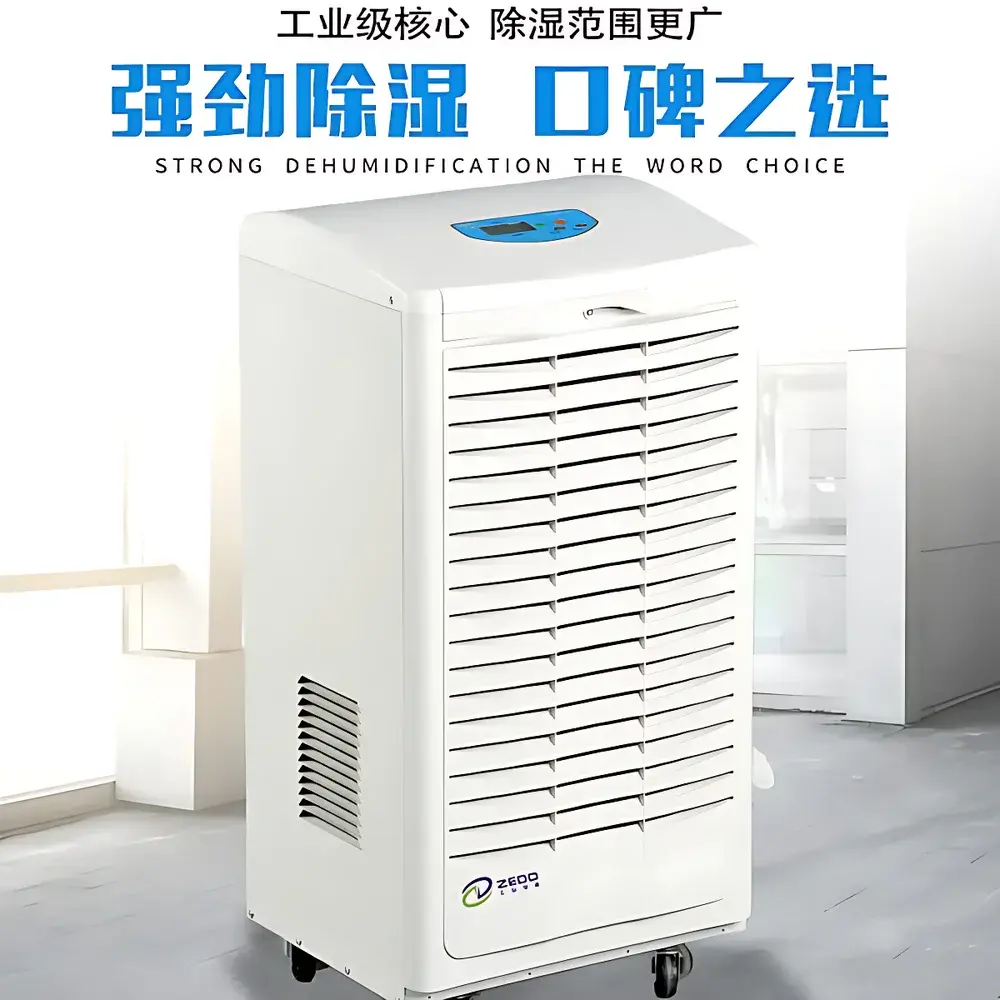
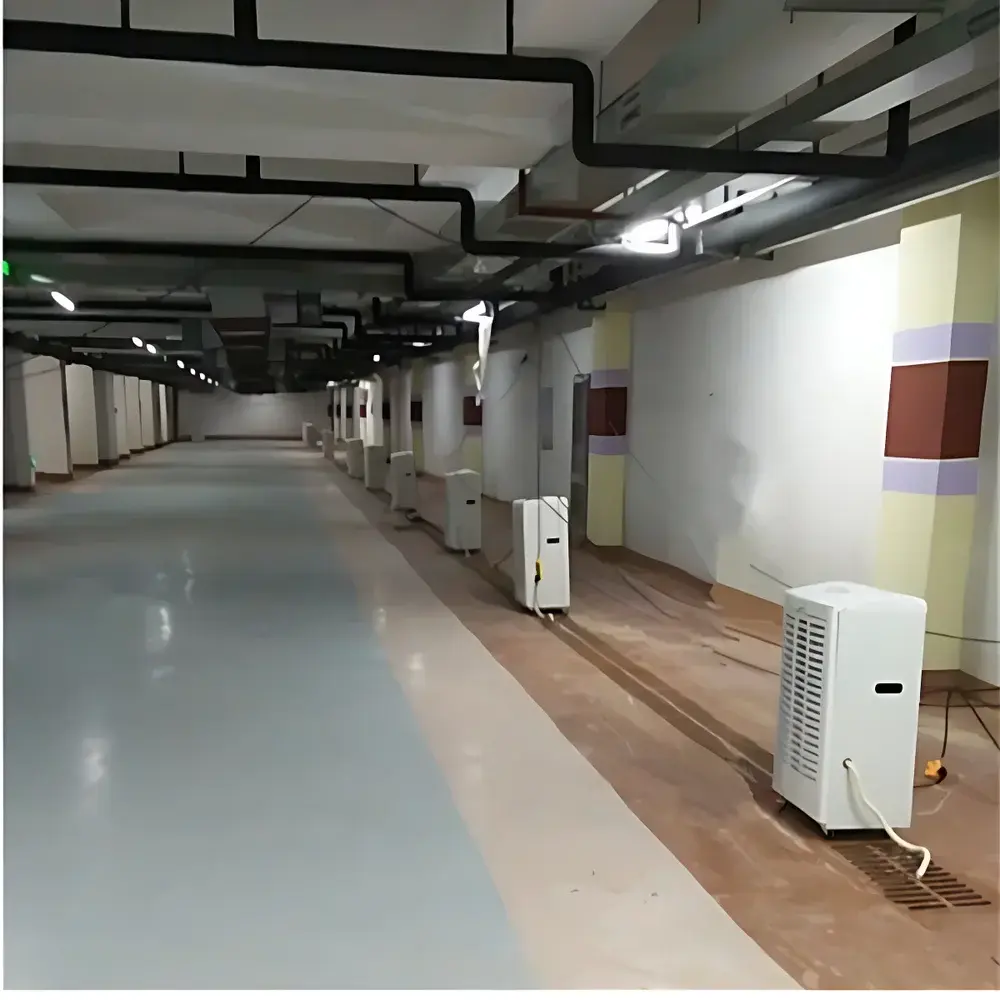
ZEDO ZD-8138C Fully Automatic Refrigerant-Based Dehumidifier
| Brand | ZEDO |
|---|---|
| Origin | Zhejiang, China |
| Manufacturer Type | Direct Manufacturer |
| Country of Origin | China |
| Model | ZD-8138C |
| Instrument Type | Compressor-Driven Dehumidifier |
| Application Type | Commercial/Industrial Duty |
| Dimensions (L×W×H) | 480 × 430 × 1100 mm |
| Operating Temperature Range | 5–38 °C |
| Recommended Coverage Area | 100–200 m² |
| Airflow Rate | 1725 m³/h |
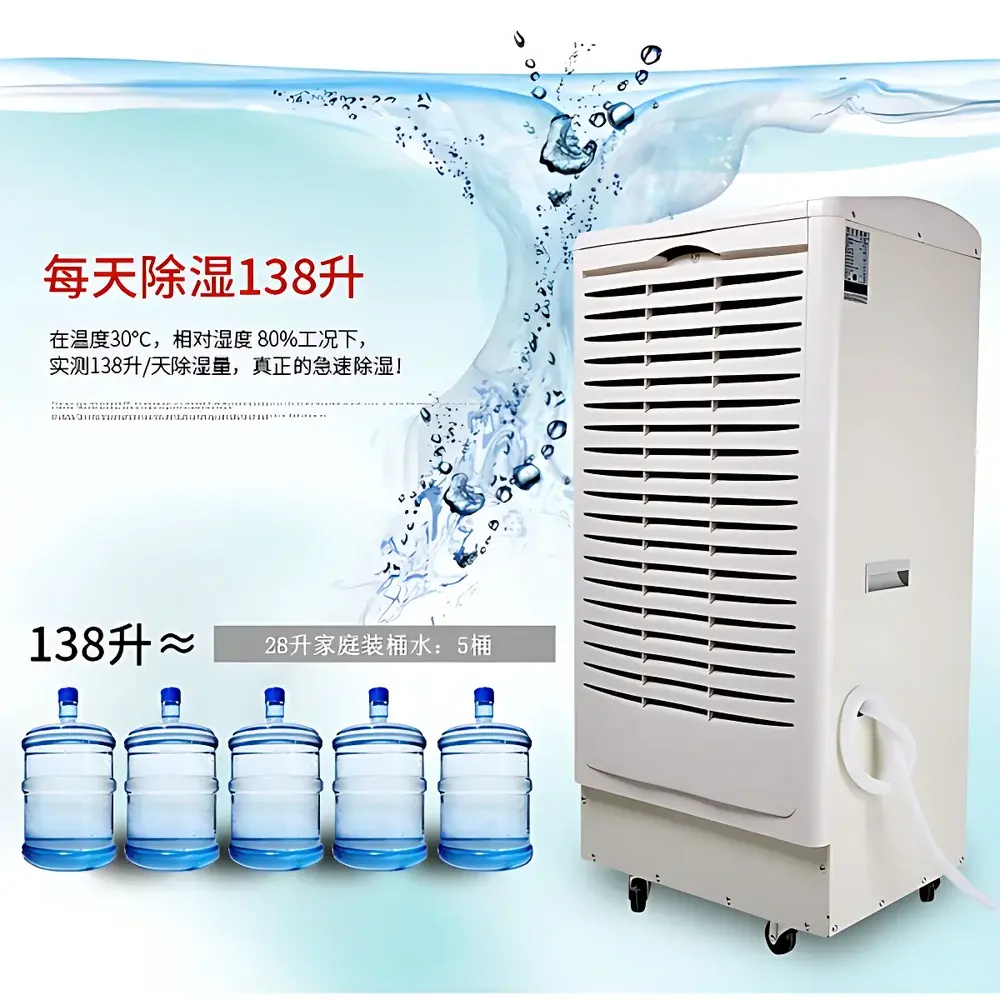
| Dehumidification Capacity | 138 L/day |
| Power Consumption | 2000 W |
Overview
The ZEDO ZD-8138C Fully Automatic Refrigerant-Based Dehumidifier is an industrial-grade, compressor-driven moisture removal system engineered for precision humidity control in controlled environments such as laboratories, cleanrooms, quality assurance facilities, pharmaceutical manufacturing suites, and archival storage areas. It operates on the principle of refrigerant-based condensation—drawing ambient air across a cooled evaporator coil where water vapor condenses into liquid form, is collected in a removable reservoir or drained continuously via gravity or pump-assisted outlet, and dry air is reheated and returned to the space. This thermodynamic process ensures stable, repeatable dew point reduction without chemical desiccants or consumables. Unlike desiccant-based systems, the ZD-8138C delivers consistent performance across a wide operating temperature range (5–38 °C), making it suitable for both temperate laboratory corridors and heat-generating production zones adjacent to analytical instrumentation rooms.
Key Features
- Microprocessor-controlled humidity regulation with ±3% RH setpoint accuracy and hysteresis-free on/off cycling
- High-efficiency rotary compressor with R290 (propane) eco-friendly refrigerant—GWP < 20, compliant with EU F-Gas Regulation and EPA SNAP criteria
- Corrosion-resistant aluminum fin-tube evaporator and condenser coils with hydrophilic coating for enhanced condensate shedding
- Integrated high-static-pressure centrifugal fan delivering 1725 m³/h airflow at low acoustic emission (<58 dB(A) at 1 m)
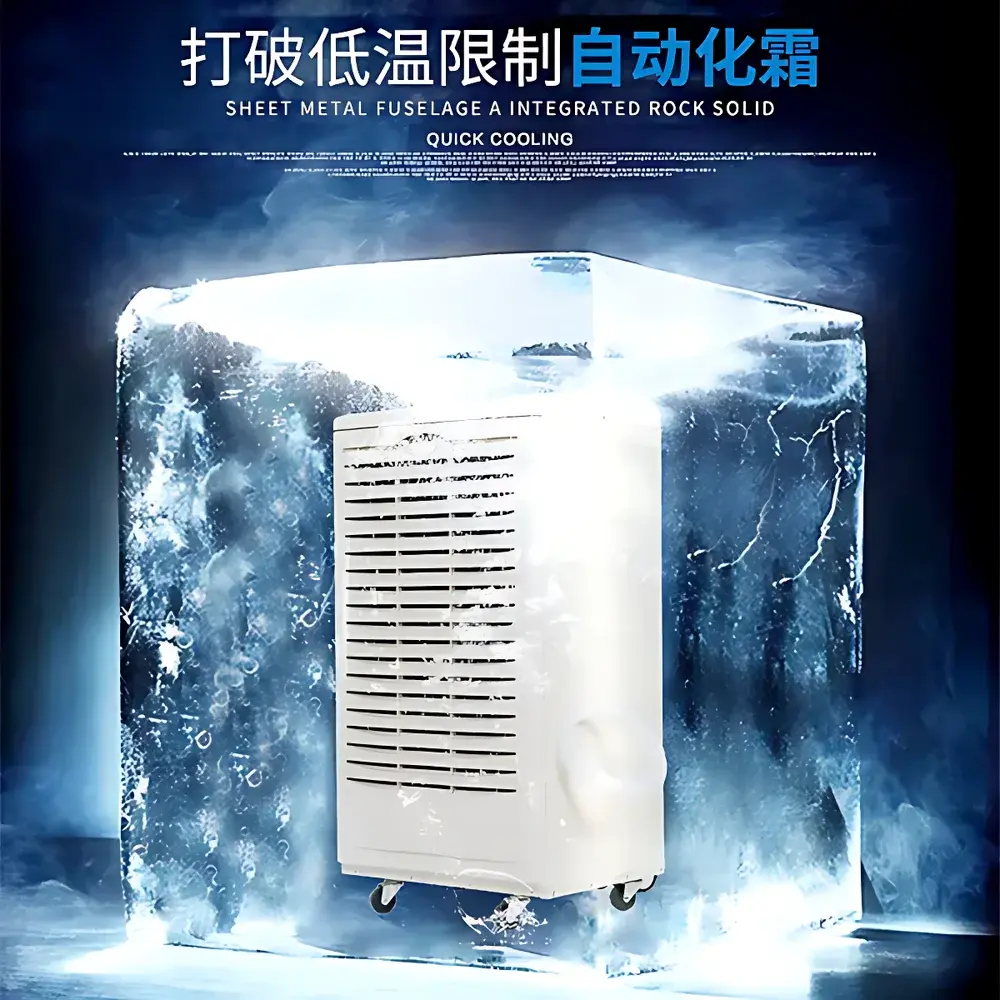
- Auto-defrost function with intelligent frost detection algorithm to maintain continuous operation below 15 °C
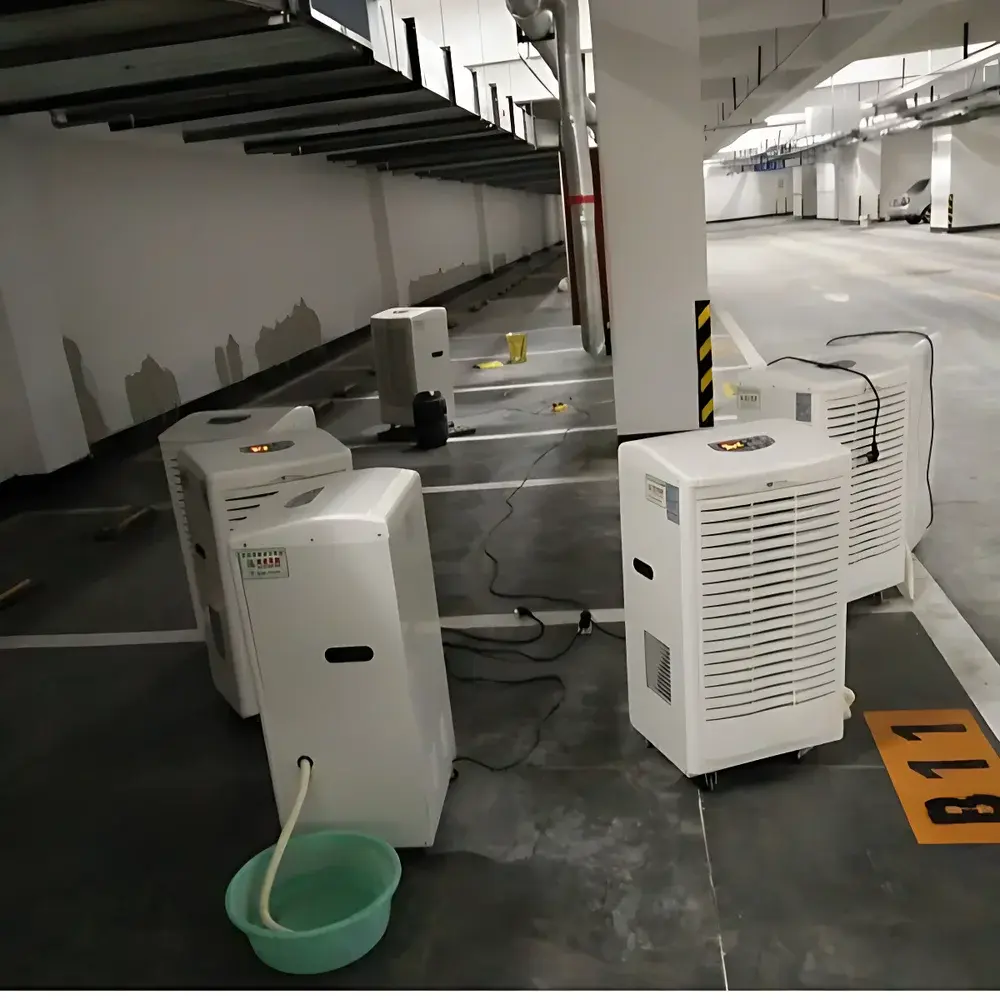
- Dual drainage options: gravity-fed continuous drain port (Ø20 mm) and 5.5 L internal tank with low-level shutoff and visual fill indicator
- IP20-rated electrical enclosure with UL-listed components and reinforced grounding for lab-grade electrical safety
Sample Compatibility & Compliance
The ZD-8138C is designed for non-hazardous, non-explosive indoor environments with ambient particulate levels ≤ ISO Class 8 (100,000). It is not rated for ATEX or IECEx zones. Its moisture removal profile supports humidity-sensitive workflows including: lyophilization pre-conditioning, reference standard storage (per ISO 8573-1 Class 4 for compressed air dew point), electronic component handling (IPC-J-STD-033), and archival document preservation (ANSI/NISO Z39.48-1992). The unit complies with CE marking requirements under Directive 2014/30/EU (EMC) and 2014/35/EU (LVD); meets RoHS 2011/65/EU substance restrictions; and conforms to energy efficiency benchmarks per China GB 19576-2019 (Energy Efficiency Grade 2). Optional factory-installed data logging module enables audit-ready records aligned with GLP and ISO/IEC 17025 documentation expectations.
Software & Data Management
The embedded controller supports local setpoint adjustment via intuitive LED interface with real-time display of current RH (%), ambient temperature (°C), runtime hours, and error codes. For integration into centralized facility monitoring systems, optional RS-485 Modbus RTU communication allows bidirectional parameter exchange—including remote start/stop, humidity setpoint override, and alarm status polling—with building management systems (BMS) or LIMS platforms. When paired with ZEDO’s optional CloudLink Gateway (sold separately), users gain secure web-based access to historical dehumidification logs (12-month retention), trend graphs, and automated email/SMS alerts for high-humidity excursions or maintenance intervals. All data timestamps are NTP-synchronized and support 21 CFR Part 11-compliant user authentication when deployed with enterprise identity providers.
Applications
- Prevent hygroscopic degradation of calibration standards, reference materials, and analytical reagents in metrology labs
- Maintain ≤40% RH in glovebox antechambers and inert-atmosphere material synthesis workstations
- Control ambient humidity during thermal gravimetric analysis (TGA), dynamic vapor sorption (DVS), and moisture sorption isotherm studies
- Protect optical components, interferometers, and laser cavities from condensation-induced micro-fogging
- Support ISO 14644-1 Class 5–7 cleanroom corridor humidity stability during HVAC system commissioning
- Preserve biological specimens, histological slides, and DNA/RNA sample archives in compliance with NIH NOT-OD-22-021 environmental guidelines
FAQ
What is the minimum ambient temperature at which the ZD-8138C maintains rated dehumidification capacity?
Rated capacity (138 L/day) is specified at 30 °C / 80% RH. At 15 °C / 60% RH, output declines to ~62 L/day due to reduced vapor pressure differential; auto-defrost preserves uninterrupted operation down to 5 °C.
Can this unit be integrated into a BMS using BACnet/IP?
No native BACnet/IP support; however, third-party protocol gateways (e.g., Tridium Niagara) can translate Modbus RTU to BACnet MS/TP or IP with verified interoperability in pilot installations.
Is condensate water potable or suitable for reuse?
Condensate is distilled-quality but未经sterilization; it contains trace volatile organics from ambient air and is not approved for human consumption or direct contact with sterile processes.
Does the unit include a HEPA filter or antimicrobial treatment?
Standard configuration includes G3-class pre-filter only; optional M5/M6 panel filters and activated carbon odor traps are available as field-installable kits.
What maintenance intervals are recommended for laboratory-grade reliability?
Compressor oil inspection every 24 months; evaporator coil cleaning with non-corrosive detergent every 6 months in high-dust environments; annual verification of humidity sensor calibration against NIST-traceable hygrometer.



