
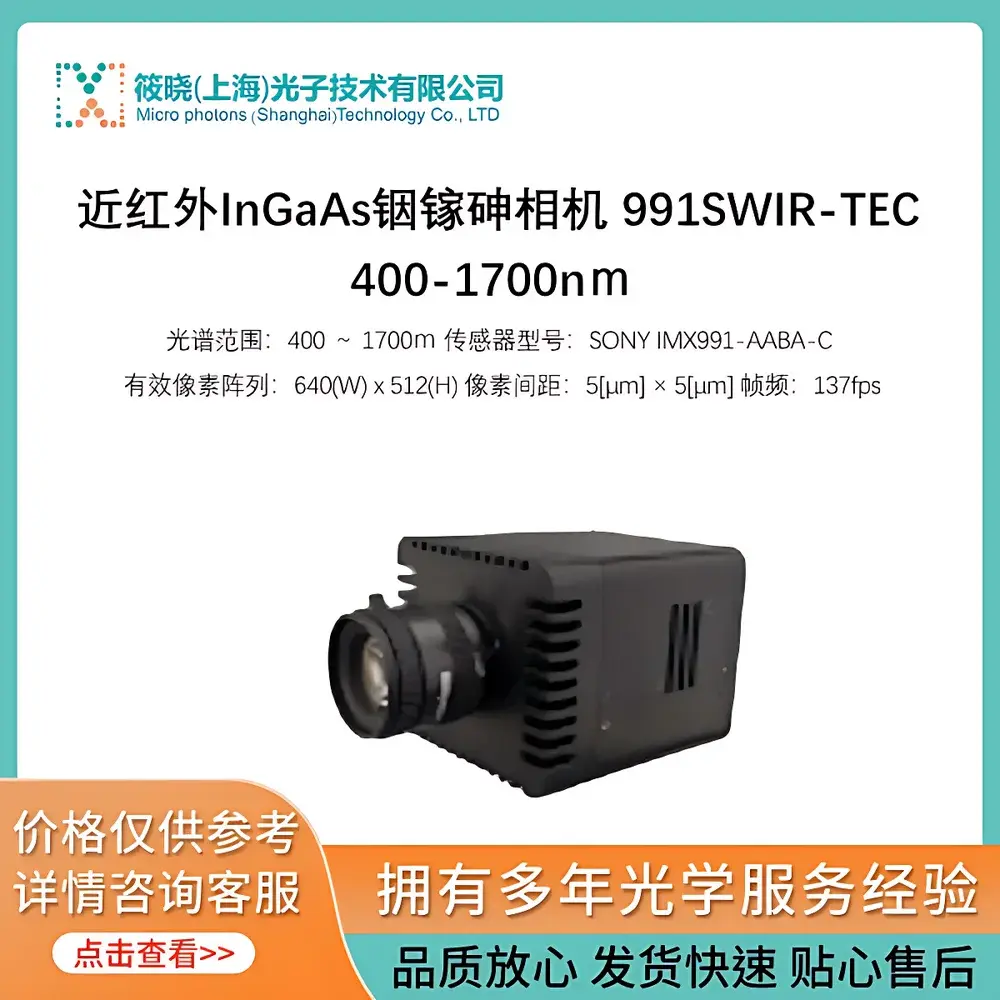
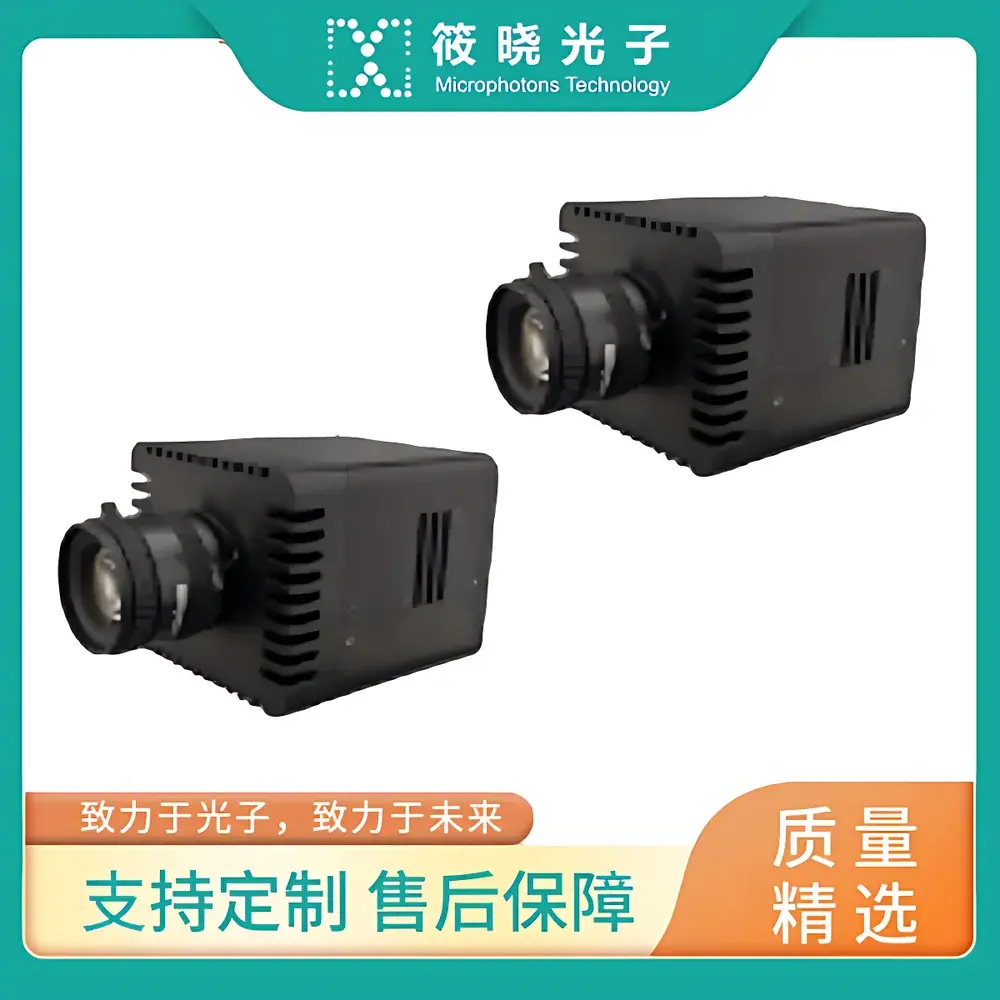
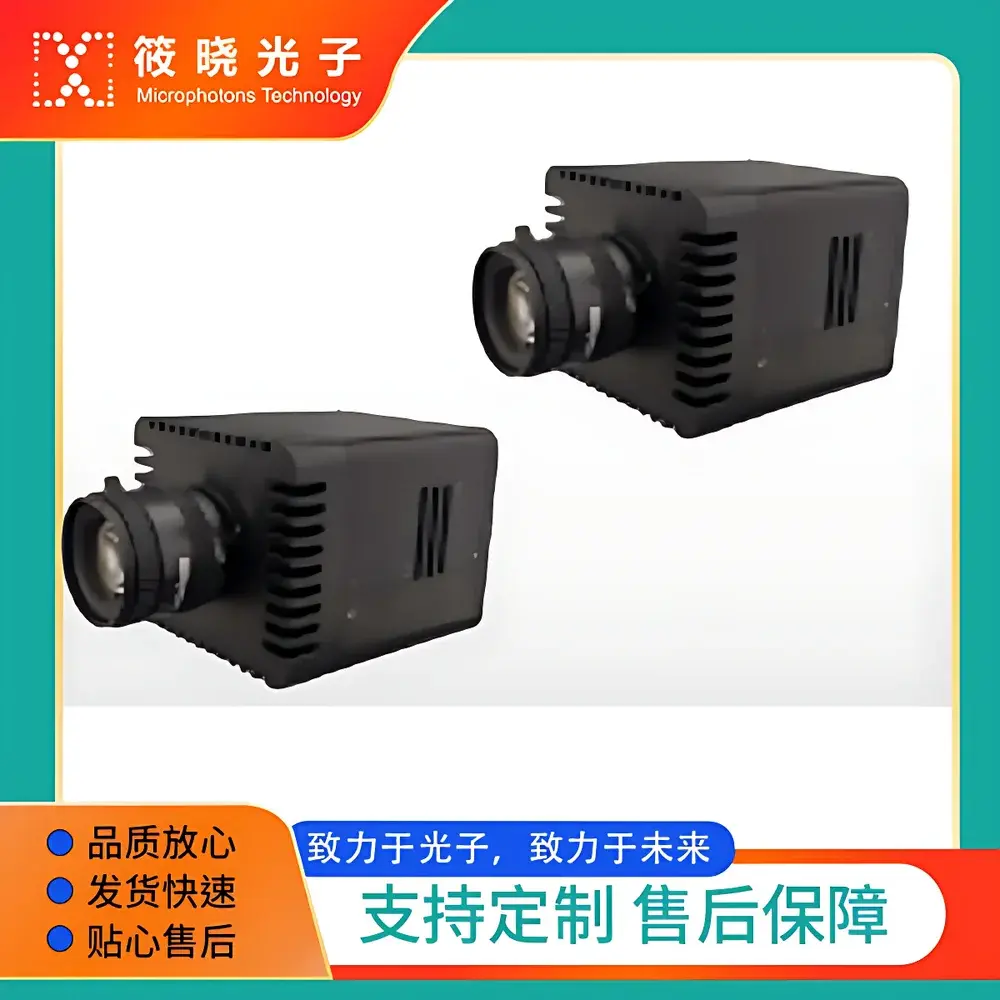
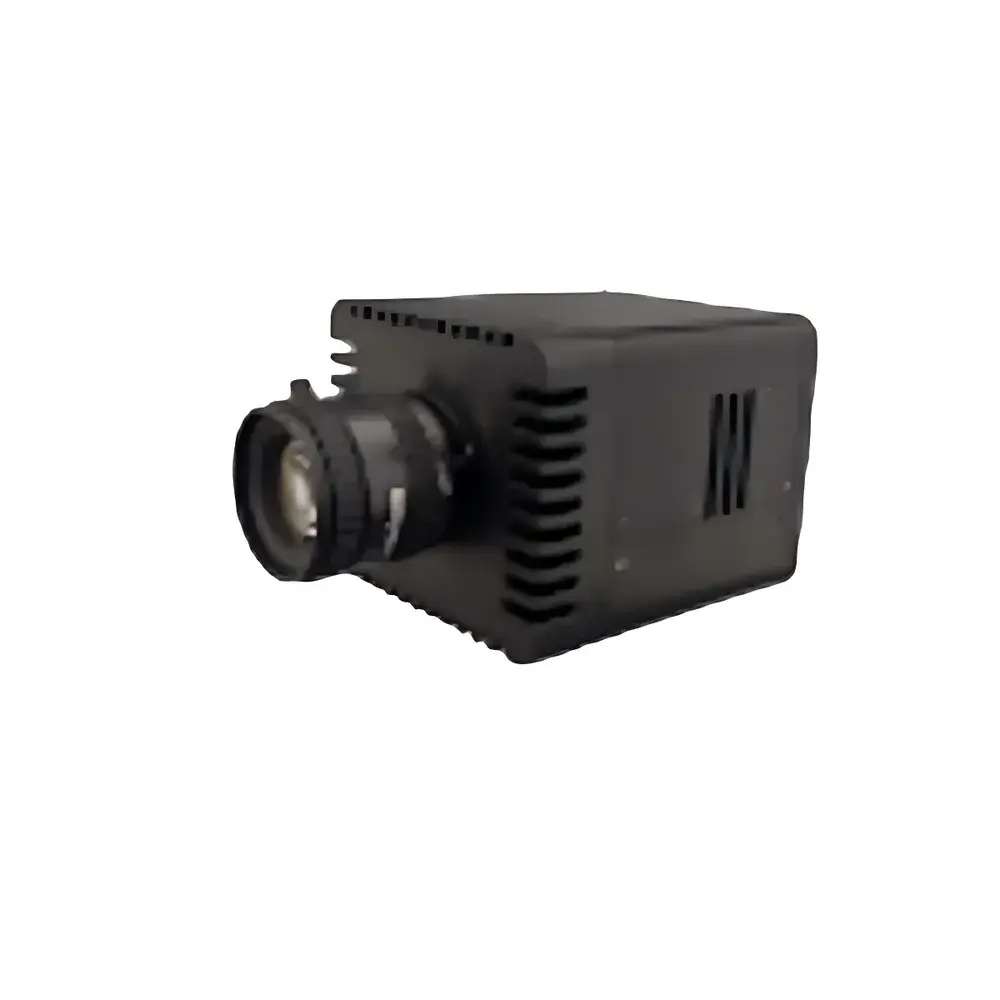
Artray ARTCAM-991SWIR-TEC InGaAs Near-Infrared Camera (400–1700 nm)
| Brand | Artray |
|---|---|
| Origin | Japan |
| Model | ARTCAM-991SWIR-TEC |
| Spectral Range | 400–1700 nm |
| Sensor Type | InGaAs (Indium Gallium Arsenide) |
| Cooling | Thermoelectrically Cooled (TEC) |
| Application Domain | SWIR Imaging, Laser Beam Profiling, Optical Metrology, Semiconductor Inspection |
Overview
The Artray ARTCAM-991SWIR-TEC is a high-sensitivity, thermoelectrically cooled (TEC) InGaAs near-infrared camera engineered for precision imaging and quantitative measurement in the short-wave infrared (SWIR) spectral band. Operating across a broad spectral range of 400–1700 nm—spanning visible through the critical SWIR window—the camera leverages an optimized InGaAs photodiode array to deliver low-noise, high-dynamic-range performance essential for demanding optical metrology applications. Unlike uncooled SWIR sensors, the integrated TEC system actively stabilizes the sensor die temperature, significantly reducing dark current and enabling longer integration times without thermal noise saturation. This architecture supports both continuous-wave and pulsed laser characterization, including beam profiling, M² measurement, and real-time alignment verification in industrial and research-grade laser systems. Designed and manufactured in Japan, the ARTCAM-991SWIR-TEC adheres to stringent optical calibration protocols and meets foundational requirements for traceable radiometric and photometric measurements under controlled laboratory conditions.
Key Features
- Monolithic InGaAs focal plane array with pixel pitch optimized for diffraction-limited SWIR resolution
- Integrated two-stage thermoelectric cooler (TEC) maintaining sensor temperature stability within ±0.1 °C for repeatable dark frame subtraction
- High quantum efficiency (>70%) across 900–1600 nm, with extended response down to 400 nm via hybrid anti-reflection coating
- 14-bit analog-to-digital conversion with programmable gain and offset for dynamic range adaptation (up to 72 dB)
- Global shutter operation supporting synchronization with external trigger sources (TTL/CMOS) for time-resolved imaging
- USB 3.0 interface with SDK support for Windows/Linux; compliant with GenICam v3.1 standard for interoperability with third-party vision software
Sample Compatibility & Compliance
The ARTCAM-991SWIR-TEC is compatible with standard C-mount and F-mount optical interfaces, enabling direct integration into collimated beam paths, microscope epi-illumination setups, or custom SWIR spectrometer configurations. It supports imaging of reflective, transmissive, and luminescent samples—including silicon wafers, polymer films, biological tissues, and laser-induced plasma plumes—without requiring external illumination in ambient-light-suppressed environments. From a regulatory standpoint, the device complies with IEC 61000-6-3 (EMC emission limits) and IEC 61000-6-2 (immunity requirements). While not certified as medical or safety-critical equipment, its design aligns with general-purpose optical instrumentation guidelines referenced in ISO/IEC 17025-accredited laboratories for method validation. Calibration certificates (NIST-traceable irradiance and spatial uniformity) are available upon request for GLP-compliant documentation workflows.
Software & Data Management
Artray provides a comprehensive Software Development Kit (SDK) supporting C++, Python (via ctypes bindings), and MATLAB interfaces, enabling full control over exposure time, region-of-interest (ROI) selection, frame averaging, and non-uniformity correction (NUC) routines. The bundled acquisition software includes real-time histogram analysis, line-profile extraction, centroid tracking, and export of raw 16-bit TIFF or HDF5 datasets. All metadata—including timestamp, sensor temperature, exposure settings, and calibration coefficients—is embedded in image headers per EXIF 2.31 and DICOM Supplement 168 conventions where applicable. Audit trails for configuration changes and acquisition logs can be enabled to satisfy basic FDA 21 CFR Part 11 data integrity expectations when deployed in regulated QC/QA environments. Raw data retention and post-processing pipelines remain fully under user control—no cloud upload or telemetry is performed by default.
Applications
- Laser beam characterization: spatial intensity distribution, divergence angle, and hot-spot detection for diode, fiber, and solid-state lasers operating at 1064 nm, 1550 nm, or other SWIR wavelengths
- Semiconductor wafer inspection: detection of subsurface defects, dopant distribution mapping, and photoluminescence imaging of III-V materials
- Non-destructive testing (NDT): moisture content assessment in composites, delamination identification in multilayer packaging, and thermal signature correlation in active cooling systems
- Optical component verification: wavefront distortion analysis of lenses and filters using Hartmann-Shack or phase-retrieval techniques
- Research spectroscopy: coupling with monochromators or FTIR systems for hyperspectral SWIR imaging up to 100 spectral bands
FAQ
Is the ARTCAM-991SWIR-TEC suitable for quantitative radiometric measurements?
Yes—when used with NIST-traceable calibration sources and appropriate neutral density filters, it supports relative radiance measurements with uncertainty budgets documented per ISO/IEC 17025 Annex A. Absolute calibration requires application-specific characterization.
Does the camera support synchronized multi-camera triggering?
Yes—via hardware TTL input/output lines supporting master-slave configurations with sub-microsecond jitter, enabling stereo SWIR imaging or pump-probe experiments.
What is the maximum frame rate at full resolution?
At native 640 × 512 resolution and 14-bit depth, the sustained frame rate is 120 fps; ROI cropping increases throughput linearly with reduced pixel count.
Can the TEC cooling be disabled for low-power operation?
Yes—the cooling subsystem can be bypassed via software command; however, dark current increases exponentially above 25 °C, limiting usable integration time to <5 ms without cooling.
Is firmware update capability included?
Yes—field-upgradable firmware is delivered via signed binary packages through the SDK; updates preserve user calibration tables and do not require factory recalibration.





