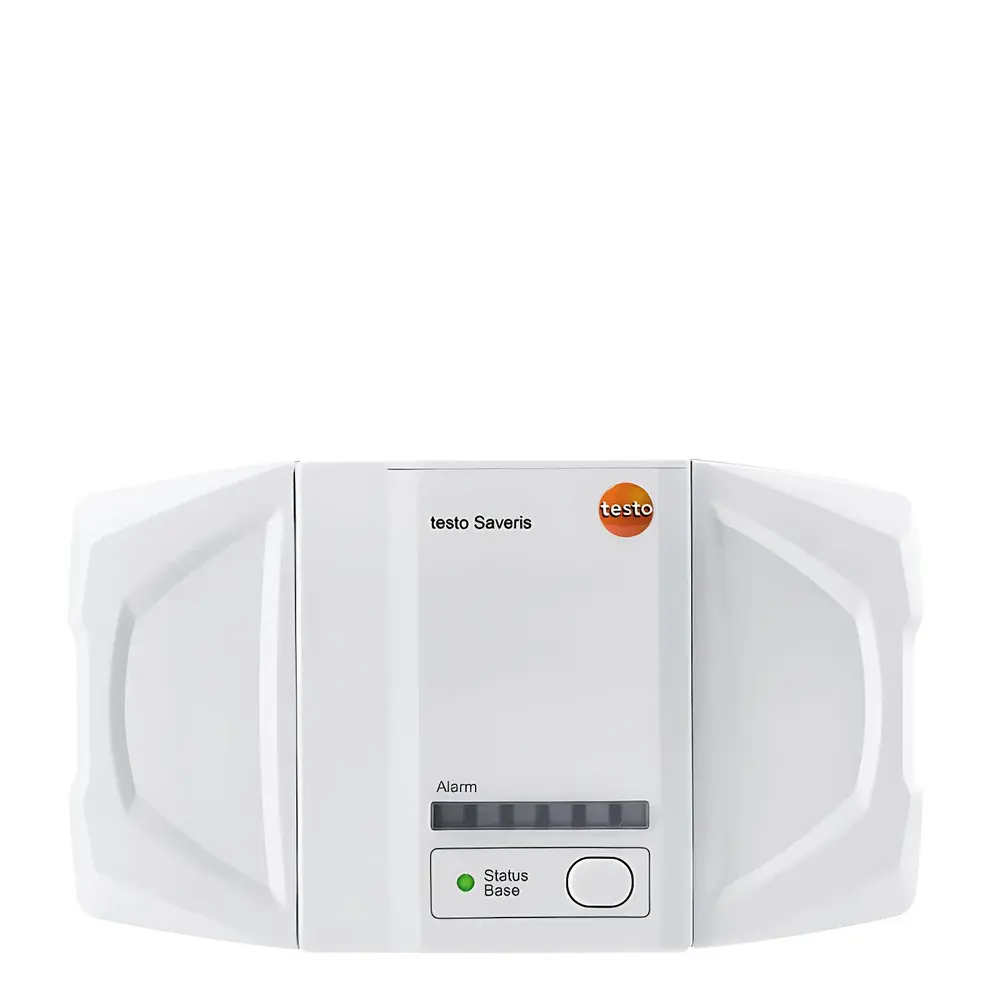
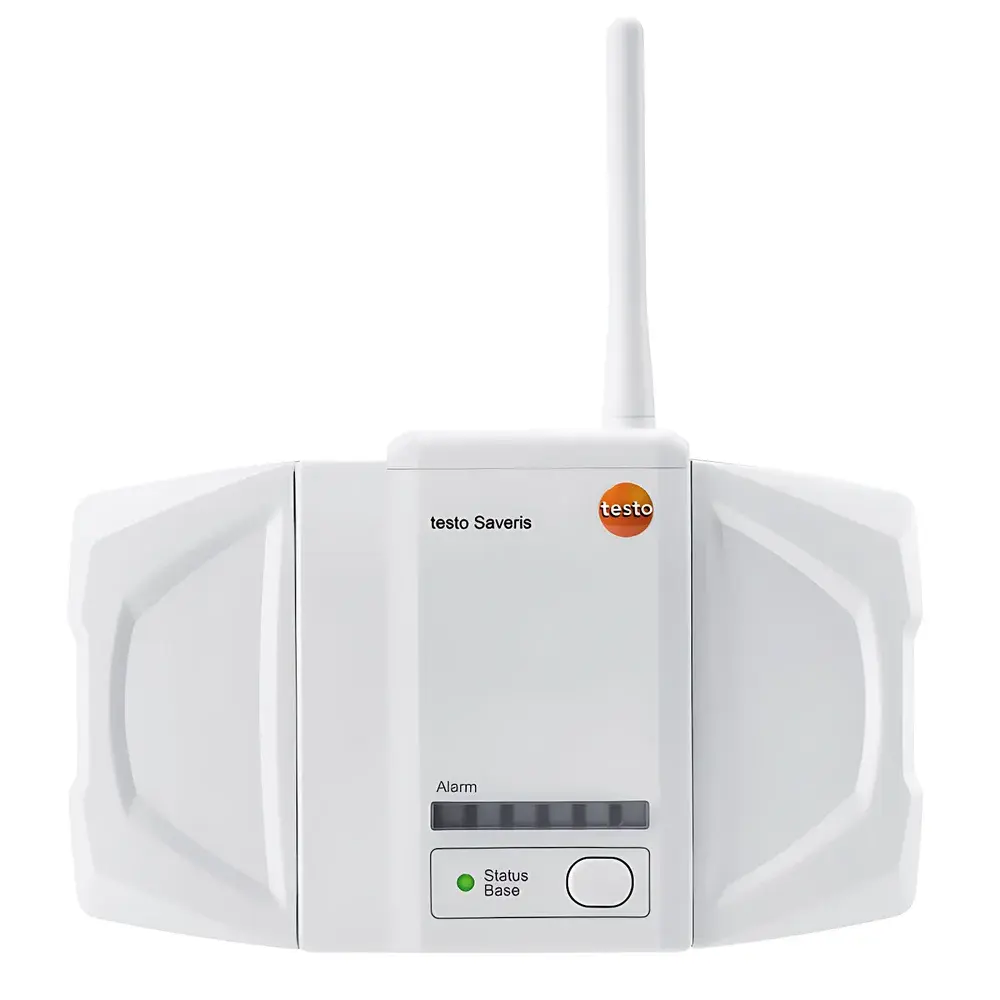
testo Saveris Base V3.0 – Environmental Monitoring Base Station
| Brand | testo |
|---|---|
| Origin | Germany |
| Model | 0572 9320 |
| Channel Capacity | Up to 3,000 measurement channels |
| Power Backup | Integrated rechargeable emergency battery |
| Connectivity | Ethernet, Wi-Fi, testo UltraRange™ long-range encrypted radio (optional module) |
| Alarm Outputs | Visual alerts, email/SMS notifications, relay-triggered audible/visual alarms |
| Compliance | Designed for GxP environments (aligned with EU GMP Annex 15, FDA 21 CFR Part 11, ISO 14644, and ICH Q5C temperature/humidity monitoring requirements) |
| Included | Base unit, built-in rechargeable battery, charging cable |
Overview
The testo Saveris Base V3.0 is the central data acquisition and management hub of the testo Saveris Pharma environmental monitoring system. Engineered for continuous, unattended operation in regulated life science facilities, it functions as a secure, time-synchronized server that aggregates, stores, and processes real-time sensor data from distributed wireless and wired measurement points. Its architecture adheres to the fundamental principles of validated environmental monitoring: deterministic data flow, tamper-evident storage, and audit-ready traceability. Unlike standalone loggers, the Base V3.0 implements a true client-server topology—where all raw measurements are transmitted to and archived exclusively on the base unit—ensuring centralized control, consistent calibration metadata association, and elimination of endpoint data silos. It supports synchronized timestamping compliant with NTP (Network Time Protocol) and maintains internal clock accuracy within ±1 second per month, critical for regulatory alignment with FDA 21 CFR Part 11 electronic record integrity requirements.
Key Features
- Scalable channel management supporting up to 3,000 simultaneous measurement inputs—compatible with testo Saveris 1 and Saveris 2 wireless sensors, as well as wired analog/digital interfaces via optional expansion modules.
- Integrated rechargeable emergency battery providing ≥72 hours of autonomous operation during mains power failure, preserving data continuity and preventing gaps in compliance-critical monitoring records.
- Multi-layered alarm engine with configurable thresholds, hysteresis, delay timers, and escalation logic—enabling differentiated response protocols for minor deviations versus critical excursions.
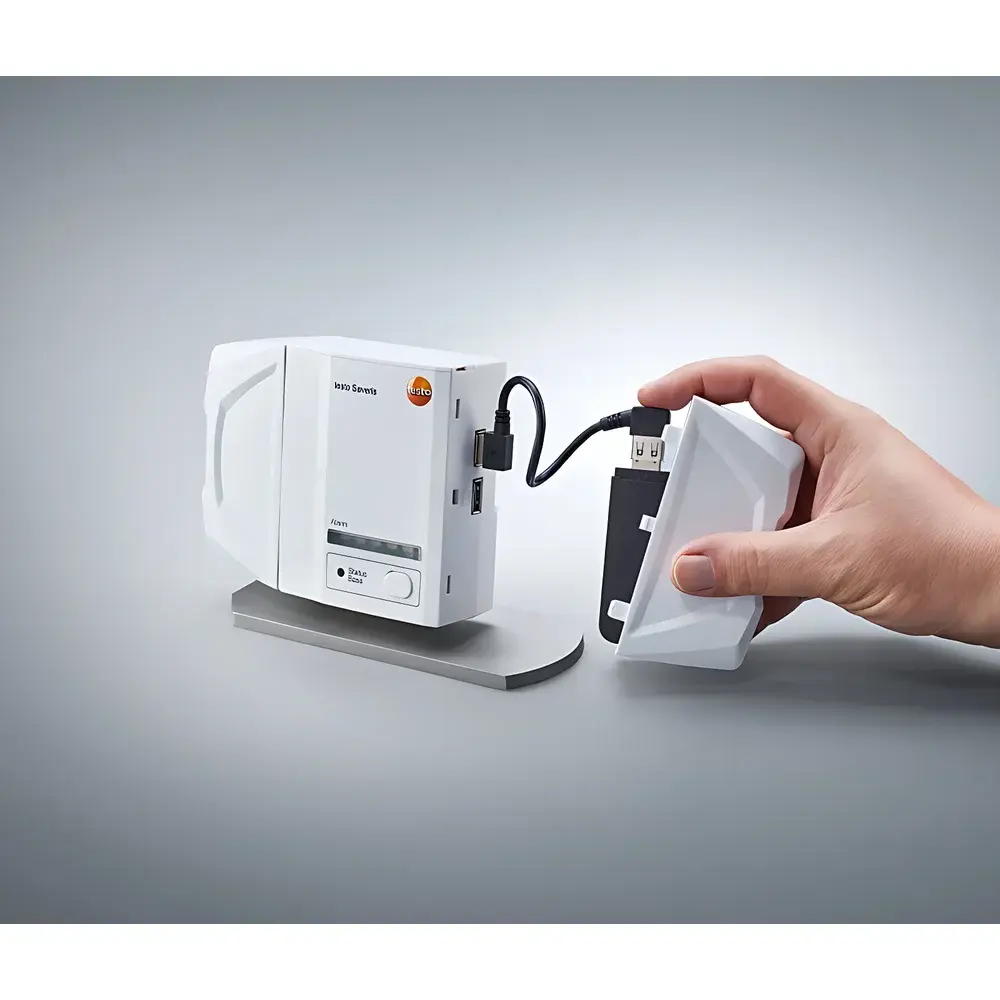
- Redundant communication pathways: native Gigabit Ethernet, IEEE 802.11n Wi-Fi (WPA2-Enterprise), and optional testo UltraRange™—a proprietary 868 MHz FHSS (Frequency-Hopping Spread Spectrum) radio technology delivering >100 m indoor range through reinforced concrete walls and RF-challenging pharmaceutical cleanrooms.
- Hardware-enforced data immutability: All stored measurement values are written to non-volatile flash memory with SHA-256 hash integrity verification; historical logs cannot be edited or deleted without triggering an immutable audit trail entry.
Sample Compatibility & Compliance
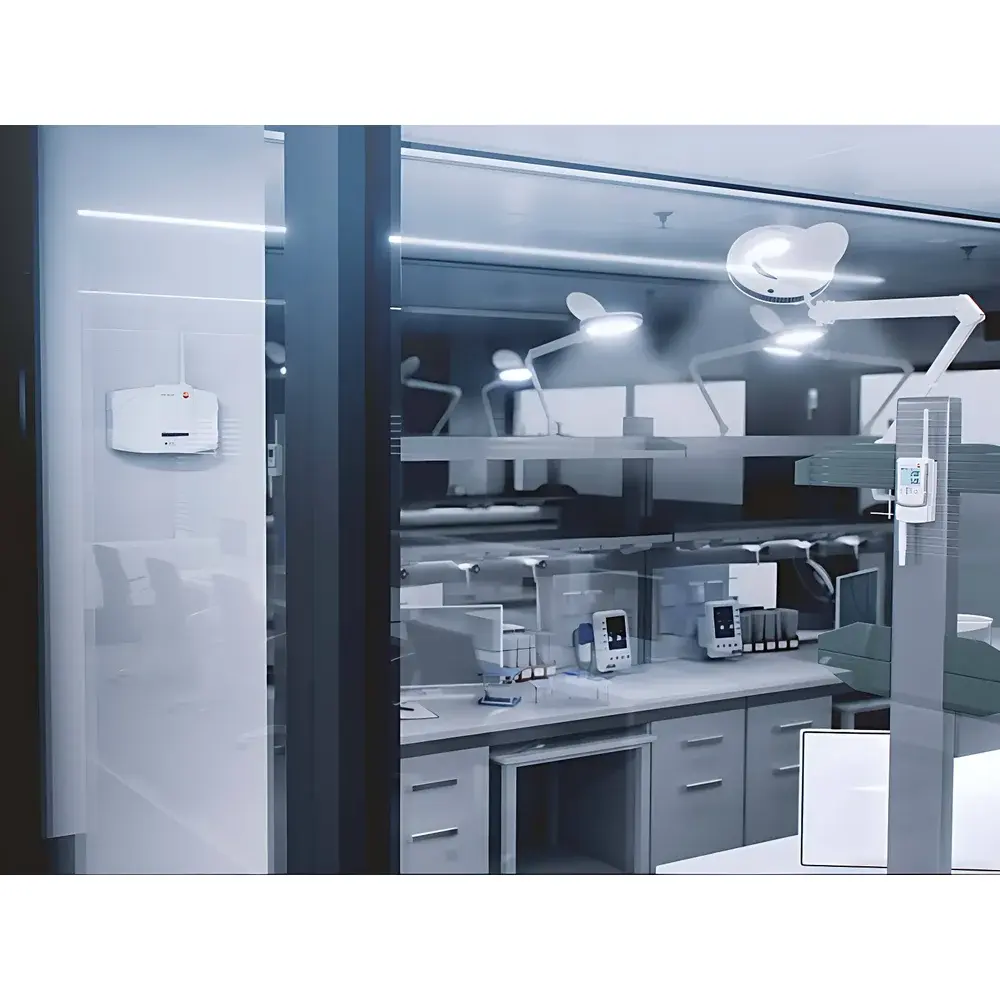
The testo Saveris Base V3.0 is not a direct-sensing instrument but serves as the certified data repository and decision engine for temperature, relative humidity, differential pressure, CO₂, door contact, and other environmental parameters monitored across GxP-regulated spaces—including cold rooms, stability chambers, aseptic processing suites, and warehouse zones. It natively supports sensors calibrated per ISO/IEC 17025-accredited procedures and accepts external calibration certificates uploaded into its secure document management module. The system architecture satisfies key clauses of EU GMP Annex 15 (Qualification and Validation), USP Analytical Instrument Qualification, and FDA guidance on Data Integrity (ALCOA+ principles). Full 21 CFR Part 11 compliance is achieved when deployed with enabled electronic signatures, audit trail logging, and role-based access controls—features configured and validated during IQ/OQ/PQ execution.
Software & Data Management
The base station runs testo Saveris software v3.0 firmware—a hardened Linux-based OS with read-only root filesystem and automatic secure boot verification. Data is stored in an embedded PostgreSQL database with daily encrypted backups (AES-256) exportable to network shares or removable media. Web-based configuration and visualization are delivered via HTML5 interface accessible from any modern browser—no client installation required. All user actions, system events, and alarm state transitions are captured in a tamper-proof audit trail with user ID, timestamp, IP address, and before/after value logging. Export formats include CSV (with ISO 8601 timestamps), PDF reports (including trend charts and statistical summaries), and XML for LIMS/ERP integration via RESTful API.
Applications
- Continuous environmental qualification of Grade A/B/C/D cleanrooms per ISO 14644-1 and EU GMP Annex 1.
- Stability storage condition monitoring for ICH Q1–Q5-compliant drug substance/product testing.
- Real-time deviation detection and automated CAPA initiation in cold chain logistics (e.g., vaccine distribution centers).
- Integration with Building Management Systems (BMS) via Modbus TCP or BACnet/IP for coordinated HVAC response during excursions.
- Supporting annual requalification cycles by generating preformatted validation evidence packs—including raw data dumps, calibration history, and alarm summary matrices.
FAQ
Does the Base V3.0 require an external server or cloud subscription?
No—it operates as a fully autonomous, on-premise appliance. All data resides locally unless explicitly exported; no mandatory cloud dependency or recurring SaaS fee is involved.
Can it integrate with existing enterprise IT infrastructure?
Yes. It supports LDAP/Active Directory authentication, SNMPv3 monitoring, Syslog forwarding, and TLS 1.2–encrypted data exports to designated file servers or SQL databases.
Is the UltraRange radio module included by default?
No. The UltraRange radio interface is an optional hardware add-on (testo order no. 0572 9321); standard units ship with Ethernet and Wi-Fi only.
How is firmware updated and validated?
Firmware updates are provided as digitally signed .bin files; installation triggers automatic pre-update backup and post-installation self-test. Update history—including version, timestamp, and operator signature—is retained in the audit trail.
What happens if the internal battery fails?
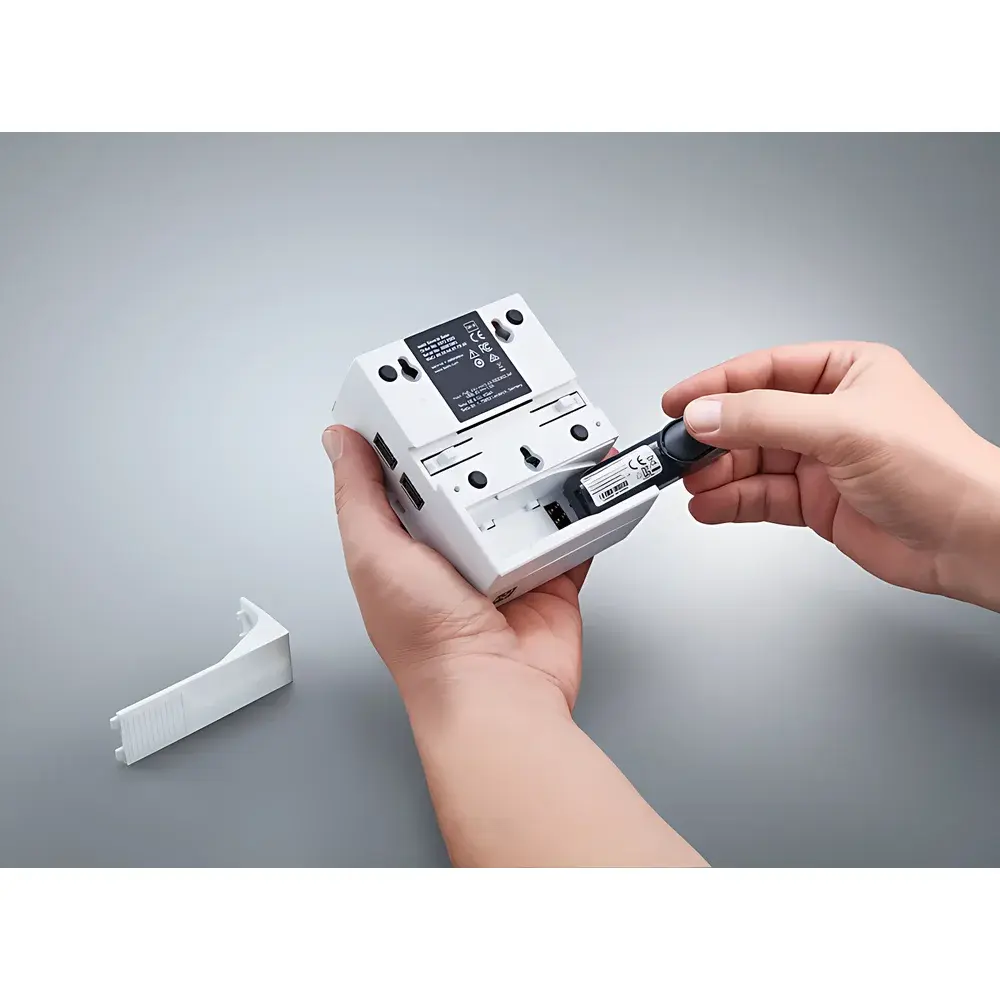
Battery health is continuously monitored; low-capacity warnings appear in the web interface and trigger email alerts. Replacement batteries are field-serviceable using testo’s certified spare part kit (0572 9322).