
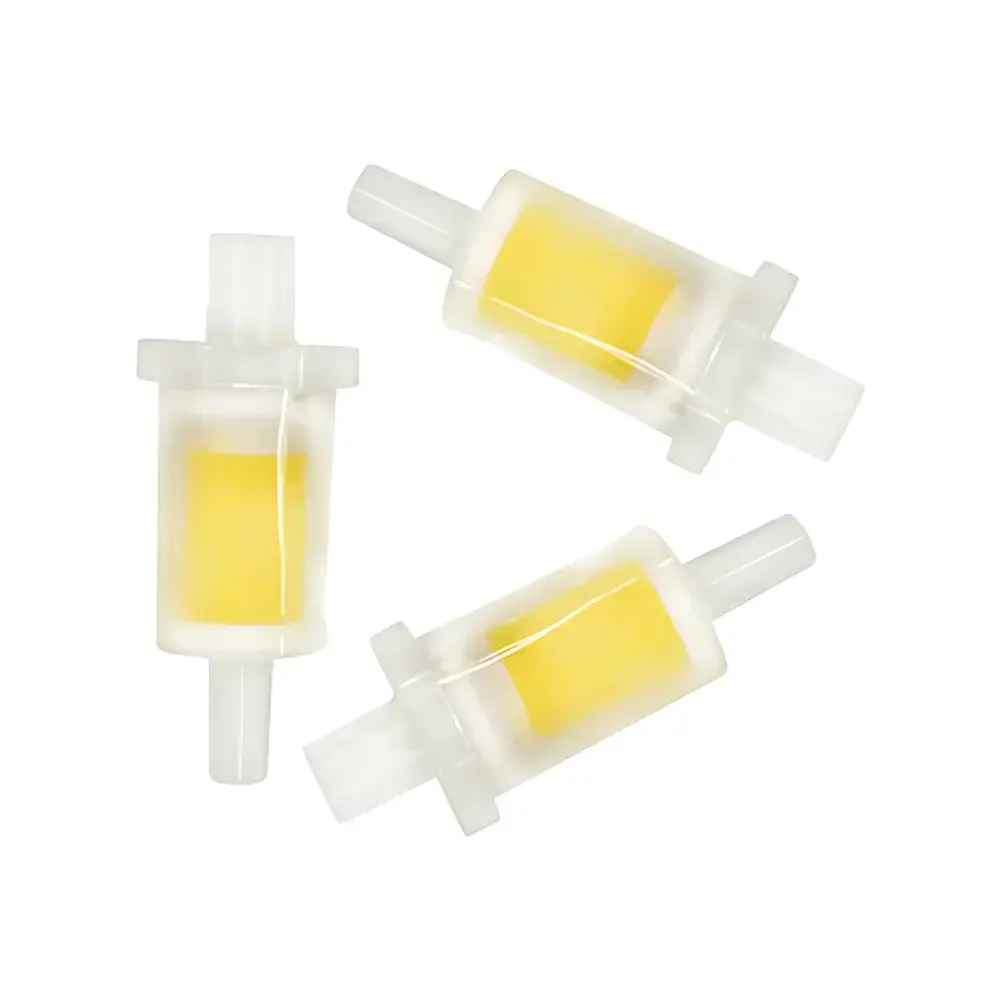
4Labplus DNPH Cartridge for Aldehyde and Ketone Sampling
| Brand | 4Labplus |
|---|---|
| Origin | Guangdong, China |
| Manufacturer Type | OEM/ODM Producer |
| Product Category | Domestic |
| Model | Aldehyde & Ketone Analysis Cartridge |
| Pricing | Available Upon Request |
Overview
The 4Labplus DNPH Cartridge for Aldehyde and Ketone Sampling is a precision-engineered solid-phase sampling device designed for the quantitative collection and derivatization of carbonyl compounds—including formaldehyde, acetaldehyde, acetone, propionaldehyde, crotonaldehyde, and other low-molecular-weight aldehydes and ketones—in ambient air, workplace atmospheres, and indoor environments. Based on the well-established 2,4-dinitrophenylhydrazine (DNPH) derivatization principle, the cartridge employs high-purity silica gel chemically coated with DNPH reagent under controlled acidic conditions. During sampling, gaseous carbonyls diffuse into the bed and react rapidly to form stable, chromophoric hydrazone derivatives. These derivatives remain immobilized on the sorbent until elution with acetonitrile—a step enabling subsequent quantification via high-performance liquid chromatography with UV-Vis detection (HPLC-UV) at 360 nm. This method is fully aligned with U.S. EPA Method TO-11A, ISO 16000-3, and ASTM D5197, providing trace-level sensitivity (sub-ppbv), high selectivity, and robustness in field-deployable monitoring workflows.
Key Features
- High-purity DNPH-coated silica gel sorbent with ultra-low background levels—validated per batch to ensure ≤0.009 µg/tube for acetaldehyde-DNPH and non-detectable levels for all other target carbonyl-DNPH derivatives;
- Rigorous quality control protocol including mandatory pre-release blank testing using HPLC-UV (acetonitrile elution, 5 mL final volume);
- Individual aluminum-foil sealed packaging for each cartridge to prevent ambient contamination, moisture ingress, and light-induced degradation;
- Optimized bed geometry and particle size distribution ensuring low pressure drop (<1.5 kPa at 500 mL/min), supporting extended-duration sampling at elevated flow rates without channeling or breakthrough;
- Demonstrated recovery performance across 12 regulated carbonyls: 87.1–100.7% mean recovery; crotonaldehyde recovery ≥70.2%; relative standard deviation (RSD) of replicate analyses: 0.8–5.5% (n = 6);
- Compatible with standard SKC, Apex, or Gilian personal and area-sampling pumps calibrated per ISO 13137.
Sample Compatibility & Compliance
The 4Labplus DNPH Cartridge is validated for use in both occupational hygiene and environmental air monitoring applications. It meets the chemical stability and derivatization efficiency requirements outlined in U.S. EPA Compendium Method TO-11A (Determination of Carbonyl Compounds in Ambient Air Using DNPH-Silica Cartridges and HPLC), ISO 16000-3:2019 (Indoor air — Part 3: Determination of formaldehyde and other carbonyls), and EN 13725:2003 (Air quality — Determination of odor concentration by dynamic olfactometry). Each production lot undergoes full analytical verification against reference standards traceable to NIST SRM 2781 (Carbonyl Mix in Acetonitrile), and certificate of analysis (CoA) includes batch-specific blank values, recovery data, and pressure-drop test results. The product supports GLP-compliant laboratory workflows and integrates seamlessly into QA/QC programs requiring documented chain-of-custody, calibration verification, and audit-ready reporting.
Software & Data Management
While the DNPH cartridge itself is a passive consumable, its integration into regulated analytical workflows relies on standardized instrument control and data handling protocols. When used with HPLC systems (e.g., Agilent 1260, Waters e2695), chromatographic data acquisition software (OpenLAB CDS, Empower 3) enables automated peak integration, calibration curve generation, and compliance with FDA 21 CFR Part 11 requirements—including electronic signatures, audit trails, and user-access controls. All validation reports, blank assessments, and recovery studies are structured to align with ISO/IEC 17025:2017 documentation expectations for accredited testing laboratories.
Applications
- Ambient air quality monitoring networks (urban, roadside, background stations);
- Indoor air quality assessment in schools, offices, hospitals, and residential buildings;
- Occupational exposure assessment in chemical manufacturing, paint formulation, resin production, and automotive refinishing facilities;
- Emissions testing from building materials, furniture, adhesives, and composite wood products per ASTM D6007 and ISO 12460-3;
- Method development and validation studies for emerging carbonyl species (e.g., glyoxal, methylglyoxal) under research-grade protocols.
FAQ
What is the recommended sampling flow rate and duration?
Standard operation uses 0.1–1.0 L/min for 15–480 minutes, depending on expected concentration and regulatory method requirements. Validation data were generated at 500 mL/min for 30 min.
Can the cartridge be reused after elution?
No. The 4Labplus DNPH Cartridge is a single-use, disposable device. Reuse compromises derivatization efficiency, increases blank contribution, and violates EPA TO-11A and ISO 16000-3 protocol integrity.
How should cartridges be stored before and after sampling?
Unopened cartridges must be refrigerated at 2–8 °C and protected from light. Post-sampling, samples should be sealed, chilled (≤4 °C), and analyzed within 14 days to prevent hydrazone hydrolysis or oxidation.
Is this cartridge compatible with thermal desorption–GC/MS workflows?
No. DNPH cartridges are specifically designed for liquid-phase derivatization and HPLC-UV analysis. Thermal desorption is incompatible due to thermal lability of hydrazone derivatives.
Does the product include a Certificate of Analysis (CoA)?
Yes. Each batch ships with a CoA listing lot-specific blank values, recovery data for 12 target carbonyls, pressure-drop test results, and compliance statements referencing TO-11A and ISO 16000-3.
Related Products







