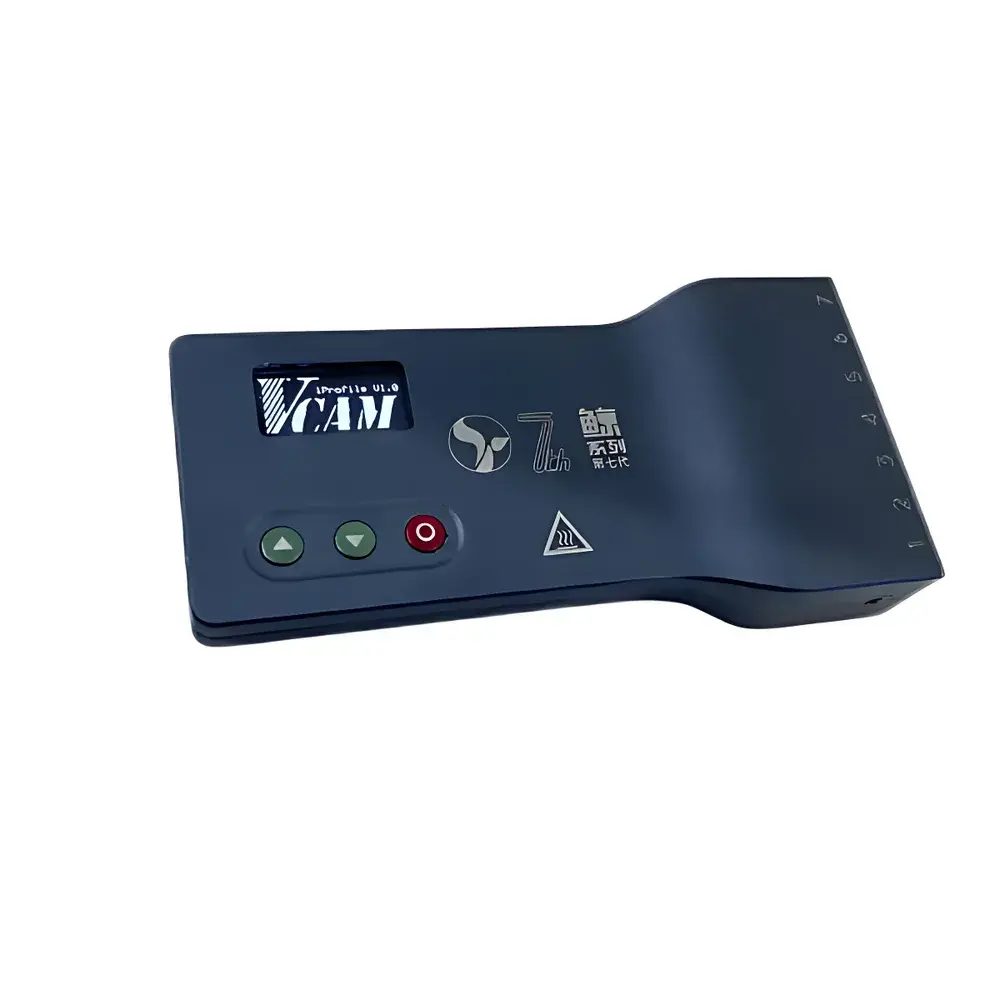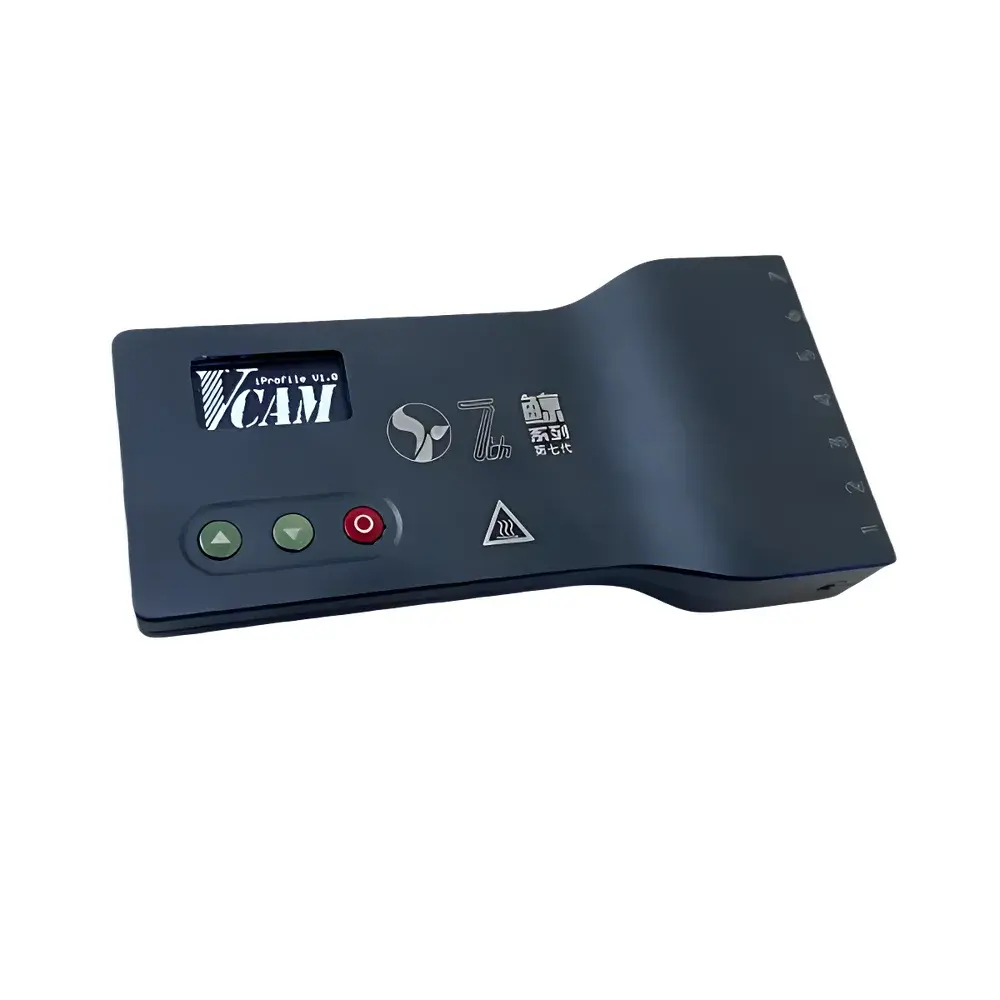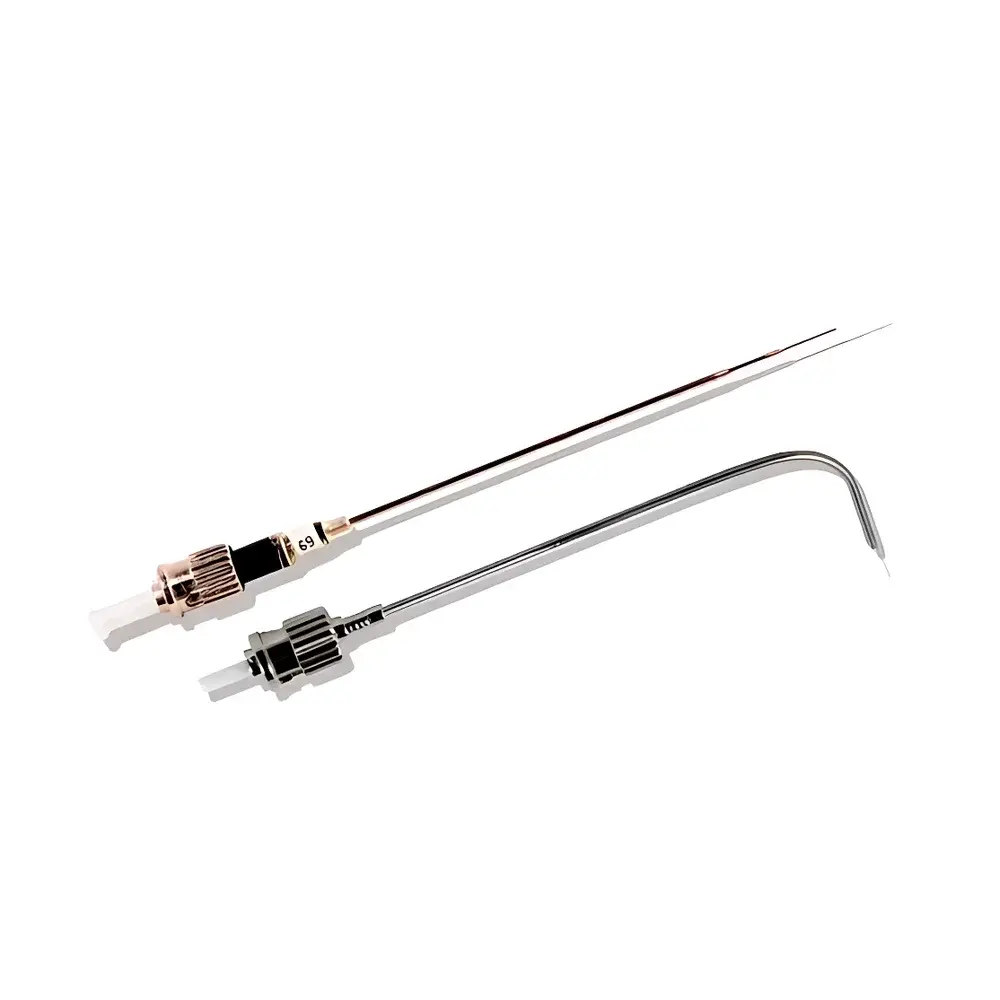
A2 Photonic Sensors B-POP Bubble Detection System
| Brand | A2 Photonic Sensors |
|---|---|
| Origin | France |
| Manufacturer Type | Authorized Distributor |
| Import Status | Imported |
| Model | B-POP |
| Price | USD 70,000 (FOB Europe) |
| Operating Pressure | Up to 10 bar |
| Operating Temperature | Up to 65 °C |
| Void Fraction Range | 0–100 % |
| Bubble Velocity Range | 0.1–25 m/s (field-upgradable) |
| Minimum Detectable Bubble Size | >500 µm |
| Accuracy | Void Fraction ±5 %, Velocity & Size ±15 % |
| Output Interface | USB 3.0, PCIe, ExpressCard |
| Probe Type | Single-point optical fiber probe |
| Optical Sensitivity | Refractive Index Contrast Detection |
| Fluid Compatibility | Opaque, High-Viscosity Liquids (e.g., slurries, polymer melts, crude oil emulsions) |
| Compliance | CE, RoHS, ISO 9001-certified manufacturing environment |
Overview
The A2 Photonic Sensors B-POP Bubble Detection System is a high-precision, single-point optical probe-based instrument engineered for real-time, localized characterization of gas–liquid two-phase flows. It operates on the principle of refractive index discontinuity detection: when a gas bubble traverses the active sensing zone at the tip of a miniature optical fiber probe, the abrupt change in local refractive index induces a transient reflection signal. The system captures this signal with nanosecond-scale temporal resolution, enabling simultaneous quantification of local void fraction (α), individual bubble velocity (v), and equivalent spherical bubble diameter (db). Unlike imaging-based methods (e.g., high-speed cameras or laser sheet tomography), the B-POP requires no optical access through vessel walls, making it uniquely suitable for pressurized, opaque, or highly scattering media—such as heavy fuel oils, fermentation broths, or cementitious suspensions—where conventional visualization fails. Its compact probe design (diameter <1 mm) ensures minimal flow disturbance and enables deployment in geometrically constrained environments including turbine nozzles, packed-bed reactors, and downhole drilling conduits.
Key Features
- Single-fiber optical probe with sub-millimeter active sensing zone for spatially resolved, point-wise measurement
- No requirement for optical transparency of the liquid phase—fully functional in turbid, pigmented, or particulate-laden fluids
- Robust mechanical architecture rated for continuous operation up to 10 bar pressure and 65 °C temperature
- High temporal resolution (≥100 MHz sampling) supporting accurate rise-time analysis for velocity derivation
- Real-time void fraction calculation with linear response across full 0–100 % range
- Field-upgradable firmware for extended velocity range (up to 25 m/s) and enhanced signal processing algorithms
- Minimal intrusion design validated for use in laminar, transitional, and turbulent flow regimes
- Integrated thermal and pressure compensation routines embedded in acquisition firmware
Sample Compatibility & Compliance
The B-POP system is compatible with a broad spectrum of industrial and laboratory two-phase systems, including but not limited to: hydrocarbon multiphase flows in oil & gas production; gas-sparged bioreactors; chemical synthesis under elevated pressure; hydraulic jump studies in open-channel hydraulics; and agricultural spray atomization. It complies with CE marking requirements for electromagnetic compatibility (EMC Directive 2014/30/EU) and low-voltage safety (LVD Directive 2014/35/EU). Manufacturing adheres to ISO 9001:2015 quality management standards within the Minatec cleanroom facility in Grenoble, France. While not intrinsically certified for hazardous areas (e.g., ATEX or IECEx), the probe may be integrated into explosion-proof housings per customer-specified engineering controls. Data integrity protocols support GLP/GMP-aligned workflows, including audit-trail-enabled software logging and raw binary data retention.
Software & Data Management
The B-POP Control Suite is a Windows-based application (Windows 10/11, 64-bit) providing synchronized multi-channel acquisition, real-time visualization, and post-processing analytics. It supports continuous streaming via USB 3.0, PCIe, or ExpressCard interfaces with zero-loss packet transmission. All raw voltage-time waveforms are preserved in HDF5 format, ensuring traceability and enabling third-party algorithm validation. Built-in modules compute time-averaged void fraction, bubble frequency distribution, chord-length histograms, and drift velocity profiles. Export options include CSV, MATLAB .mat, and ASCII formats. The software implements timestamp synchronization with external triggers (TTL input) and supports integration with LabVIEW, Python (via PyHDF), and MATLAB APIs for automated test-bench orchestration. Audit trail functionality records user actions, parameter changes, and calibration events—supporting FDA 21 CFR Part 11 compliance when deployed with appropriate system validation documentation.
Applications
- Turbine and nozzle aerodynamics in wind tunnel testing with water–air or steam–water mixtures
- Void fraction profiling in high-pressure chemical reactors (e.g., Fischer–Tropsch, hydrogenation)
- Bubble size and velocity mapping in wave flumes and stepped spillway hydraulics
- Gas holdup monitoring in offshore drilling mud circulation systems
- Droplet–bubble interaction analysis in agricultural spray nozzles and irrigation emitters
- Quality control of foamed polymers and pharmaceutical emulsions during continuous manufacturing
- Validation of CFD multiphase models (e.g., Euler–Euler or VOF simulations) with pointwise experimental benchmarks
FAQ
Can the B-POP probe measure bubbles smaller than 500 µm?
The standard configuration is optimized for bubbles ≥500 µm. Sub-500 µm detection is possible in low-noise, low-viscosity conditions but requires customized probe geometry and advanced signal deconvolution—contact technical support for feasibility assessment.
Is calibration required before each experiment?
Factory calibration is traceable to NIST-standard refractive index references. Field recalibration is not mandatory but recommended after mechanical shock, thermal cycling beyond specification, or when switching between vastly different fluid systems (e.g., from water to glycerol).
Does the system support synchronization with high-speed cameras or PIV systems?
Yes—via programmable TTL trigger output and hardware sync input, enabling time-correlated multimodal measurement with external optical diagnostics.
Can the probe be sterilized for biopharmaceutical applications?
The stainless-steel sheathed probe is autoclavable (121 °C, 2 bar, 20 min) and compatible with SIP/CIP protocols; however, optical connector integrity must be verified post-sterilization.
What is the maximum cable length between probe and controller?
Standard delivery includes 2 m armored fiber-optic cable. Custom lengths up to 10 m are available with signal integrity verification and optional active repeaters.