
A2PS B-POP Bubble Monitoring Probe
| Brand | A2PS / A2 Photonic Sensors |
|---|---|
| Origin | France |
| Manufacturer Type | Authorized Distributor |
| Product Origin | Imported |
| Model | B-POP |
| Pricing | Available Upon Request |
Overview
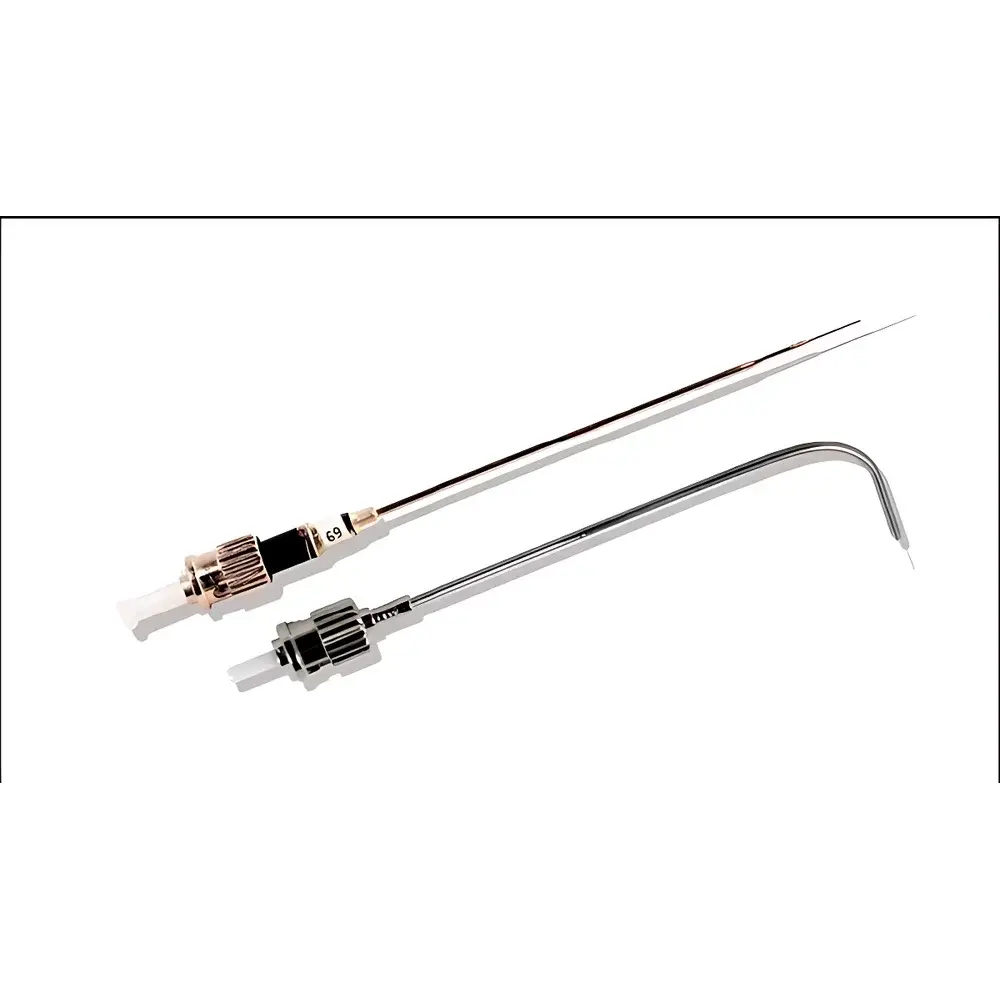
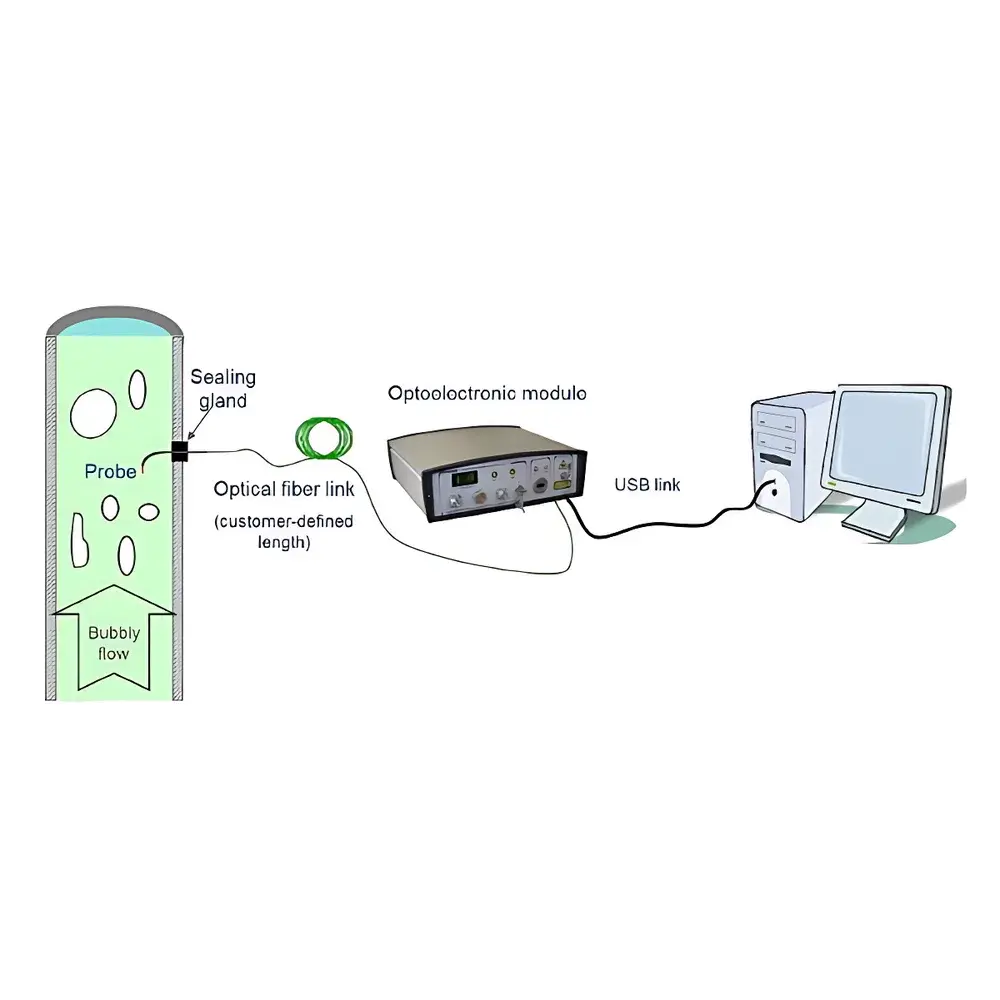
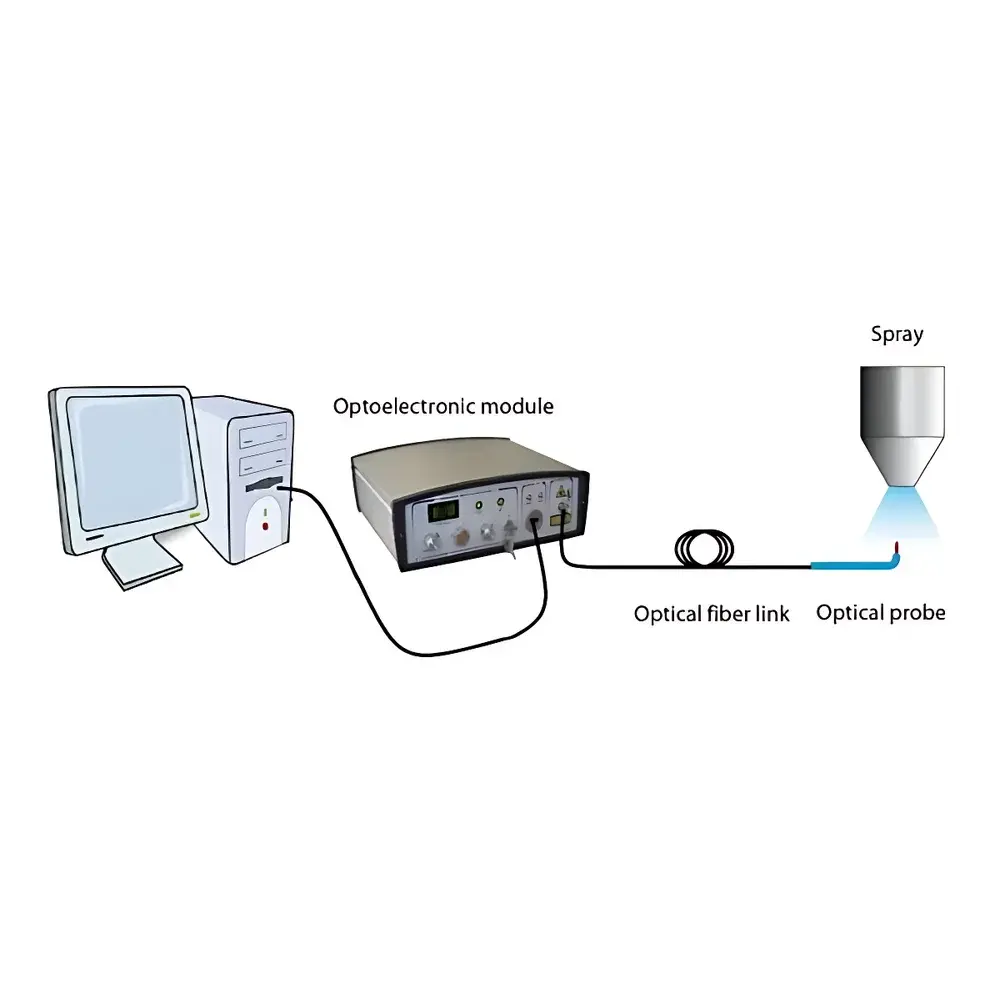
The A2PS B-POP Bubble Monitoring Probe is a high-performance, single-optical-fiber probe engineered for real-time, in-situ characterization of gas–liquid two-phase flows—particularly in bubbly flow regimes and spray environments. Based on over two decades of fundamental research in optical diagnostics of dispersed multiphase systems, the B-POP employs an internal back-reflection detection principle. Unlike conventional transmission- or side-scatter-based optical probes, this method does not require light propagation through the flowing medium; instead, it detects changes in reflected intensity at the fiber tip induced by bubble–fiber contact. As a result, measurement fidelity remains unaffected by liquid opacity, turbidity, or particulate loading—enabling robust operation in dense, opaque, or highly scattering fluids (e.g., slurries, polymer melts, or agitated reactor effluents). The probe operates across a wide velocity range (0.1–25 m/s, with optional firmware/hardware upgrades extending upper limits), and reliably resolves individual bubbles ≥500 µm in equivalent spherical diameter under representative industrial flow conditions.
Key Features
- Single-fiber optical architecture with integrated back-reflection sensing—no external alignment or optical windows required
- Immunity to fluid optical properties: fully functional in opaque, colored, or particle-laden liquids
- High temporal resolution: microsecond-level response time enables capture of rapid bubble dynamics and local velocity fluctuations
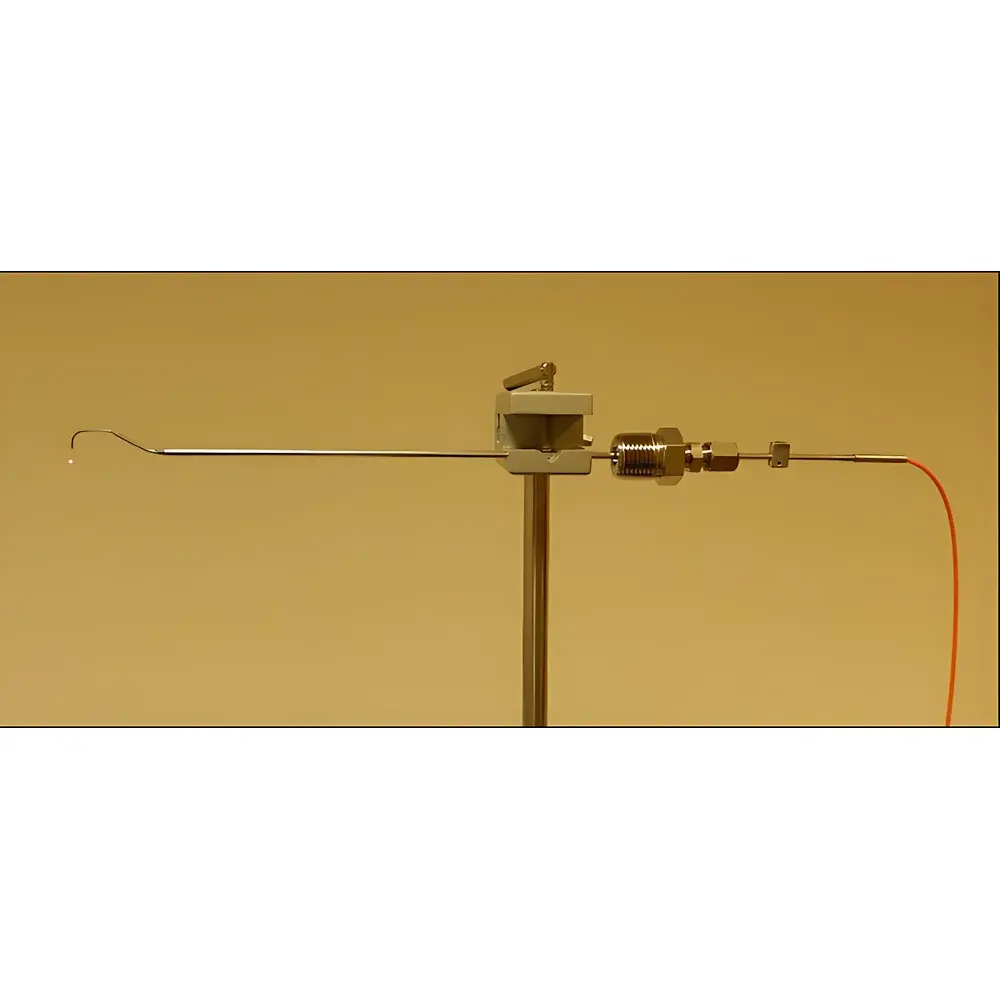
- Compact, ruggedized stainless-steel housing rated for high-pressure and elevated-temperature environments (standard configuration: up to 100 bar and 200 °C; custom variants available)
- Minimal intrusive footprint: probe tip diameter < 3 mm, enabling installation in narrow ducts, nozzles, or packed-bed reactors without significant flow disturbance
- Real-time output of three primary parameters: local void fraction (gas volume fraction), bubble chord length distribution, and bubble translational velocity
- Designed for continuous operation in harsh industrial settings—including corrosion-prone, vibration-intensive, or electrically noisy environments
Sample Compatibility & Compliance
The B-POP is validated for use with Newtonian and non-Newtonian liquids (including high-viscosity oils, aqueous suspensions, and molten polymers) across a broad range of gas phase compositions (air, N₂, CO₂, steam). Its optical principle imposes no intrinsic restriction on bubble shape assumptions beyond the post-processing requirement for spherical equivalence when deriving size distributions from chord lengths. The probe complies with IEC 60079-0 (Explosive Atmospheres – General Requirements) for intrinsically safe configurations and meets IP68 ingress protection standards. It supports integration into GLP- and GMP-regulated processes via optional audit-trail-enabled software modules compliant with FDA 21 CFR Part 11 requirements for electronic records and signatures.
Software & Data Management
Data acquisition and analysis are performed using A2PS’s proprietary B-POP Analysis Suite, a Windows-based application supporting real-time visualization, batch processing, and statistical post-processing. The software computes chord-length distributions, calculates local void fraction histograms, derives bubble velocity profiles via cross-correlation of sequential detection events, and reconstructs approximate bubble size distributions under spherical assumption. Export formats include CSV, HDF5, and MATLAB-compatible .mat files. API access (via TCP/IP or DLL interface) enables synchronization with third-party SCADA, DCS, or LabVIEW platforms. All raw timestamps, event triggers, and calibrated signal amplitudes are preserved for traceable reanalysis—critical for validation studies and regulatory submissions.
Applications
- Chemical reactor monitoring: quantifying gas holdup and bubble dynamics in stirred-tank and bubble-column reactors
- Oil & gas production: void fraction profiling in downhole multiphase flow meters and separator inlet streams
- Power generation: steam–water mixture characterization in nuclear and thermal plant feedwater systems
- Pharmaceutical manufacturing: real-time monitoring of gas dispersion during fermentation, crystallization, or lyophilization support systems
- Environmental engineering: air–water interaction studies in wastewater aeration basins and flue-gas desulfurization scrubbers
- Academic research: benchmarking CFD simulations of bubbly flow hydrodynamics and interfacial area transport models
FAQ
What is the minimum detectable bubble size?
The B-POP reliably detects bubbles with chord lengths ≥500 µm under standard calibration. Smaller features (e.g., droplets or fine bubbles <500 µm) require complementary instrumentation such as high-speed imaging or laser diffraction probes.
Can the probe be used in conductive or corrosive liquids?
Yes—the probe tip is constructed from chemically inert sapphire and housed in electropolished 316L stainless steel, making it compatible with aggressive media including HCl, NaOH, and seawater. Electrical isolation eliminates galvanic coupling risks.
Is temperature compensation built into the signal processing?
Yes—embedded PT100 sensors monitor tip temperature in real time, and the firmware applies dynamic gain and offset correction to maintain signal linearity across the full operational range (−20 °C to +200 °C).
How is calibration performed?
Factory calibration uses traceable glass bead standards and controlled air–water flow rigs. End-users may perform field verification using known-diameter wire gauges or certified bubble generators; no user-accessible optical recalibration is required.
Does the system support multi-probe synchronization?
Yes—up to 16 B-POP units can be daisy-chained via Ethernet with sub-microsecond timestamp alignment, enabling spatial mapping of void fraction gradients and bubble trajectory reconstruction.



