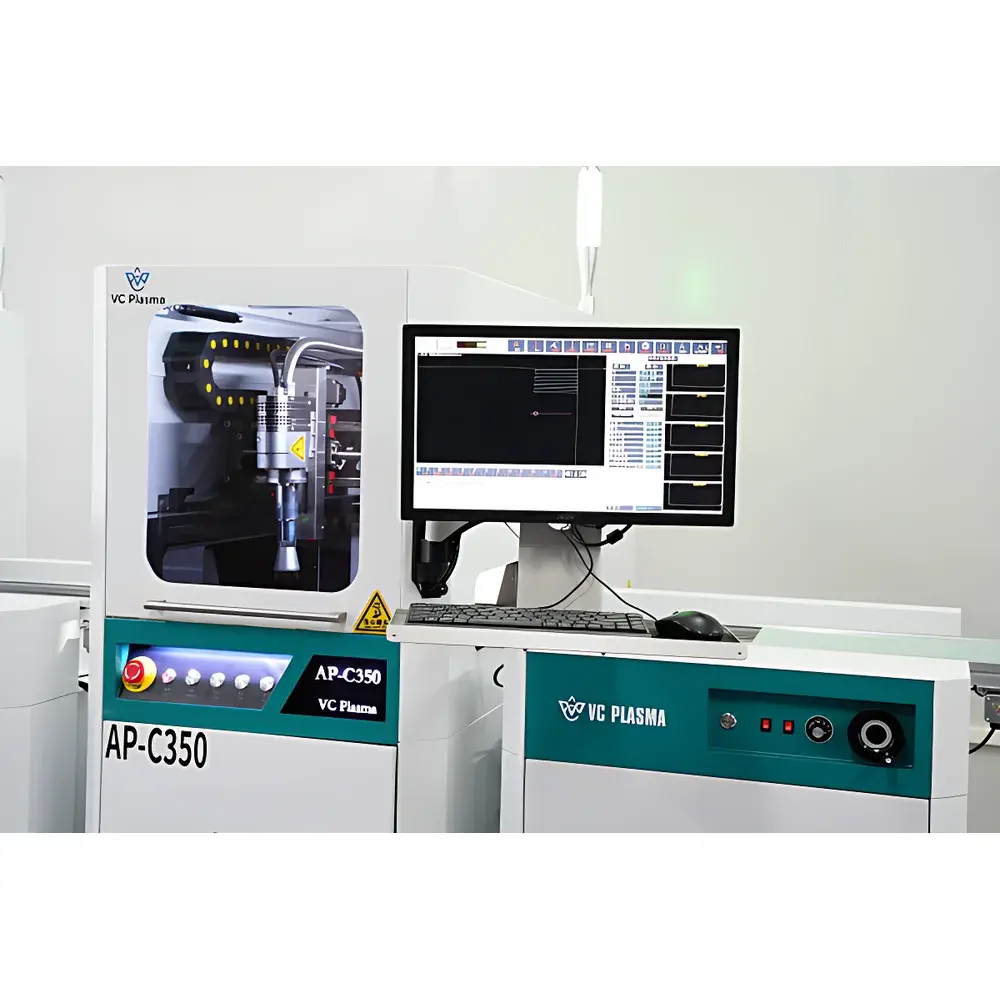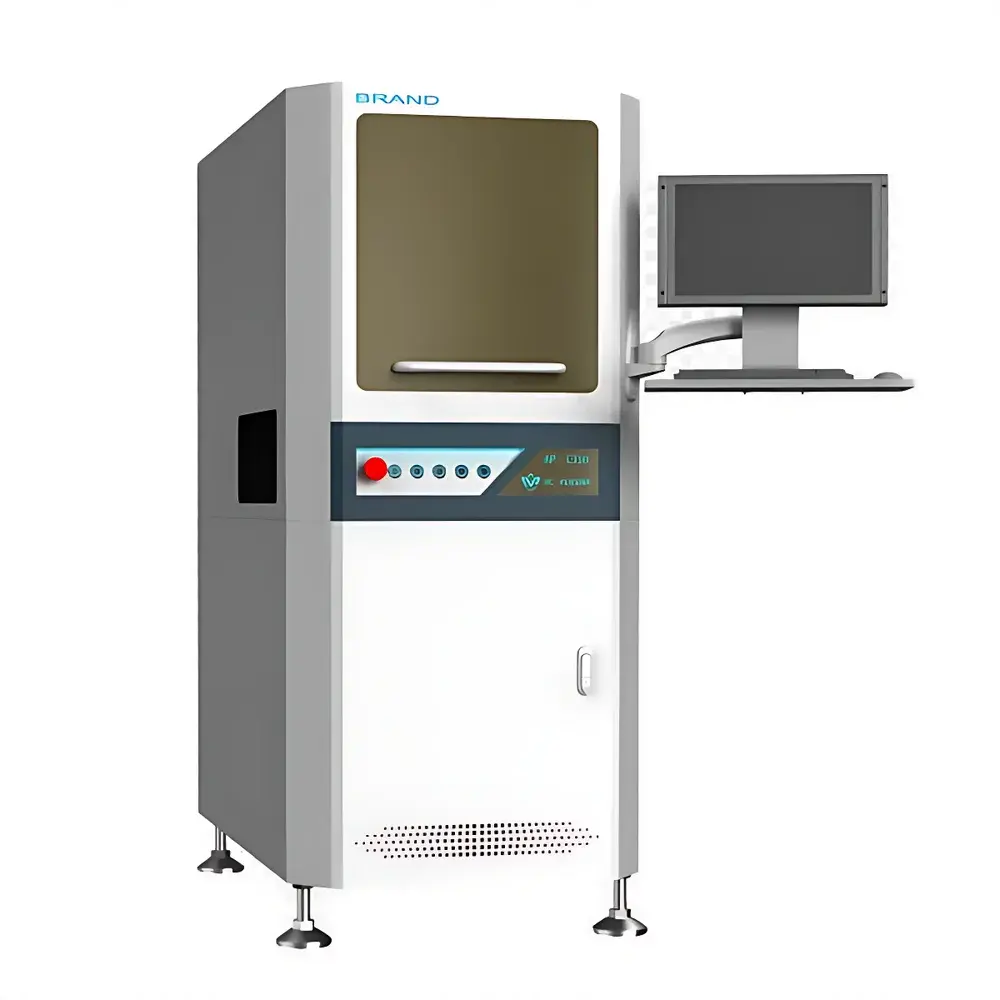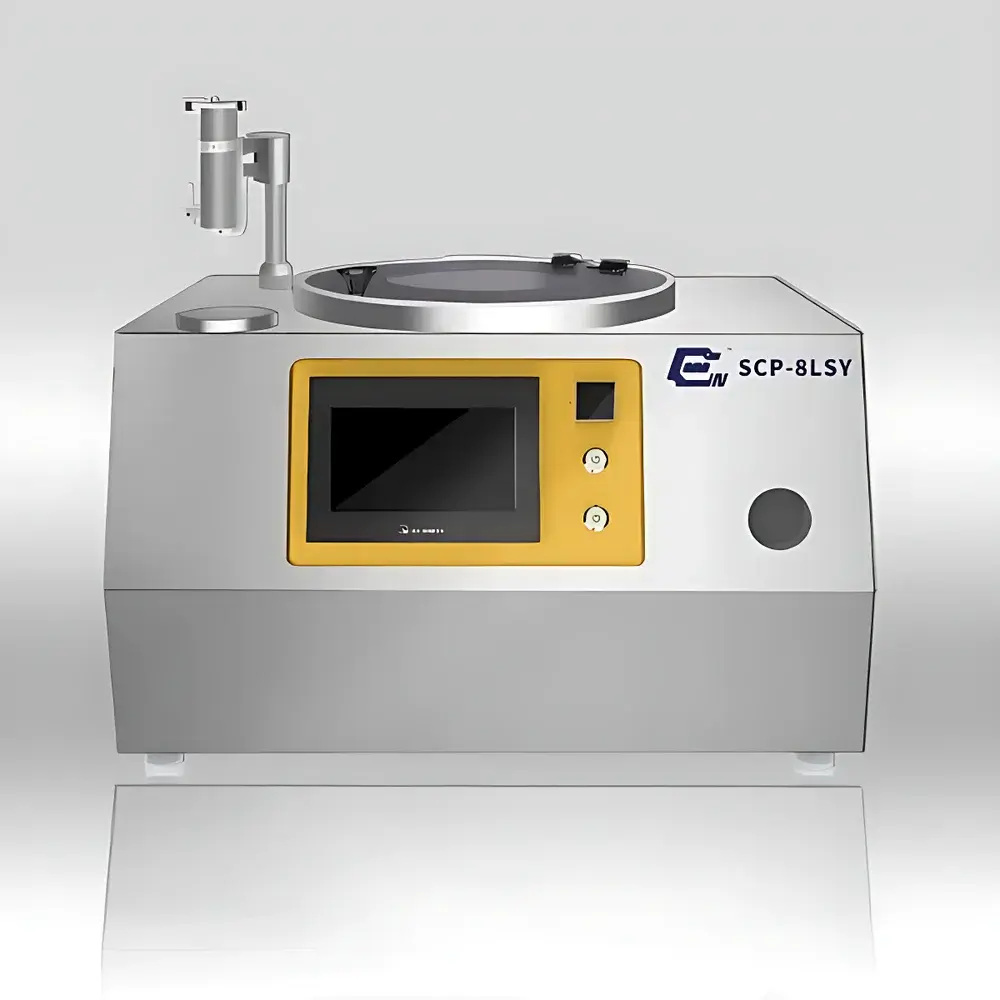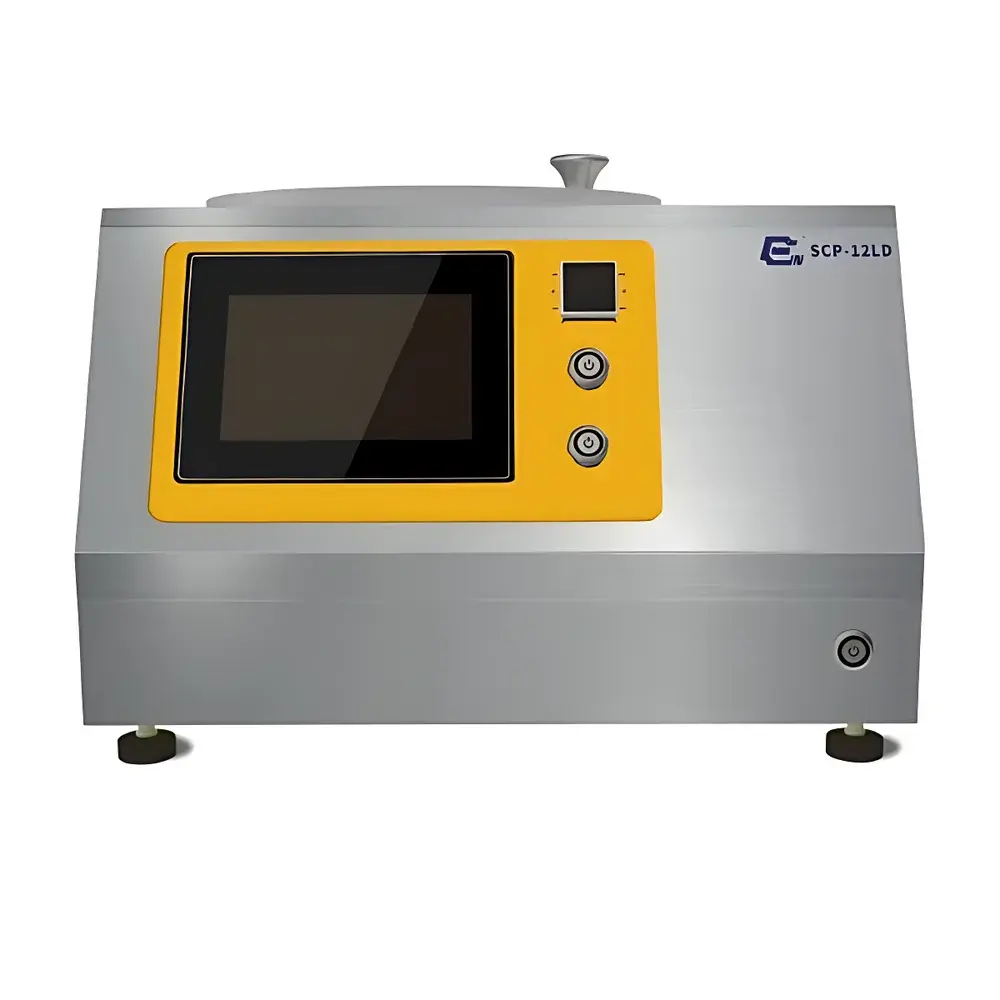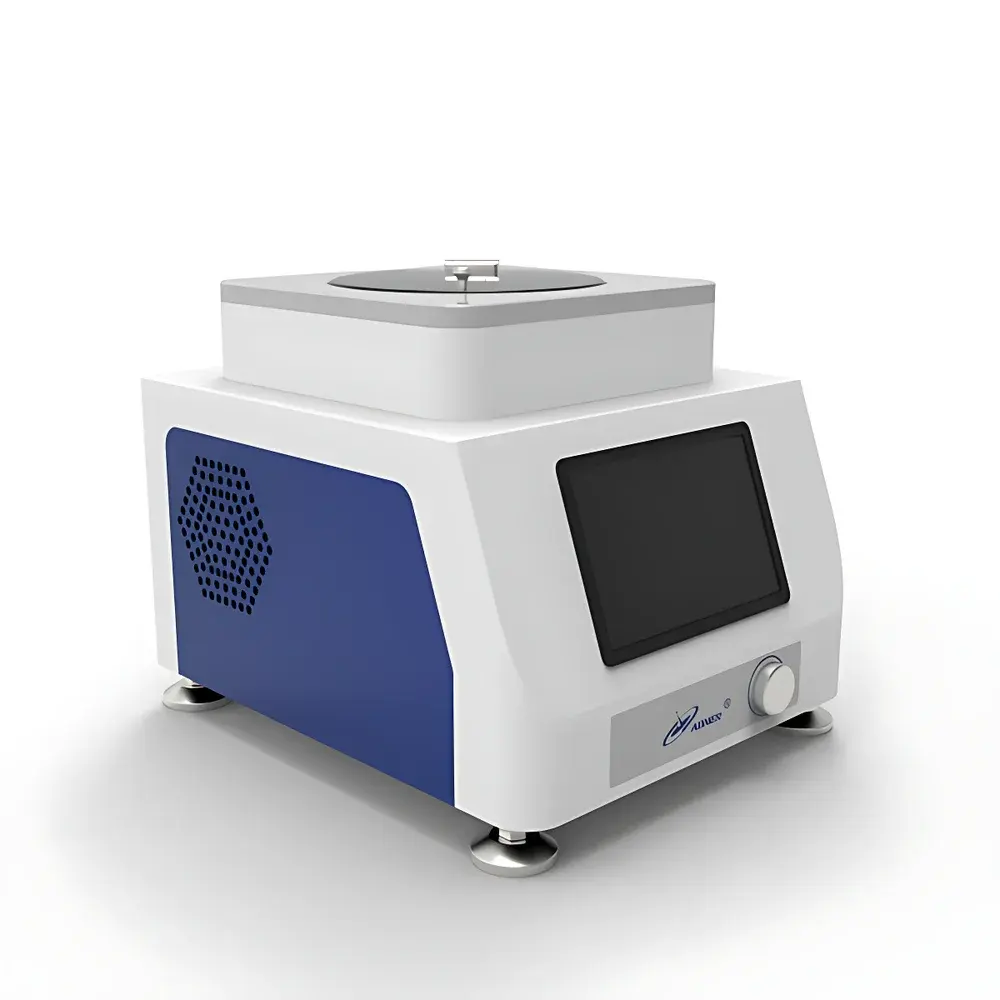
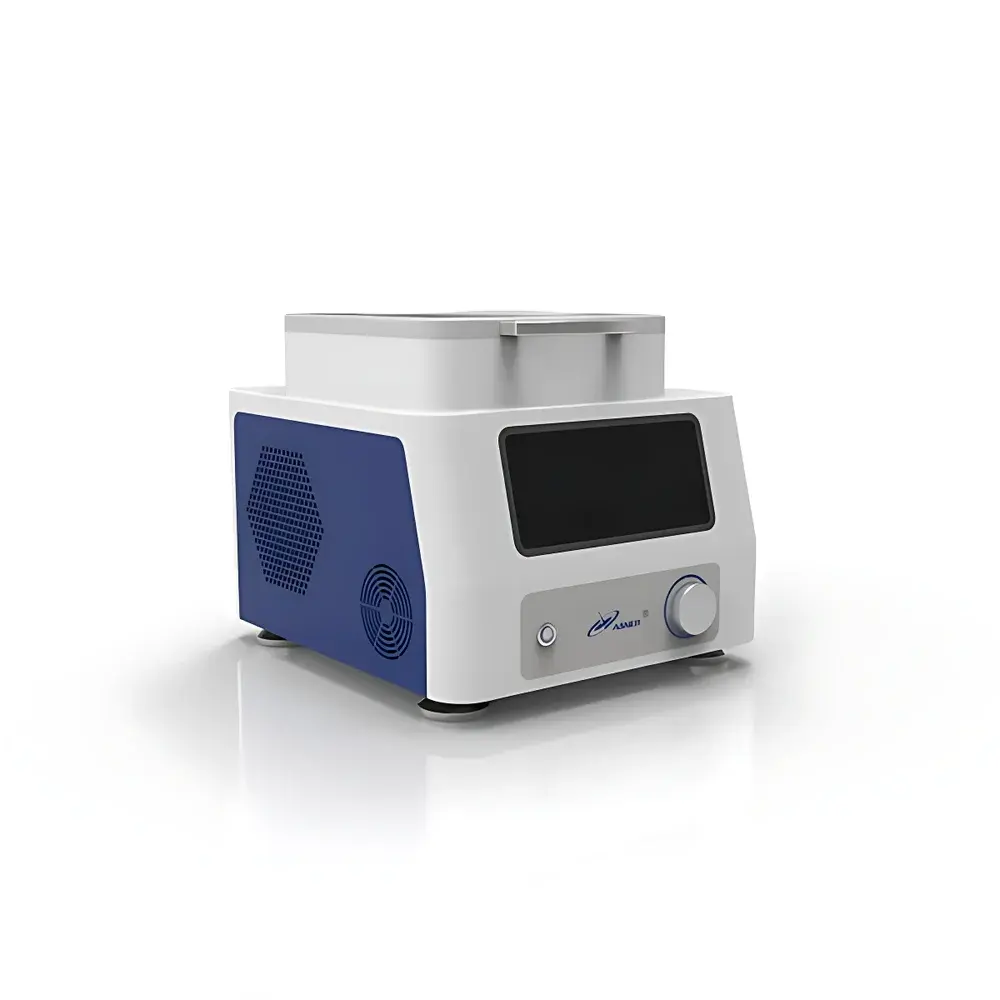
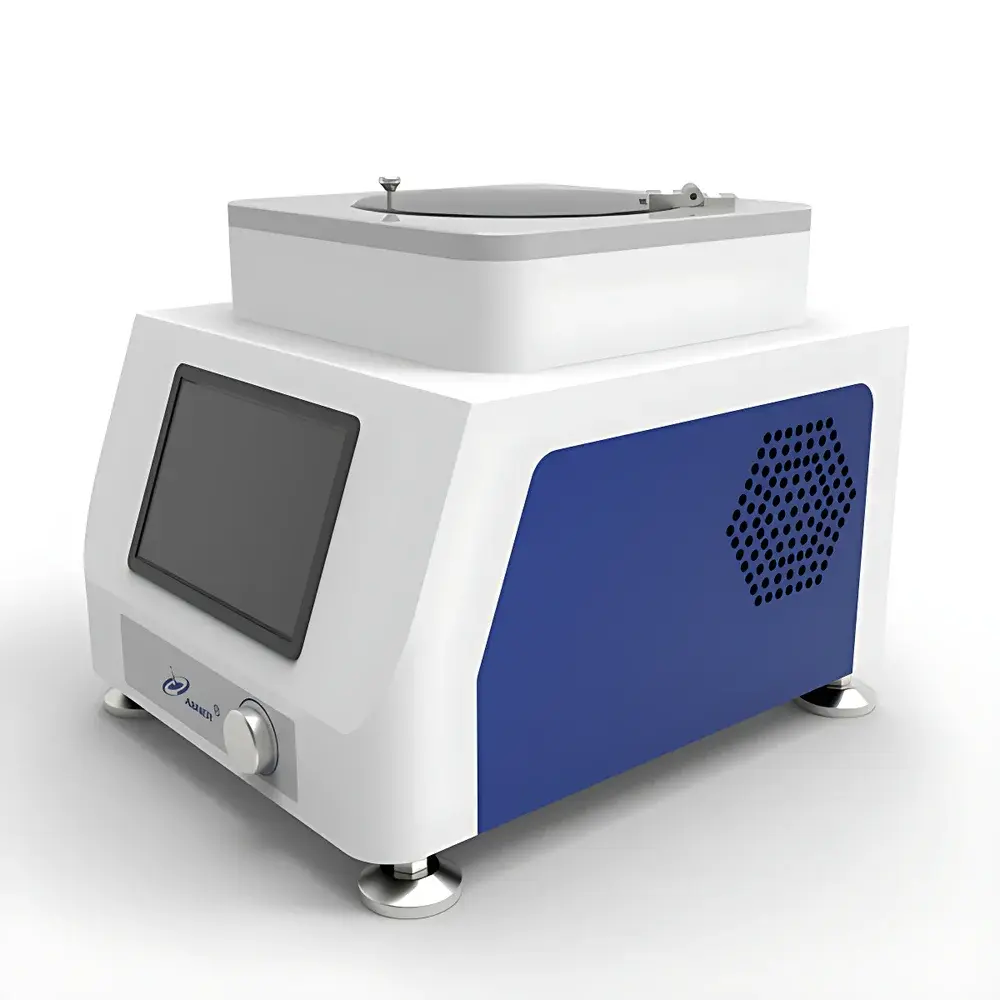
Abner ABN-COA-001 Micro/Nano Spin Coater
| Brand | Abner |
|---|---|
| Origin | Jiangsu, China |
| Model | ABN-COA-001 |
| Rotation Accuracy | ±1 RPM |
| Max Adjustable Acceleration | 500–3000 RPM/s |
| Speed Range | 500–8000 RPM |
| Time Setting | 1–999 s |
| Max Substrate Size | 400 mm × 400 mm (customizable) |
| Power Supply | 220 V ±10%, 50/60 Hz |
| Power Consumption | ~100 W |
| Dimensions | 300 mm × 300 mm × 200 mm |
| Weight | ~10 kg |
| Vacuum Chuck | Standard |
| Liquid Dispense Control | Microliter-scale precision (µL-level) |
Overview
The Abner ABN-COA-001 Micro/Nano Spin Coater is a precision-engineered benchtop instrument designed for controlled thin-film deposition via centrifugal force-driven solvent evaporation. Operating on the principle of spin coating—a widely adopted technique in semiconductor processing, nanomaterials research, and microfabrication—the system delivers reproducible, uniform films by rotating substrates at precisely regulated speeds while dispensing metered volumes of liquid precursors (e.g., photoresists, polymer solutions, sol-gel formulations, or 2D material dispersions). Its core architecture integrates high-stability motor control, programmable multi-stage acceleration/deceleration profiles, and vacuum-based substrate immobilization to minimize runout and edge effects. The ABN-COA-001 is engineered for applications demanding sub-micrometer thickness control, high inter-run repeatability, and compatibility with diverse substrate geometries—from standard wafers and glass slides to non-planar or flexible samples—making it suitable for both R&D laboratories and pilot-line process development.
Key Features
- Precision speed control across 500–8000 RPM with ±1 RPM stability, enabling accurate correlation between rotational velocity and final film thickness per established empirical models (e.g., Meyerhofer and Emslie equations).
- Programmable acceleration ramping (500–3000 RPM/s), critical for minimizing droplet splashing during initial spread phase and ensuring uniform radial flow before solvent evaporation dominates.
- Digital time resolution from 1 to 999 seconds per stage, supporting complex multi-step protocols including low-speed spreading (5–20 s) followed by high-speed drying (30–60 s).
- Vacuum chuck system with adjustable suction pressure ensures rigid fixation of substrates up to 400 mm × 400 mm, mitigating vibration-induced thickness variation and enabling use with brittle or warped wafers.
- Modular chamber design facilitates rapid cleaning and contamination control—essential for cleanroom-compatible operation and cross-material process segregation.
- Low power consumption (~100 W) and compact footprint (300 × 300 × 200 mm) allow integration into fume hoods, gloveboxes, or shared lab benches without dedicated utility infrastructure.
Sample Compatibility & Compliance
The ABN-COA-001 accommodates rigid and semi-flexible substrates—including silicon wafers (up to 8-inch equivalent area), fused silica, quartz, ITO/glass slides, PDMS stamps, and metal foils—via customizable chuck inserts and clamping options. It supports aqueous and organic solvent-based formulations with viscosities ranging from 1000 cP (e.g., PMMA in anisole or chitosan solutions). While not certified to ISO 14644 cleanroom classes out-of-the-box, its sealed motor housing and non-shedding chamber materials meet baseline requirements for Class 1000 (ISO 6) environments when operated with appropriate exhaust filtration. For regulated environments, users may configure optional HEPA-filtered exhaust ducting and integrate the unit into facility-wide monitoring systems compliant with ISO 9001 quality management frameworks.
Software & Data Management
The device operates via front-panel keypad interface with non-volatile memory storing up to 20 user-defined process recipes. Each recipe includes independent settings for speed, acceleration, dwell time, and sequence logic (e.g., two-stage spin: 1000 RPM for 10 s → ramp to 6000 RPM over 2 s → hold for 45 s). All parameter changes are logged with timestamp and operator ID (if networked via optional RS-232/USB interface), supporting audit trails aligned with GLP documentation practices. Though no proprietary software suite is bundled, ASCII-formatted log exports enable direct import into LIMS platforms or statistical process control (SPC) tools. Firmware updates are performed via USB drive, ensuring long-term maintainability without dependency on cloud services.
Applications
- Semiconductor fabrication: Photoresist coating for lithographic patterning (compatible with g-, i-, and deep-UV resists), dielectric layer deposition (e.g., SiO₂ sol-gel), and passivation film application.
- 2D materials science: Uniform polymer support layers (e.g., PMMA) for graphene/MoS₂ transfer; sacrificial layers for lift-off processes; and functional coatings for heterostructure assembly.
- MEMS/NEMS manufacturing: Conformal deposition of SU-8, polyimide, or Parylene precursors for structural, insulating, or sacrificial layers.
- Optoelectronics: Antireflection coatings, perovskite precursor films for solar cells, and luminescent polymer layers for OLED test structures.
- Biosensing & medical devices: Immobilization of biorecognition elements (e.g., antibodies, DNA) onto functionalized surfaces; hydrogel thin films for cell culture interfaces.
- Advanced materials R&D: Sol-gel-derived oxide films (TiO₂, ZnO), conductive polymer blends (PEDOT:PSS), and nanocomposite suspensions requiring controlled shear history.
FAQ
What substrate sizes does the ABN-COA-001 support?
Standard configuration accommodates substrates up to 400 mm × 400 mm; custom chucks are available for round wafers (up to 200 mm diameter) and irregular shapes.
Is the system compatible with corrosive or high-boiling-point solvents?
Yes—chamber components are constructed from anodized aluminum and chemically resistant elastomers; however, prolonged exposure to strong acids or halogenated solvents requires post-process chamber rinsing per maintenance guidelines.
Can multiple spin steps be programmed within a single run?
Yes—up to two sequential stages with independent speed, time, and acceleration parameters can be defined per recipe.
Does the unit meet FDA 21 CFR Part 11 requirements?
Out-of-the-box, it lacks electronic signature capability and full audit trail encryption; however, its logging architecture supports integration with third-party validation packages for regulated pharmaceutical or diagnostic applications.
What maintenance intervals are recommended?
Vacuum pump oil replacement every 6 months (if equipped with external pump); chuck surface inspection and cleaning after each solvent class change; motor calibration verification annually using traceable tachometer standards.