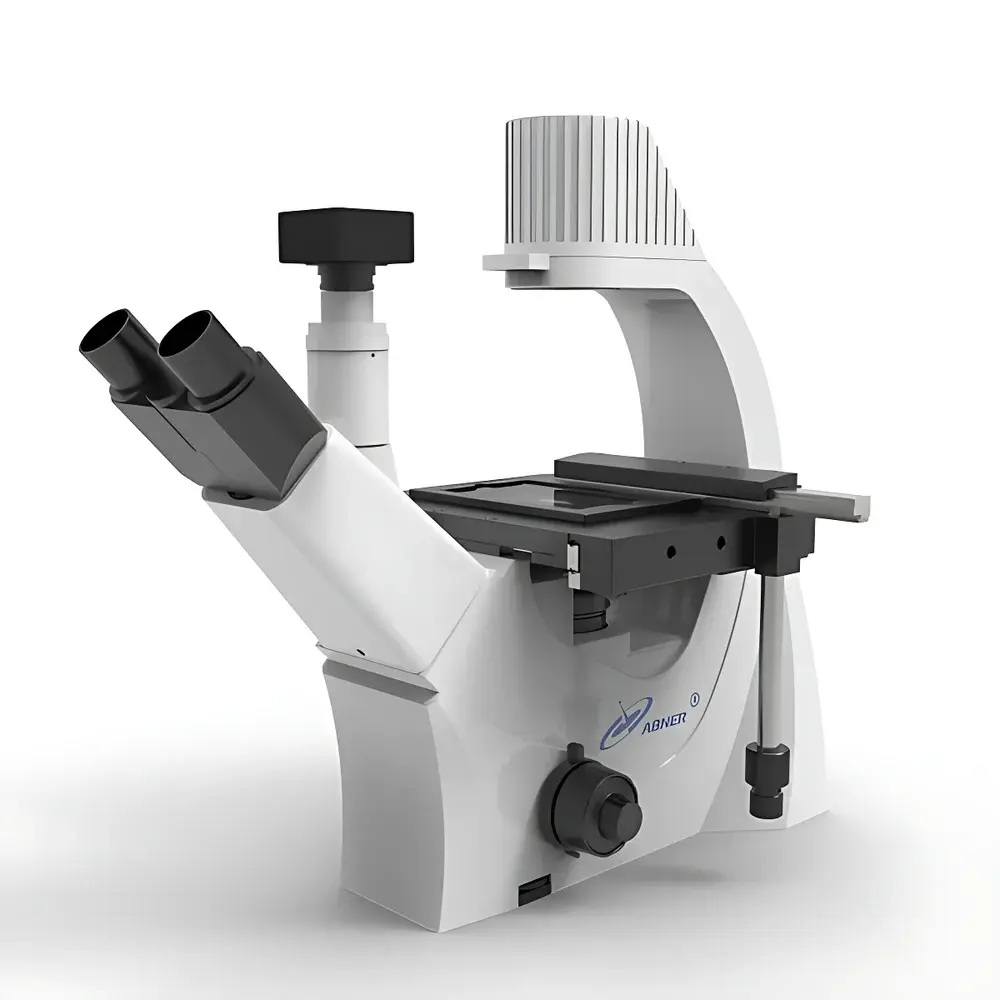
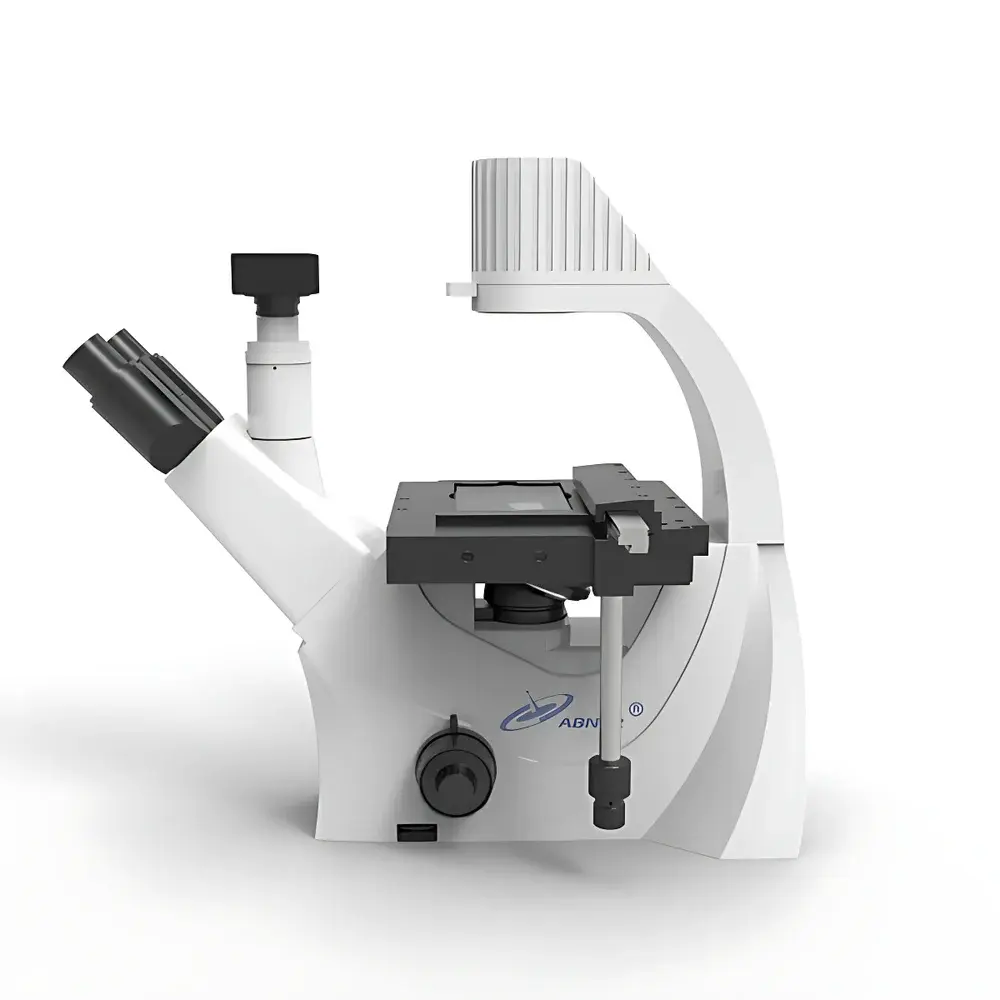
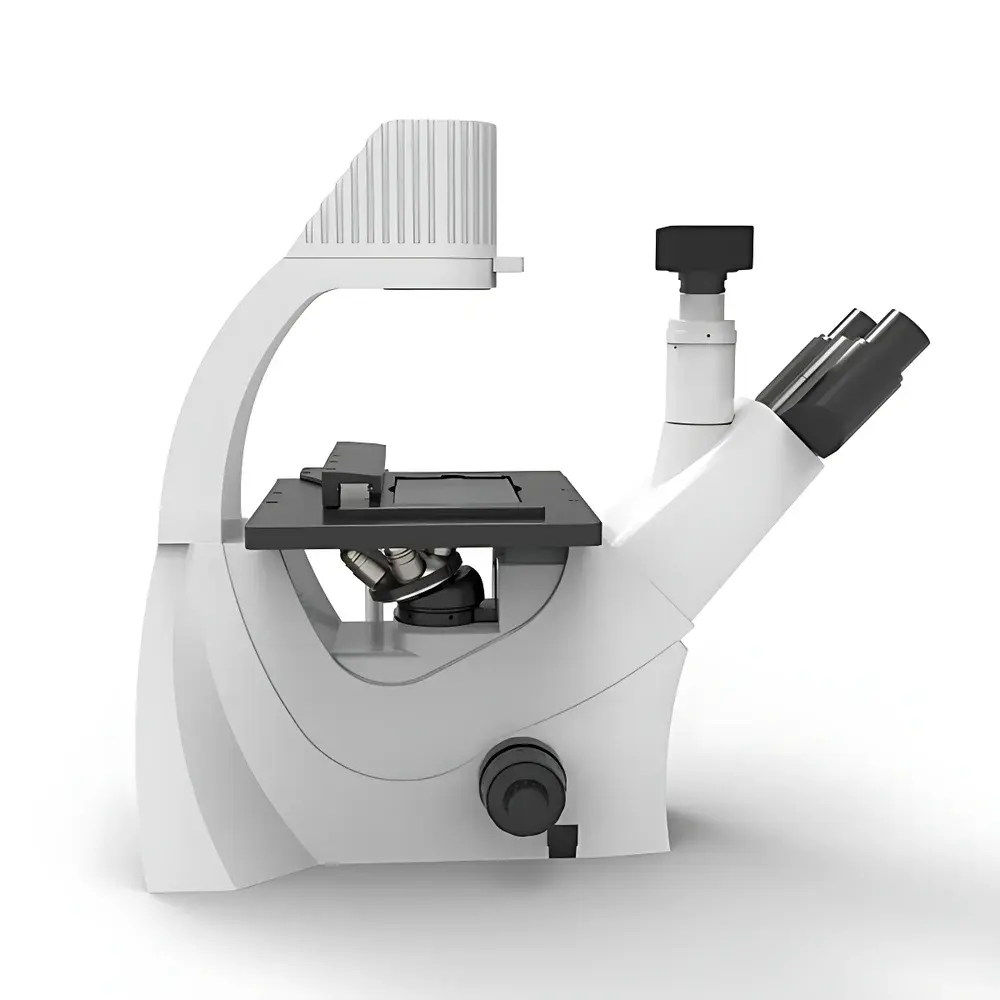
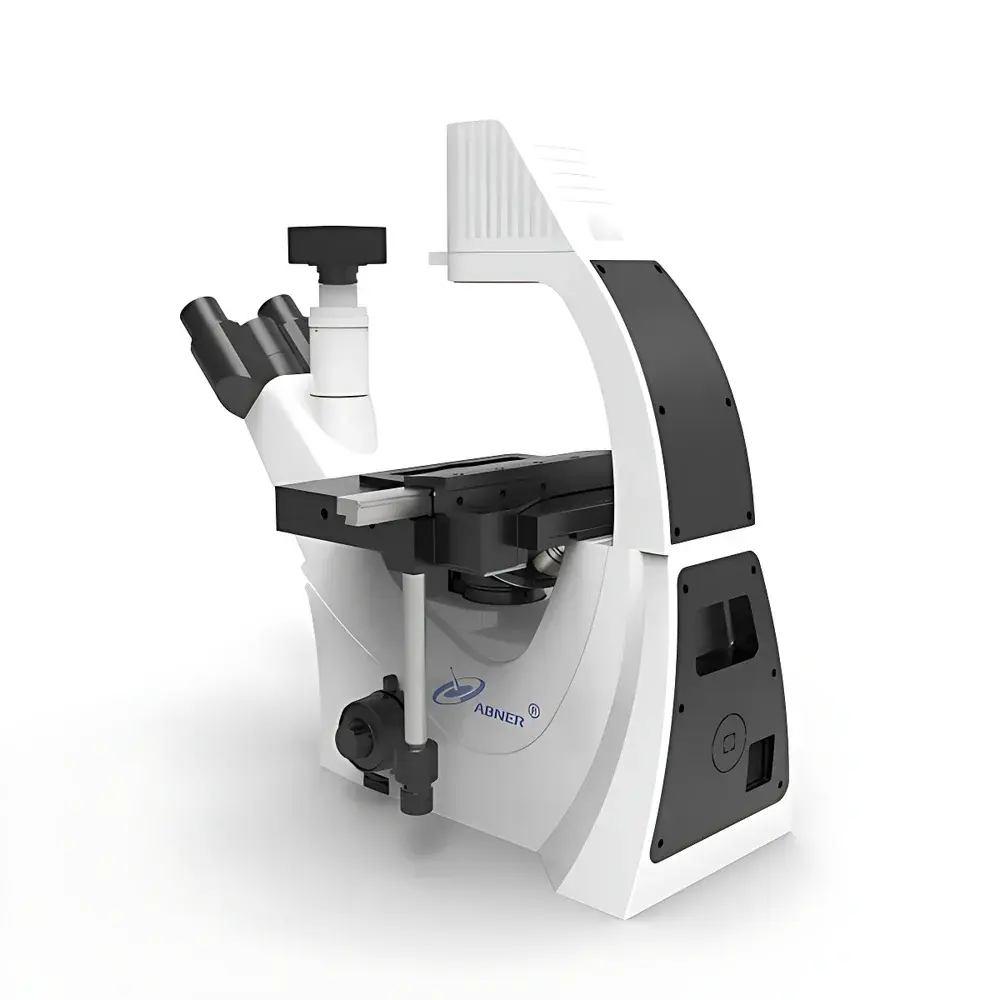
Abner ABN IM-F2024 Inverted Biological Microscope
| Brand | Abner |
|---|---|
| Origin | Jiangsu, China |
| Manufacturer Type | Authorized Distributor |
| Product Category | Domestic |
| Model | ABN IM-F2024 |
| Price | USD 2,500 (FOB) |
| Instrument Type | Inverted Microscope |
| Eyepiece Configuration | Binocular |
Overview
The Abner ABN IM-F2024 Inverted Biological Microscope is an optically engineered instrument designed for non-invasive, long-term observation of living biological specimens under native culture conditions. Its inverted optical architecture—featuring objective lenses positioned beneath the specimen stage and illumination/imaging optics above—enables direct visualization of cells and tissues in standard labware including Petri dishes, T-flasks, multi-well plates, and chambered coverglasses. This configuration eliminates the need for sample transfer or inversion, thereby minimizing mechanical stress, contamination risk, and environmental perturbation to cultured cells. The system operates on conventional brightfield and phase contrast optical principles, delivering high-fidelity contrast and resolution suitable for routine morphological assessment, confluence monitoring, and dynamic cellular behavior tracking over extended timeframes. It serves as a foundational platform in academic teaching laboratories, pharmaceutical QC workflows, and preclinical life science research environments where reproducibility, ergonomic usability, and compatibility with ambient incubator integration are critical.
Key Features
- Inverted optical design with fixed-stage geometry: Objective turret mounted below the mechanical stage ensures unobstructed access to culture vessels and facilitates stable positioning within CO₂ incubators or environmental chambers.
- Binocular viewing head with 10× wide-field eyepieces (WF10×/22 mm field number), adjustable interpupillary distance and diopter compensation for operator comfort during prolonged use.
- Four-position revolving nosepiece accommodating standard RMS-threaded objectives (4×, 10×, 20×, 40×), optimized for phase contrast and brightfield imaging with parfocal and parcentric alignment.
- High-transmission Köhler-illuminated LED light source (6 V / 30 W equivalent, 5,000 K color temperature), offering flicker-free, thermally stable illumination with intensity control via rotary dial.
- Coaxial coarse/fine focusing mechanism with 2 mm coarse travel and 0.002 mm fine increment resolution, equipped with tension adjustment and upper-limit stop to prevent objective collision.
- Large rectangular mechanical stage (160 × 140 mm) with low-profile X-Y translation (75 × 50 mm range), compatible with universal culture dish holders and motorized stage adapters (optional).
Sample Compatibility & Compliance
The ABN IM-F2024 accommodates standard ANSI/ISO-compliant plastic and glass-bottom culture vessels—including 35 mm dishes, 6–96-well plates, and T-25/T-75 flasks—without requiring custom mounting hardware. Its open-stage architecture allows seamless integration with stage-top incubators (e.g., Tokai Hit INU series) and environmental control units for live-cell imaging at physiological temperatures and gas concentrations. While not certified for GMP or ISO 13485 manufacturing environments, the microscope conforms to IEC 61000-6-3 (EMC emissions) and IEC 61000-6-2 (immunity) standards. All optical components meet ISO 10110 surface quality specifications; mechanical assemblies comply with ISO 2768-mK general tolerances. Documentation includes CE marking declaration, RoHS compliance statement, and traceable calibration records for focus scale and stage movement.
Software & Data Management
The microscope supports third-party digital imaging via C-mount (1×, 23.2 mm) and USB-C interface-ready camera adapters. Compatible with industry-standard acquisition software—including NIS-Elements (Nikon), ZEN Blue (Zeiss), and open-source platforms such as Micro-Manager 2.0—enabling time-lapse capture, Z-stack acquisition, and basic morphometric analysis. Firmware-level exposure control, white balance presets, and gain adjustment are accessible through external camera drivers. Audit trail functionality (user login, timestamped image metadata, parameter logging) is implemented at the host software layer when paired with FDA 21 CFR Part 11–compliant systems. Raw TIFF and JPEG output formats ensure interoperability with ImageJ/Fiji, CellProfiler, and commercial LIMS platforms.
Applications
- Cell culture monitoring: Real-time assessment of confluency, attachment efficiency, and morphological changes in adherent lines (e.g., HeLa, NIH/3T3) and suspension cultures (e.g., Jurkat, primary PBMCs).
- Drug discovery workflows: Qualitative cytotoxicity screening using brightfield-based viability scoring (e.g., rounding, detachment, vacuolization) across compound libraries in 96-well format.
- Stem cell and organoid research: Phase contrast imaging of embryoid body formation, neural rosette development, and epithelial polarization without fluorescent labeling.
- Teaching laboratory instruction: Standardized protocols for mitosis staging, bacterial colony morphology, and protozoan motility analysis aligned with AP Biology and undergraduate cell biology curricula.
- Pre-validation assays: Supporting GLP-aligned assay development for biologics production, where visual inspection of host cell line integrity precedes analytical testing.
FAQ
Is the ABN IM-F2024 compatible with fluorescence imaging?
No—this base model lacks excitation filter cubes, dichroic mirrors, or fluorescence-capable objectives. Fluorescence capability requires retrofitting with an epi-illumination module and matched objectives (sold separately).
Can it be used inside a CO₂ incubator?
Yes—the compact footprint and absence of top-mounted electronics allow placement on incubator shelves; optional stage-top environmental control units provide precise regulation of temperature, humidity, and gas composition.
What is the maximum working distance for objective lenses?
The standard 4× objective provides 30 mm working distance; the 10× phase objective offers 10.5 mm, enabling imaging through 1.5 mm-thick vessel bottoms.
Does it support motorized focus or stage automation?
Not natively—but the mechanical stage and focus knobs feature standardized threading and encoder-ready mounting points for aftermarket stepper motor integration (e.g., Prior Scientific ProScan III).
Are replacement parts and service support available internationally?
Abner provides global distributor networks with 24-month limited warranty coverage; optical components carry lifetime defect warranty, and technical documentation is available in English via secure portal access.
Related Products