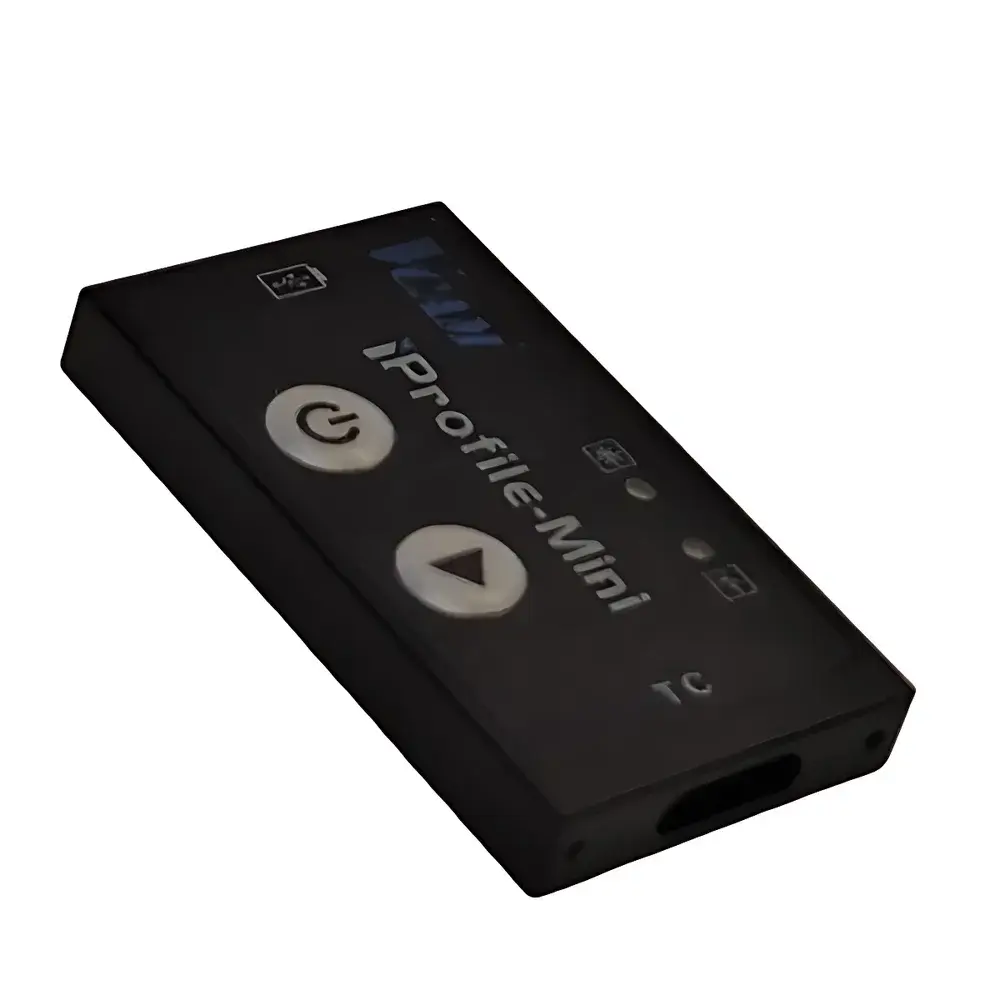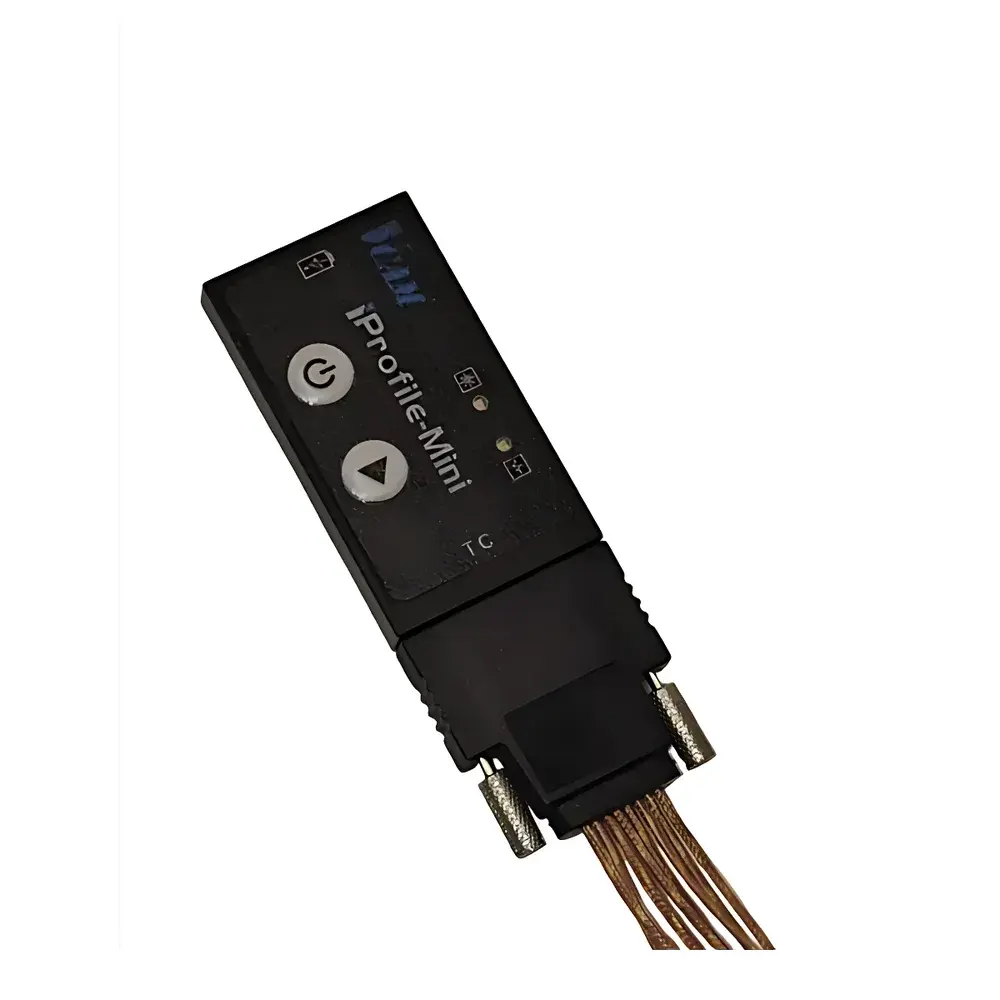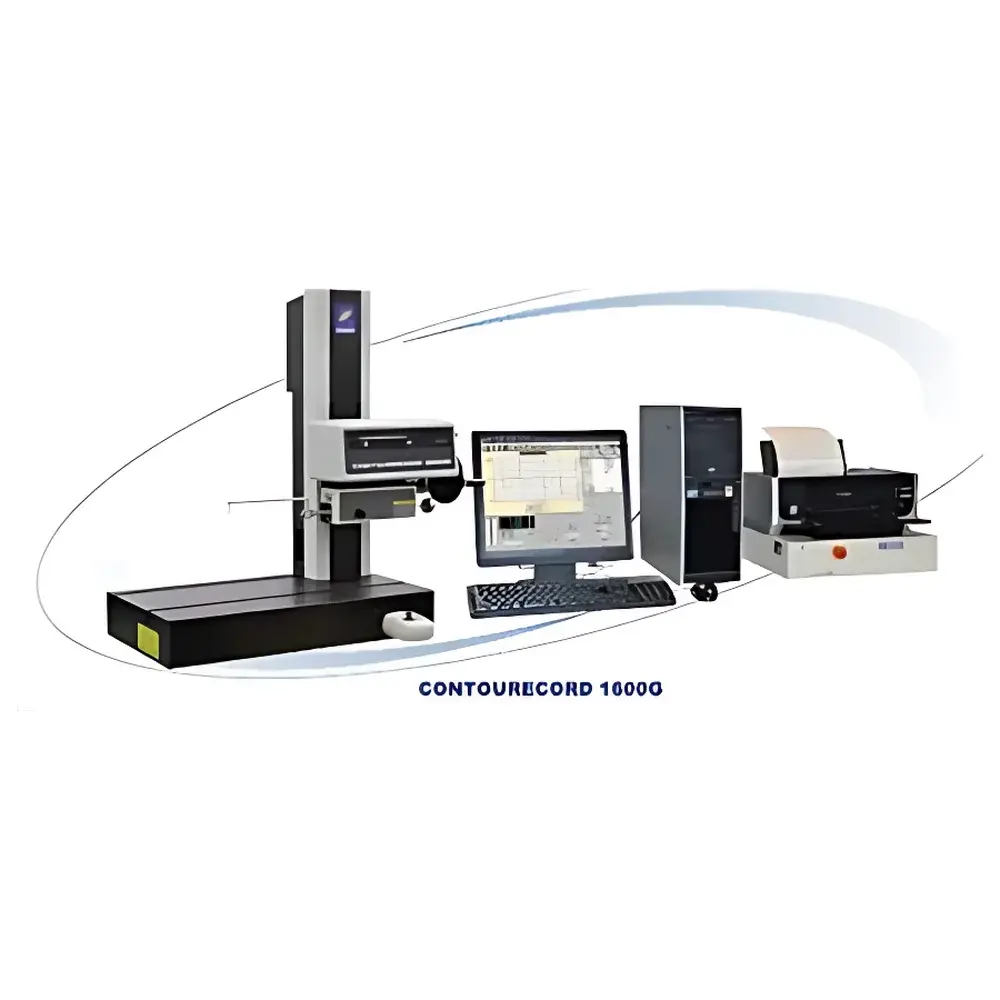
Accretech Tokyo Seimitsu Profilometer Series 1600G / S1400G / 1800G
| Brand | Accretech Tokyo Seimitsu |
|---|---|
| Origin | Japan |
| Product Type | Contact Profilometer / Surface Roughness Tester |
| Operating Principle | Stylus-Based Profilometry |
| Model Range | 1600G, S1400G, 1800G |
| Compliance | Designed for ISO 25178, ISO 4287, ISO 4288, and JIS B 0601-compliant surface metrology |
Overview
The Accretech Tokyo Seimitsu Profilometer Series (1600G, S1400G, and 1800G) is a high-precision, benchtop contact profilometer engineered for quantitative 2D and 3D surface topography analysis of machined, ground, polished, or coated components. Based on the fundamental principle of stylus-based profilometry—where a diamond-tipped probe traverses the surface under controlled force—the system measures vertical displacement with sub-nanometer resolution to reconstruct profile geometry, waviness, roughness, and form errors. These instruments are purpose-built for metrology laboratories, quality control departments in automotive, aerospace, and precision optics manufacturing, and R&D facilities requiring traceable, repeatable surface characterization aligned with international standards including ISO 25178 (areal surface texture), ISO 4287 (profile roughness parameters), ISO 4288 (roughness assessment procedures), and JIS B 0601 (Japanese Industrial Standard for surface texture). The G-series architecture integrates rigid granite bases, air-bearing linear stages, and low-noise servo-controlled drive systems to minimize mechanical drift and vibration coupling—ensuring measurement stability over extended scan lengths up to 100 mm (standard) and optionally 200 mm.
Key Features
- High-resolution analog-to-digital conversion with <1 nm vertical resolution and ≤0.1 µm lateral positioning repeatability across full travel range
- Modular probe system supporting interchangeable stylus tips (2 µm, 5 µm, and 12.5 µm radius) and selectable tracking forces (0.5–15 mN) for optimized measurement on soft metals, ceramics, polymers, and thin films
- Integrated thermal compensation and real-time vibration isolation via passive damping mounts and optional active anti-vibration tables
- Multi-sensor compatibility: supports simultaneous acquisition from primary stylus sensor and auxiliary sensors (e.g., laser displacement, capacitance, or optical interferometric modules) for hybrid metrology workflows
- Comprehensive parameter calculation engine compliant with ISO 25178-2 (height parameters), ISO 25178-3 (functional parameters), and ISO 12781 (flatness/form)
- Robust mechanical design featuring zero-expansion granite base, preloaded linear guides, and temperature-stabilized electronics housing for long-term calibration integrity
Sample Compatibility & Compliance
The 1600G/S1400G/1800G series accommodates samples ranging from wafers and micro-optics (Ø10–150 mm) to large mechanical parts (up to 300 × 300 mm footprint with optional stage extension). Sample clamping is achieved via vacuum chucks, kinematic mounts, or custom fixturing interfaces compatible with ISO 10360-5 geometric accuracy verification protocols. All models are factory-calibrated using NIST-traceable step-height standards and certified reference specimens (e.g., PTB or NPL-certified roughness standards). Measurement data output meets GLP/GMP documentation requirements, supporting audit-ready reporting with embedded metadata (operator ID, timestamp, environmental conditions, calibration certificate ID). Instrument firmware and software comply with ISO/IEC 17025:2017 clause 7.7 (measurement traceability) and support integration into enterprise LIMS environments via standardized OPC UA or ASTM E2900-22 data exchange protocols.
Software & Data Management
Accretech’s proprietary SURFPAK V8 software provides an intuitive, role-based interface for measurement planning, real-time trace visualization, automated feature recognition (e.g., edge detection, groove depth, radius fitting), and statistical process control (SPC) charting. Raw profile data is stored in vendor-neutral ASCII and XML formats, preserving full traceability of filter settings (Gaussian, phase-corrected, spline), cutoff wavelengths (λc = 0.08–25 mm), and evaluation lengths. The software includes built-in validation tools for measurement uncertainty estimation per ISO/IEC GUIDE 98-3 (GUM), and supports FDA 21 CFR Part 11 compliance through electronic signatures, audit trails, and user-access-level permissions. Export modules enable direct linkage to Minitab, MATLAB, and Python-based analysis pipelines via .CSV or HDF5.
Applications
- Quantitative evaluation of grinding wheel wear patterns and dressing consistency in precision grinding operations
- Verification of aspheric lens surface deviation against CAD nominal geometry in optical manufacturing
- Measurement of coating thickness uniformity and interfacial roughness in PVD/CVD-deposited thin-film stacks
- Form error analysis (straightness, flatness, circularity) of bearing races, valve seats, and turbine blade edges
- Surface finish qualification of medical implants (e.g., Ti-6Al-4V hip stems) per ISO 14644-1 and ASTM F2129 corrosion resistance correlation studies
- Root-mean-square (Rq), skewness (Rsk), and kurtosis (Rku) analysis for tribological performance prediction in sliding contact interfaces
FAQ
What distinguishes the 1600G, S1400G, and 1800G models?
The 1600G is optimized for high-speed profiling of medium-complexity surfaces with standard Z-range (±1 mm); the S1400G features enhanced sensitivity for ultra-smooth surfaces (Ra < 0.01 µm) and includes advanced noise-reduction firmware; the 1800G offers extended vertical range (±5 mm), larger XY stage capacity, and integrated thermal drift compensation for long-duration measurements.
Can the system perform both roughness and form measurement in a single scan?
Yes—via multi-scale scanning: coarse traverse for form capture (low-pass filtered at λc = 2.5 mm), followed by fine-step rescan of regions-of-interest with high-resolution sampling (≤0.1 µm step) for roughness parameter extraction.
Is third-party calibration support available outside Japan?
Accretech maintains authorized calibration service partners in North America (A2LA-accredited labs), Germany (DAkkS-certified), and Singapore (SAC-SINGLAS), all operating under documented procedures traceable to national metrology institutes.
Does the system meet ISO 17025 requirements for accredited testing labs?
When operated within specified environmental conditions (20 ± 1 °C, ≤45% RH), with documented calibration history and validated measurement procedures, the system satisfies ISO/IEC 17025:2017 clauses 6.4 (equipment) and 7.2 (method validation) for surface texture testing.