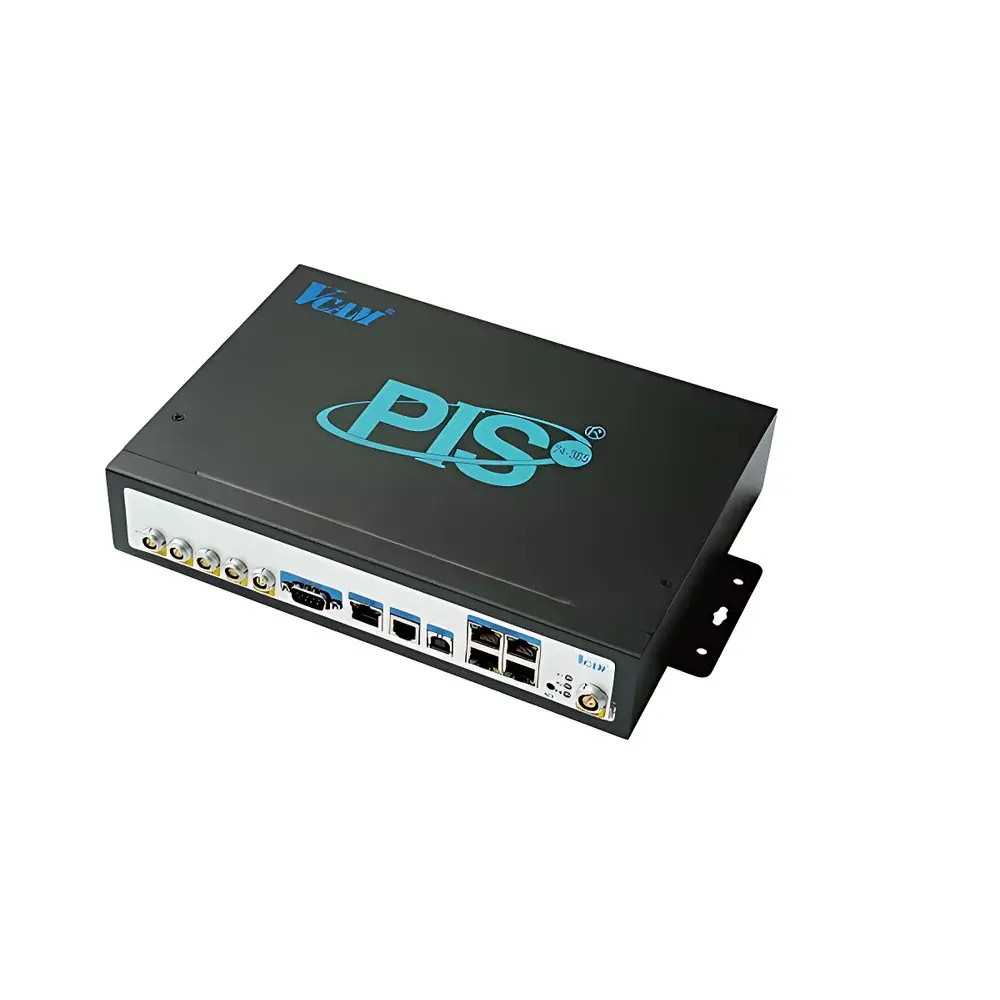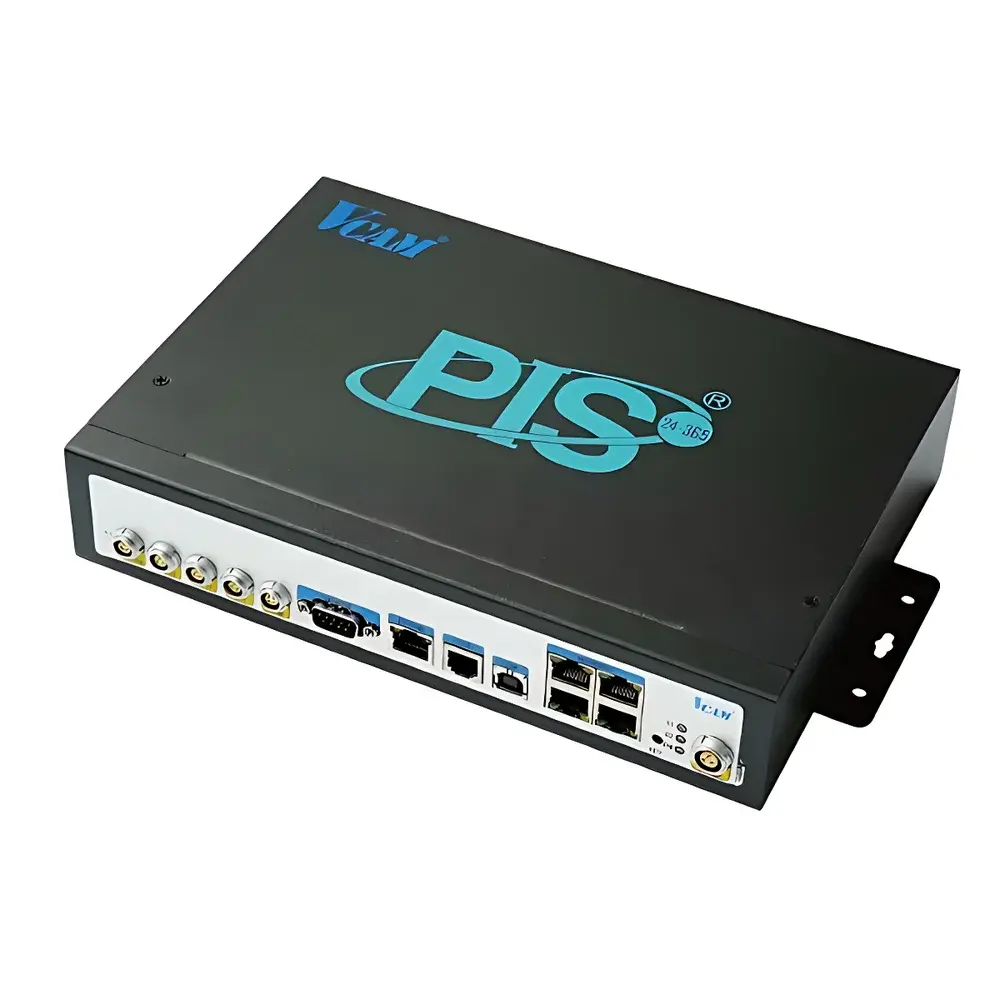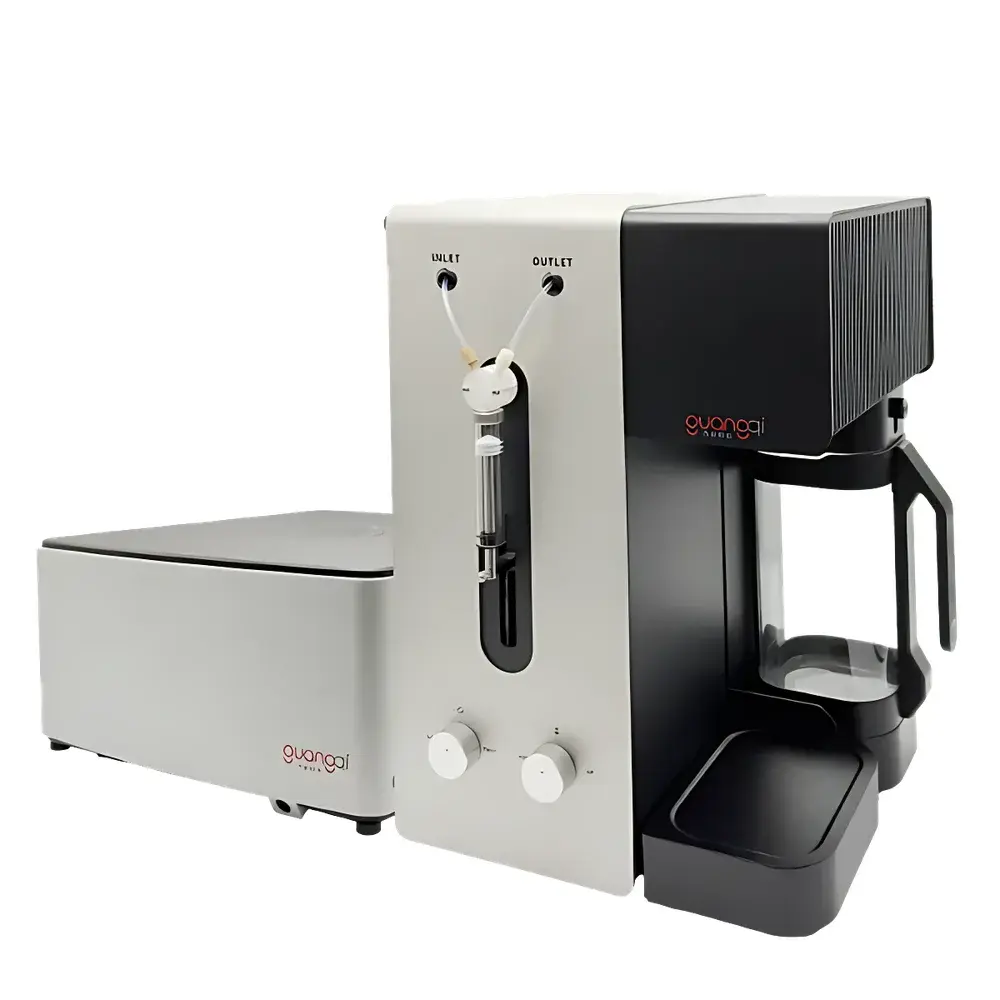
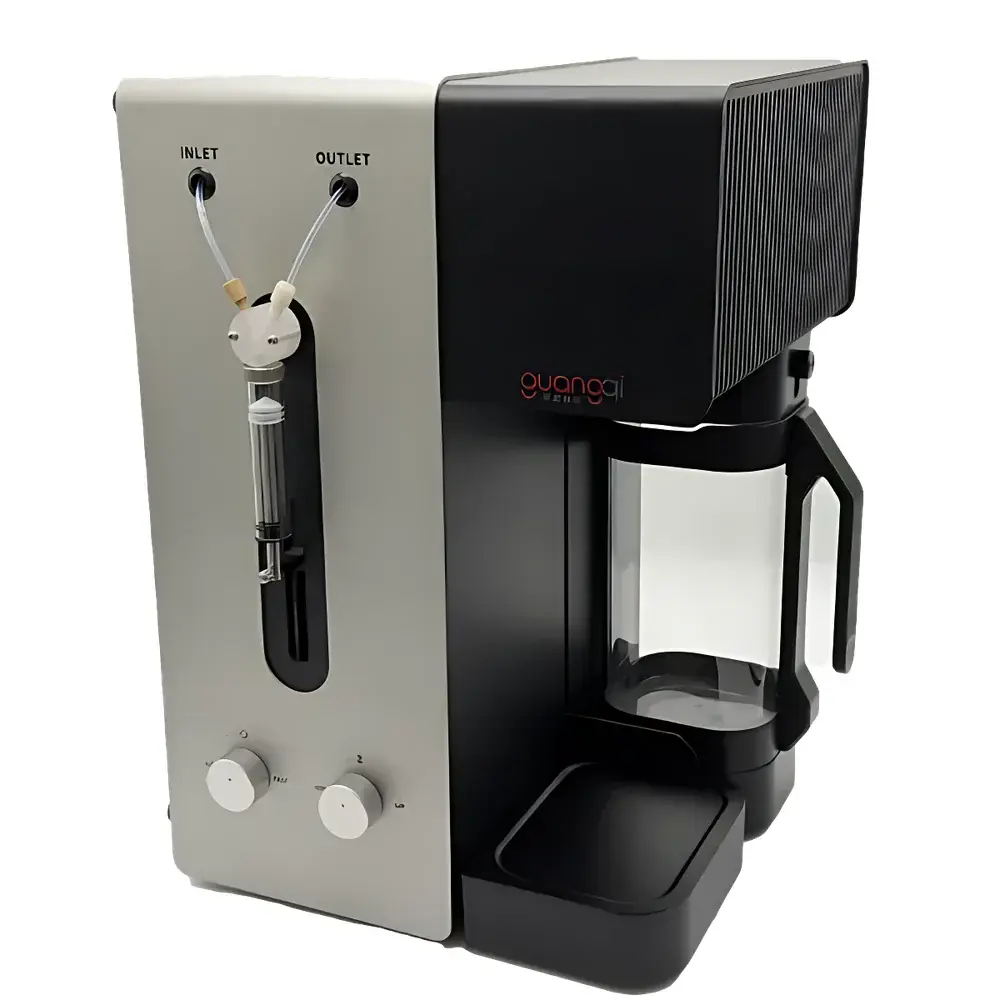
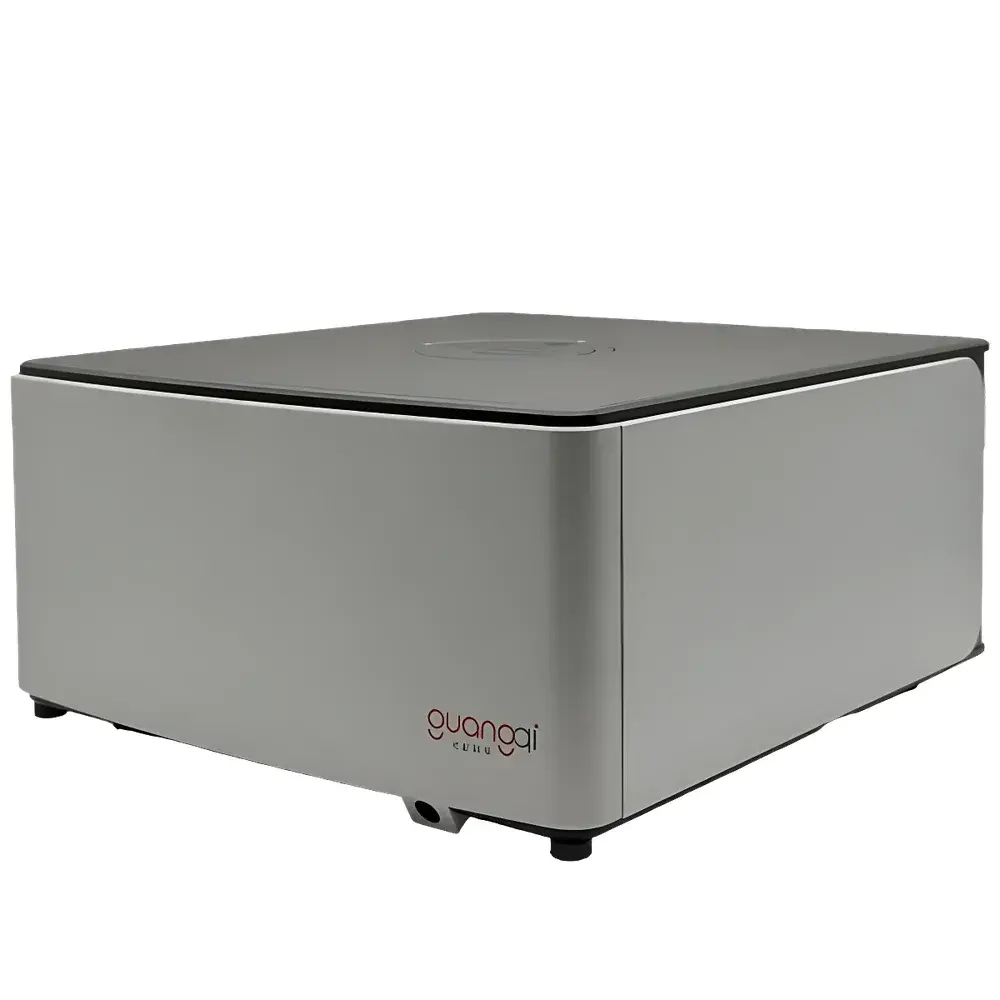
Acona Acona2000SIS USP Insoluble Particle Detector
| Brand | Acona |
|---|---|
| Origin | Shanghai, China |
| Manufacturer Type | Original Equipment Manufacturer (OEM) |
| Product Category | Domestic |
| Model | Acona2000SIS |
| Price Range | USD 1,400 – 63,000 |
Overview
The Acona Acona2000SIS USP Insoluble Particle Detector is an advanced, regulatory-compliant instrument engineered for quantitative analysis of subvisible particles in parenteral drug products, biologics, and sterile injectables. It operates on the Single Particle Optical Sensing (SPOS) principle—also known as Light Extinction and Scattering (LE/LS)—to deliver high-fidelity, particle-by-particle detection across a broad dynamic range. Unlike ensemble-averaging techniques such as laser diffraction (LD), SPOS ensures each particle is individually sized and counted, enabling true number-based particle size distribution (PSD) generation with statistical rigor. The system is explicitly designed to meet the stringent volumetric accuracy, sensitivity, and data integrity requirements defined in United States Pharmacopeia (USP) chapters , , and , as well as aligned with ISO 21501-4 and EP 2.9.19 standards.
Key Features
- Ultra-low sample consumption: Minimum injection volume of 50 µL, compliant with USP for precious or low-volume formulations including monoclonal antibodies and gene therapy vectors.
- Dual-mode optical sensing: Integrated LE400 sensor simultaneously employs light extinction (for robust sizing of particles ≥1 µm) and light scattering (enhanced sensitivity for particles down to 0.5 µm), delivering full-spectrum coverage from 0.5 µm to 400 µm.
- High-resolution particle classification: 1024-channel data acquisition with 0.01 µm bin resolution enables precise discrimination of adjacent peaks—e.g., clear separation of 0.8 µm, 2.0 µm, and 5.0 µm reference standards without spectral overlap or false broadening.
- Exceptional sensitivity: Detection limit of 10 parts per trillion (PPT) for large particle count (LPC) events, offering ~6000× higher sensitivity than conventional LD methods for critical tail-end particle monitoring in CMP slurries, lipid nanoparticles, and emulsions.
- Modular architecture: Sensor module is field-replaceable and compatible with optional APS (Automatic Particle Dilution System) for automated dilution of highly concentrated or viscous samples per USP protocols.
Sample Compatibility & Compliance
The Acona2000SIS supports aqueous and non-aqueous liquid formulations, including saline solutions, buffer systems, oil-in-water emulsions, liposomal suspensions, and protein therapeutics. It accommodates standard USP test vessels (e.g., 5–10 mL vials) and integrates seamlessly with syringe-based or peristaltic pumping configurations. All operational workflows comply with cGMP, GLP, and FDA 21 CFR Part 11 requirements—including electronic signatures, role-based access control, immutable audit trails, and LIMS-compatible database export. Calibration verification follows NIST-traceable polystyrene latex (PSL) standards; system suitability testing includes flow rate stability, counting accuracy, and volume precision validation per USP .
Software & Data Management
The embedded AconaParticle Suite v4.x provides full 21 CFR Part 11 compliance through configurable user roles (e.g., analyst, supervisor, QA reviewer, IT administrator), granular permission assignment (test execution, calibration, report deletion, firmware update), and time-stamped, tamper-proof audit logs covering login sessions, method changes, calibration events, and report generation. Reports include Pass/Fail status against USP thresholds (e.g., ≤6000 particles ≥10 µm and ≤600 particles ≥25 µm per container), raw count histograms, cumulative distributions, and batch-level statistical summaries. Database auto-backup occurs at every session close; optional ODBC connectivity enables direct integration with enterprise LIMS and ELN platforms.
Applications
- Final container testing of sterile injectables, vaccines, and biosimilars per USP .
- Stability-indicating assay for subvisible particle formation during accelerated and real-time storage studies.
- In-process monitoring of filtration efficiency, filling line integrity, and container closure system interactions.
- Characterization of lipid nanoparticle (LNP) formulations, PEGylated proteins, and nanocrystal suspensions where number-weighted PSD is critical.
- Root cause analysis of aggregation events in bioprocess intermediates and purified bulk drug substances.
FAQ
Does the Acona2000SIS support USP for emulsion testing?
Yes—the optional APS module enables automated serial dilution and viscosity compensation required for accurate LPC quantification in oil-in-water emulsions per USP .
Is sensor calibration traceable to NIST standards?
All factory calibrations use NIST-traceable PSL reference materials certified to ISO 17025-accredited laboratories.
Can audit trail data be exported for regulatory inspection?
Yes—audit logs are exportable in CSV and PDF formats with digital signature validation and cryptographic hash integrity verification.
What is the minimum detectable particle concentration?
The system achieves reliable counting at concentrations as low as 10 PPT (particles per trillion) in 50 µL injections, validated per USP repeatability criteria (RSD ≤ 10% for n ≥ 10 replicates).
How does the 1024-channel resolution improve method robustness?
It eliminates channel-induced peak merging artifacts, ensuring reproducible identification of multimodal distributions—critical for detecting early-stage aggregation or contaminant ingress in high-value biologics.