
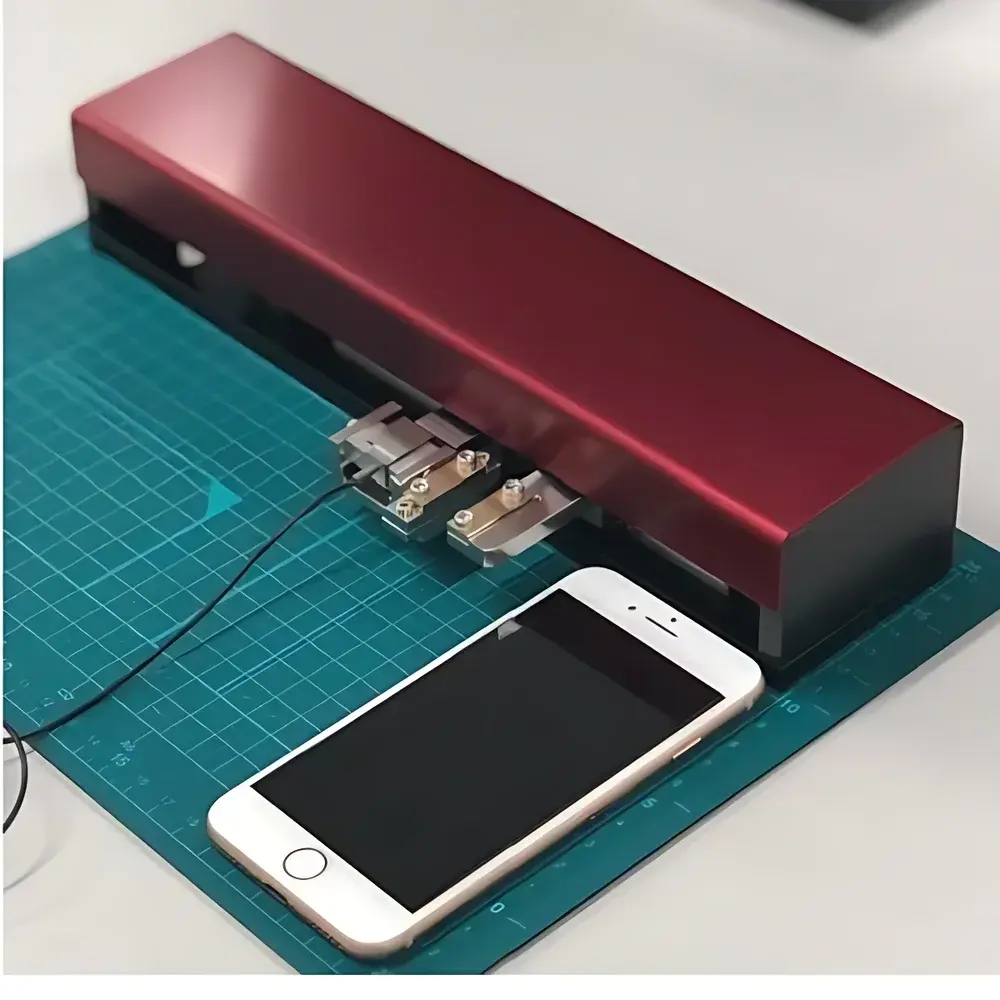
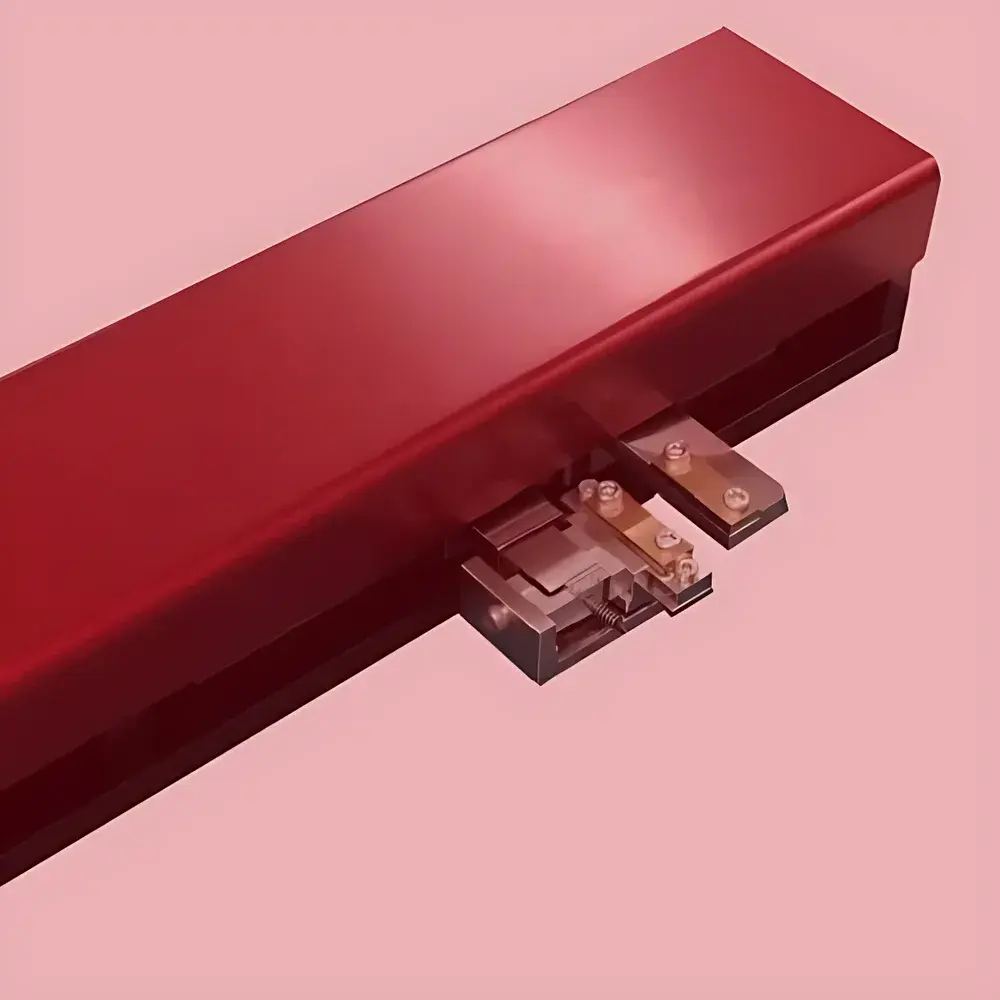
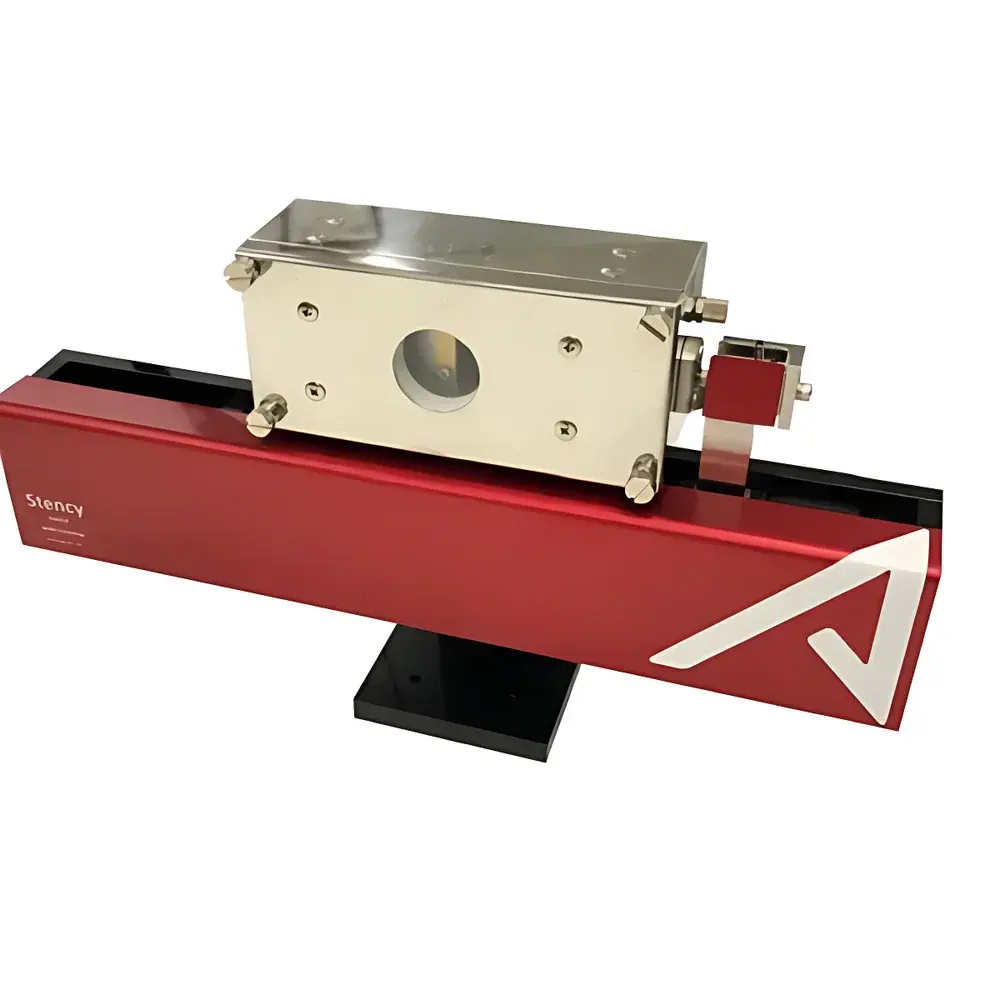
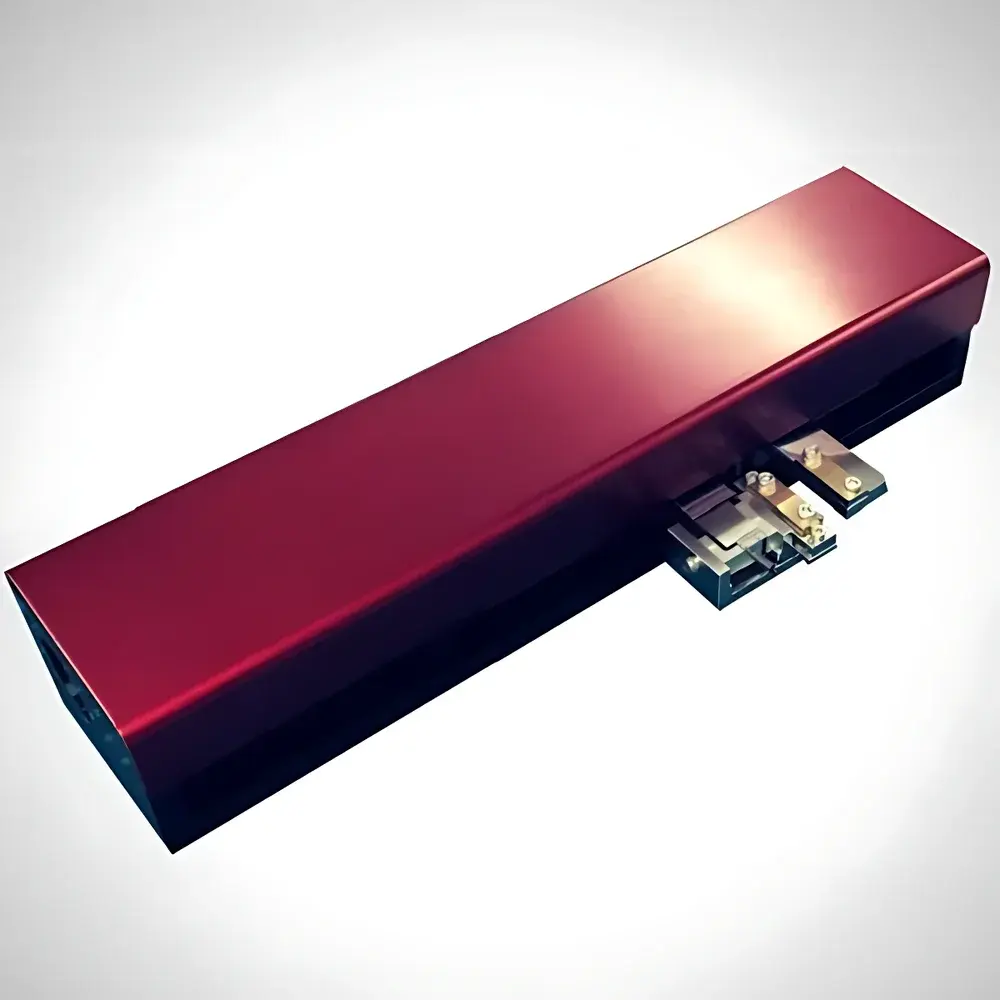
AcroEdge Stency Compact Dual-Axis Tensile Testing Machine
| Key | Brand: AcroEdge |
|---|---|
| Model | Stency |
| Origin | Imported |
| Force Range | 1–20 N (configurable) |
| Force Accuracy | ±0.1% F.S. |
| Displacement Resolution | 0.01 mm |
| Maximum Stroke | 60 mm (uniaxial) |
| Positioning Accuracy | ±0.02 mm |
| Test Speed | 0.1–100 mm/s |
| Data Acquisition Rate | 10 Hz (100 ms interval) |
| Max Data Points per Test | 60,000 |
| Sample Width | up to 50 mm (biaxial), 30 mm (uniaxial) |
| Sample Length | ≥5 mm + gauge length |
| Power Supply | AC 100 V ±10%, 2–3 A |
| Operating Temperature | 0–40 °C |
| Compliance | Designed for ASTM D638, ISO 527, and ISO 11843-compliant tensile evaluation of micro-scale specimens |
Overview
The AcroEdge Stency Compact Dual-Axis Tensile Testing Machine is an engineered solution for high-precision mechanical characterization of miniature and delicate specimens under controlled uniaxial or biaxial loading conditions. Built upon a rigid, low-inertia frame with motorized dual-stage actuation, the system employs closed-loop servo control to deliver repeatable force application across a calibrated range of 1–20 N (extendable per configuration). Its core measurement architecture integrates a high-stability load cell (rated capacity: 1 N standard; optional 10–50 N variants available) with sub-millimeter displacement feedback via precision optical encoders. Unlike conventional single-grip tensile testers, the Stency platform uniquely supports center-fixed biaxial stretching—where specimen edges are simultaneously extended while the central region remains stationary—enabling uniform stress distribution in ultra-thin films, biological membranes, hydrogels, and electrospun nanofibers without edge-induced slippage or localized rupture. This geometry is particularly critical for evaluating strain-dependent optical, electrical, or thermal responses during in situ irradiation or environmental testing.
Key Features
- Dual-mode operation: Selectable uniaxial (single- or double-grip) or true biaxial tension with independent X/Y axis control
- Center-fixed sample mounting: Minimizes boundary artifacts and ensures homogeneous strain field in fragile specimens (e.g., PDMS films, keratin sheets, conductive polymer coatings)
- Configurable force transduction: Interchangeable load cells (1 N base; optional 5 N, 10 N, 20 N, or 50 N full-scale) with traceable calibration certificates
- Sub-micron positioning resolution: Linear stages with ±0.02 mm repeatability and programmable speed profiles (0.1–100 mm/s)
- Real-time data acquisition: Synchronized force/displacement sampling at 10 Hz (100 ms interval), storing up to 60,000 points per test with timestamped metadata
- Modular environmental integration: Compatible with temperature-controlled stages (−20 to +150 °C), humidity chambers, and in-line optical access ports for synchrotron/X-ray or laser-based in situ monitoring
Sample Compatibility & Compliance
The Stency accommodates specimens as narrow as 1 mm wide and as thin as 100 nm (e.g., transferred graphene monolayers), with standardized clamping widths of 10 mm (6-position adjustable jaws) and maximum usable dimensions of 50 mm × 50 mm (biaxial) or 30 mm × variable length (uniaxial). Its mechanical design adheres to fundamental principles outlined in ASTM D638 (tensile properties of plastics), ISO 527-1/-2 (determination of tensile properties), and ISO 11843-7 (detection limits in mechanical testing). The system supports GLP-compliant workflows through audit-trail-enabled software logging, user-access controls, and electronic signature capability—meeting foundational requirements for FDA 21 CFR Part 11 readiness when deployed in regulated QC environments.
Software & Data Management
Control and analysis are executed via AcroEdge’s proprietary StencyControl Suite—a Windows-based application supporting script-driven test sequencing, real-time curve overlay, and automated SS-curve derivation (stress vs. engineering strain). Raw data exports in CSV and HDF5 formats preserve full metadata (calibration coefficients, environmental timestamps, operator ID). The software includes built-in modules for modulus calculation (initial slope, secant, tangent), yield point detection (0.2% offset method), fracture energy integration, and Weibull statistical analysis for brittle materials. All data files are digitally signed and version-stamped to ensure integrity during regulatory review or inter-laboratory comparison.
Applications
- Mechanical validation of microscale biomaterials: collagen scaffolds, decellularized tissue sheets, and elastomeric wound dressings
- Characterization of 2D material transfer integrity: graphene, MoS₂, and h-BN films on flexible substrates
- In situ radiation-mechanics coupling studies: simultaneous X-ray/gamma irradiation and tensile loading in shielded enclosures
- Fiber-level tensile behavior of natural (silk, cellulose) and synthetic (PVA, PAN, carbon) filaments
- Thermo-mechanical mapping of shape-memory polymers and liquid crystal elastomers under constrained biaxial strain
- Quality assurance of medical device coatings: drug-eluting stent polymer layers, hydrophilic catheter surfaces
FAQ
What is the minimum measurable force resolution?
The base 1 N load cell provides a typical resolution of 0.001 N (0.1% F.S.), with noise floor <0.0005 N RMS under stable ambient conditions.
Can the Stency be integrated with third-party environmental chambers?
Yes—the system features standardized I/O ports (TTL, analog ±10 V) and EtherCAT interface for synchronization with commercial thermal/humidity chambers and vacuum systems.
Is biaxial testing limited to square deformation fields?
No—programmable independent axis control allows asymmetric strain ratios (e.g., 2:1 X/Y extension), enabling anisotropic strain path simulation.
How is traceability maintained for calibration records?
Each load cell ships with NIST-traceable calibration certificate; software logs all calibration events with date, operator, and reference standard ID.
Does the system support cyclic or creep testing protocols?
Yes—custom waveform generation (sine, triangle, ramp-hold) and time-controlled dwell segments are fully programmable within the test sequence editor.



