
ADC Bio LCpro T Portable Photosynthesis System
| Brand | ADC Bio |
|---|---|
| Origin | United Kingdom |
| Model | LCpro T Portable Photosynthesis System |
| CO₂ Measurement Range | 0–3000 ppm |
| CO₂ Resolution | 1 ppm |
| H₂O Measurement Range | 0–75 mbar |
| H₂O Resolution | 0.1 mbar |
| PAR Range | 0–3000 µmol·m⁻²·s⁻¹ (cosine-corrected) |
| Leaf/Chamber Temperature Range | −5 to 50 °C (±0.2 °C accuracy) |
| Airflow Rate | 100–500 mL·min⁻¹ |
| CO₂ Control | Up to 2000 ppm via internal supply |
| H₂O Control | Humidity adjustable above/below ambient |
| Temperature Control | Peltier-based, ±15 °C offset from ambient |
| PAR Control | White LED up to 2500 µmol·m⁻²·s⁻¹ |
| Weight | 4.1 kg (main unit), 0.8 kg (handheld sensor handle) |
| Battery Life | Up to 16 h (12 V, 7.5 Ah Li-ion) |
| Display | 95 × 53.9 mm WQVGA color touchscreen (80 × 272 px) |
| Data Storage | Removable SD card (up to 32 GB) |
| Communication | Mini-B USB + RS232 (max. 230,400 baud) |
| Operating Environment | 5–45 °C, high-humidity/dusty conditions supported |
Overview
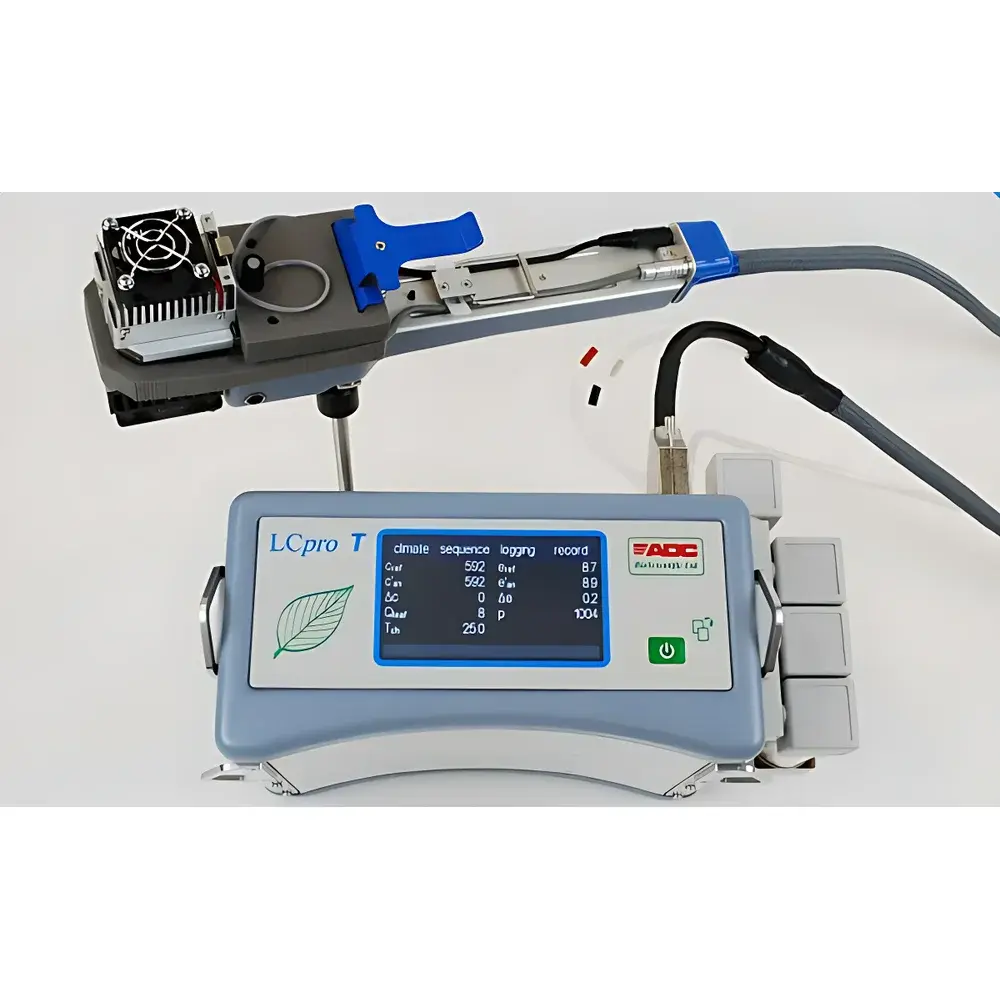
The ADC Bio LCpro T Portable Photosynthesis System is a field-deployable, closed- or open-path gas exchange instrument engineered for high-fidelity measurement of leaf-level photosynthetic and transpirational physiology under controlled or ambient environmental conditions. It employs differential non-dispersive infrared gas analysis (NDIR) for CO₂ quantification and dual-laser tunable diode absorption spectroscopy (TDLAS) for rapid, high-resolution water vapor detection—both calibrated in real time with automatic temperature and barometric pressure compensation. Unlike conventional fixed-lab systems, the LCpro T integrates fully independent regulation of photosynthetically active radiation (PAR), CO₂ concentration, relative humidity, and leaf/chamber temperature within a single handheld measurement handle and modular leaf chamber architecture. This enables simultaneous assessment of light-response curves (A–PAR), CO₂-response curves (A–Ci), and temperature-dependent kinetics—critical for mechanistic studies of photosynthetic acclimation, stress physiology, and carbon assimilation efficiency across diverse plant functional types.
Key Features
- Integrated differential IRGA with auto-zeroing and real-time atmospheric pressure/temperature compensation ensures traceable CO₂ accuracy (±1 ppm) across variable field conditions.
- Dual-laser TDLAS water vapor sensor delivers sub-millibar resolution (0.1 mbar) and millisecond response time, essential for precise stomatal conductance (gₛ) derivation.
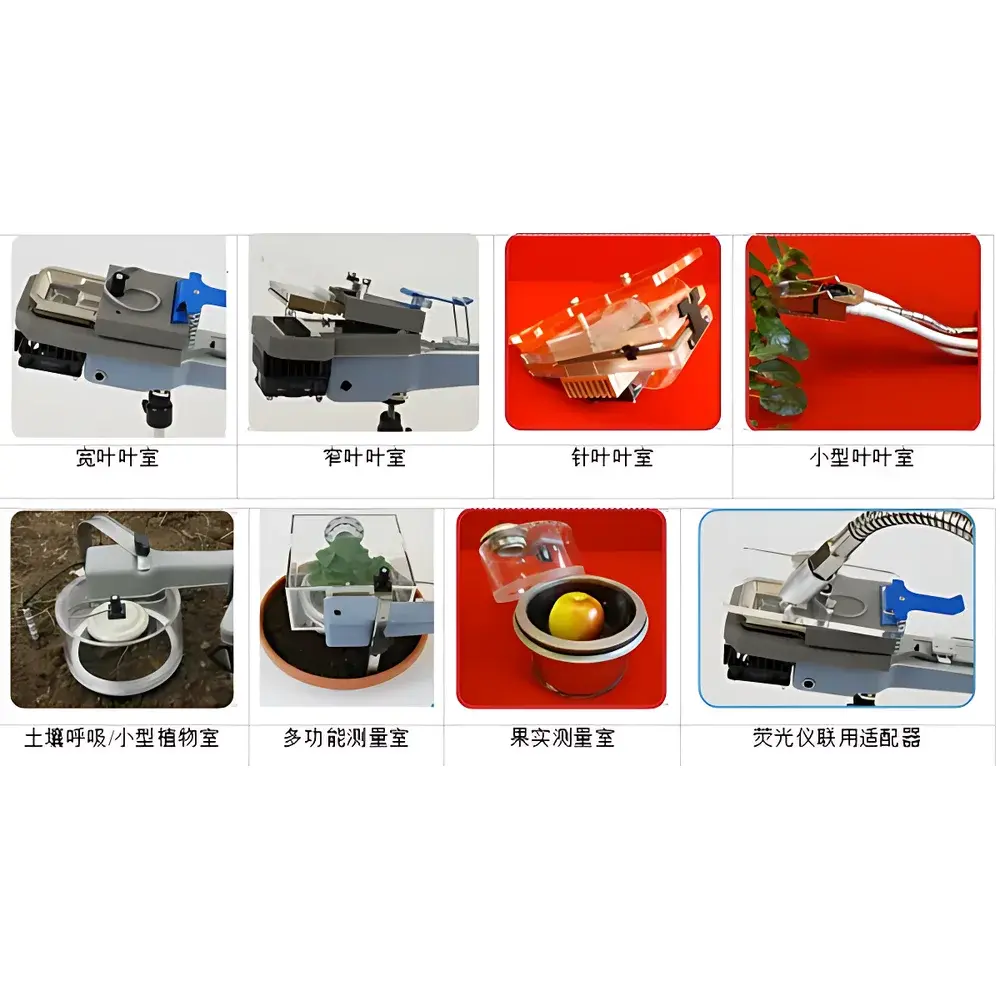
- Modular leaf chamber system supports nine specialized configurations—including broadleaf, narrowleaf, conifer, soil respiration, canopy, fruit, and fluorescence-compatible chambers—each fabricated from low-permeability, inert materials to minimize CO₂ and H₂O leakage artifacts.
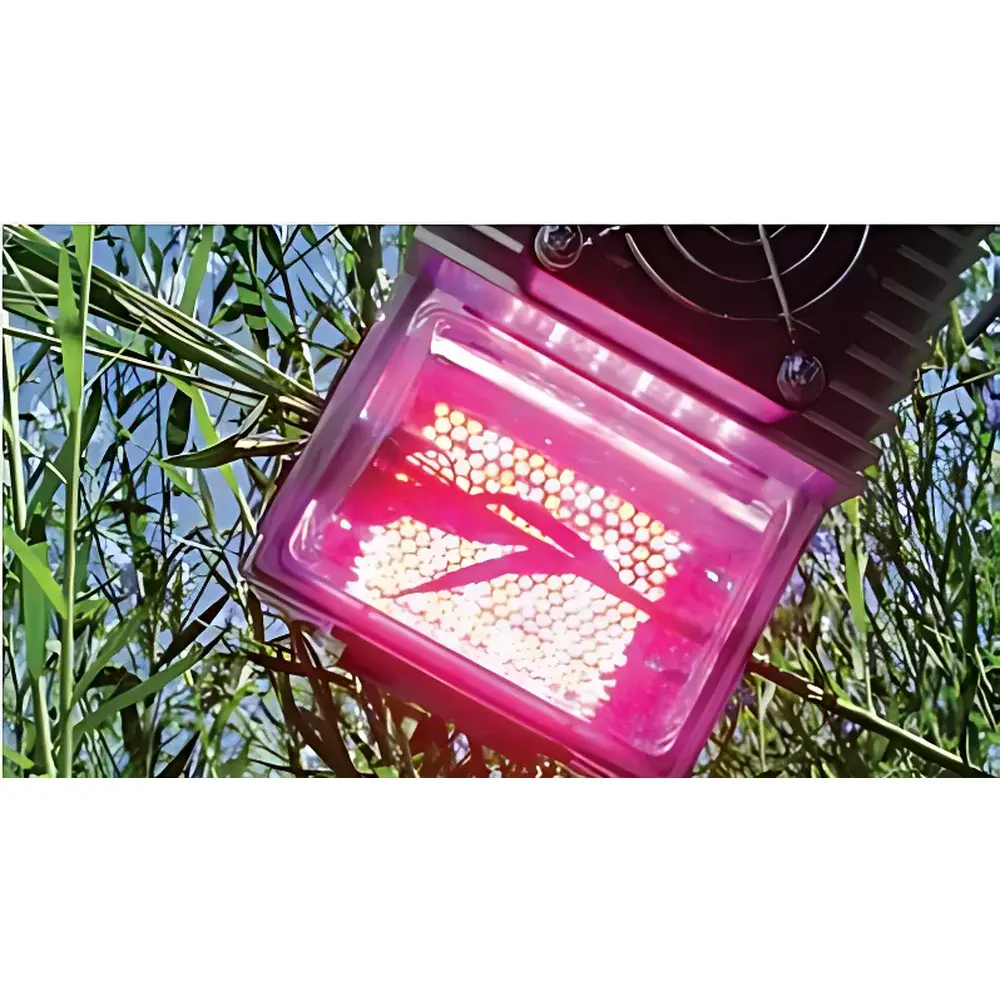
- Onboard white LED (2500 µmol·m⁻²·s⁻¹) and optional RGB LED (2400 µmol·m⁻²·s⁻¹) sources provide spectrally tunable, uniform irradiance with built-in cosine correction for ecologically relevant light quality control.
- Micro-Peltier temperature regulation maintains leaf chamber setpoints within ±0.2 °C across −5 to 50 °C, enabling controlled thermal perturbation experiments without external chillers or heaters.
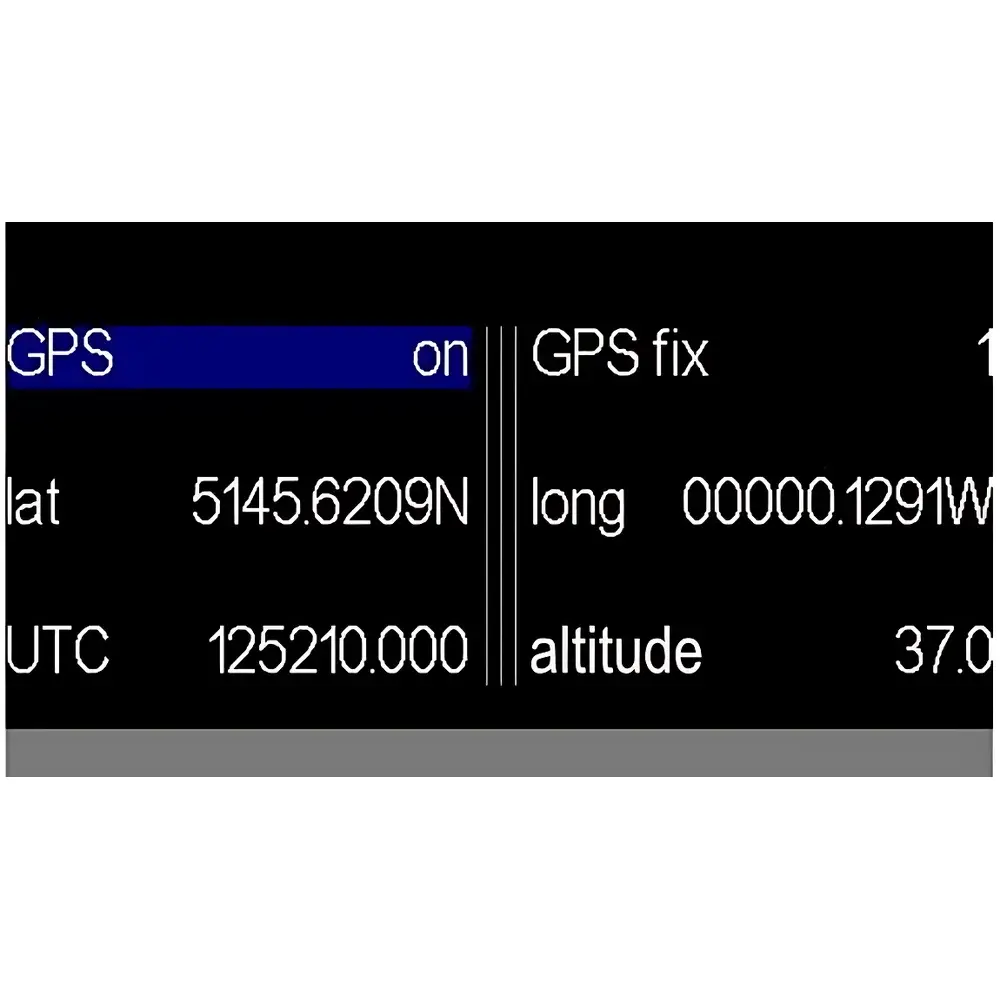
- Embedded GPS module records georeferenced metadata (latitude, longitude, elevation, UTC timestamp) for spatially explicit ecological data mapping and long-term monitoring campaigns.
- WQVGA color touchscreen with membrane-sealed interface operates reliably in rain, dust, and high-humidity environments (IP65-rated enclosure).
- Low-power architecture extends field operation to 16 hours on a single 12 V / 7.5 Ah lithium-ion battery, with intelligent charging and state-of-charge telemetry.
Sample Compatibility & Compliance
The LCpro T accommodates specimens ranging from single moss gametophytes to intact herbaceous rosettes (≤55 mm height) and soil cores (11 cm diameter). All leaf chambers comply with ASTM E2883-22 (Standard Practice for Field Measurements of Gas Exchange in Plants) and ISO 17025:2017 requirements for measurement traceability when used with certified calibration gases (CO₂/N₂ and H₂O/N₂ standards). The system’s firmware supports GLP-compliant audit trails, including user login timestamps, parameter change logs, and raw sensor output archiving—fully compatible with FDA 21 CFR Part 11 electronic record integrity protocols when paired with validated data management software. Chamber materials (e.g., anodized aluminum, fluoropolymer gaskets, borosilicate optical windows) are selected to eliminate VOC interference and ensure long-term stability in tropical, arid, and polar field deployments—as demonstrated in peer-reviewed studies conducted at McMurdo Station (Antarctica) and Amazonian canopy towers.
Software & Data Management
Data acquisition and protocol configuration are managed via the proprietary LCpro Control Suite v4.x, which runs natively on Windows OS and supports automated experimental sequencing (e.g., incremental A–Ci ramps, dynamic light fleck simulations, multi-step drought recovery protocols). Raw time-series data (CO₂, H₂O, PAR, Tₗₑₐf, Tcₕₐₘbₑᵣ, flow rate) are logged at 10 Hz with embedded metadata tagging (GPS, operator ID, chamber ID, calibration status). Export formats include CSV, HDF5, and NetCDF4—enabling direct ingestion into R (photosynthesis modeling packages: ‘plantecophys’, ‘photosyn’), Python (‘astropy’, ‘xarray’), or MATLAB for advanced curve fitting (Farquhar-von Caemmerer-Berry model), statistical parametric mapping, or machine learning–driven trait clustering. SD card storage supports encrypted write operations and cyclic overwrite protection to prevent field data loss.
Applications
- Quantifying photosynthetic limitations under abiotic stress (drought, salinity, heat, heavy metals) using combined A–Ci and chlorophyll fluorescence (via optional FluorPen or FluorCam integration).
- Evaluating carbon sequestration potential of agroforestry systems via repeated measurements across diurnal cycles and seasonal gradients.
- Screening crop germplasm for intrinsic water-use efficiency (iWUE = A/gₛ) and mesophyll conductance (gₘ) using iterative CO₂ drawdown protocols.
- Validating satellite-derived vegetation indices (e.g., PRI, SIF) through ground-truthed concurrent measurements of electron transport rate (ETR) and actual quantum yield.
- Investigating plant–microbe interactions by coupling soil respiration chambers with rhizosphere metabolite profiling workflows.
- Supporting IPCC AR6-relevant research on climate–vegetation feedbacks, including stomatal optimization theory testing and thermal acclimation modeling.
FAQ
Does the LCpro T meet regulatory requirements for GLP/GMP-compliant environmental monitoring?
Yes—the system logs full audit trails, supports electronic signatures, and retains raw sensor outputs with calibration certificates traceable to NIST standards. When deployed with validated SOPs, it satisfies OECD GLP Principles and FDA 21 CFR Part 11 criteria.
Can the LCpro T operate continuously in tropical rainforest understory conditions?
Yes—its sealed touchscreen, condensation-resistant optics, and active dew-point suppression in the H₂O sensor path enable reliable operation at >95% RH and ambient temperatures up to 45 °C.
Is firmware update capability available in remote field locations?
Yes—updates are delivered via SD card or USB stick without requiring internet connectivity. Version history and rollback functionality are embedded in the bootloader.
What calibration gases are required for routine verification?
Certified 300 ppm and 1500 ppm CO₂/N₂ mixtures (±1% uncertainty) and 10–60 mbar H₂O/N₂ standards (NIST-traceable) are recommended quarterly; factory calibration is valid for 12 months.
How does the LCpro T differ from the LCi series in terms of analytical capability?
The LCpro T introduces integrated Peltier temperature control, dual-laser H₂O sensing, and on-board GPS—eliminating dependence on external controllers and enabling true autonomous field deployment without auxiliary hardware.





