
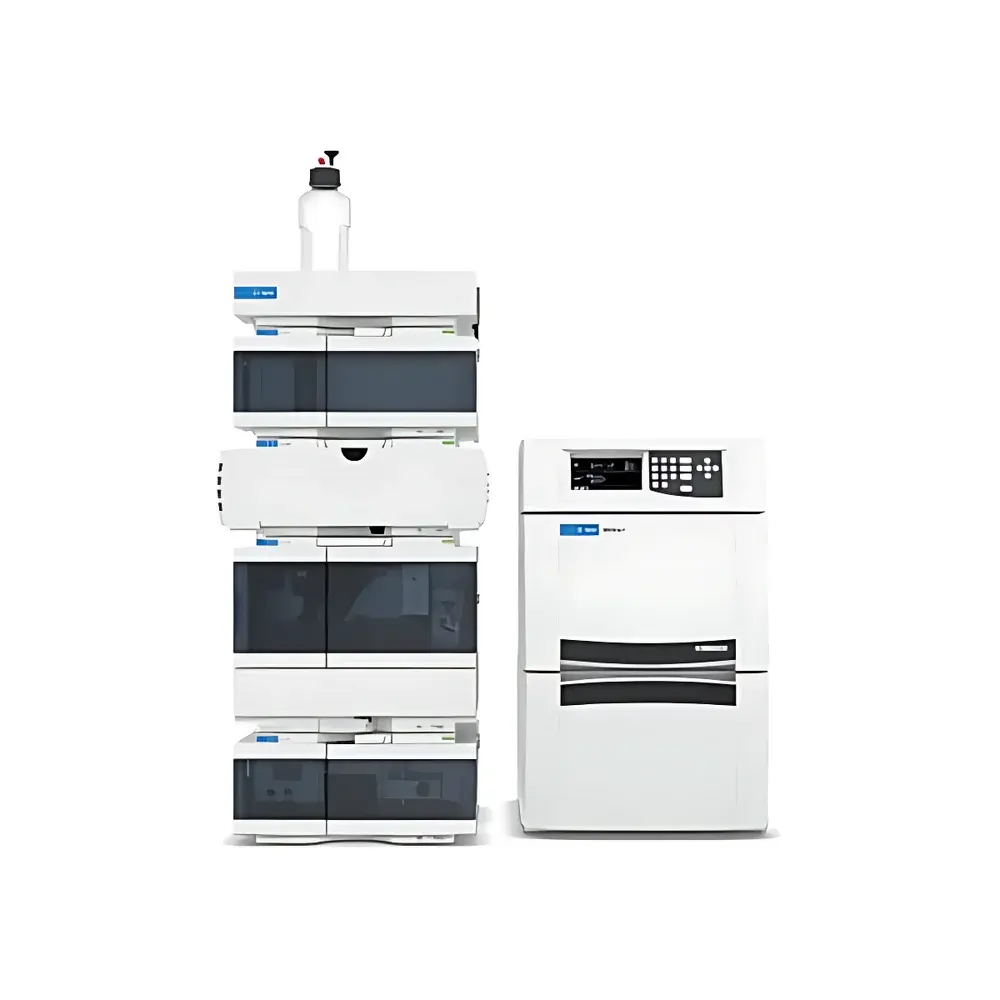
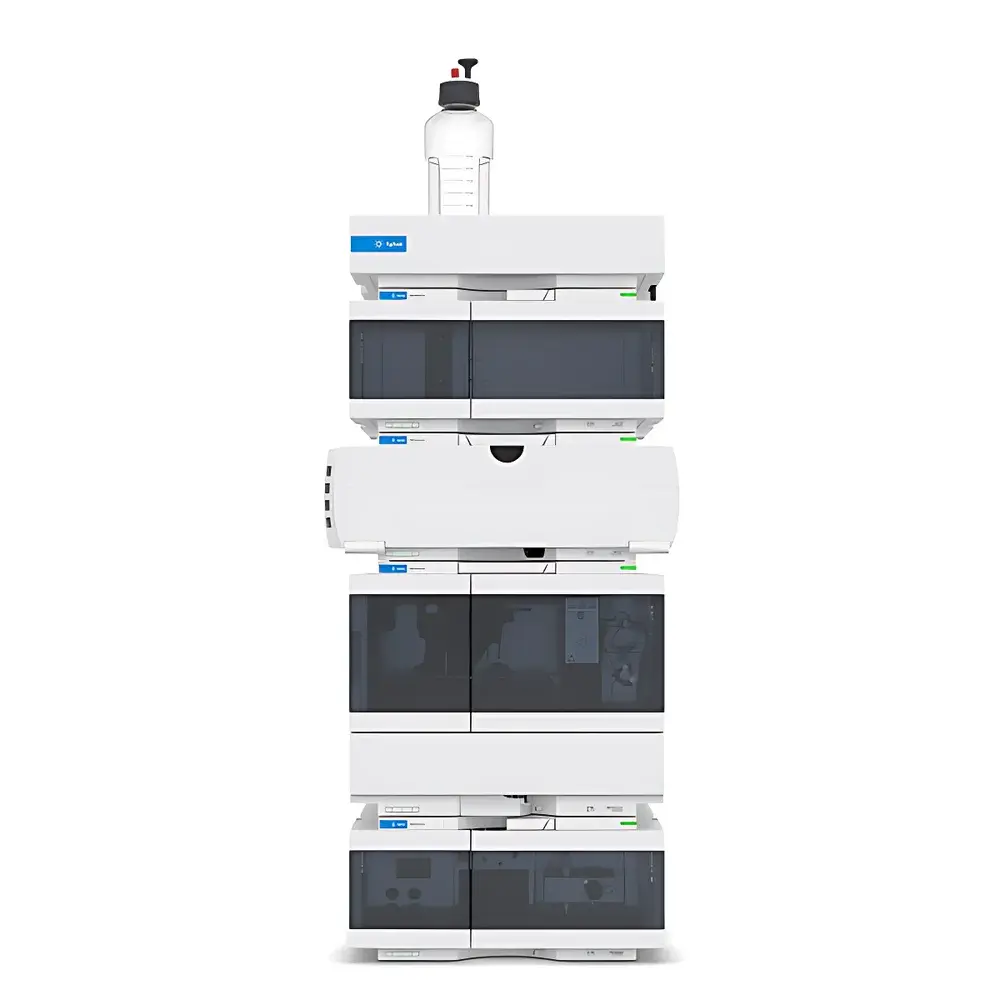
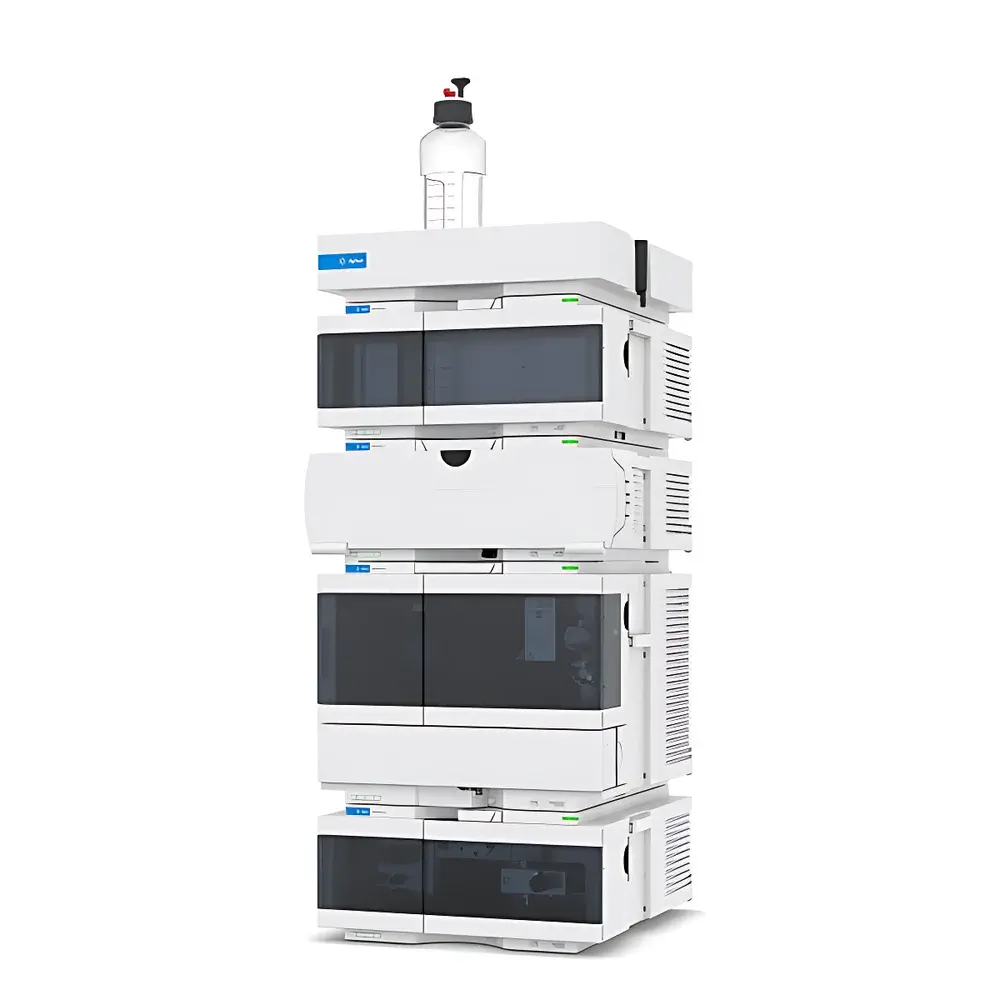
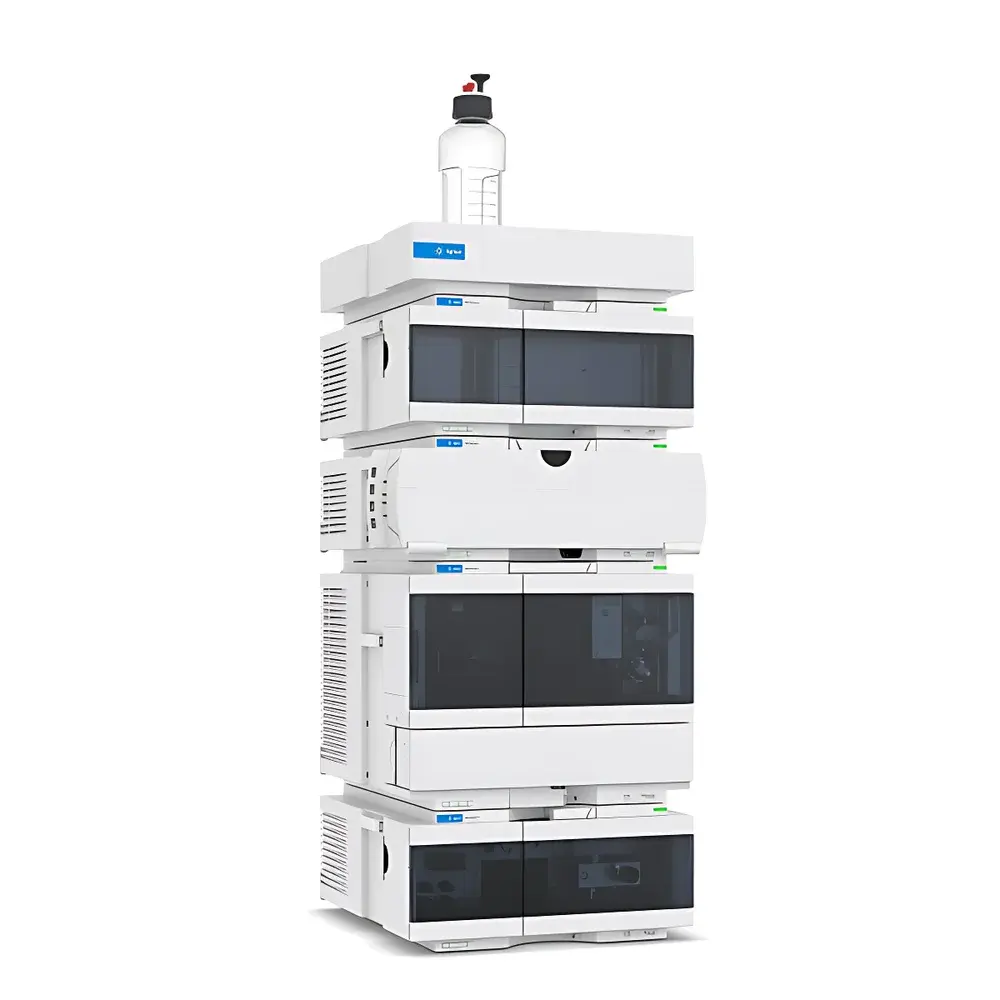
Agilent 1260 Infinity II GPC/SEC System
| Brand | Agilent Technologies |
|---|---|
| Origin | Germany |
| Model | 1260 Infinity II |
| Configuration | Ambient-Temperature Gel Permeation Chromatography System with Optional RI, Viscometry, and Multi-Angle Light Scattering (MALS) Detection |
| Software Platform | Agilent GPC/SEC Software (v4.x or later) |
| Compliance | Designed for GLP/GMP environments |
| Detector Compatibility | Refractive Index (RI), Differential Viscometer, MALS (via optional interface module) |
Overview
The Agilent 1260 Infinity II GPC/SEC System is an ambient-temperature gel permeation chromatography (GPC) platform engineered for robust, reproducible polymer molecular weight distribution (MWD) analysis under non-solvent-boiling conditions. Based on the modular architecture of the Agilent 1200 Infinity II liquid chromatography platform, this system implements size-exclusion chromatography (SEC) principles—where analytes are separated in solution based on hydrodynamic volume as they elute through porous packing material in calibrated columns. Unlike high-temperature GPC systems, the 1260 Infinity II GPC/SEC operates at ambient or thermostatically controlled room temperature (typically 25–35 °C), making it suitable for thermolabile polymers, routine QC testing, and laboratories requiring lower operational complexity and solvent consumption. Its design emphasizes method transferability, column stability, and long-term baseline consistency—critical for comparative batch-to-batch polymer characterization in R&D and manufacturing support.
Key Features
- Modular LC-based architecture derived from the Agilent 1200 Infinity II platform, ensuring proven reliability, low carryover (<0.005%), and precise gradient delivery (±0.2% RSD)
- Integrated ambient-temperature column compartment with ±0.2 °C temperature control for retention time stability across multi-day runs
- Support for dual- or triple-detection configurations: refractive index (RI), differential viscometer, and multi-angle light scattering (MALS)—enabling absolute molecular weight, intrinsic viscosity, and branching ratio determination without universal calibration
- Low-dispersion flow paths and optimized detector cell volumes minimize band broadening, preserving resolution for narrow-distribution standards (e.g., polystyrene, PMMA)
- Automated solvent degassing via integrated He-sparging or optional vacuum degasser to ensure baseline stability during extended SEC runs
- Front-accessible pump heads, autosampler needle seats, and column connections reduce maintenance downtime and simplify method validation procedures
Sample Compatibility & Compliance
The system accommodates common organic SEC solvents including tetrahydrofuran (THF), chloroform, and o-dichlorobenzene (ODCB), with compatibility verified for standard polymer classes such as polyolefins, acrylics, styrenics, and polyesters. Column sets are available in multiple pore ranges (10³–10⁷ Da) and chemistries (styrene-divinylbenzene, silica-based, and cross-linked methacrylate). The hardware and firmware comply with IEC 61000-4 electromagnetic compatibility standards and meet CE marking requirements. When deployed with Agilent OpenLab CDS and configured per institutional SOPs, the system supports audit-ready workflows aligned with ISO/IEC 17025, ASTM D5296, and USP <621> chromatographic system suitability criteria. Full electronic records—including instrument logs, sequence tables, raw data files (.ch), and processed reports—are retained with time-stamped, user-authenticated access control.
Software & Data Management
Agilent GPC/SEC Software (v4.1 or later) provides unified control of all modules, real-time chromatogram visualization, and automated calibration curve generation using narrow-standard polystyrene or polyethylene oxide references. The software implements advanced baseline correction algorithms, peak deconvolution for multimodal distributions, and batch processing for >100 samples with customizable report templates (PDF, CSV, XML). All processing parameters—including slice width, smoothing factor, and zero-point offset—are stored with each dataset to ensure full traceability. For regulated environments, integration with Agilent OpenLab CDS enables role-based permissions, electronic signatures, and 21 CFR Part 11-compliant audit trails—including modification history, user login events, and data export logs.
Applications
- Routine quality control of synthetic polymers in production environments (e.g., melt flow index correlation, lot release testing)
- Molecular weight distribution profiling of biodegradable plastics (PLA, PHA) and water-soluble polymers (PEG, PVP)
- Branching analysis of low-density polyethylene (LDPE) via combined viscometry–light scattering detection
- Stability assessment of polymer dispersions and colloidal systems over accelerated aging cycles
- Educational use in university analytical chemistry laboratories for SEC fundamentals instruction and method development exercises
FAQ
Can this system operate at elevated temperatures?
No—the 1260 Infinity II GPC/SEC is designed exclusively for ambient-temperature operation. High-temperature applications require the Agilent 1260 Infinity II HT-GPC configuration with heated column oven and specialized solvent handling.
Is post-run data reprocessing supported?
Yes. Raw .ch files retain full detector signal fidelity and can be reopened in Agilent GPC/SEC Software for recalibration, baseline adjustment, or alternative molecular weight calculation models (e.g., Mark–Houwink parameters, branching corrections).
What level of training is required for method transfer from legacy GPC systems?
Minimal. The Agilent GPC/SEC Software includes import wizards for ASCII chromatograms and calibration files from Waters Empower, Shimadzu LabSolutions, and older Agilent ChemStation formats—enabling direct reuse of validated methods with minor parameter mapping.
Does the system support automatic solvent selection switching during a single run?
No. Solvent composition is fixed per run; gradient elution is not implemented in SEC mode due to column integrity and calibration validity constraints. Method optimization requires discrete isocratic methods per solvent system.
How is detector synchronization managed across multi-detector configurations?
All detectors connect via Agilent’s proprietary digital interface (GPIB or LAN), with hardware-triggered data acquisition synchronized to the autosampler injection pulse and pump encoder signal—ensuring sub-second temporal alignment of RI, viscosity, and scattering signals.
Related Products




