
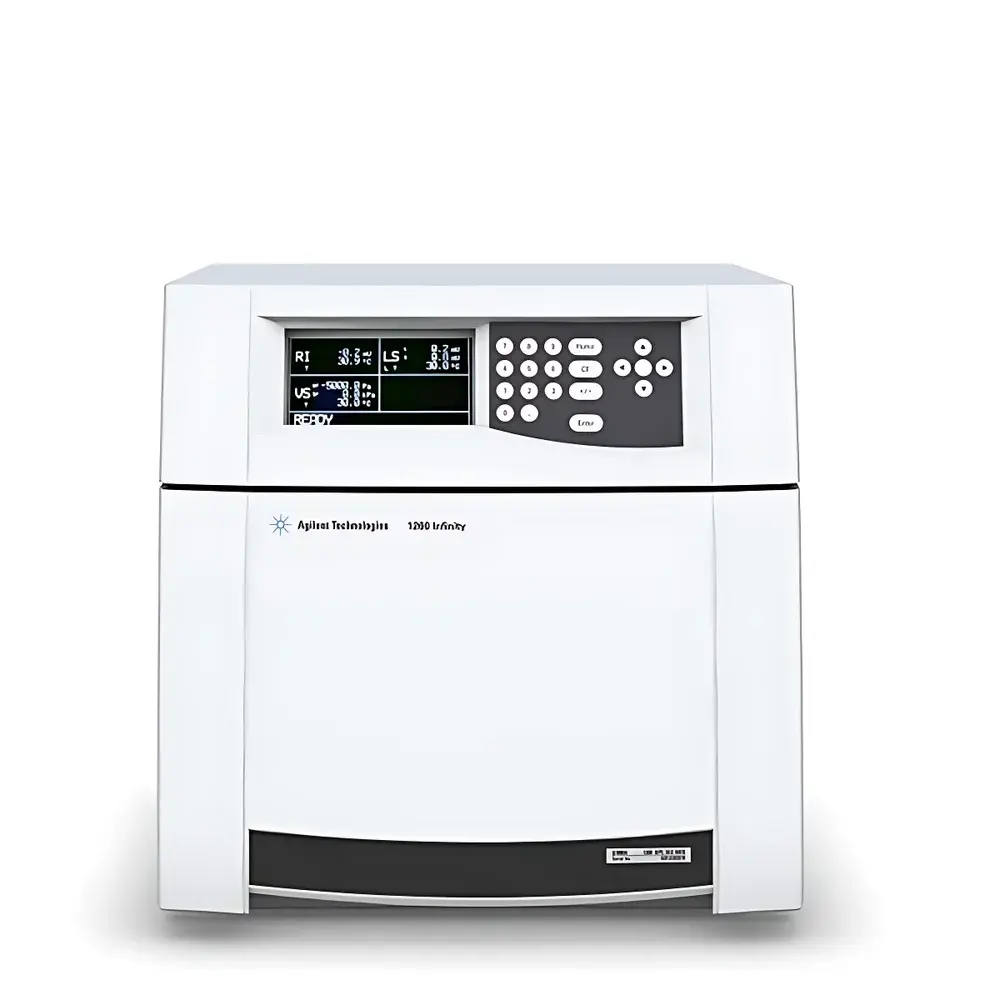
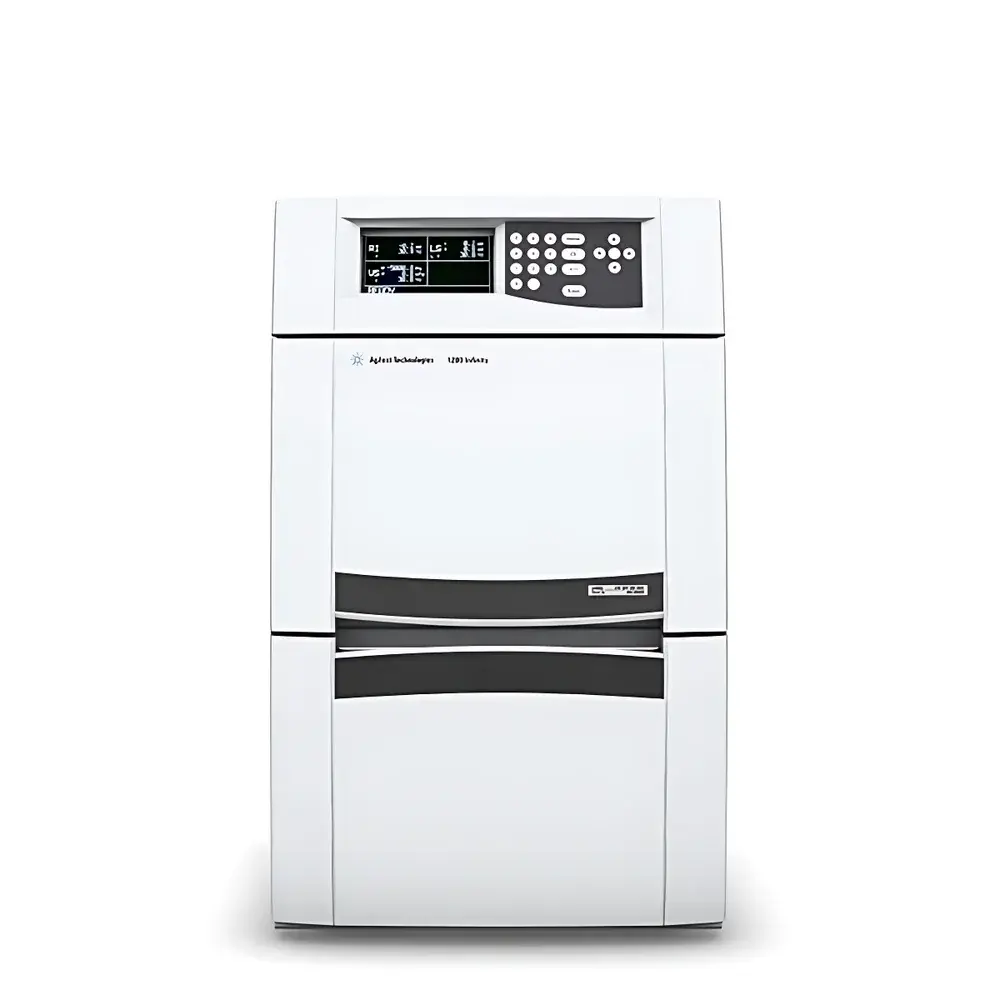
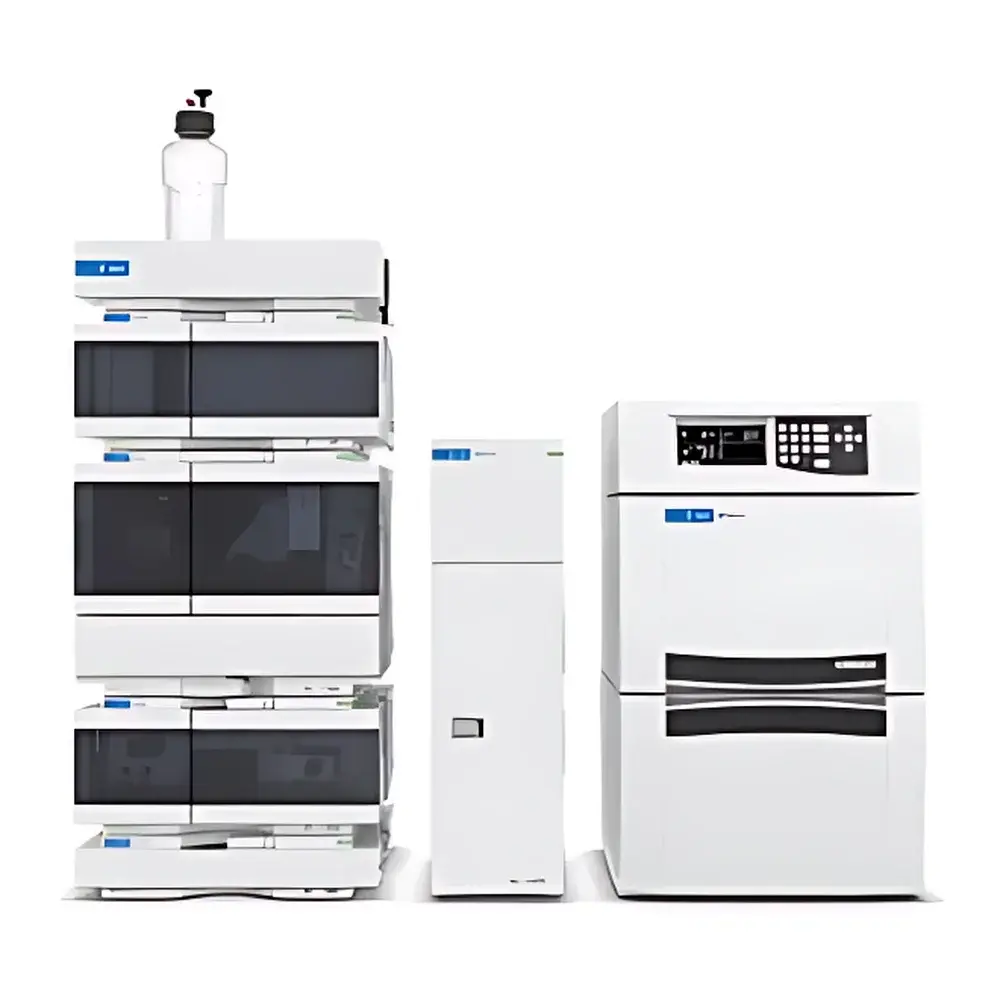
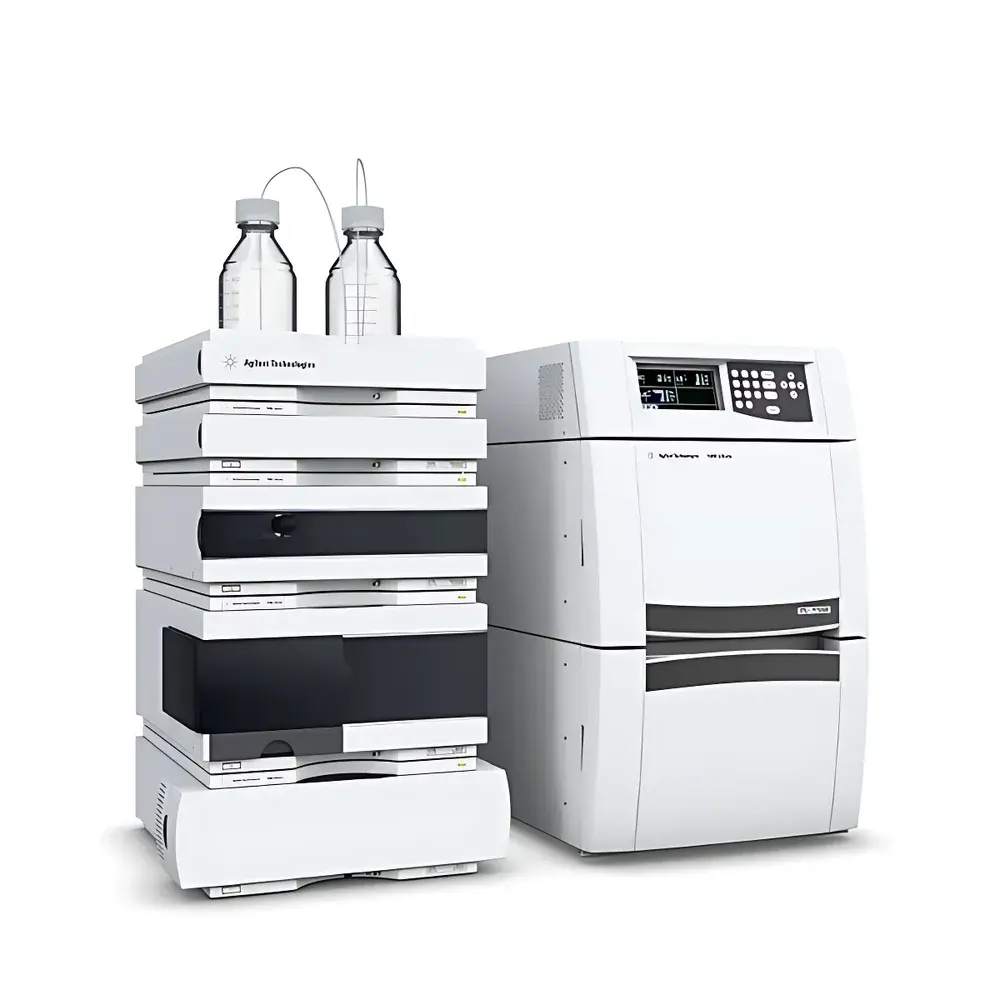
Agilent 1260 Infinity II Multi-Detector GPC/SEC System
| Brand | Agilent Technologies |
|---|---|
| Origin | United Kingdom |
| Manufacturer Type | Authorized Distributor |
| Origin Category | Imported |
| Model | 1260 Infinity II MDS |
| Pricing | Available Upon Request |
Overview
The Agilent 1260 Infinity II Multi-Detector GPC/SEC System is a high-performance, modular gel permeation chromatography (GPC) and size-exclusion chromatography (SEC) platform engineered for absolute macromolecular characterization. Unlike conventional single-detector GPC systems that rely on calibration standards to derive relative molecular weight distributions, this system integrates orthogonal detection principles—refractive index (RI), multi-angle light scattering (MALS), and differential viscometry—to deliver model-independent, absolute parameters including Mw, Mn, Mz, root-mean-square radius (Rg), intrinsic viscosity ([η]), and branching ratio. The system operates on the fundamental SEC principle: separation by hydrodynamic volume in an inert, porous stationary phase under laminar flow conditions. Eluted analytes are simultaneously interrogated by co-aligned detectors, enabling real-time, first-principles calculation of conformational parameters without column calibration drift or polymer-specific reference dependencies.
Key Features
- Modular detector architecture supporting configurable combinations: RI-only, RI + MALS, RI + viscometer, or full triple-detection (RI + MALS + viscometer)
- Independent temperature control for each detector (30–60 °C range), minimizing thermal baseline drift and ensuring day-to-day reproducibility (RSD < 0.5% for Mw across repeated injections)
- Low-volume MALS flow cell (10 µL active path) optimized to reduce band broadening and preserve true polydispersity index (Đ) resolution
- High-sensitivity differential viscometer with silica-based pressure transducers, capable of resolving intrinsic viscosity for polymers down to ~200 Da in compatible solvents
- Integrated low-dead-volume capillary connections and thermally stabilized solvent delivery to maintain retention time stability (< 0.02 min RSD over 48 h)
- Upgradable design: users may begin with a single advanced detector and expand incrementally to full triple-detection capability without hardware replacement
Sample Compatibility & Compliance
The system accommodates a broad spectrum of synthetic and natural polymers—including polystyrene, polyethylene glycol, polyacrylamide, polysaccharides, proteins, and dendrimers—in common SEC solvents (THF, DMF, chloroform, aqueous buffers). All detectors meet ISO 16014-4:2019 requirements for absolute molecular weight determination by SEC-MALS-Viscometry. Data acquisition and processing comply with FDA 21 CFR Part 11 when deployed with Agilent OpenLab CDS and enabled audit trail, electronic signature, and role-based access controls. Instrument operation supports GLP/GMP environments through instrument qualification protocols (IQ/OQ/PQ) and traceable calibration workflows aligned with ASTM D5296 and USP <467>.
Software & Data Management
Control, acquisition, and advanced analysis are unified within Agilent GPC/SEC Software (v5.2 or later), a dedicated module of OpenLab CDS. The software implements rigorous light scattering data reduction (Zimm, Debye, or Berry analysis), universal calibration algorithms, and Mark–Houwink–Sakurada parameter fitting. It generates comprehensive reports compliant with internal QA/QC templates and external regulatory submissions. Raw detector signals, processed chromatograms, and derived structural parameters are stored in vendor-neutral .agilent format with embedded metadata (temperature, flow rate, column lot, detector gain settings). Audit trails record all user actions—including parameter edits, baseline corrections, and report exports—with timestamps and operator IDs.
Applications
- Determination of absolute molecular weight distributions for quality control of polymer batches in pharmaceutical excipients (e.g., PEGylated biologics, hyaluronic acid)
- Quantification of long-chain branching (LCB) in polyolefins via simultaneous [η]–Mw correlation
- Conformational analysis of biopolymers in native or denatured states using Rg/[η] ratios and Kratky plots
- Stability assessment of protein aggregates and subvisible particles under accelerated stress conditions
- Method development and validation for regulatory filings requiring orthogonal molecular characterization (ICH Q5E, Q5C)
- Research into structure–property relationships in stimuli-responsive polymers and block copolymers
FAQ
Does the system require column calibration for absolute molecular weight determination?
No. Absolute Mw and Mn are calculated directly from light scattering intensity and concentration (via RI), independent of column calibration standards.
Can the system analyze water-soluble polymers such as polysaccharides or proteins?
Yes—when equipped with aqueous-compatible columns and detectors configured for low-salt, low-pH mobile phases, and calibrated with appropriate buffer-matched standards.
What is the minimum detectable molecular weight with the viscometer?
Down to approximately 200 Da in optimized solvent systems (e.g., DMF + LiBr), subject to detector sensitivity, injection volume, and sample concentration.
Is the software compliant with 21 CFR Part 11 for regulated laboratories?
Yes—when deployed with OpenLab CDS v2.4 or later, with audit trail, electronic signatures, and permission management enabled per site-specific validation.
How is detector alignment maintained during routine operation?
Optical alignment is factory-set and mechanically stabilized; periodic verification is performed using standardized scatter calibration kits (e.g., toluene, THF) as part of preventive maintenance.




