
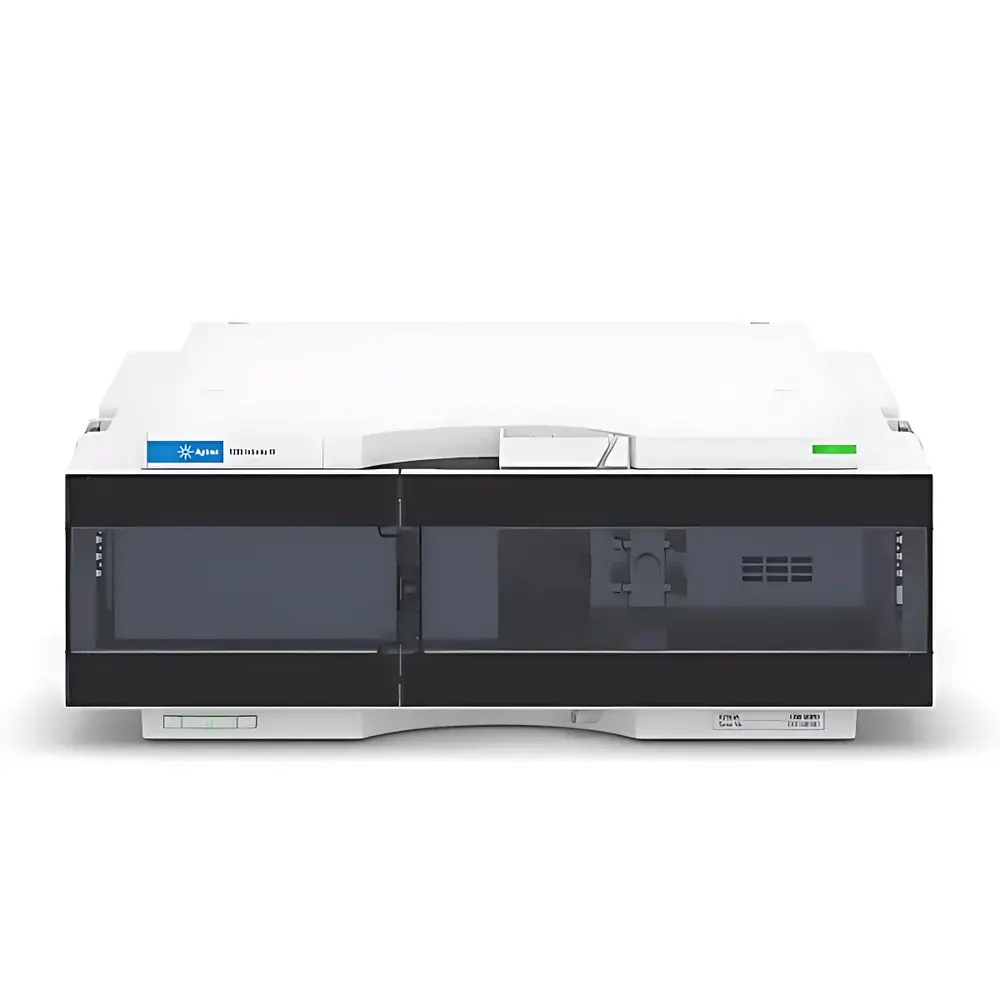
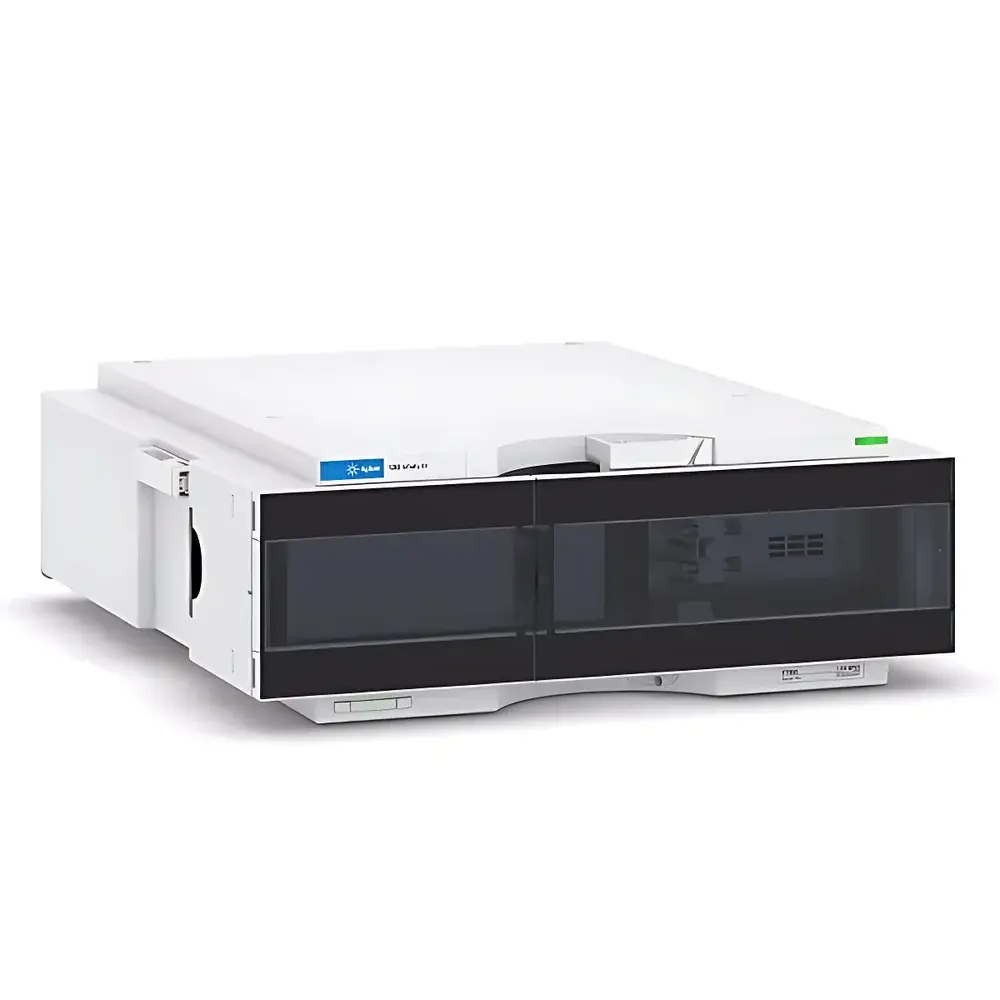
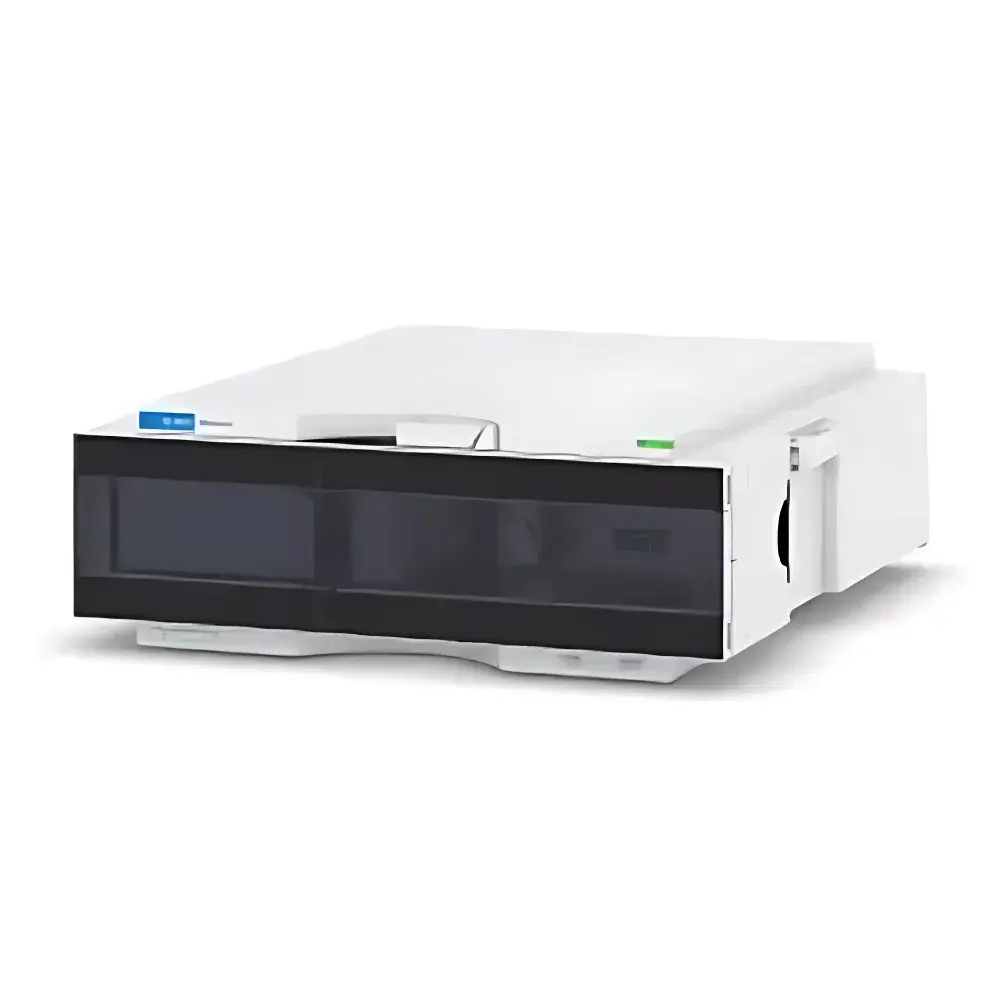
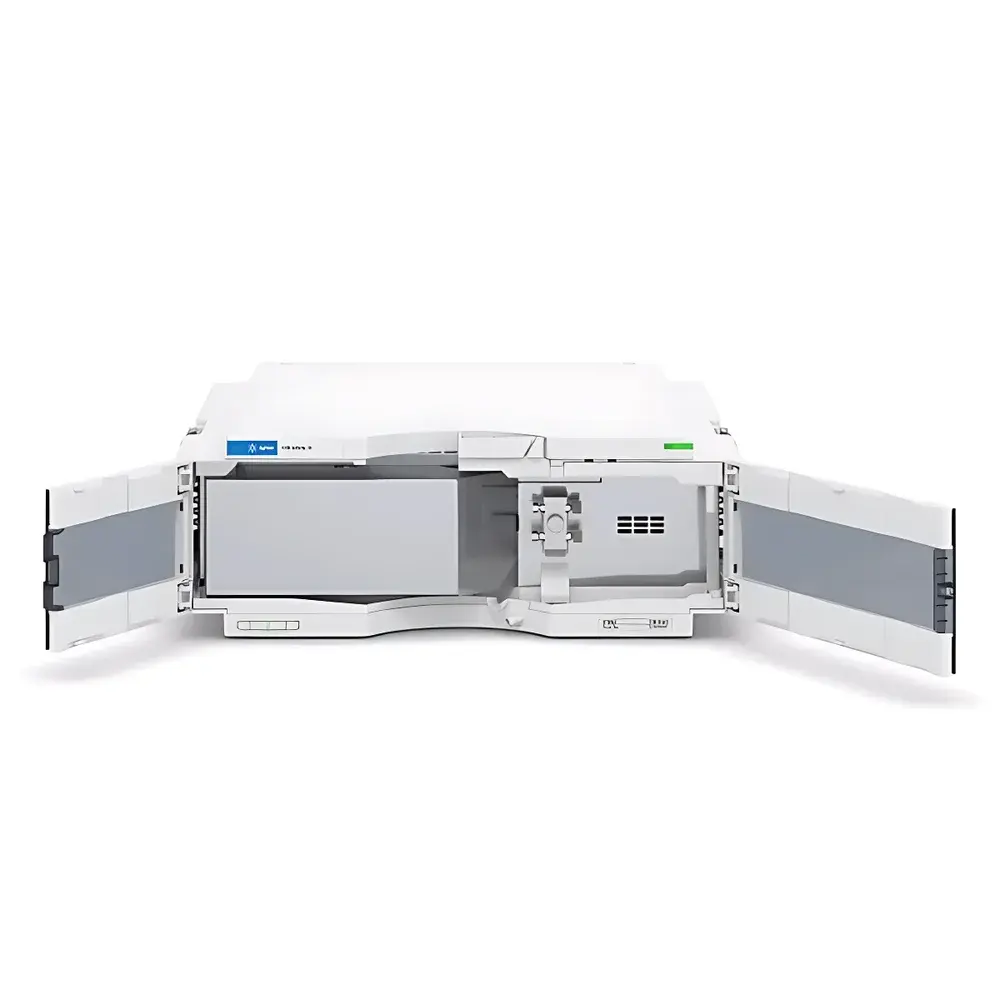
Agilent 1260 Infinity III Multi-Wavelength Detector
| Brand | Agilent Technologies |
|---|---|
| Origin | Germany |
| Manufacturer Type | Original Equipment Manufacturer (OEM) |
| Product Category | Imported Instrument |
| Model | 1260 Infinity III Multi-Wavelength Detector |
| Compatible System | HPLC |
| Detector Type | Diode Array Detector (DAD) |
| Wavelength Range | 190–950 nm |
| Short-Term Noise | < ±7 µAU (ASTM E1657-05) |
Overview
The Agilent 1260 Infinity III Multi-Wavelength Detector is a high-performance diode array detector (DAD) engineered for precision, stability, and regulatory compliance in modern liquid chromatography laboratories. Operating on the principle of simultaneous full-spectrum acquisition across a broad ultraviolet–visible (UV-Vis) range (190–950 nm), it captures spectral data at every data point throughout a chromatographic run—enabling post-run peak identification, purity assessment, and spectral library matching without re-injection. Its optical architecture integrates a high-efficiency holographic grating, thermally stabilized optics, and a 1024-element silicon photodiode array to ensure consistent spectral fidelity and signal-to-noise performance across extended operational cycles.
Key Features
- Ultra-low short-term noise (< ±7 µAU, measured per ASTM E1657-05) achieved via low-noise front-end electronics, optimized flow cell geometry, and active thermal stabilization of optical components
- Simultaneous monitoring of up to eight user-defined wavelengths—each independently configurable for quantitative analysis, enabling multi-analyte detection without sacrificing dwell time or resolution
- High-speed data acquisition at up to 120 Hz, fully synchronized with ultra-fast HPLC gradients and sub-2-µm particle column separations
- Electronic Temperature Control (ETC) maintains optical path stability under ambient fluctuations (±0.1 °C regulation), ensuring baseline reproducibility across shifts and multi-day method transfers
- Programmable slit width (1–16 nm) allows dynamic trade-off between spectral resolution and photometric sensitivity—optimized per application without hardware modification
- RFID-enabled flow cells and deuterium/tungsten lamps automatically log serial numbers, usage hours, calibration history, and maintenance events into instrument metadata—supporting audit-ready traceability
- Automated wavelength verification using an integrated holmium oxide filter, compliant with USP , EP 2.2.25, and ISO/IEC 17025 requirements for periodic system suitability checks
Sample Compatibility & Compliance
The detector supports standard analytical, semi-preparative, and supercritical fluid chromatography (SFC) configurations through 15 interchangeable flow cell options—including 10-mm pathlength analytical cells (1.7 µL volume), low-volume microflow cells (0.5 µL), and high-pressure preparative cells rated to 600 bar. All wetted surfaces are chemically inert (316L stainless steel, fused silica, and sapphire windows), compatible with aggressive mobile phases (e.g., 100% acetonitrile, TFA, HFIP). The system complies with FDA 21 CFR Part 11 for electronic records and signatures when operated with Agilent OpenLab CDS or MassHunter software; audit trails, user access controls, and electronic signature workflows are natively supported. It meets ICH Q2(R2) guidelines for detector qualification and is routinely deployed in GLP and GMP environments for stability-indicating assays, impurity profiling, and release testing.
Software & Data Management
Fully integrated with Agilent OpenLab CDS (ChemStation Edition and EZChrom Edition), the detector enables real-time spectral viewing, peak purity evaluation (via angle, threshold, and similarity algorithms), and automated peak tracking across wavelength channels. All spectral data are stored in vendor-neutral .spc format and can be exported for third-party chemometric analysis (e.g., PCA, MCR-ALS). The built-in Lab Advisor diagnostics engine continuously monitors lamp energy, baseline drift, noise levels, and flow cell pressure—generating contextual alerts and actionable recommendations. Raw data files include embedded metadata (RFID logs, calibration timestamps, environmental sensor readings), satisfying ALCOA+ principles (Attributable, Legible, Contemporaneous, Original, Accurate, Complete, Consistent, Enduring, Available).
Applications
This detector is routinely applied in pharmaceutical QC/QA for assay validation, degradation product identification, and forced degradation studies; in biopharma for monoclonal antibody aggregate/fragment analysis via UV spectral deconvolution; in food safety for multi-residue pesticide screening using spectral match libraries; and in environmental labs for polycyclic aromatic hydrocarbon (PAH) speciation in water extracts. Its linear dynamic range (>4 orders of magnitude) supports simultaneous quantification of major actives, process-related impurities, and genotoxic degradants within a single injection—reducing method development time and consumables cost.
FAQ
What regulatory standards does the wavelength verification routine satisfy?
The holmium oxide filter-based verification conforms to USP , European Pharmacopoeia 2.2.25, and ISO/IEC 17025 clause 5.9.1 for wavelength accuracy verification.
Can the detector be used with non-Agilent HPLC systems?
Yes—it features analog voltage output (0–1 V DC) and RS-232/USB interfaces for integration with third-party LC controllers, though full spectral functionality and RFID support require Agilent’s native communication protocol.
Is the 120 Hz acquisition rate maintained across all wavelengths?
Yes—full-spectrum acquisition at 120 Hz delivers 1024-point spectra at that rate; extracting eight discrete wavelengths from the same dataset retains temporal resolution without interpolation delay.
How does ETC differ from conventional oven-based temperature control?
ETC uses solid-state Peltier elements and closed-loop feedback directly on the optical bench, achieving faster response (<30 s settling) and tighter stability (±0.05 °C) than air-circulated ovens, minimizing thermal lensing effects in the flow cell.
Are flow cell replacements field-serviceable without recalibration?
Yes—RFID-tagged cells auto-configure gain, offset, and spectral correction tables upon installation; no manual calibration or service engineer intervention is required.




