
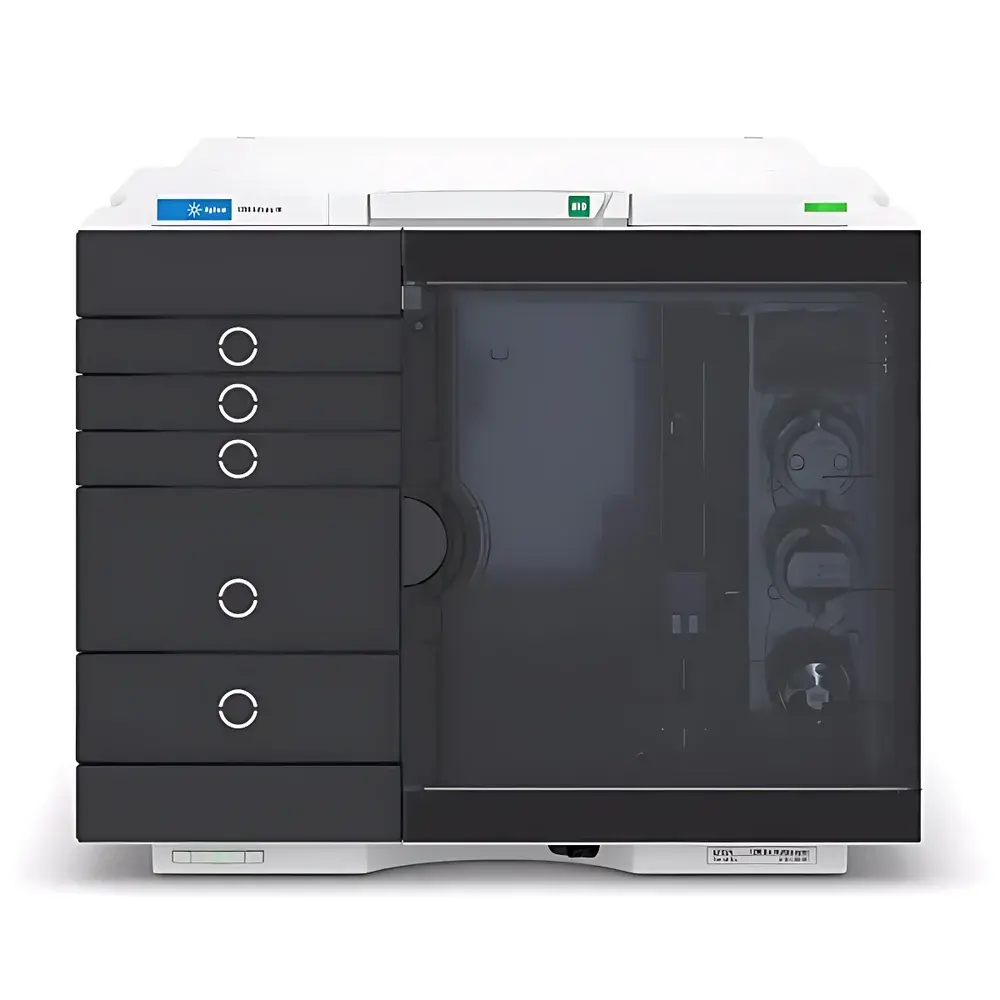
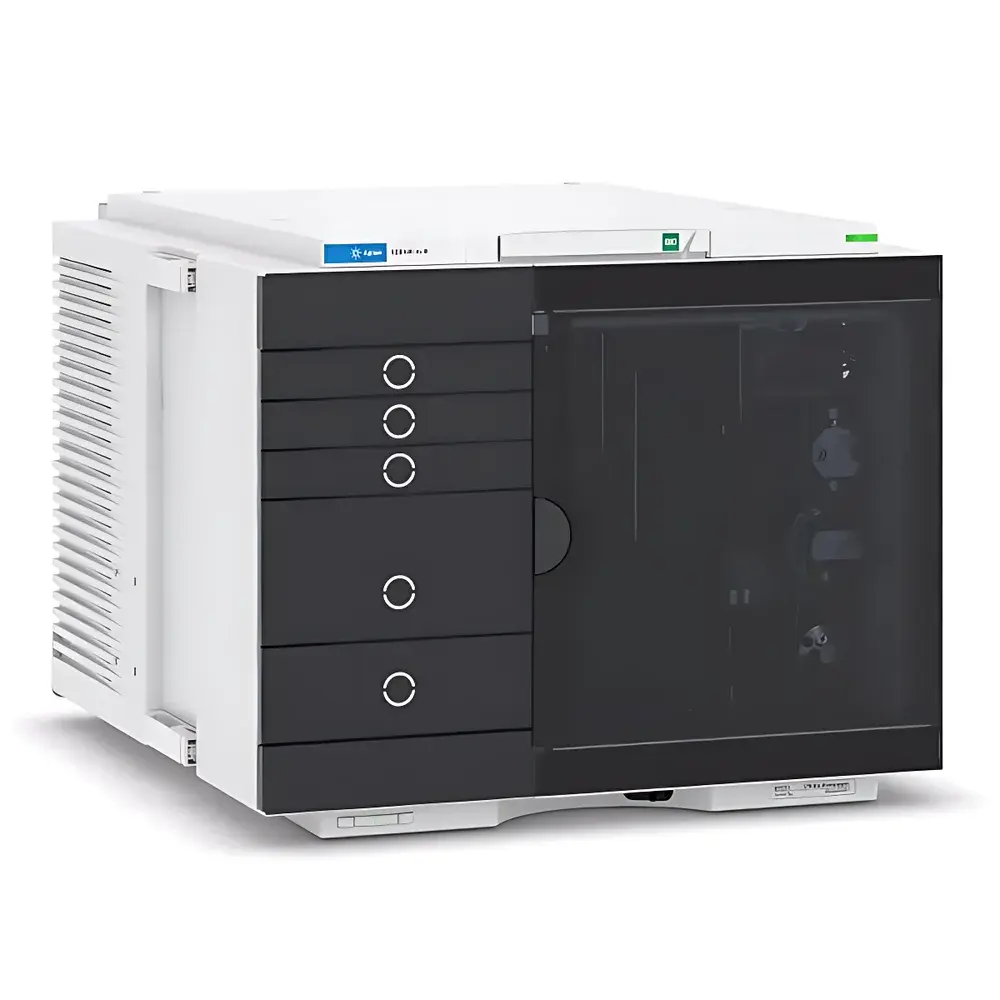
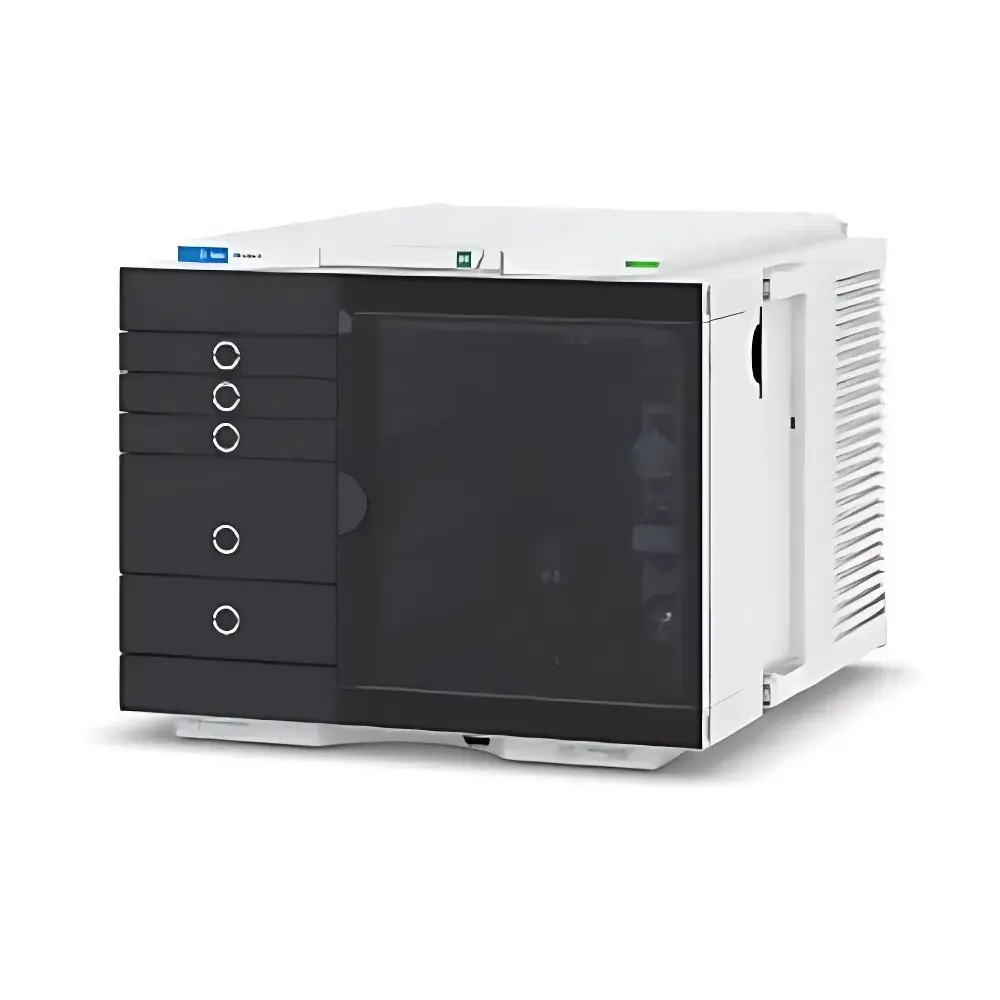
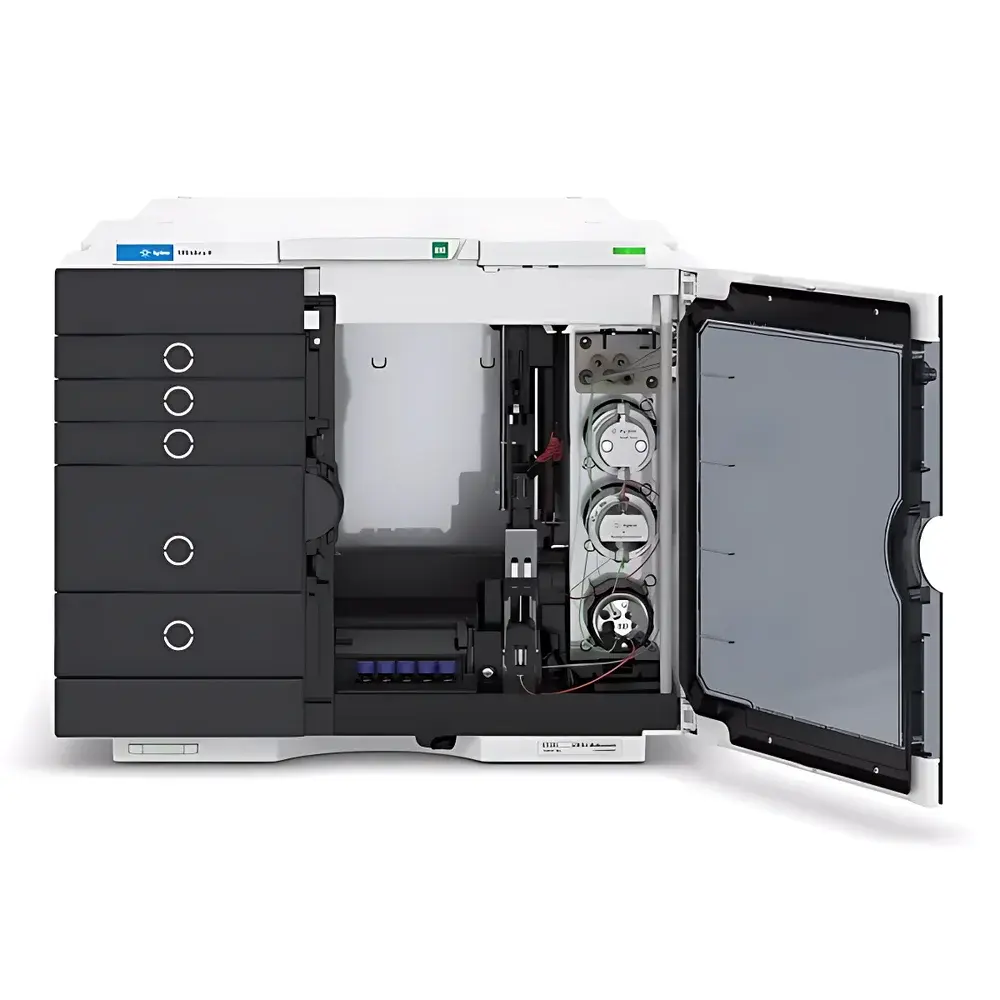
Agilent 1290 Infinity III Bio Multisampler
| Brand | Agilent Technologies |
|---|---|
| Origin | Germany |
| Manufacturer Type | Original Equipment Manufacturer (OEM) |
| Product Origin | Imported |
| Model | 1290 Infinity III Bio Multisampler |
| Instrument Type | HPLC Autosampler |
| Maximum Sample Capacity | 6144 samples |
| Operating Pressure Rating | Up to 1300 bar |
| Temperature Control Range (optional integrated chiller/heater) | 4–40 °C |
| Sample Tray Flexibility | Three-height drawer configuration supporting vials and microplates (including shallow-format plates) |
| Carryover | <9 ppm with optional multi-wash and needle seat backflush |
| Sample Path Material | Biocompatible (low-binding, inert surfaces) |
Overview
The Agilent 1290 Infinity III Bio Multisampler is a high-pressure, biocompatible autosampler engineered for robust, high-throughput liquid chromatography analysis of sensitive biomolecules—including monoclonal antibodies (mAbs), antibody-drug conjugates (ADCs), peptides, oligonucleotides, and recombinant proteins. Designed as an integral component of the Agilent 1290 Infinity III LC platform, it operates at pressures up to 1300 bar and integrates seamlessly into modular LC stacks without increasing footprint—maintaining full system scalability within standard laboratory bench space. Its core architecture employs inert, low-surface-interaction fluidic pathways constructed from biocompatible materials (e.g., titanium, PEEK, and specialized coatings) to minimize adsorption, aggregation, or denaturation of labile analytes. This design directly supports regulatory requirements for biomolecular integrity in QC release testing, stability studies, and comparability assessments under ICH Q5E and Q5C guidelines.
Key Features
- Biocompatible flow path with minimized surface area contact and passivated metal components to preserve structural integrity of large biomolecules
- Integrated, user-configurable temperature control module (optional) maintaining precise thermal regulation between 4 °C and 40 °C—critical for thermolabile samples such as enzyme preparations or viral vectors
- Three-tier drawer system enabling simultaneous loading of 2-mL vials, 96-well, 384-well, and shallow-format microplates (e.g., 1536-well compatible via adapter trays)
- Ultra-high sample capacity: up to 6144 positions using shallow microplate configurations—achievable within the same physical footprint as standard LC modules
- Advanced carryover mitigation: dual-stage cleaning protocol combining external needle wash (multi-solvent) and needle seat backflush, validated to reduce carryover to <9 ppm across diverse biomolecule classes
- Robust robotic arm mechanism with positional repeatability < ±0.1 mm, ensuring consistent probe insertion depth and injection volume accuracy across thousands of cycles
Sample Compatibility & Compliance
The Bio Multisampler accommodates a broad range of container formats—including screw-thread vials (1.5–2 mL), crimp-top vials, PCR tubes, and all standard microplate footprints (ANSI/SLAS-compliant). Its biocompatible wetted path complies with USP material classification for pharmaceutical contact surfaces. When deployed in regulated environments (e.g., GMP manufacturing or GLP toxicology labs), the system supports 21 CFR Part 11-compliant audit trails when operated with OpenLab CDS or MassHunter software. It meets ASTM D7260-22 requirements for automated sampling reproducibility and is validated per ISO/IEC 17025:2017 for method traceability in accredited laboratories.
Software & Data Management
Controlled natively through Agilent OpenLab CDS 2.x or MassHunter Acquisition, the Bio Multisampler enables method-driven scheduling, event-triggered injections, and real-time status monitoring. All sample events—including tray position, injection time, temperature log, wash cycle execution, and pressure feedback—are timestamped and stored with cryptographic integrity. Audit trail functionality records operator actions, parameter changes, and system alerts—fully exportable in CSV or PDF for regulatory submission. Optional integration with Agilent’s Intelligent System Emulation Technology (ISET) allows method transfer validation between different LC platforms without re-optimization.
Applications
- High-throughput stability-indicating assays for biologics under ICH Q5C conditions
- Peptide mapping workflows requiring >1000 injections per day with minimal carryover
- Comparability studies across biosimilar development batches
- Automated QC release testing of cell and gene therapy products (e.g., AAV titer, plasmid purity)
- Multi-dimensional LC–MS analysis of intact proteins and subunits
- Method development for ultra-high-resolution separations on sub-2-µm particle columns
FAQ
Is the Bio Multisampler compatible with non-Agilent LC systems?
Yes—via standard RS-232 or Ethernet interfaces using Agilent’s OpenLab Driver Framework; however, full pressure-rated operation (up to 1300 bar) and biocompatibility assurance require native integration with 1290 Infinity III LC modules.
Can the temperature-controlled drawer be retrofitted to existing 1290 Infinity II Multisamplers?
No—temperature control is hardware-integrated at the chassis level and requires factory installation during initial configuration or upgrade service.
What validation documentation is provided for GMP use?
Agilent supplies Installation Qualification (IQ), Operational Qualification (OQ), and Performance Qualification (PQ) protocols compliant with Annex 11 and FDA guidance; these are customizable per site-specific risk assessment.
Does the system support dynamic dilution or online derivatization?
Not natively—the Bio Multisampler is a dedicated sampling module; however, it interfaces with Agilent’s 1290 Infinity III Binary Pump and 1290 Infinity III Thermostatted Column Compartment for synchronized gradient and column temperature control.
How is carryover performance verified during qualification?
Using a certified reference standard (e.g., insulin or trastuzumab) injected in triplicate at high concentration, followed by blank injections; peak area in blanks must remain below 0.009% of the high-concentration standard peak area.




