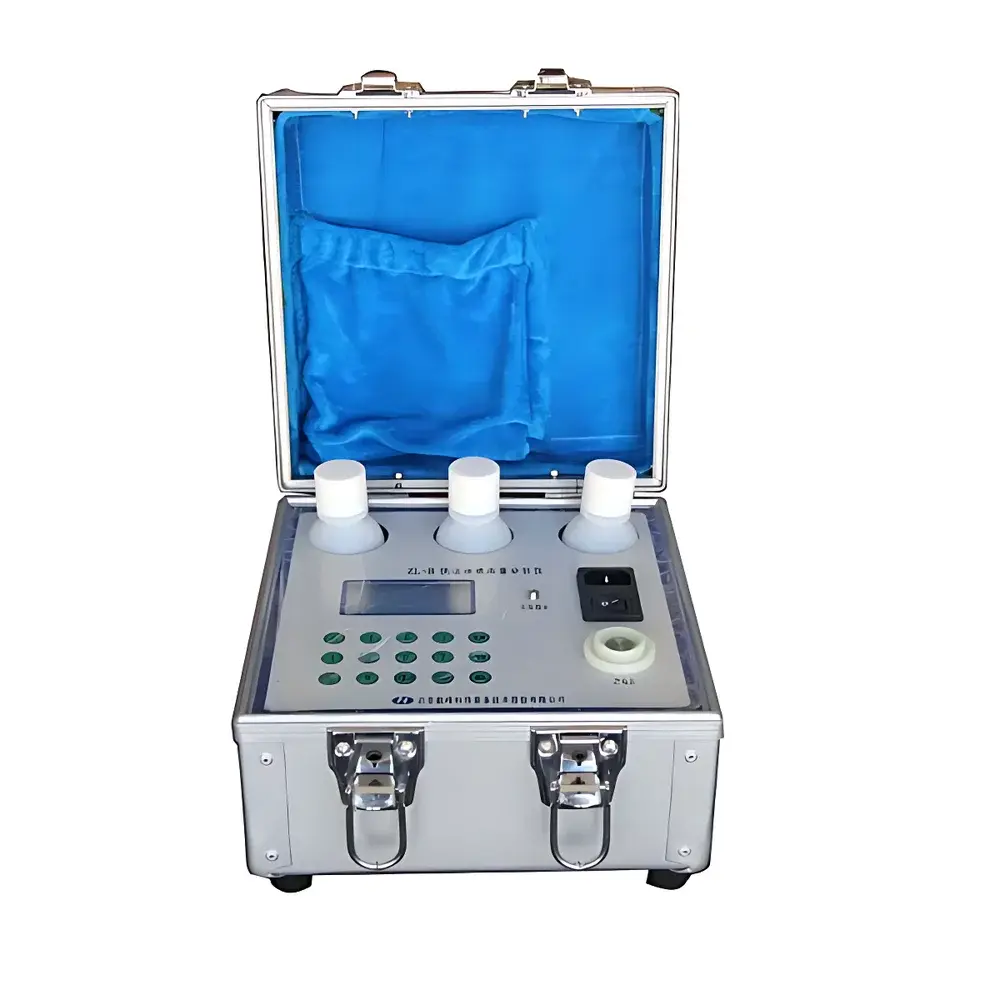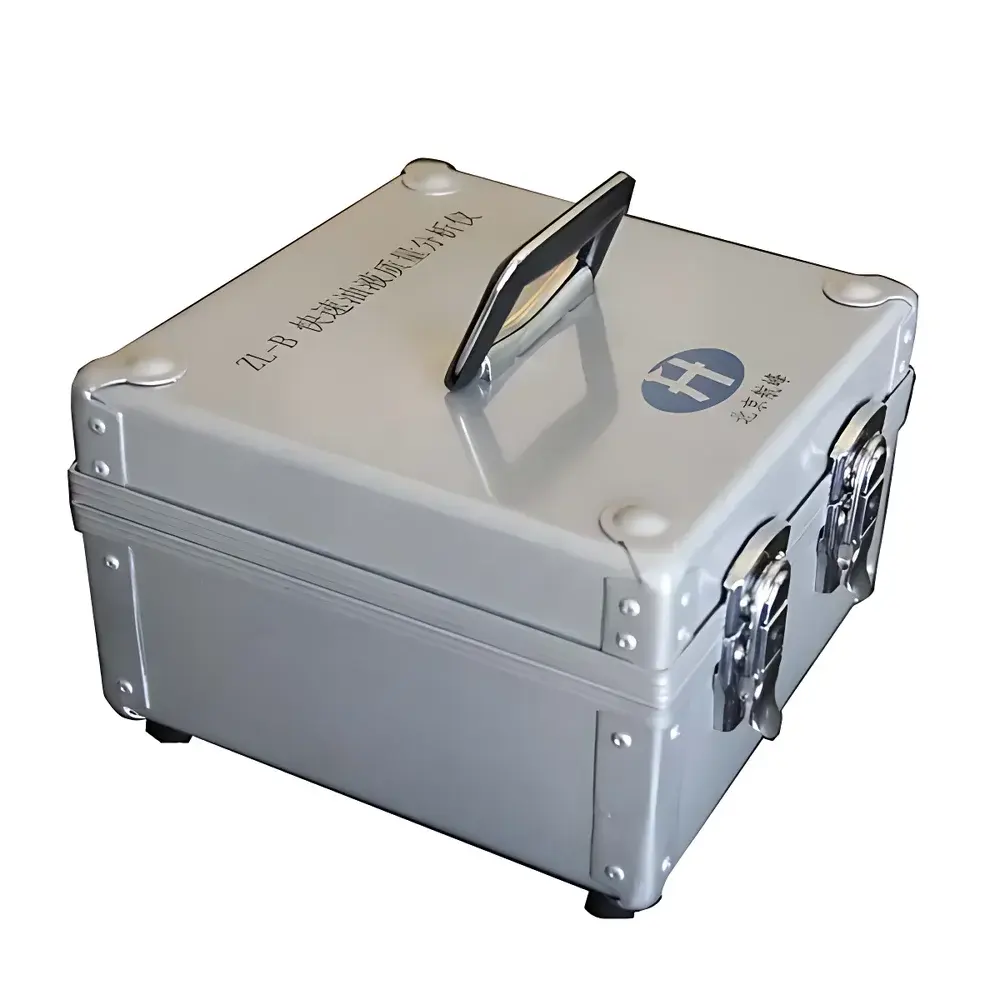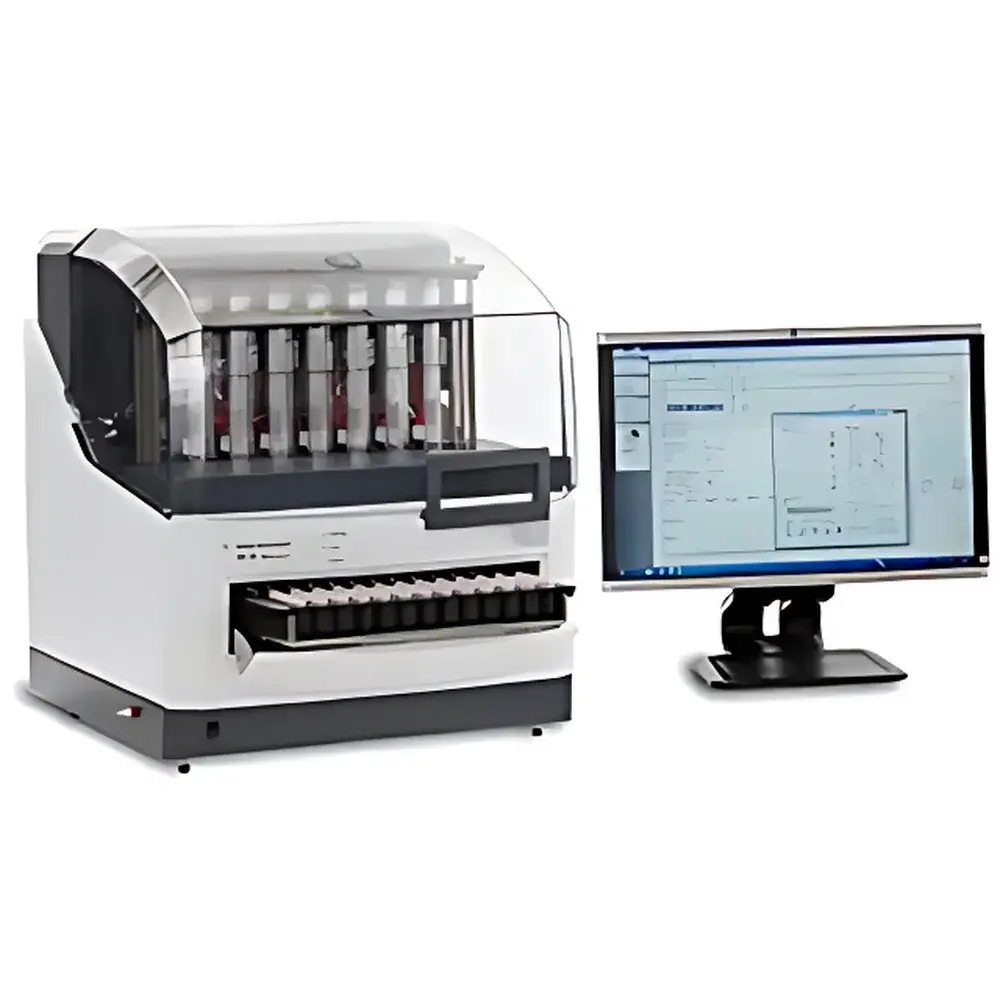
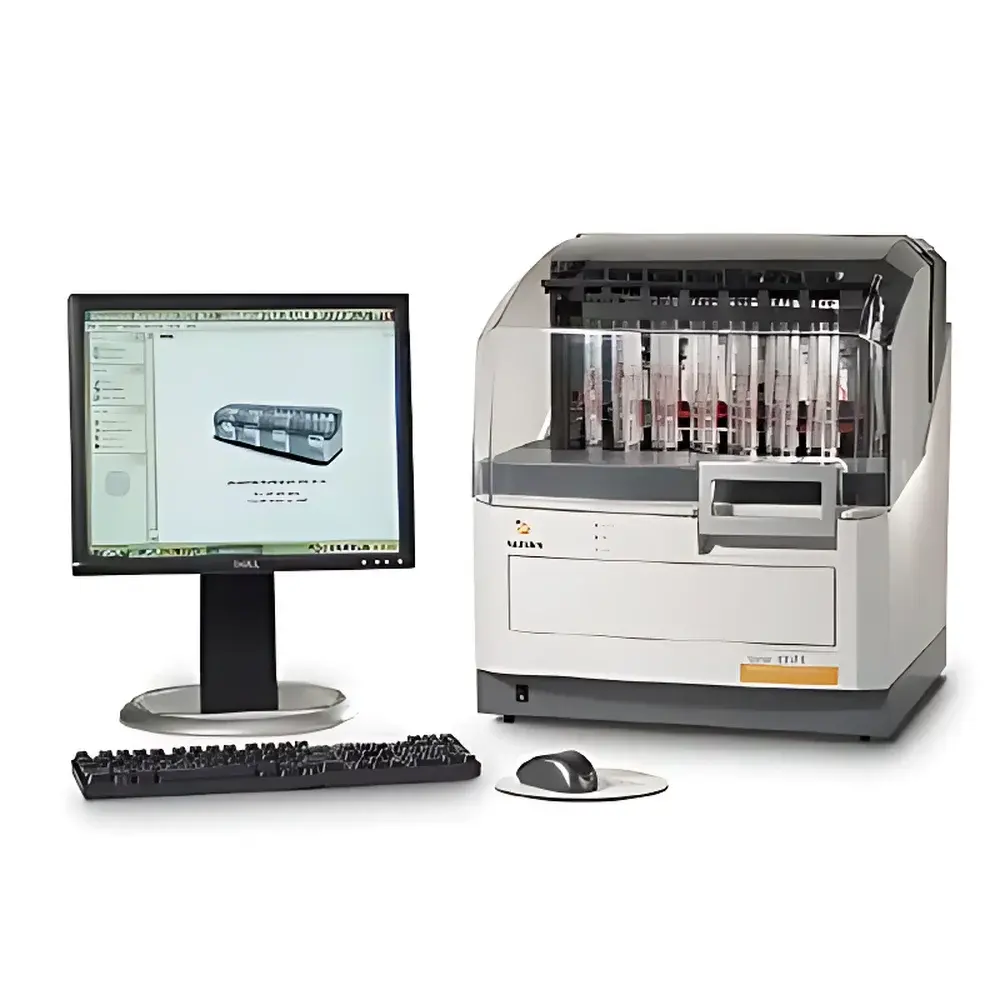
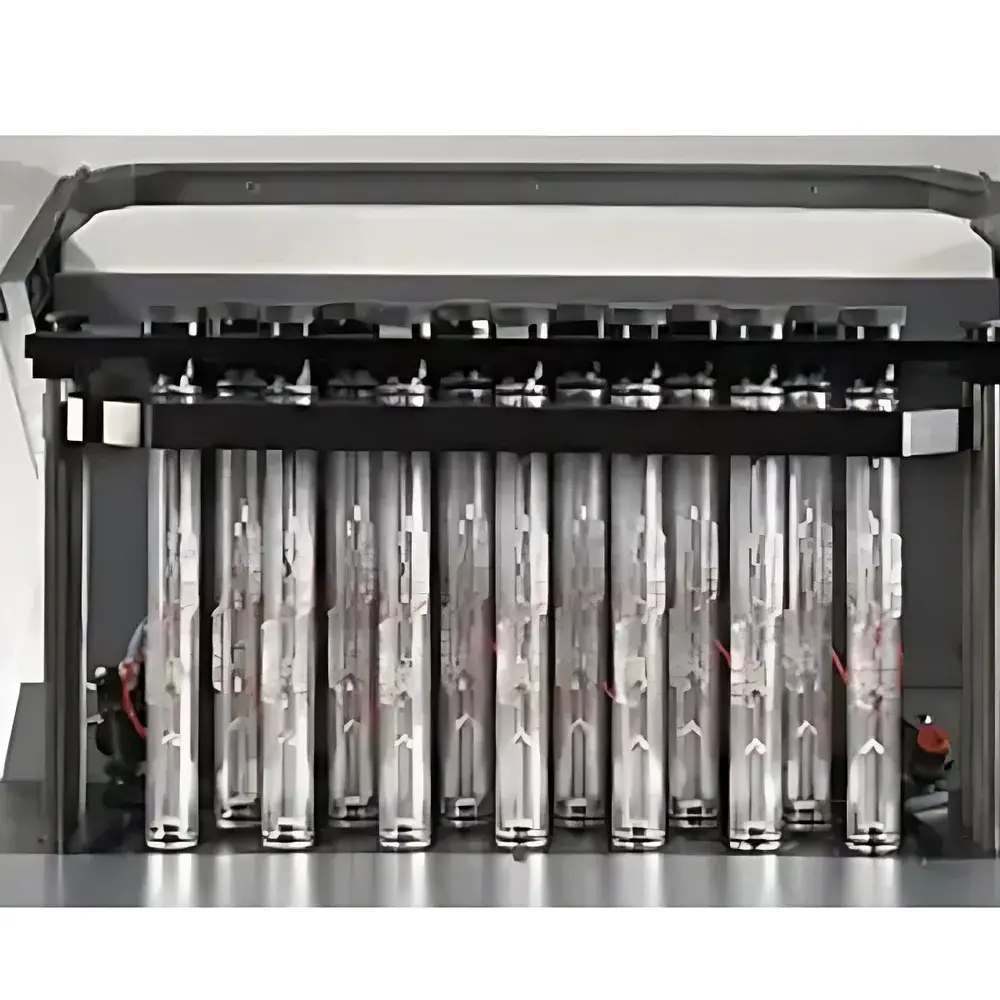
Agilent 400-DS 7-Stage Dissolution Tester
| Brand | Agilent Technologies |
|---|---|
| Origin | Imported |
| Manufacturer Type | Manufacturer |
| Instrument Type | Offline Dissolution Tester |
| Vessel Capacity | 13 positions |
| Temperature Range | Ambient +5 °C to 55 °C |
| Temperature Accuracy | ±0.1 °C |
| Agitation Rate | 1–35 DPM (Dips Per Minute) |
Overview
The Agilent 400-DS 7-Stage Dissolution Tester is an engineered platform for low-volume, high-precision dissolution testing of complex pharmaceutical and medical device products. Unlike conventional USP Apparatus 1–4 systems, the 400-DS implements a patented 7-stage reciprocating holder mechanism—designed specifically to simulate physiological mechanical stress while maintaining strict control over fluid volume, temperature, and timing. It operates on the principle of controlled reciprocation (DPM), where sample carriers undergo vertical oscillation within precisely regulated small-volume dissolution vessels (as low as 3 mL), enabling physiologically relevant release kinetics assessment for implants, drug-eluting stents, transdermal patches, intraocular lenses, catheters, and combination products. Its architecture eliminates reliance on external water baths, instead integrating Peltier-based thermal regulation with real-time feedback from embedded vessel-specific temperature probes—ensuring compliance with ICH Q5C stability requirements and minimizing evaporation-induced concentration drift.
Key Features
- True low-volume operation: Supports automated dissolution testing in 3–10 mL media volumes per vessel, optimized for minimal sample consumption and maximal analytical integrity.
- 13-position vessel configuration: Enables concurrent testing of up to 12 samples plus 1 reference or QC standard per run—ideal for comparative release profiling and accelerated stability studies.
- Reciprocating motion control: Programmable dips-per-minute (DPM) range of 1–35 with adjustable stroke depth and dwell time, compliant with USP and ASTM F2503 for medical device elution testing.
- Integrated fluid handling: Onboard syringe pump and multi-solvent selection valve allow automated addition, partial replacement, or full exchange of up to five distinct dissolution media types across 36 programmable time points.
- Sealed, bath-free thermal management: Independent Peltier heating/cooling modules coupled with vessel-integrated Pt100 sensors maintain ±0.1 °C uniformity across all 13 positions without condensation or cross-contamination risks.
- Compact modular design: Combines dissolution, sampling, and media exchange functions into a single footprint—reducing bench space by >40% compared to legacy multi-instrument setups.
Sample Compatibility & Compliance
The 400-DS accommodates diverse geometries including vascular stents, ocular implants, microneedle arrays, hydrogel-based contact lenses, and polymer-coated electrodes. Customizable holders meet ISO 10993-12 and USP requirements for extractables and leachables testing. All hardware and firmware comply with FDA 21 CFR Part 11, EU Annex 11, and GLP/GMP data integrity standards—including electronic signatures, audit trails, role-based access control, and immutable method locking. System validation documentation supports IQ/OQ/PQ execution per ASTM E2503 and USP general chapter .
Software & Data Management
Controlled via Agilent Dissolution Manager software—a validated, 21 CFR Part 11-compliant application supporting method development, sequence scheduling, real-time monitoring, and automated report generation. The software enables synchronized control of up to four 400-DS units from a single PC workstation. All raw sensor data (temperature, DPM, media volume, time stamps) are time-stamped, encrypted, and stored in a relational database with configurable retention policies. Export formats include CSV, PDF, and XML for integration with LIMS and statistical process control (SPC) platforms. Audit trail logs capture every user action, parameter change, and system event with non-erasable timestamps.
Applications
- Drug-eluting cardiovascular devices (stents, balloons, filters)
- Sustained-release ophthalmic implants and silicone hydrogel lenses
- Transdermal delivery systems and microneedle patches
- Bioresorbable scaffolds and orthopedic fixation devices
- Combination products requiring simultaneous physicochemical and biological release characterization
- Extractables and leachables screening per USP , ISO 10993-12, and PQRI guidelines
FAQ
Does the 400-DS support USP Apparatus 7 compliance?
Yes—the system fully implements USP “Reciprocating Holder” methodology, including calibrated DPM control, defined stroke geometry, and vessel temperature uniformity specifications.
Can it perform sequential media changes during a single run?
Yes—up to five different solvents can be programmed for timed addition or replacement at any of 36 user-defined intervals, with full volumetric tracking per vessel.
Is remote monitoring and control supported?
Yes—via secure Ethernet connection and Agilent Dissolution Manager’s web-enabled interface, enabling real-time status viewing and emergency pause/resume from offsite locations.
What sample container formats are compatible?
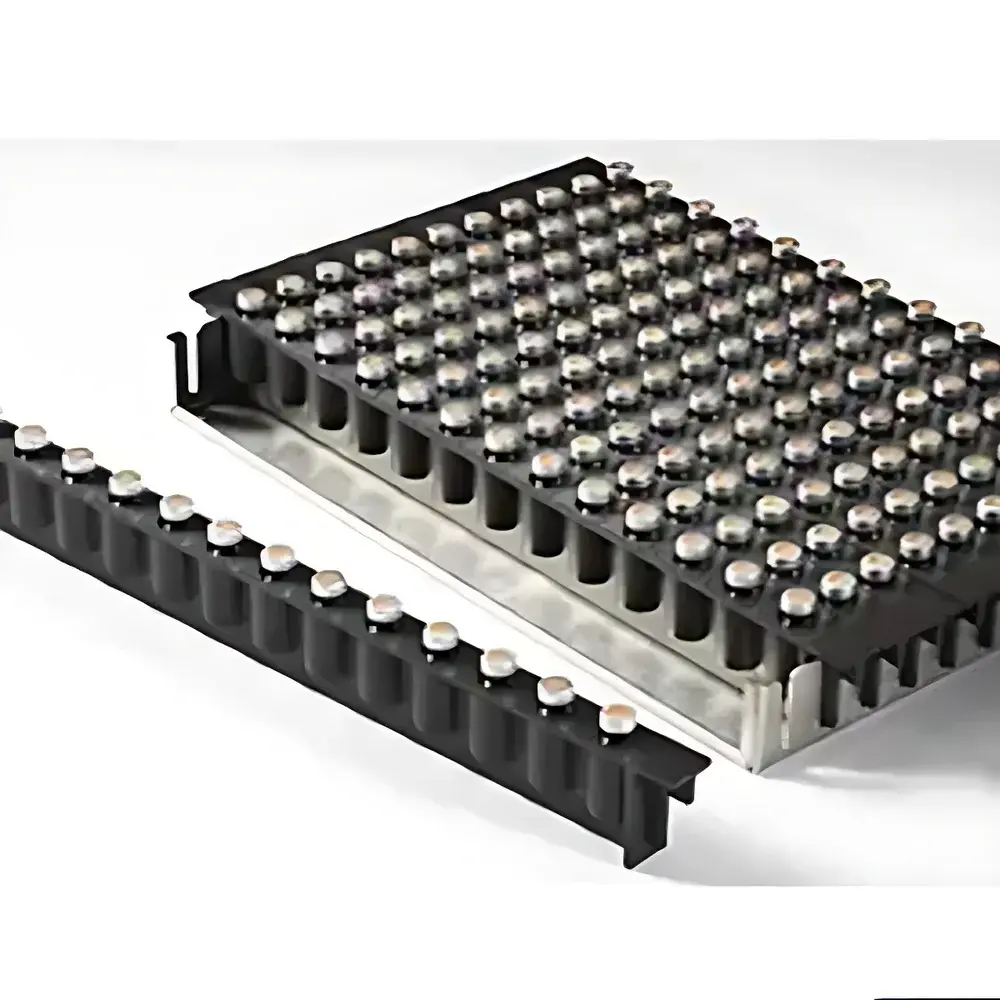
Standard 2 mL and 4 mL HPLC vials mounted on custom carrier plates; optional fixtures available for ISO-standard dissolution cups and specialty device holders.
How is temperature uniformity verified across all 13 vessels?
Each vessel contains an independent Pt100 sensor; calibration is traceable to NIST standards, and uniformity is validated per USP using thermographic mapping and probe-based verification protocols.