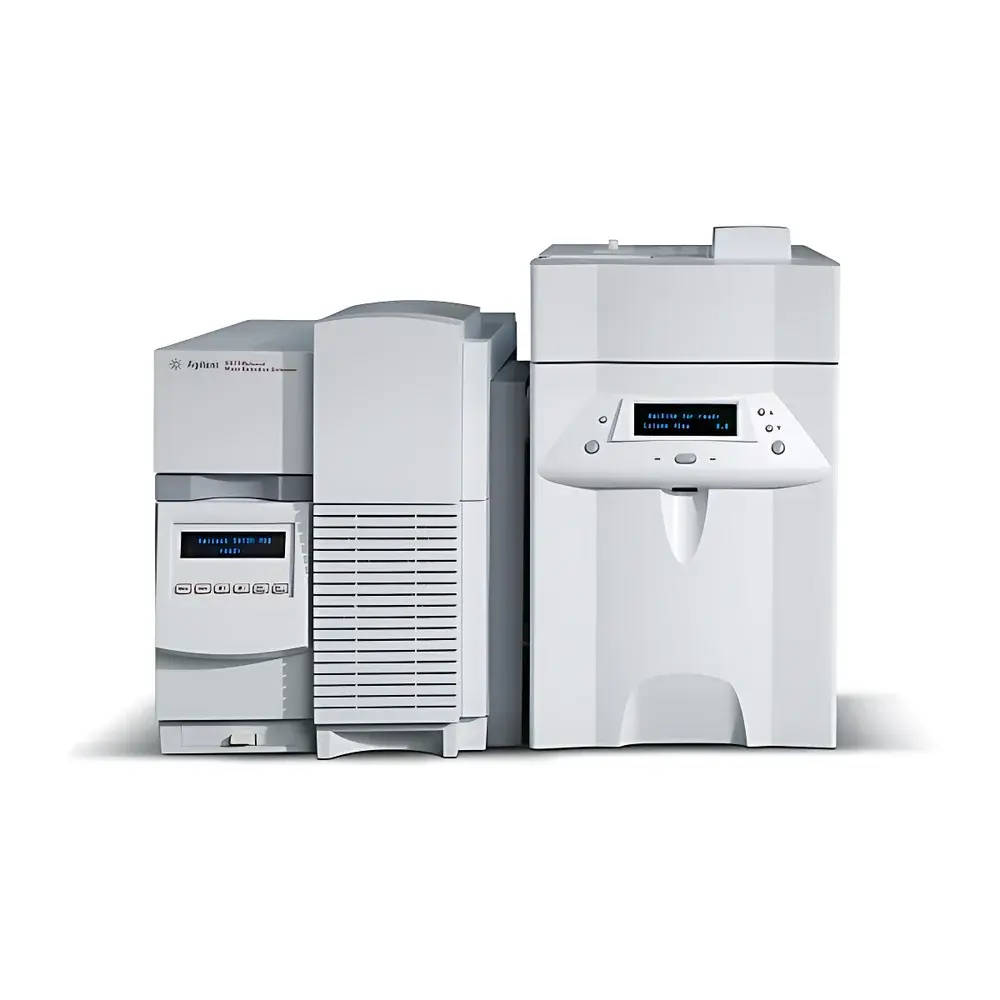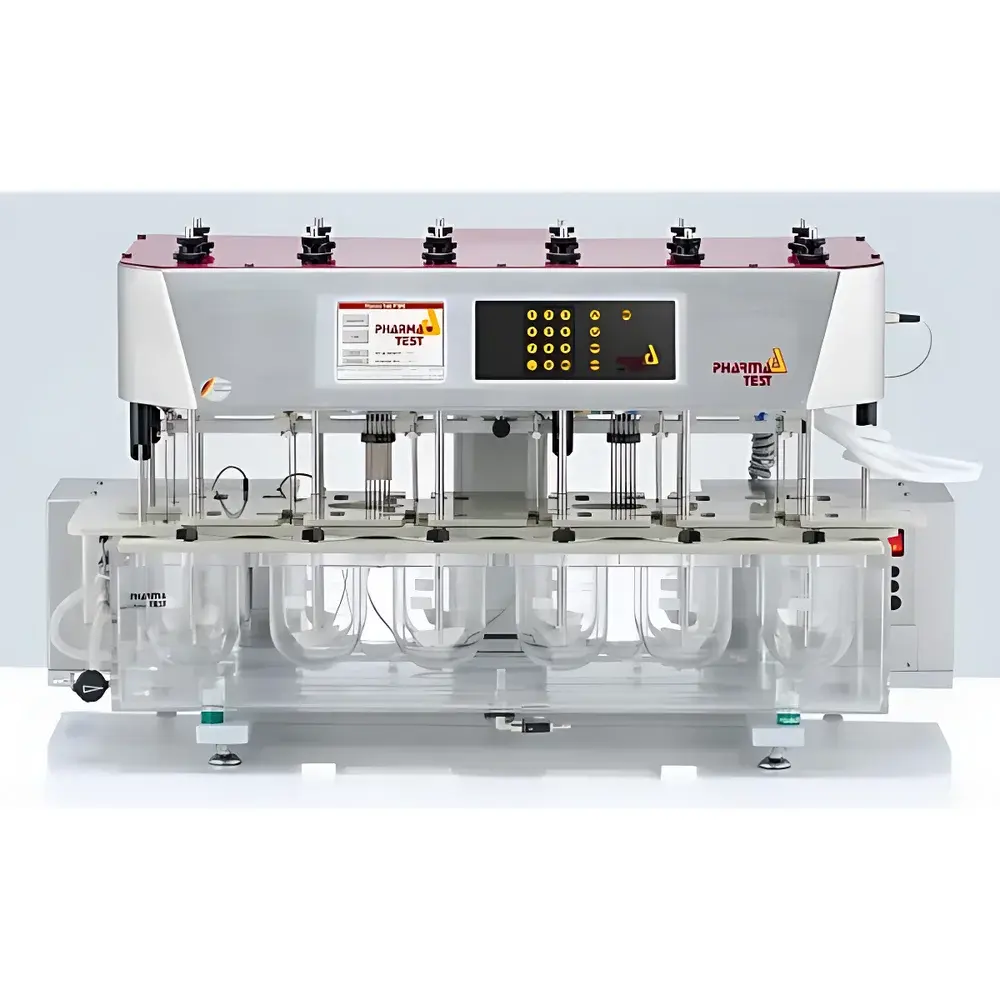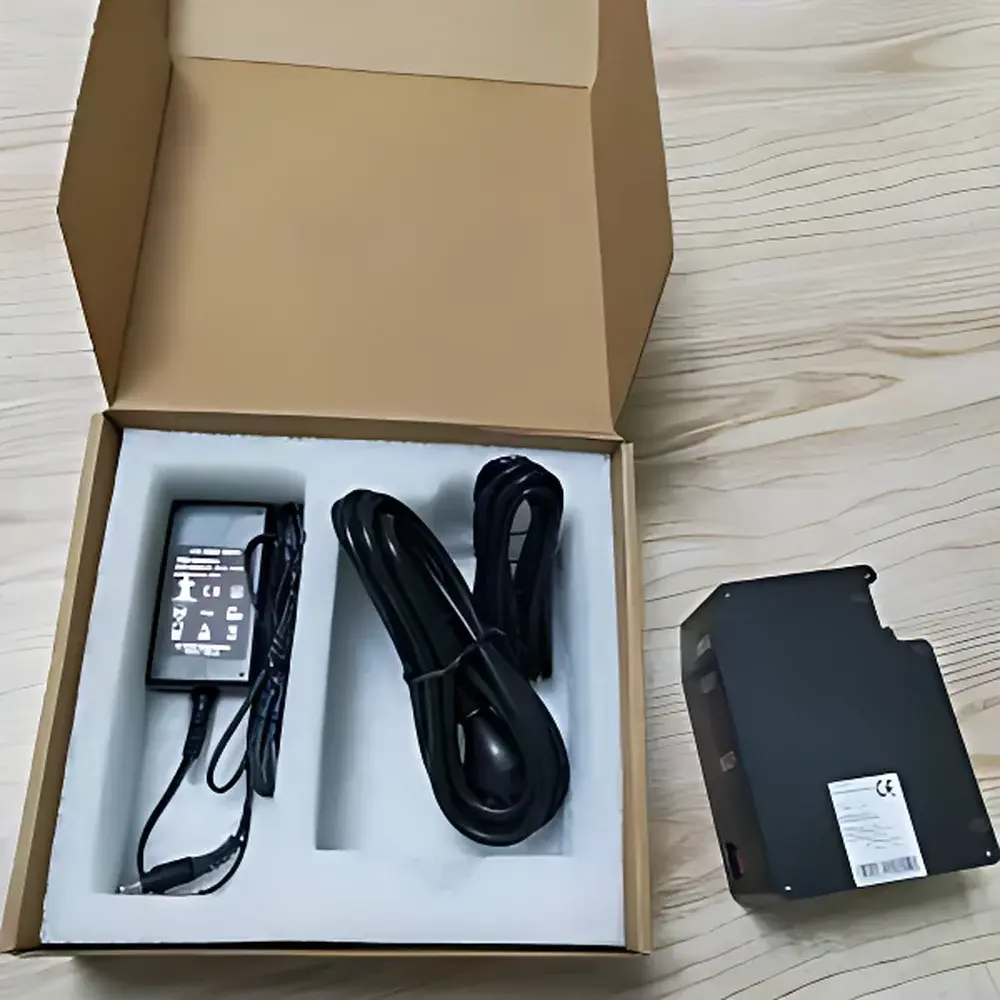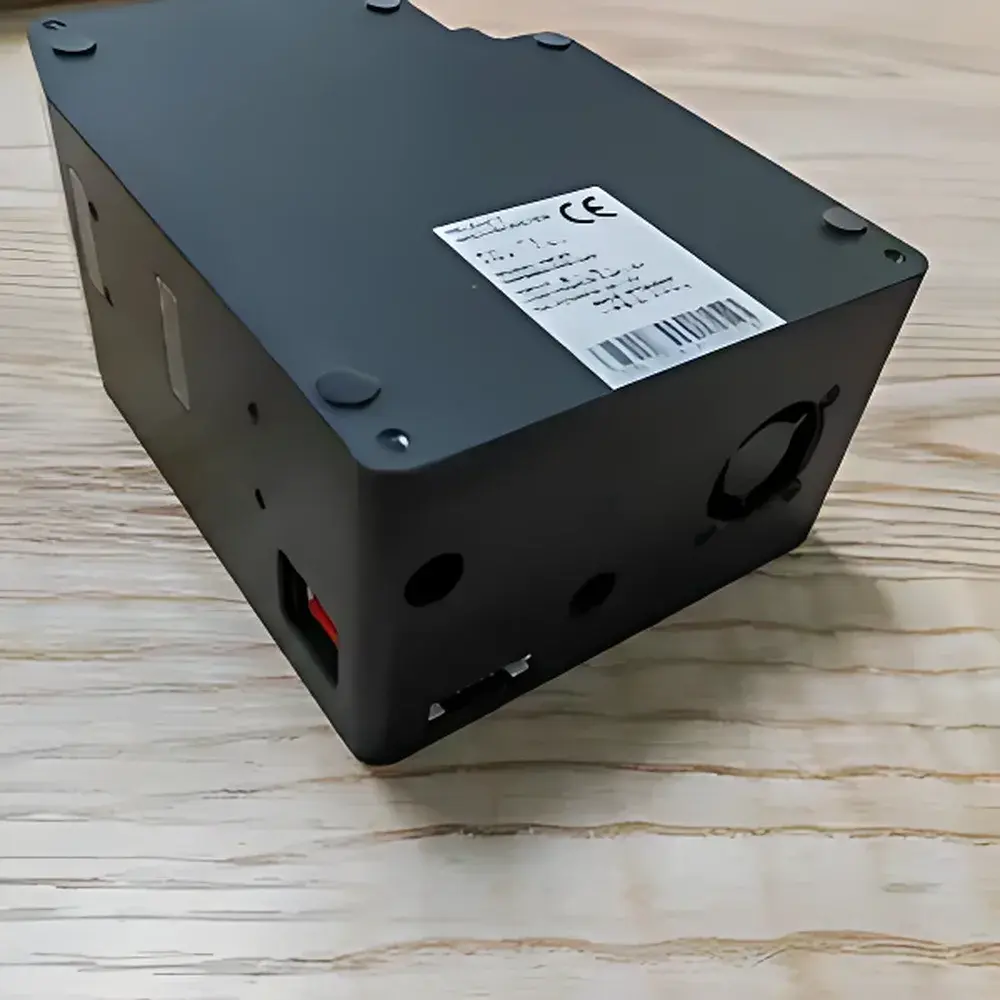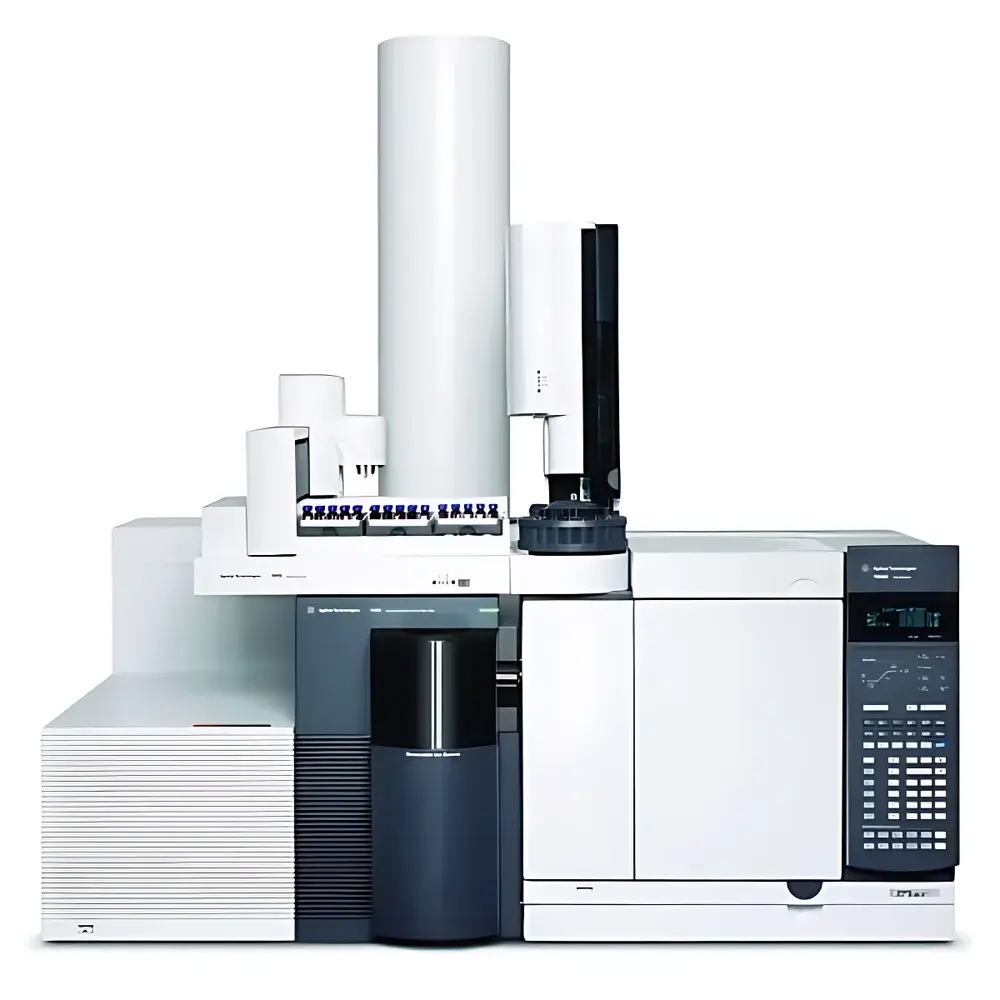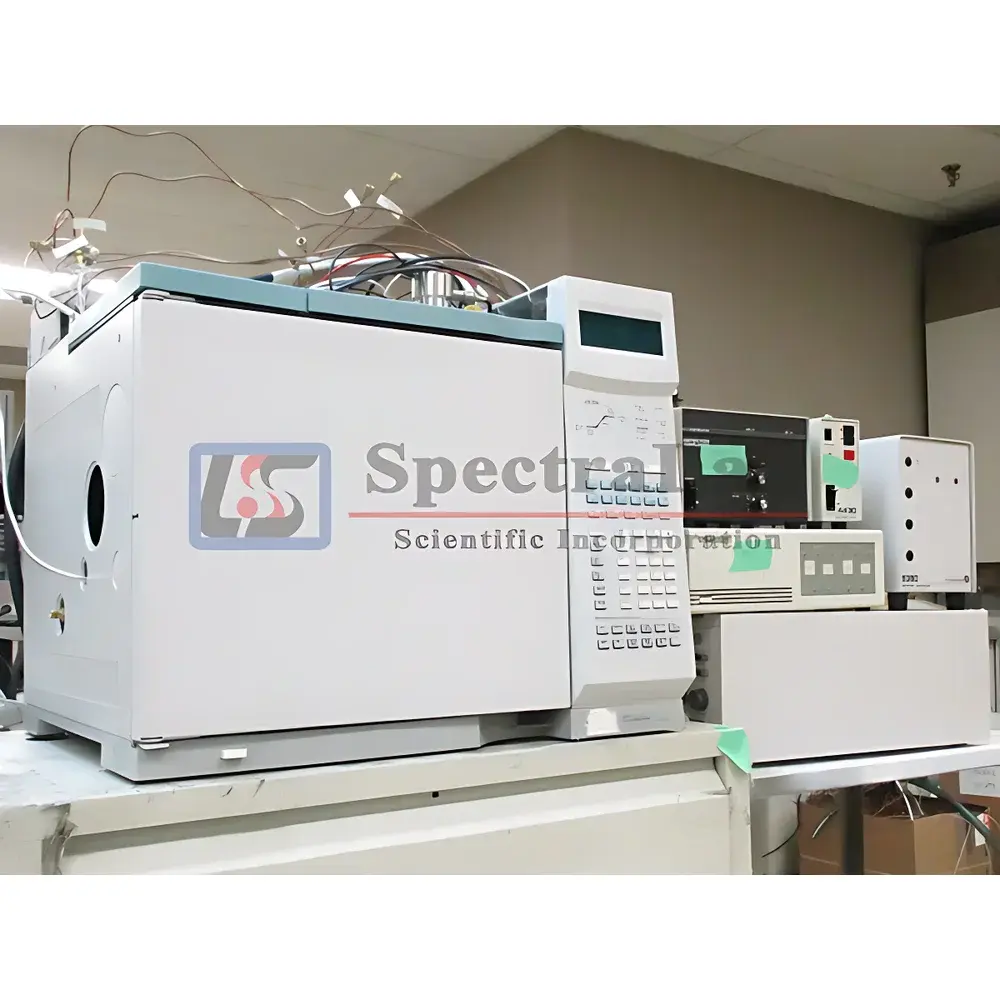
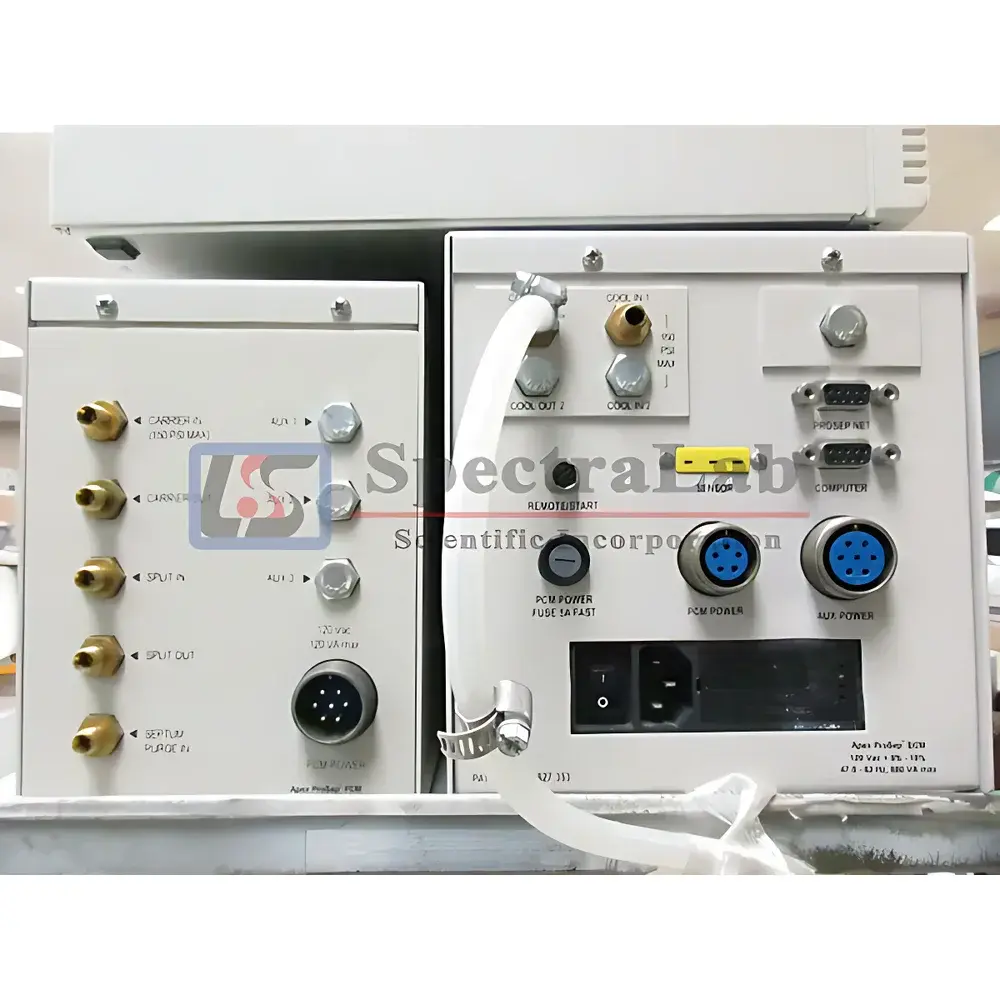
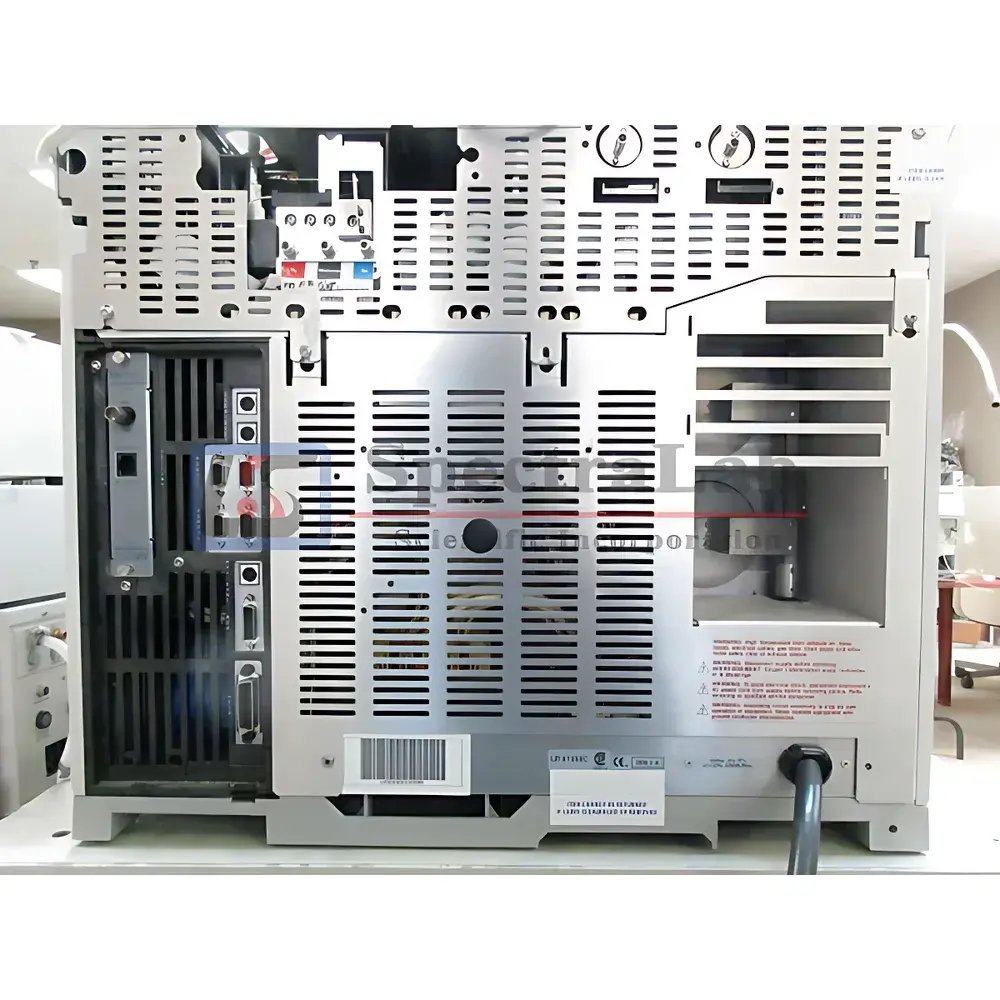
Agilent 6890 Gas Chromatograph with Integrated PID/FID Tandem Detector
| Brand | Agilent Technologies |
|---|---|
| Origin | Canada |
| Manufacturer Type | Authorized Distributor |
| Origin Category | Imported Instrument |
| Model | 6890 GC with OI 4430/4410 Tandem PID/FID Detector |
| Usage Duration | 2–3 Years |
| Warranty | 6 Months |
| Detection Principle | Photoionization + Flame Ionization Detection |
| Column Compatibility | Packed & Capillary Columns |
| Max FID Temperature | 375 °C |
| FID Detection Limit | <5 pg C/s (propane, N₂ carrier, 0.29 mm jet) |
| FID Linear Dynamic Range | 10⁷ (±10%, full-range auto-scaling) |
| Data Acquisition Rate | Up to 200 Hz |
| Carrier Gases | He, N₂, H₂ |
| Air Flow Range | 0–800 mL/min |
| H₂ Flow Range | 0–100 mL/min |
| Makeup Gas Flow Range | 0–100 mL/min |
Overview
The Agilent 6890 Gas Chromatograph equipped with the OI Analytical 4430/4410 Tandem PID/FID Detector is a purpose-engineered solution for laboratories requiring simultaneous, orthogonal detection of volatile organic compounds (VOCs) across broad chemical classes. Unlike conventional single-detector configurations, this system integrates a photoionization detector (PID) and a flame ionization detector (FID) in series within a single detector port—enabling concurrent acquisition of two independent chromatographic signals from a single injection. The tandem architecture leverages the complementary selectivity of each detector: the PID provides enhanced sensitivity toward aromatic, olefinic, and heteroatom-containing VOCs (e.g., benzene, toluene, styrene, chlorinated solvents) with ionization energies below 10.6 eV, while the FID delivers robust, near-universal response to hydrocarbons and most organic species via carbon-specific combustion-based ionization. This dual-response capability eliminates the need for method duplication or column-switching protocols, significantly improving throughput and analytical confidence in environmental monitoring, industrial hygiene, and contaminated site assessment.
Key Features
- Integrated tandem PID/FID detector module occupying a single GC detector port—maximizing instrument flexibility without sacrificing analysis capacity
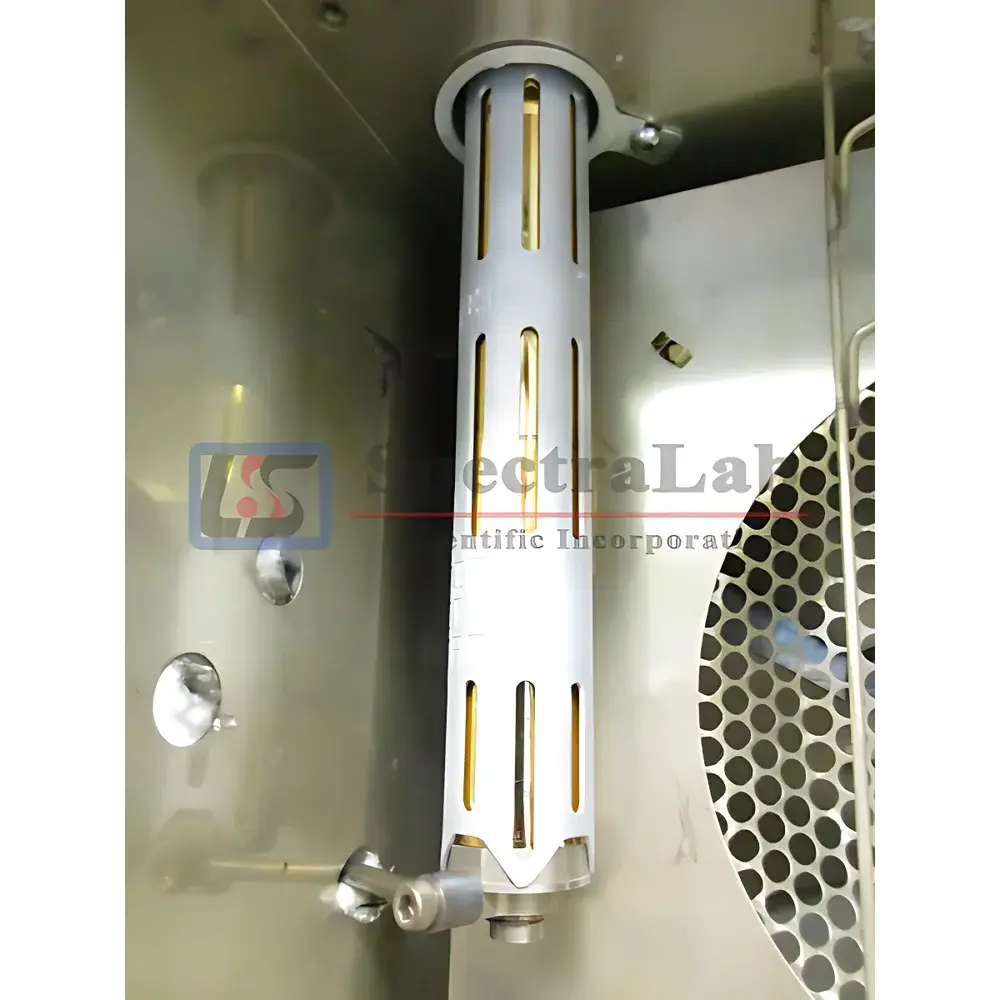
- FID subsystem with programmable temperature control up to 375 °C, automatic ignition sequence, real-time flame-out detection, and auto-reignition recovery
- PID subsystem featuring a stable 10.6 eV UV lamp (OI 4430 power supply), low-noise amplifier (OI 5380 controller), and optimized ion chamber geometry for high signal-to-noise ratio
- Multi-channel data interface (Agilent 35990E) supporting synchronized acquisition of both PID and FID signals at up to 200 Hz per channel
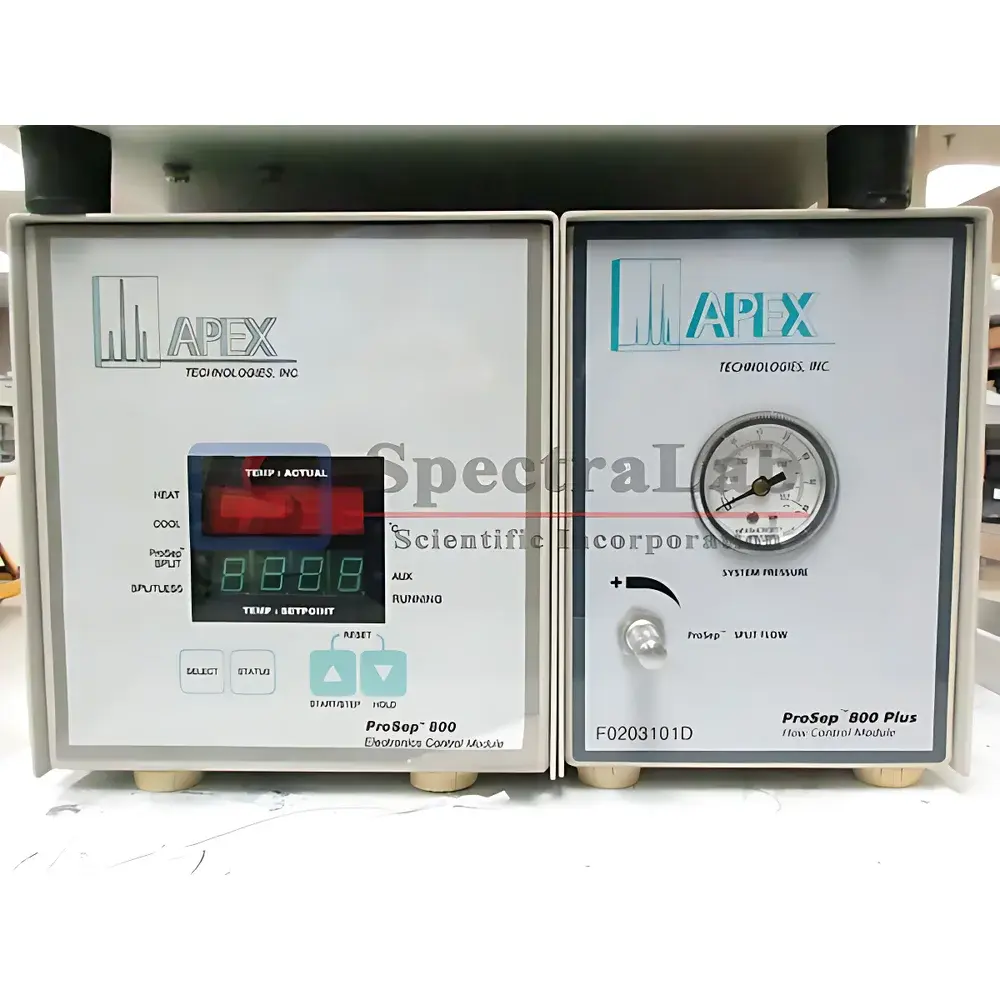
- ProSep 800 Plus electronic flow control module enabling precise, pressure-independent regulation of carrier, makeup, and detector gases
- Full compatibility with both packed and fused-silica capillary columns—including standard 0.25–0.53 mm ID formats—and support for split/splitless, on-column, and PTV injection techniques
Sample Compatibility & Compliance
This configuration is routinely deployed in applications governed by EPA Methods 8021B (aromatics), 8015M (petroleum hydrocarbons), and ASTM D5504 (sulfur compounds), where compound-class differentiation and quantification accuracy are critical. The tandem detection strategy supports GLP-compliant workflows when paired with audit-trail-enabled chromatography data systems (CDS). While the instrument itself is not FDA 21 CFR Part 11-certified out-of-the-box, its analog output signals and digital interface are fully compatible with validated third-party CDS platforms that meet regulatory requirements for electronic records and signatures. All detector electronics conform to IEC 61000-4 electromagnetic compatibility standards, and thermal modules comply with UL/CSA safety certifications applicable to laboratory instrumentation.
Software & Data Management
The Agilent 6890 operates under legacy OpenLab CDS ChemStation (Rev. A.10.x or later) or compatible third-party acquisition software capable of multi-channel analog input handling. Raw PID and FID chromatograms are acquired as separate, time-aligned data streams—enabling post-run overlay, ratio analysis (e.g., PID/FID peak area ratios for compound identification), and differential response profiling. Peak integration parameters (baseline correction, threshold, retention time windows) can be independently configured per detector channel. Export formats include ASCII (.csv), AIA (.cdf), and vendor-neutral .dx files for interoperability with statistical analysis tools (e.g., R, Python pandas) and LIMS interfaces. System logs—including detector status, gas flow validation, and temperature ramp history—are retained for traceability and troubleshooting.
Applications
- Environmental field screening of soil vapor, groundwater purge-and-trap extracts, and ambient air samples for BTEX, PAHs, and chlorinated VOCs
- Workplace exposure monitoring per OSHA and NIOSH guidelines, leveraging PID’s real-time response for rapid hazard assessment and FID’s quantitative reliability for compliance reporting
- Leak detection and fugitive emission studies in petrochemical facilities, where simultaneous aromatic/aliphatic response aids source attribution
- Forensic analysis of accelerants in fire debris, where co-eluting compounds are resolved through differential PID/FID response patterns
- Method development for complex matrices (e.g., landfill leachate, refinery wastewater) requiring orthogonal detection to confirm peak identity and avoid misquantification
FAQ
Is this Agilent 6890 GC factory-refurbished or dealer-reconditioned?
This unit has undergone comprehensive technical refurbishment by an Agilent-authorized service partner in Canada, including full vacuum integrity testing, detector performance verification against OEM specifications, and replacement of consumables (septa, liners, ferrules, jet assemblies). Calibration certificates and functional test reports are provided with shipment.
Can the tandem PID/FID detector be used with mass spectrometry?
No—the tandem detector occupies one detector port and is not compatible with MS interfaces. However, the 6890’s dual-detector architecture allows simultaneous installation of the PID/FID module and a second standalone detector (e.g., ECD or TCD) on the opposite side of the oven.
What maintenance intervals are recommended for the PID lamp and FID jet?
The OI 10.6 eV lamp typically exhibits 6–12 months of stable output under continuous operation; replacement is advised upon >15% intensity decay or increased baseline noise. The FID jet should be cleaned or replaced every 3–6 months depending on sample matrix cleanliness and usage frequency.
Does the system include original Agilent documentation and firmware?
Yes—all shipped units include original English-language manuals (hardware, detector, software), firmware images matching the installed revision, and a complete set of diagnostic utilities for self-test and calibration verification.
Is remote support available after purchase?
Yes—technical assistance is provided via email and screen-sharing sessions during business hours (EST), covering method transfer, troubleshooting, and preventive maintenance guidance. On-site service contracts are available upon request.