
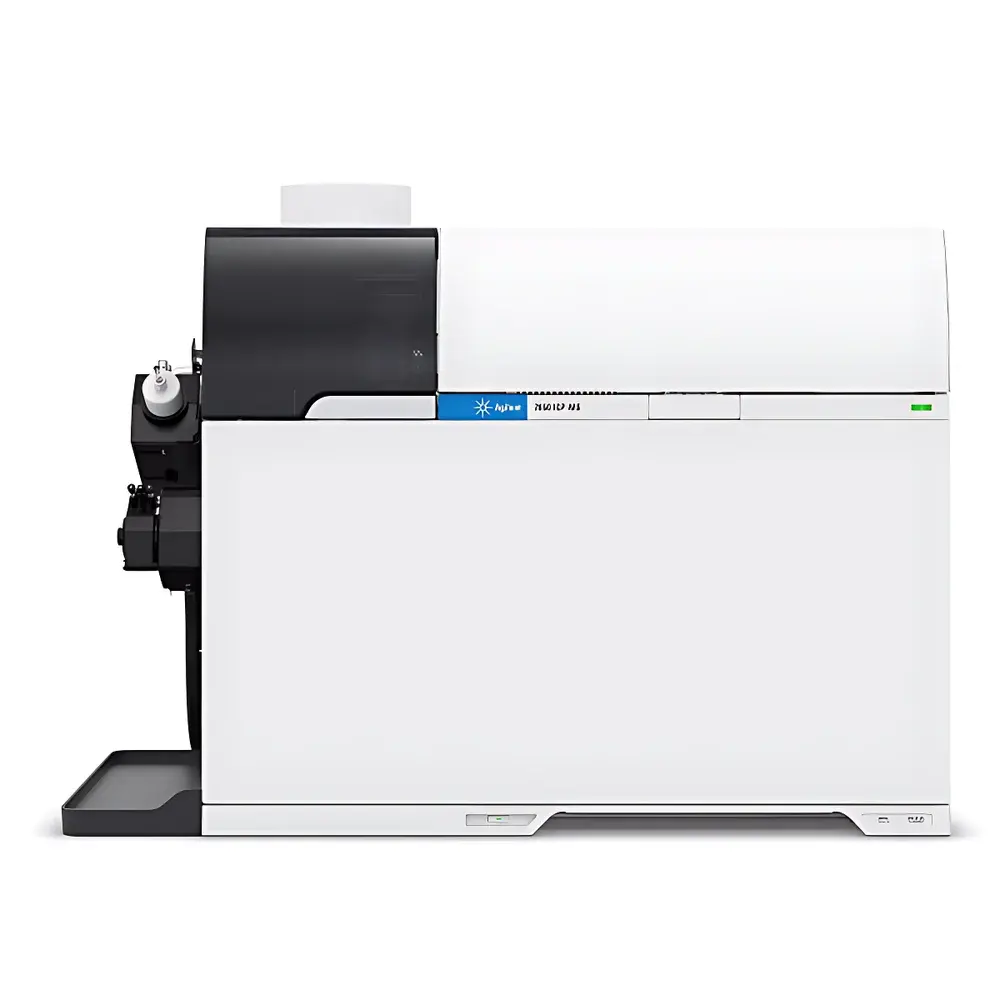
Agilent 7850 ICP-MS Inductively Coupled Plasma Mass Spectrometer
| Brand | Agilent Technologies |
|---|---|
| Origin | Singapore |
| Manufacturer Type | Original Equipment Manufacturer (OEM) |
| Origin Category | Imported |
| Model | 7850 |
| Instrument Type | Quadrupole Mass Spectrometer |
| Application Environment | Laboratory |
| Mass Range (amu) | 2–260 |
| Resolution (Unit Mass Resolution, amu) | 0.2–1 (adjustable) |
| Detection Limit (ng·L⁻¹) | ≤5×10⁻⁷ for low-mass elements, ≤1×10⁻⁷ for high-mass elements |
| Sensitivity (Mcps / mg·L⁻¹) | Li ≥ 80, Y ≥ 240, U ≥ 300 |
Overview
The Agilent 7850 ICP-MS is a high-performance quadrupole inductively coupled plasma mass spectrometer engineered for robust, high-throughput elemental analysis in demanding laboratory environments. It operates on the fundamental principle of ionizing analytes in a high-temperature argon plasma (~7,000 K), followed by mass separation using a radiofrequency-driven quadrupole mass filter and detection via electron-multiplier-based ion counting. Designed specifically to address persistent challenges in real-world sample analysis—particularly those involving complex, high-dissolved-solids matrices—the 7850 integrates hardware and software innovations that collectively reduce method development time, minimize reanalysis, and enhance data integrity without compromising regulatory compliance.
Key Features
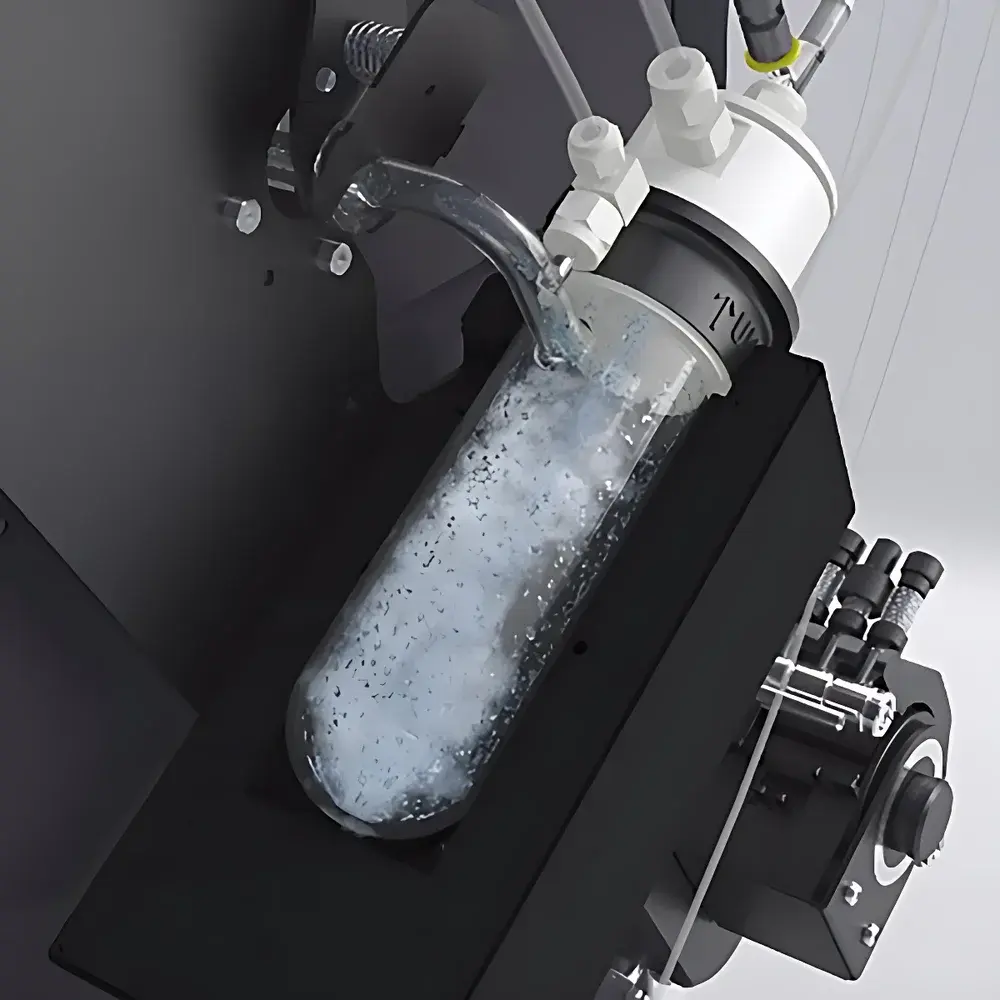
- Ultra-High Matrix Introduction (UHMI) system enabling direct analysis of samples with up to 25% total dissolved solids (TDS), eliminating manual dilution and associated errors.
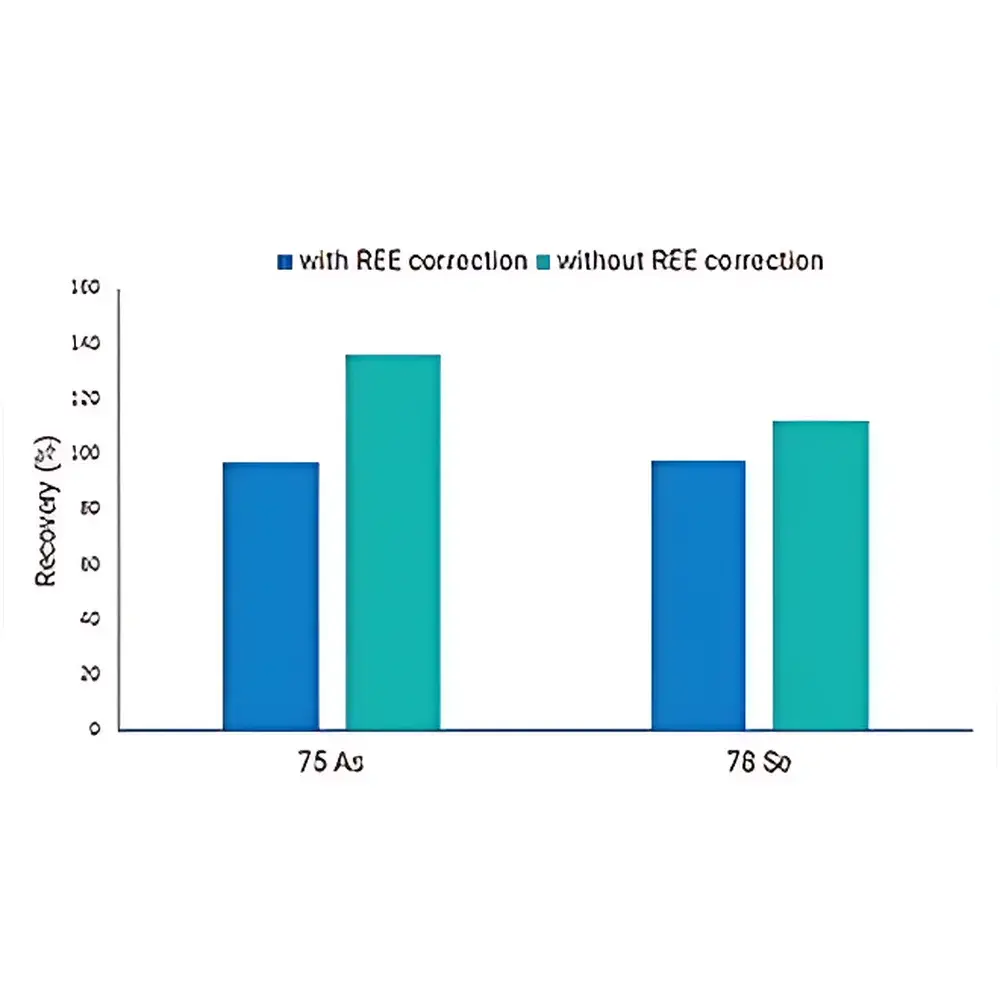
- Helium-mode collision cell with semi-mass correction algorithm to suppress polyatomic interferences (e.g., 40Ar16O+, 40Ar40Ar+) and doubly charged ion species (e.g., 138Ba2+), improving spectral fidelity and reducing reliance on mathematical correction.
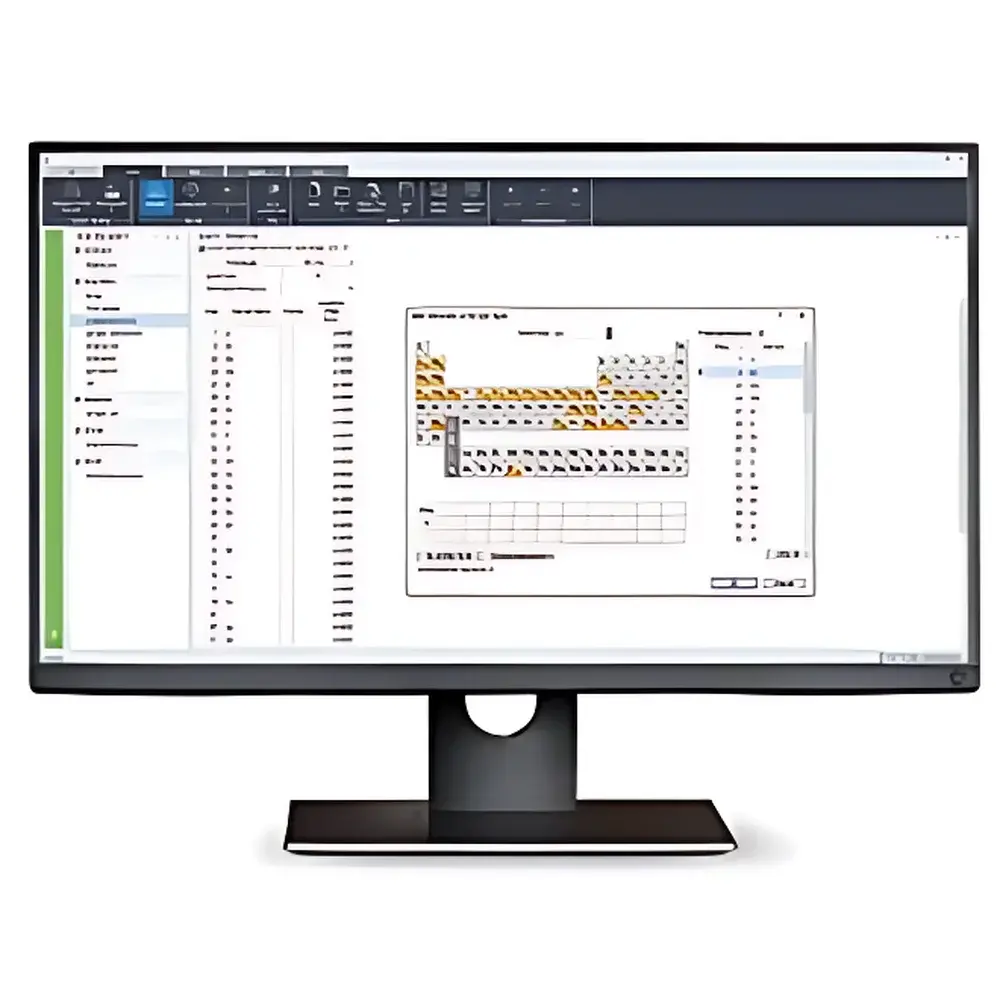
- IntelliQuant full-spectrum acquisition mode delivering simultaneous qualitative and semi-quantitative elemental profiling per sample—visualized as heatmaps—to support rapid matrix assessment and anomaly detection.
- Outlier Condition Formatting (OCF) for automated flagging of results exceeding user-defined acceptance criteria or failing QC checks, streamlining data review for both experienced and junior analysts.
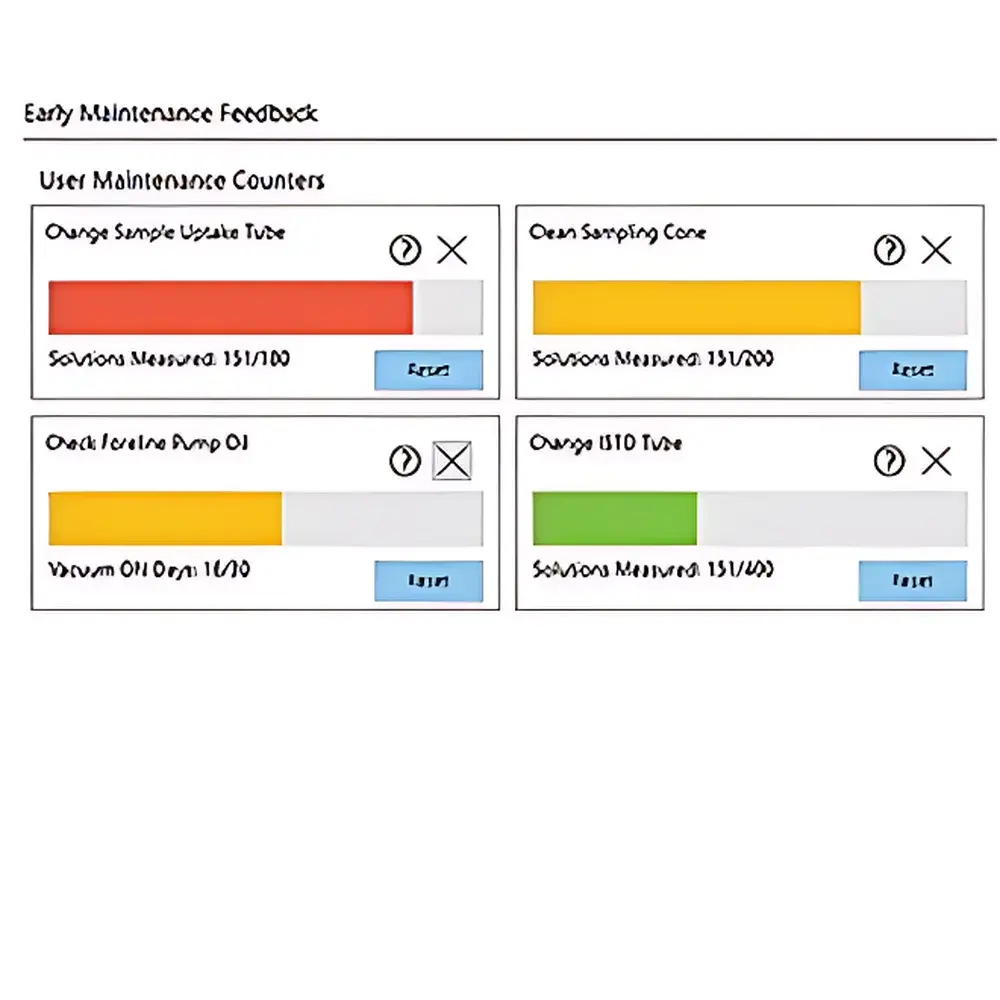
- Early Maintenance Feedback (EMF) system utilizing real-time sensor telemetry and operational counters to schedule maintenance based on actual instrument usage—not calendar intervals—ensuring optimal uptime and consumables utilization.
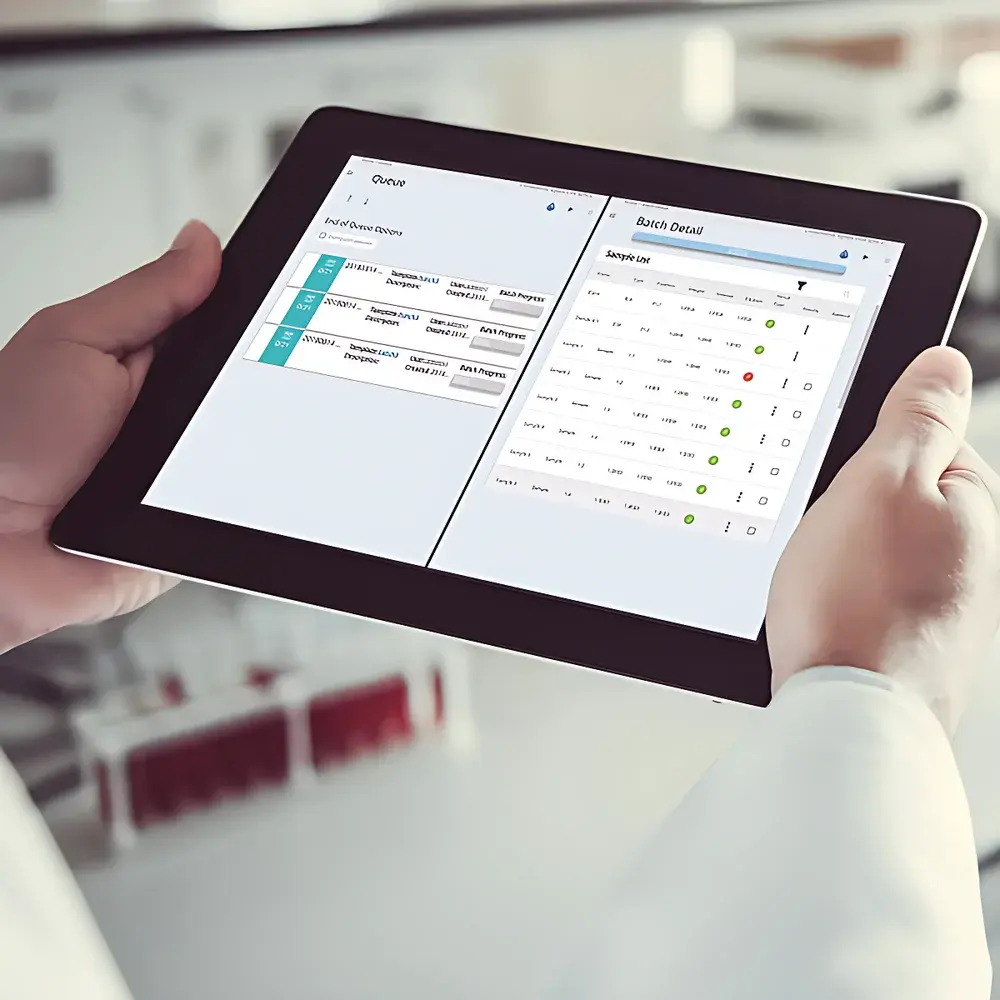
- ICP Go—a browser-based, mobile-optimized interface—enabling remote batch setup, run monitoring, and status checks from tablets or laptops, supporting flexible workflow management across multi-user labs.
Sample Compatibility & Compliance
The 7850 is validated for routine use with aqueous digests (e.g., EPA Method 200.8, ISO 17294-2), geological leachates, biological fluids, semiconductor process chemicals, and environmental extracts. Its UHMI architecture maintains stable plasma conditions even under extreme matrix loading, minimizing signal suppression and drift. The system supports full audit trail functionality aligned with FDA 21 CFR Part 11 requirements when operated with compliant software configurations. Data integrity safeguards—including electronic signatures, version-controlled method templates, and immutable raw data archiving—are embedded into standard workflows. Instrument qualification documentation adheres to ICH Q2(R2) and ISO/IEC 17025 guidelines, facilitating GLP and GMP-regulated applications.
Software & Data Management
Control and data processing are managed through Agilent MassHunter Workstation software (v10.2 or later), which provides modular licensing for acquisition, quantitation, and reporting. All methods—including SOPs pre-validated for environmental, clinical, and industrial applications—are stored in a centralized, searchable library with revision history and change control tracking. Raw data files (.d format) are stored in vendor-neutral, metadata-rich containers compatible with third-party LIMS integration via ASTM E1467-compliant interfaces. IntelliQuant reports include full mass spectra, element-specific peak shapes, and matrix composition summaries—exportable in CSV, PDF, or XML formats for external statistical analysis or regulatory submission.
Applications
The 7850 delivers precise isotopic and elemental quantification across diverse sectors: trace metal analysis in drinking water (compliant with WHO and EU Directive 2020/2184); ultra-trace rare earth element characterization in battery-grade cathode materials; speciation-informed monitoring of toxic metals (As, Cd, Pb, Hg) in food matrices; and high-precision isotopic ratio measurements for geochemical fingerprinting. Its tolerance for high-TDS samples makes it especially suited for direct analysis of brines, seawater concentrates, pharmaceutical excipients, and metallurgical process streams—applications where conventional ICP-MS systems require extensive offline dilution or matrix separation.
FAQ
What regulatory standards does the Agilent 7850 support for compliance-critical laboratories?
The system supports FDA 21 CFR Part 11, ISO/IEC 17025, and ICH Q2(R2) through configurable audit trails, electronic signatures, and method validation templates.
Can the 7850 analyze undiluted seawater or brine samples?
Yes—its Ultra-High Matrix Introduction system enables direct analysis of samples containing up to 25% total dissolved solids without prior dilution.
How does the helium collision cell differ from kinetic energy discrimination (KED) in other ICP-MS systems?
The 7850 employs a pressurized helium collision cell operating in mass-shift-free mode, combined with semi-mass correction to retain nominal mass assignment while resolving interferences—avoiding the sensitivity loss typical of traditional KED approaches.
Is IntelliQuant suitable for unknown sample screening in exploratory research?
Yes—IntelliQuant acquires full 2–260 amu spectra at user-defined dwell times, enabling retrospective interrogation of untargeted elements without re-running samples.
Does the EMF system integrate with laboratory preventive maintenance scheduling tools?
Yes—EMF-generated maintenance alerts can be exported via CSV or API to CMMS platforms such as Maximo or ServiceNow, ensuring alignment with enterprise asset management protocols.
Related Products





